Introduction
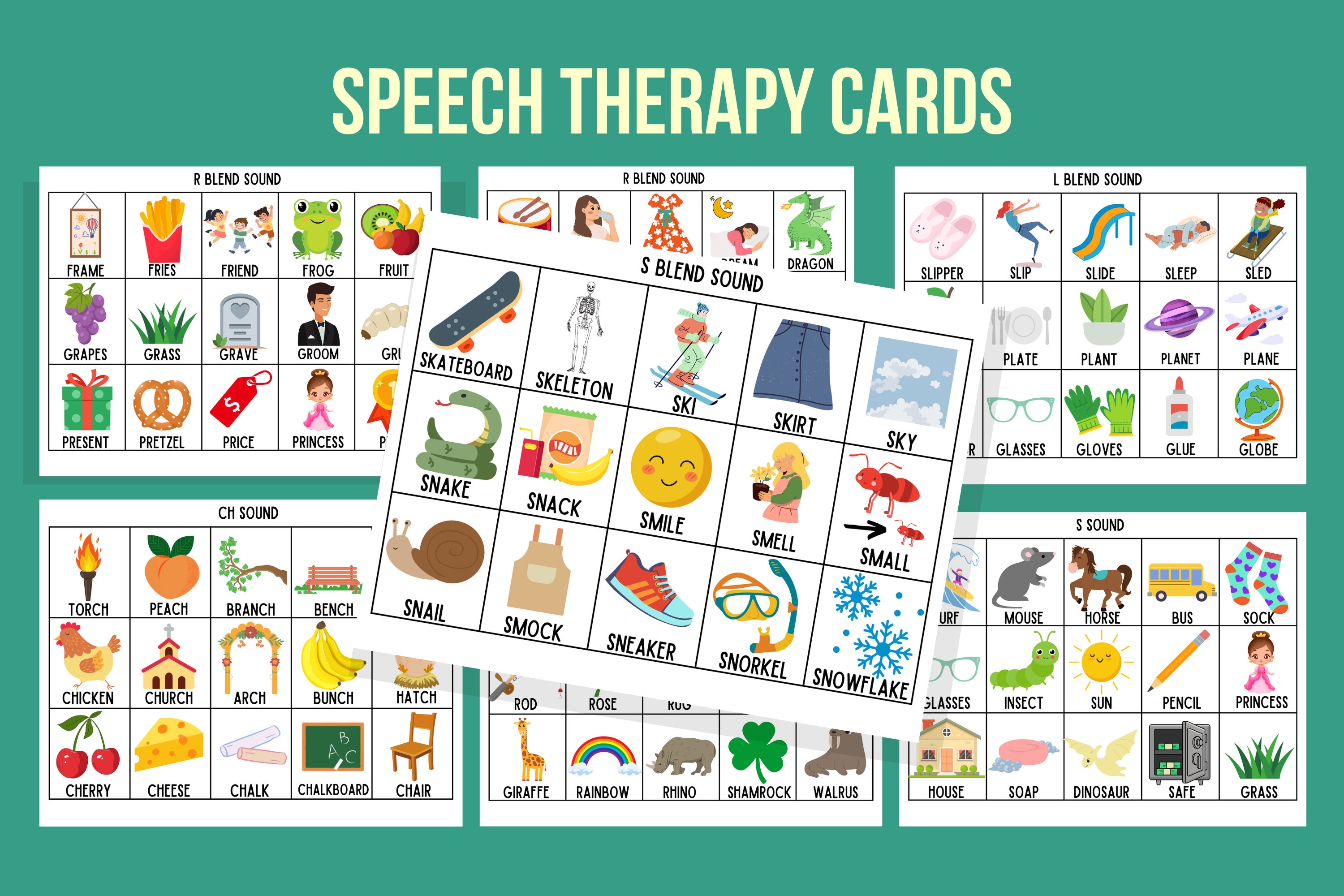
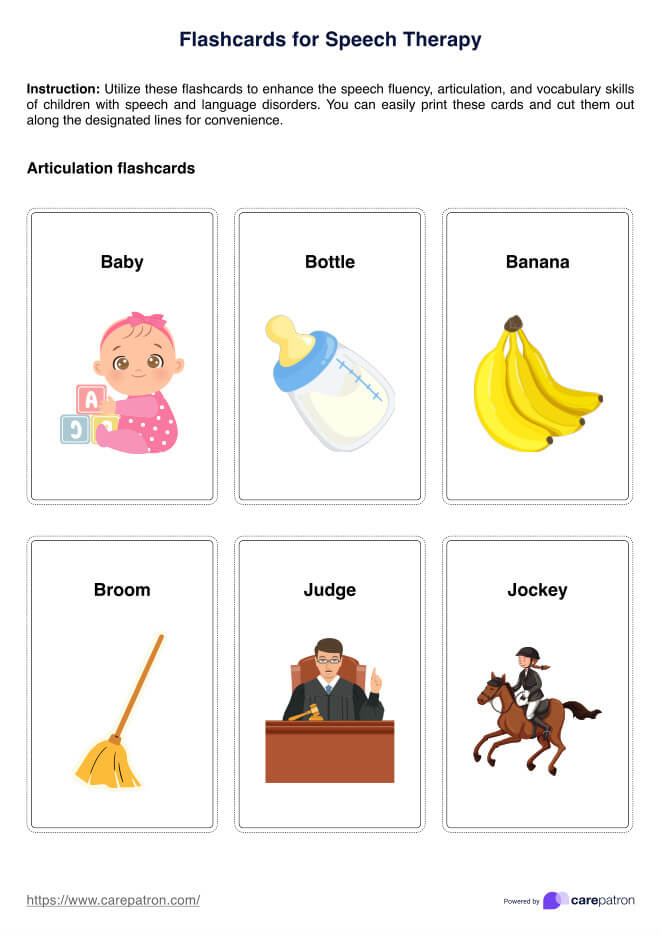
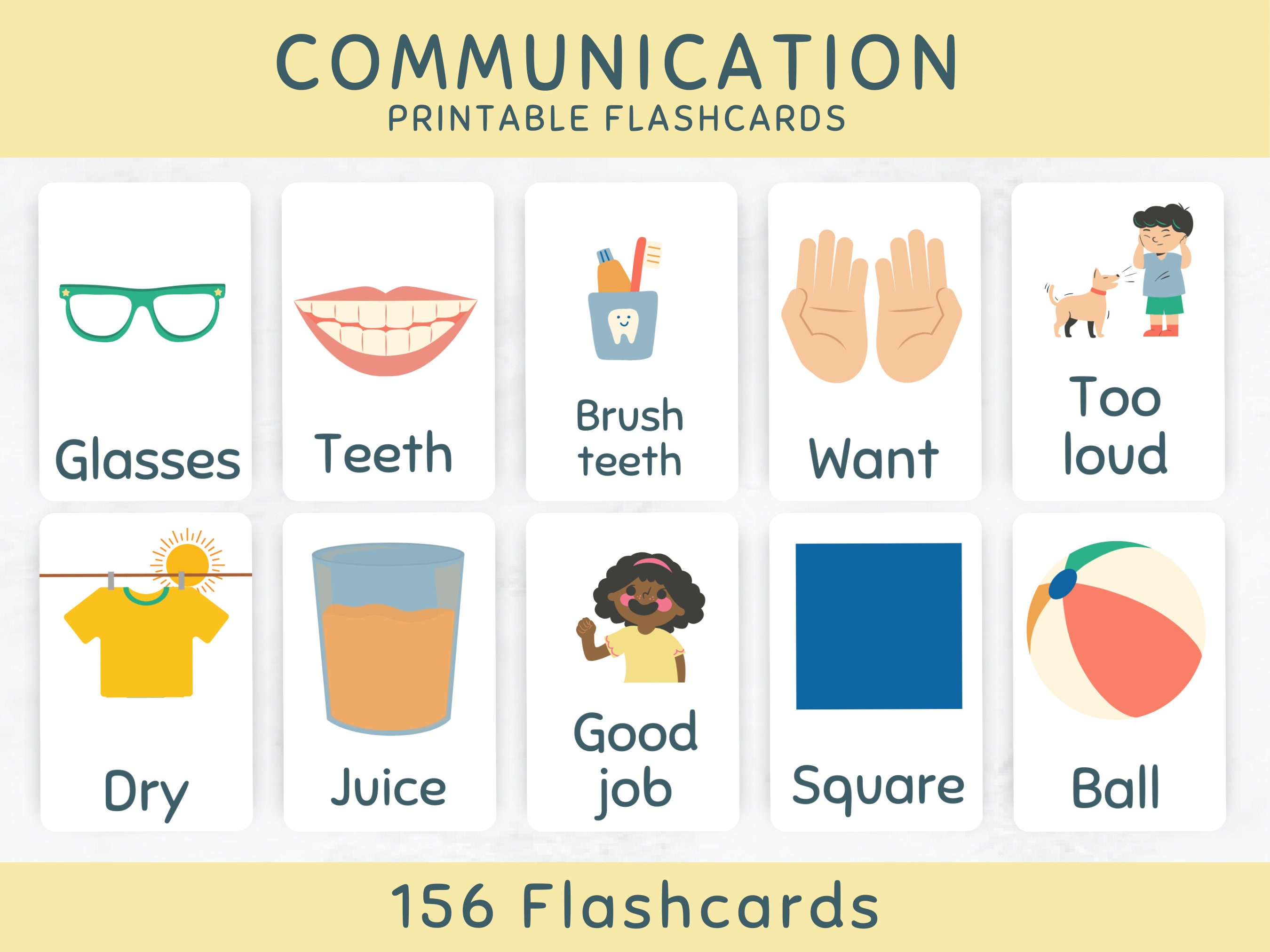
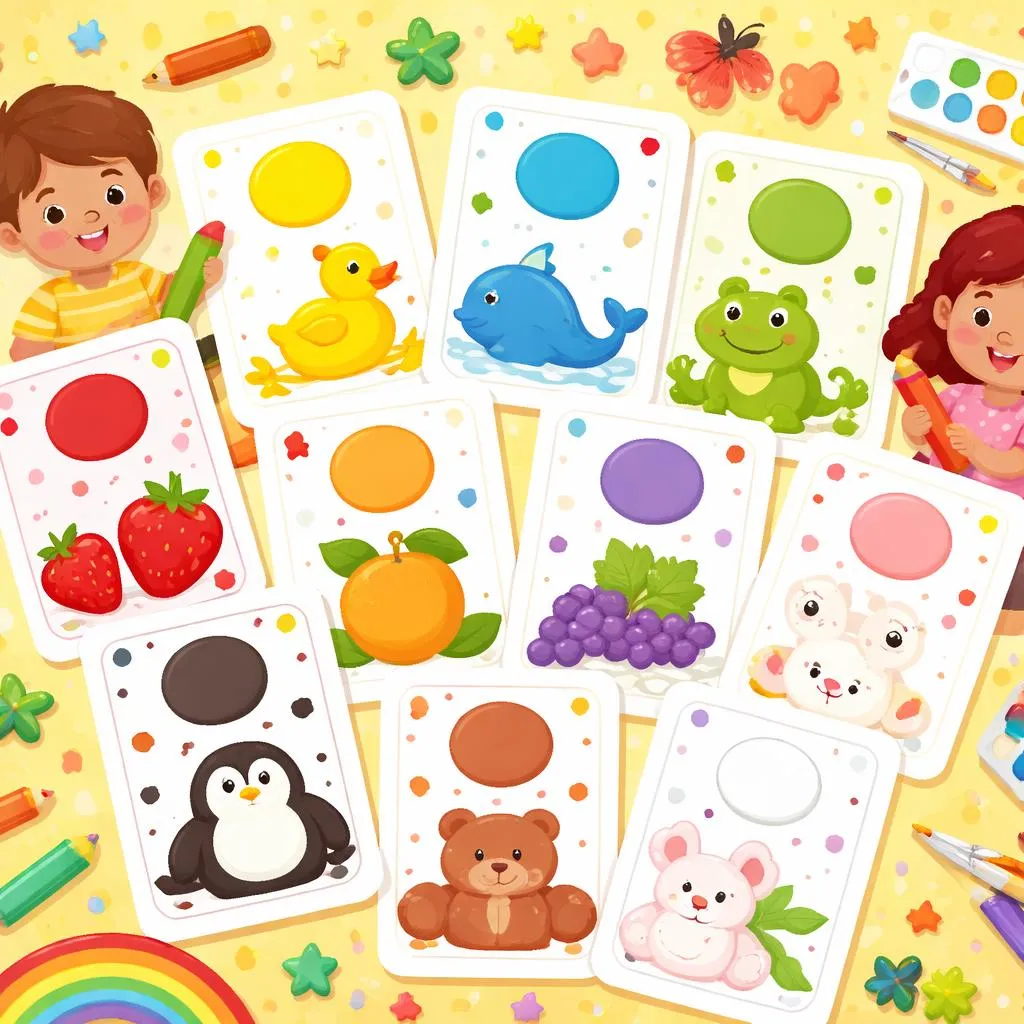
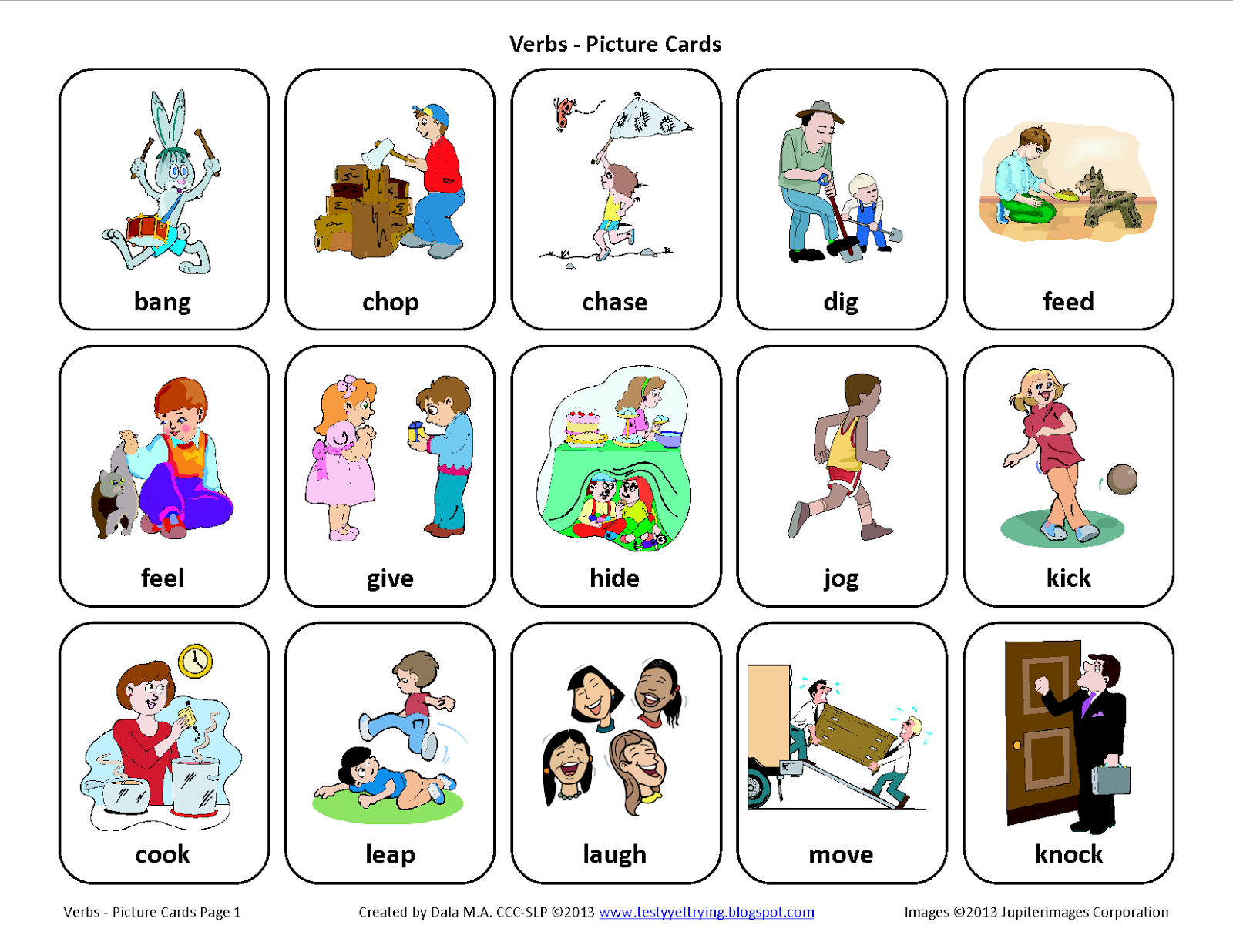
Picture flashcards for speech therapy utilize high-clarity photographic imagery and structured grid alignment to simultaneously accelerate vocabulary acquisition and refine early visual-spatial processing. According to the National Association for the Education of Young Children (NAEYC), purposeful integration of concrete visual prompts significantly enhances cognitive retention and expressive language development in young learners. Integrating real-world photography with systematic drawing exercises bridges the gap between passive linguistic comprehension and active fine-motor execution. Related guide: Histology Picture Flashcards.
Visual Learning & Skill Snapshot:
- Core Focus: Picture flashcards for speech therapy combined with printable grid drawing worksheets to build language and spatial awareness.
- Target Skill: Spatial reasoning, visual discrimination, fine-motor proportion estimation, and vocabulary retrieval.
- Key Recommendation: Pair high-contrast photo cards with coordinate-based grid worksheets to ground linguistic cues in geometric observation.
Core Principles and Visual Learning Overview
Picture flashcards for speech therapy serve as foundational cognitive anchors that connect concrete visual stimuli with targeted phonetic and semantic outputs. Utilizing realistic photographic representations—sourced from extensive Photo Flashcards archives—eliminates the ambiguity often introduced by abstract vector clip art, ensuring children anchor language directly to authentic objects. When these cards are paired with structured Grid Drawing exercises, learners map visual features across a coordinate grid, translating raw observation into measured lines and proportional marks. This multi-step process reinforces spatial awareness, teaches proportion estimation, and exercises fine-motor control, transforming static language practice into an active, multisensory cognitive routine.
Key Specifications and Breakdown
| Age / Learning Stage | Visual Skill & Grid Ratio | Pedagogical Application & Scaffolding |
|---|---|---|
| Ages 3 to 4 (Early Preschool) | Basic 2×2 photo grid matching | Focuses on foundational object identification, vocabulary building, and basic shape mapping. |
| Ages 5 to 6 (Kindergarten) | Intermediate 3×3 proportional scaling | Connects speech phonemes to detailed visual observation and foundational line replication. |
| Ages 7 to 8 (Early Elementary) | Advanced 4×4 coordinate replication | Integrates complex descriptive language with precise spatial proportion and independent sketching. |
Visual and spatial integration fosters superior cognitive mapping by coupling linguistic output directly with coordinated fine-motor drawing tasks. — National Art Education Association (NAEA)
Step-by-Step Practical Application and Printing Guidelines
Implementing picture flashcards for speech therapy requires a systematic workflow involving high-resolution printing, durable cardstock lamination, and structured desktop grid templates. Educators and parents should begin by printing photographic stimulus cards and matching coordinate worksheets on heavyweight matte paper to eliminate distracting surface glare. Instruct learners to first identify and articulate the target vocabulary depicted in the photograph before isolating individual visual quadrants within the grid lines. Guiding the child to analyze one coordinate square at a time prevents cognitive overload, ensuring accurate proportion estimation and deliberate observation of negative space, lines, and textures during the hands-on Educational Activities.
Common Challenges and How to Avoid Them
Rushing the transition from verbal identification to manual proportion drawing represents the most frequent obstacle when utilizing picture flashcards for speech therapy. Educators can easily overcome this challenge by establishing a mandatory pause where children verbally describe the color, texture, and spatial location of an object before placing a pencil to paper. If a child struggles with grid scaling, reduce the visual complexity by temporarily masking off adjacent squares or utilizing a larger two-by-two grid layout until foundational observation skills and confidence solidify.
💬 Frequently Asked Questions
Explore More Free Learning Printables and Visual Activities on WePhotoAgency
Elevate speech sessions, homeschool lessons, and classroom art instruction by accessing our complete library of professional printables, visual resources, and structured worksheets at WePhotoAgency.com. Discover targeted materials designed to support every phase of early childhood cognitive development.
Visual Reference Gallery