Introduction
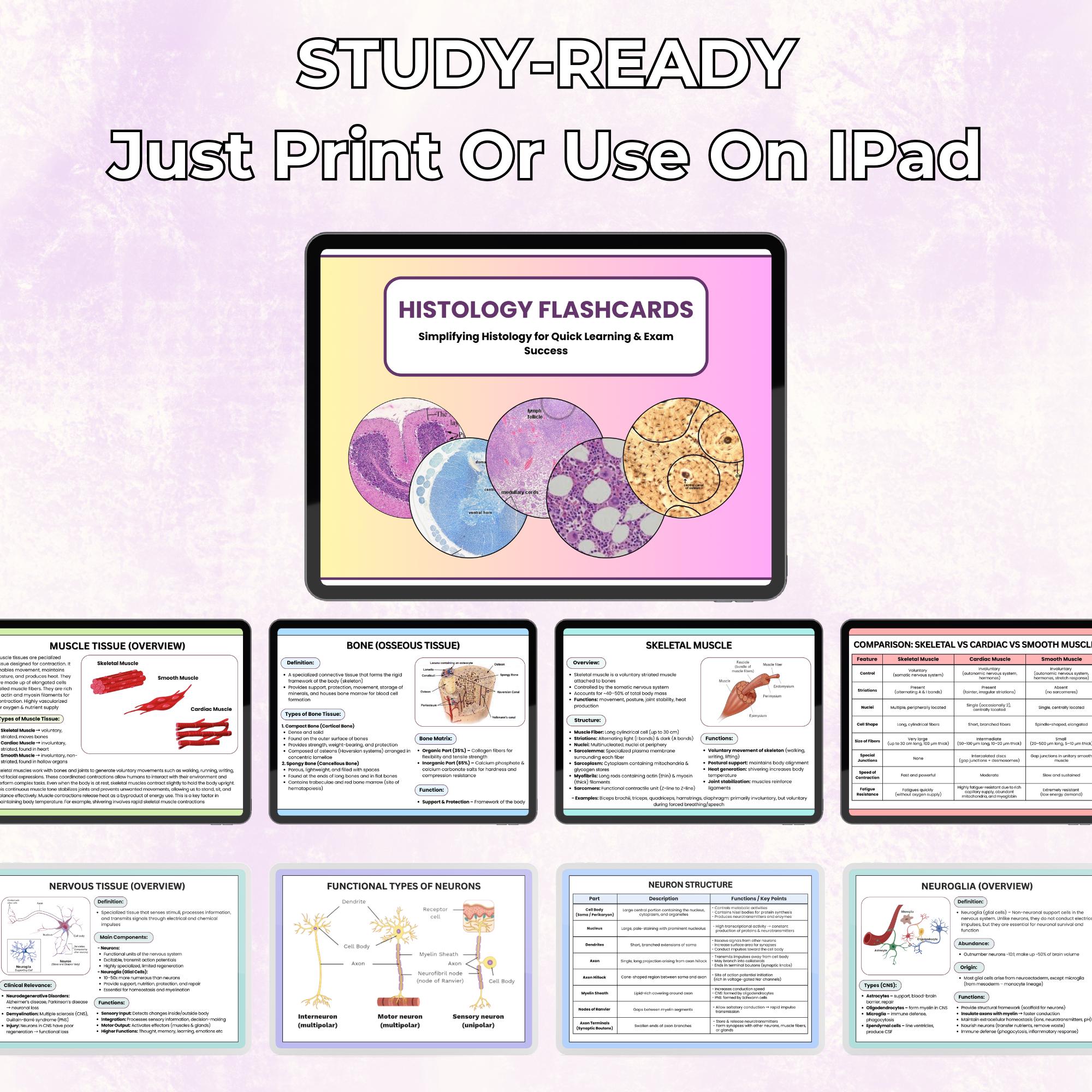
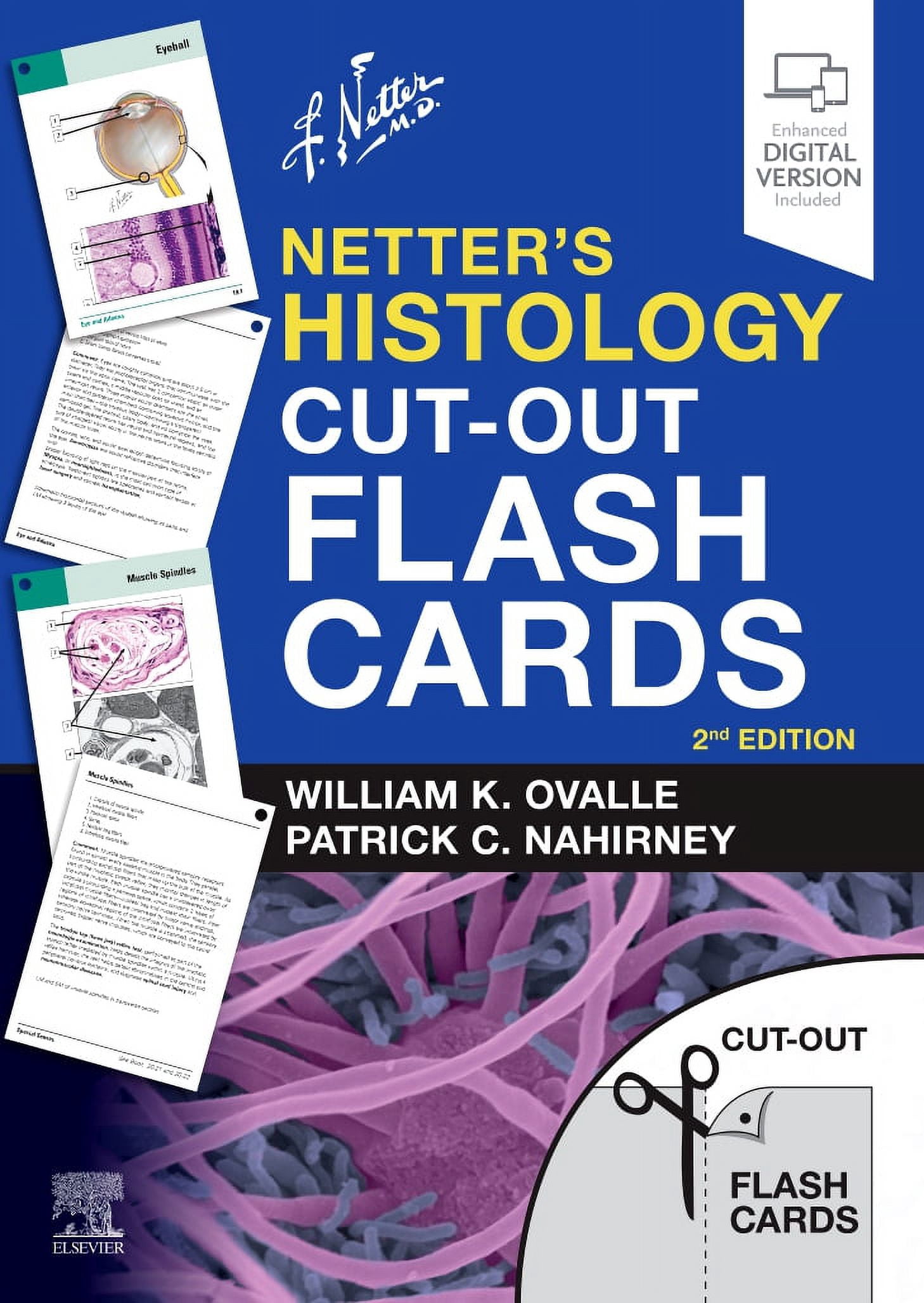
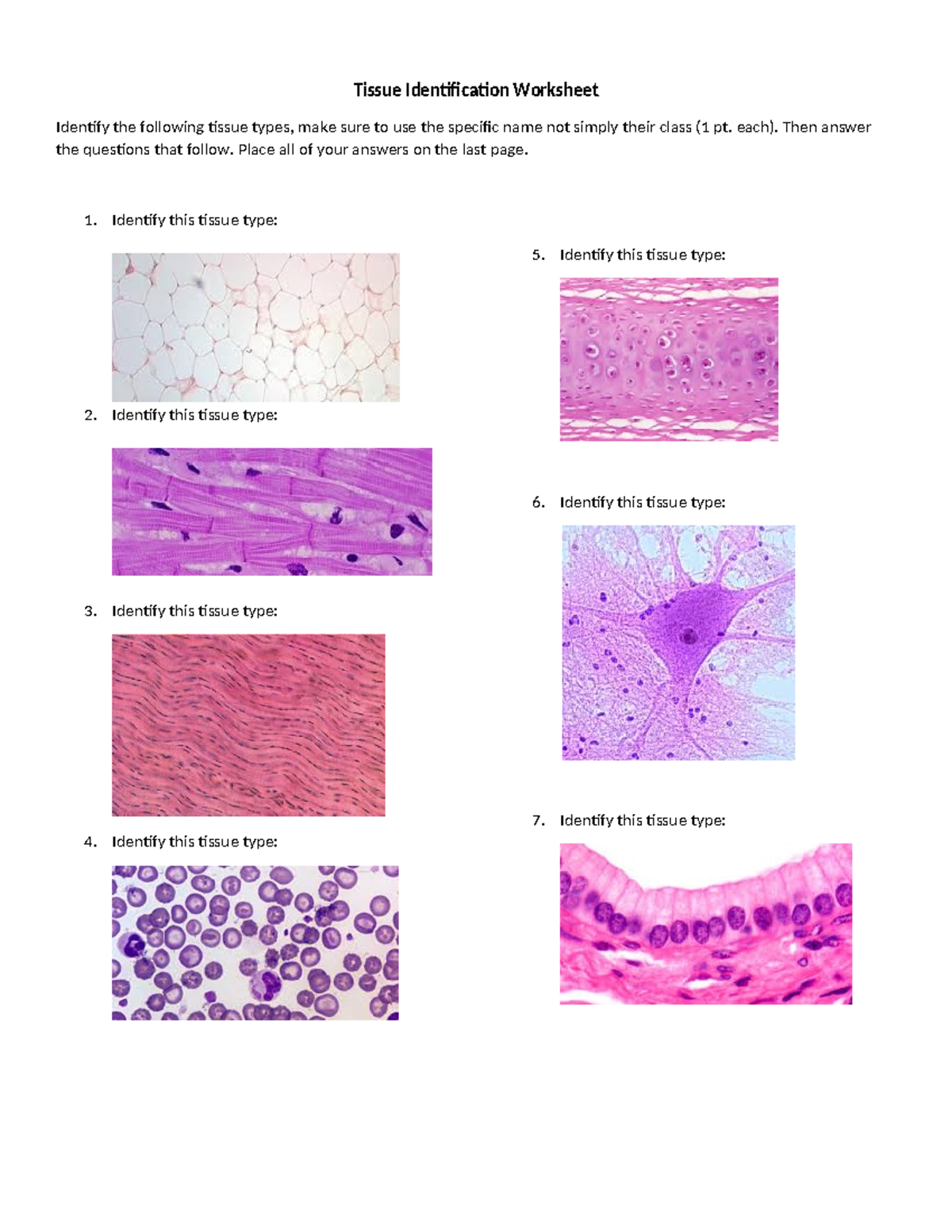
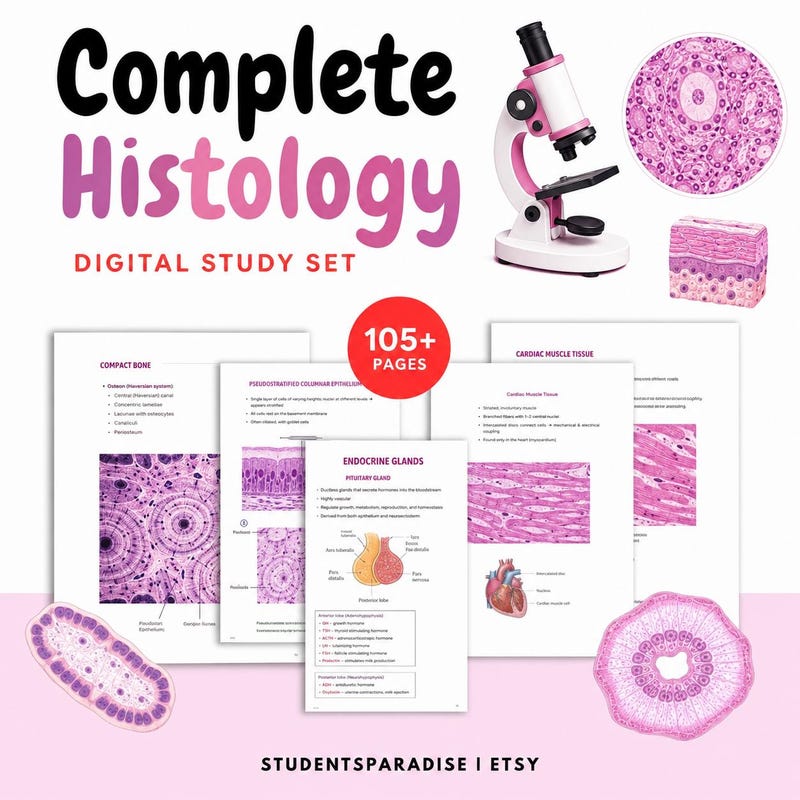
Histology picture flashcards are specialized microscopic photography cards utilized in early childhood learning and visual arts education to teach complex spatial organization, pattern recognition, and micro-scale proportion estimation. According to the National Association for the Education of Young Children (NAEYC), purposeful exposure to diverse, high-resolution photographic imagery significantly enhances children’s visual discrimination, descriptive vocabulary, and cognitive mapping abilities. By bridging abstract scientific observation with tangible art exercises, such as printable grid drawing worksheets, educators successfully translate intricate cellular textures into accessible foundational drawing challenges for early learners.
Visual Learning & Skill Snapshot:
- Core Focus: Histology picture flashcards utilized alongside grid drawing worksheets to build micro-pattern analysis skills.
- Target Skill: Spatial reasoning, visual discrimination, fine-motor proportion control, and scale translation.
- Key Recommendation: Pair high-contrast biological photo cards with structured coordinate grids to simplify complex visual data.
Core Principles and Visual Learning Overview
Visual-spatial intelligence improves rapidly when children break complex visual subjects down into manageable geometric coordinates using Grid Drawing techniques. Histology picture flashcards provide a unique foundation for this process by presenting intricate natural textures—such as plant stem cross-sections, bone tissue matrices, and cellular membrane patterns—that challenge learners to look beyond simple outlines and focus on interior line weights, negative space, and tonal density. Utilizing high-resolution Photo Flashcards transforms abstract biology into concrete artistic practice, allowing children to develop steady hand-eye coordination while observing organic structures up close.
Key Specifications and Breakdown
| Age / Learning Stage | Visual Skill & Grid Ratio | Pedagogical Application & Scaffolding |
|---|---|---|
| Ages 4-6 (Early Explorer) | 2×2 or 3×3 simple quadrant grid | Focuses on macro cellular boundaries, primary shape replication, and large-motor pencil control. |
| Ages 7-9 (Developing Artist) | 4×4 or 5×5 intermediate coordinate grid | Emphasizes proportion estimation, organic line flow, and differentiating overlapping cellular textures. |
| Ages 10+ (Advanced Learner) | Complex multi-cell proportional grids | Integrates detailed scientific observation with precise artistic shading and structural analysis. |
Visual-spatial training through structured grid scaling and photographic reference materially accelerates cognitive mapping and fine-motor precision in school-age children. — National Art Education Association (NAEA). For more related activities, check out our Free Printable Hebrew Flashcards Pdf.
Step-by-Step Practical Application and Printing Guidelines
Implementing histology picture flashcards effectively requires pairing durable printed cards with cleanly scaled printable grid worksheets designed for young hands. Educators should begin by selecting high-contrast, brightly stained biological photo cards that clearly delineate cellular borders. Next, print matching worksheets featuring corresponding grid lines that align proportionally with the reference card dimensions. Instruct learners to isolate one grid square at a time using an L-shaped masking tool or cardstock window, copying only the lines contained within that specific coordinate. This targeted isolation method prevents cognitive overload, refines concentration, and ensures accurate proportion scaling across the entire page.
Common Challenges and How to Avoid Them
Frustration during detailed grid-based drawing sessions typically stems from attempting to replicate entire complex biological patterns simultaneously instead of focusing on single, isolated squares. To prevent this common obstacle, instructors must encourage students to cover surrounding sections of the histology picture flashcards and corresponding worksheets, reducing visual clutter to a solitary coordinate. Furthermore, ensuring that reference images feature bold, clear membrane lines rather than ambiguous fuzzy gradients prevents guesswork and builds confidence in young artists learning early observation skills.
💬 Frequently Asked Questions
Explore More Free Learning Printables and Visual Activities on WePhotoAgency
Empowering young minds through structured observation, artistic precision, and engaging visual prompts remains central to effective early education. Educators, parents, and curriculum developers can discover a robust library of supportive tools by browsing additional Educational Activities directly at WePhotoAgency.com.
Visual Reference Gallery