Introduction
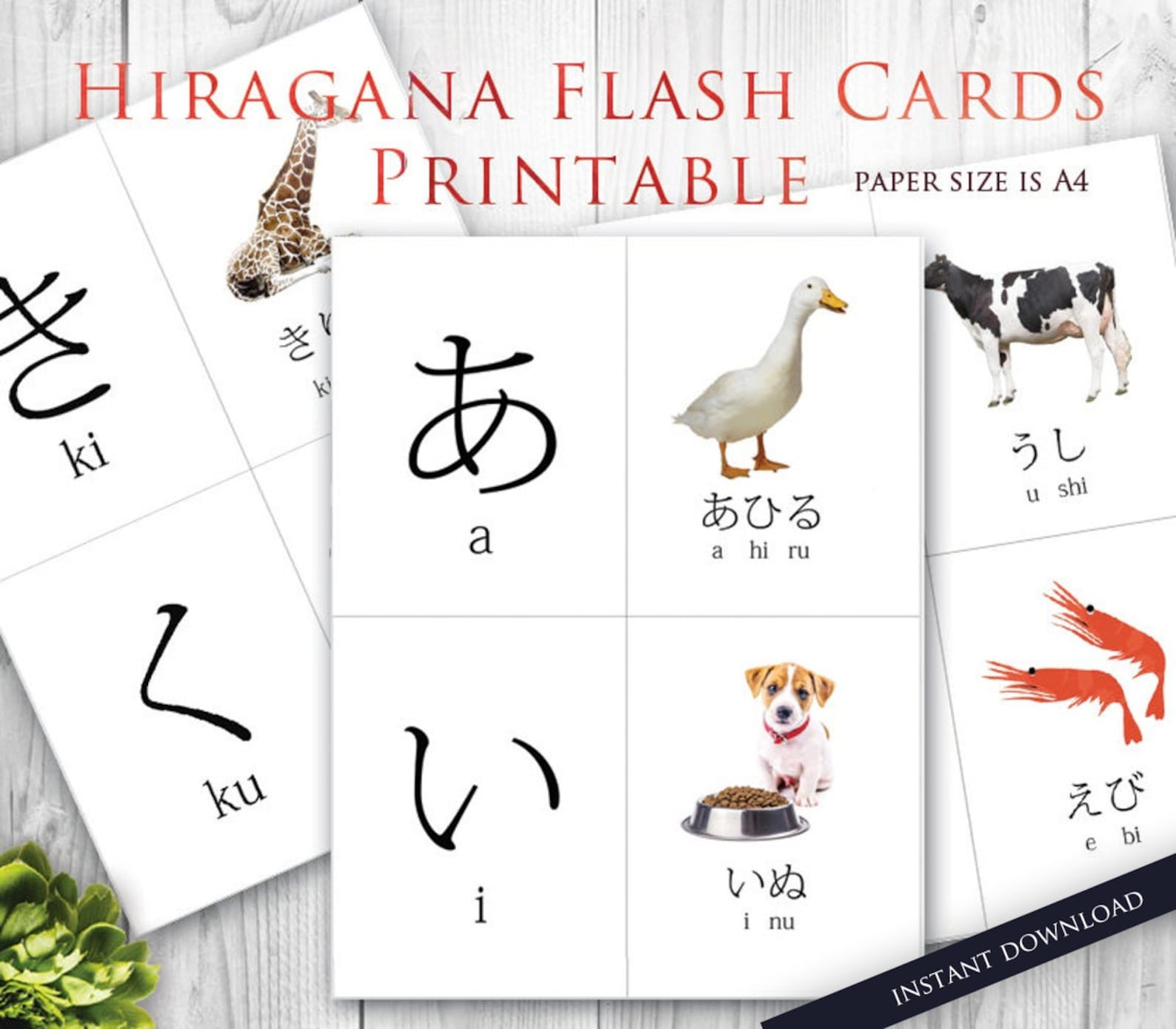
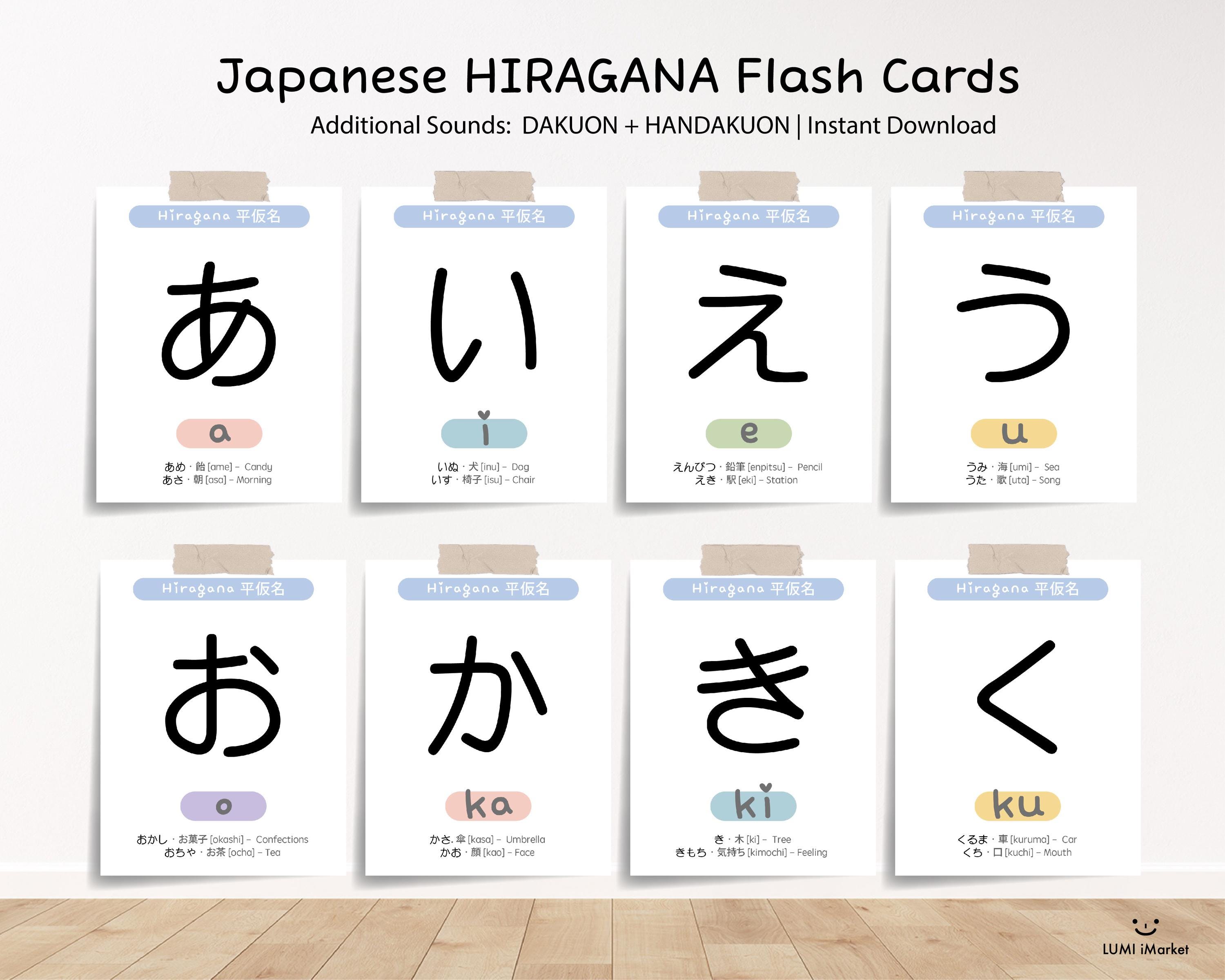
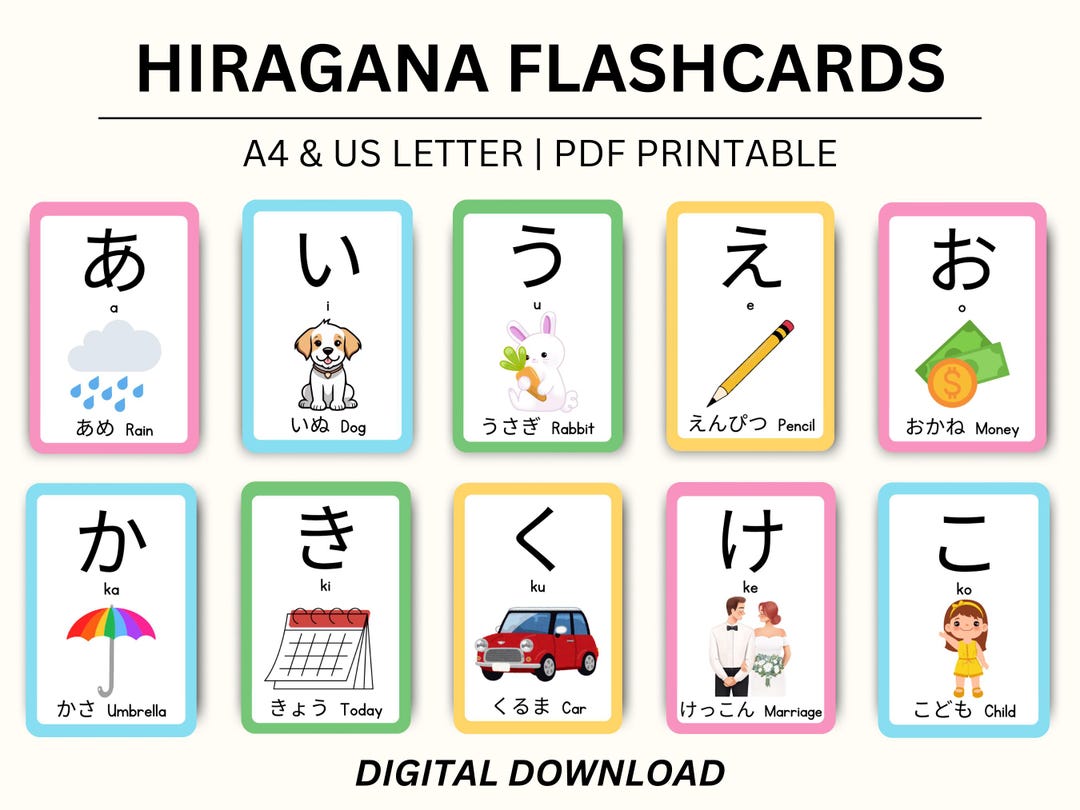
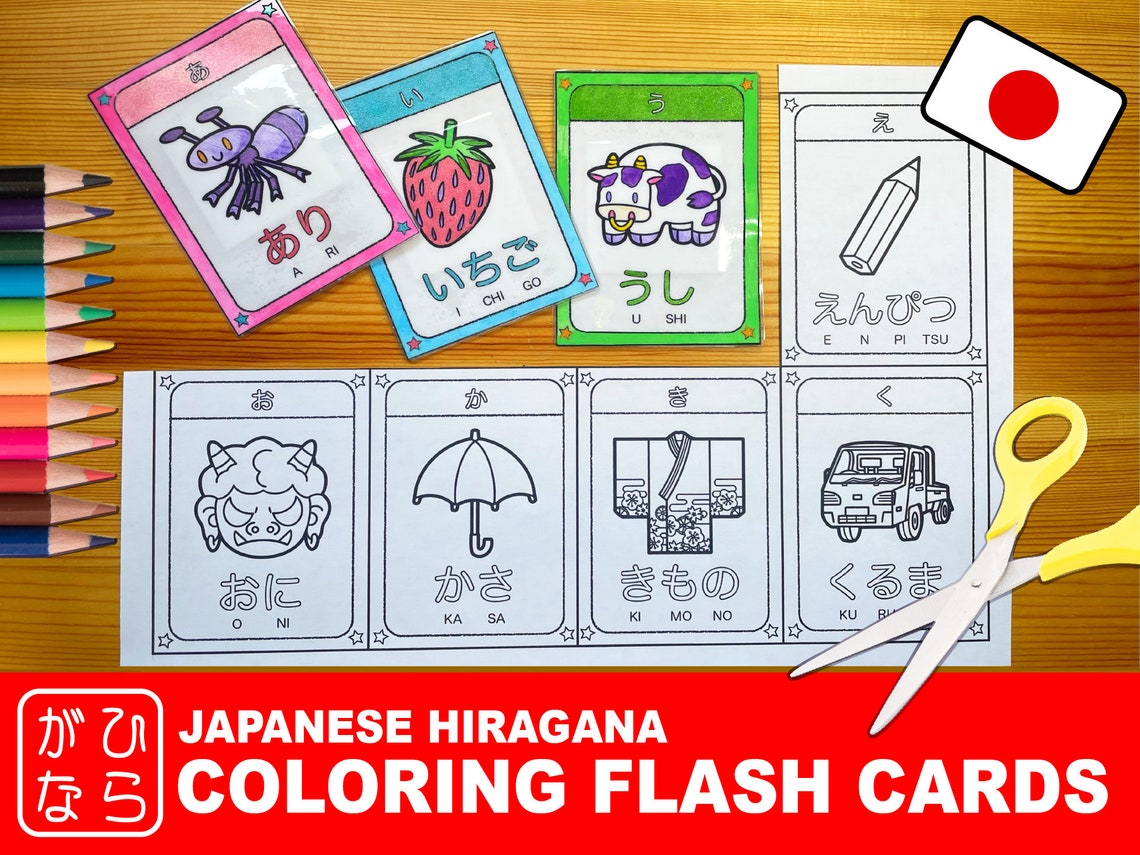
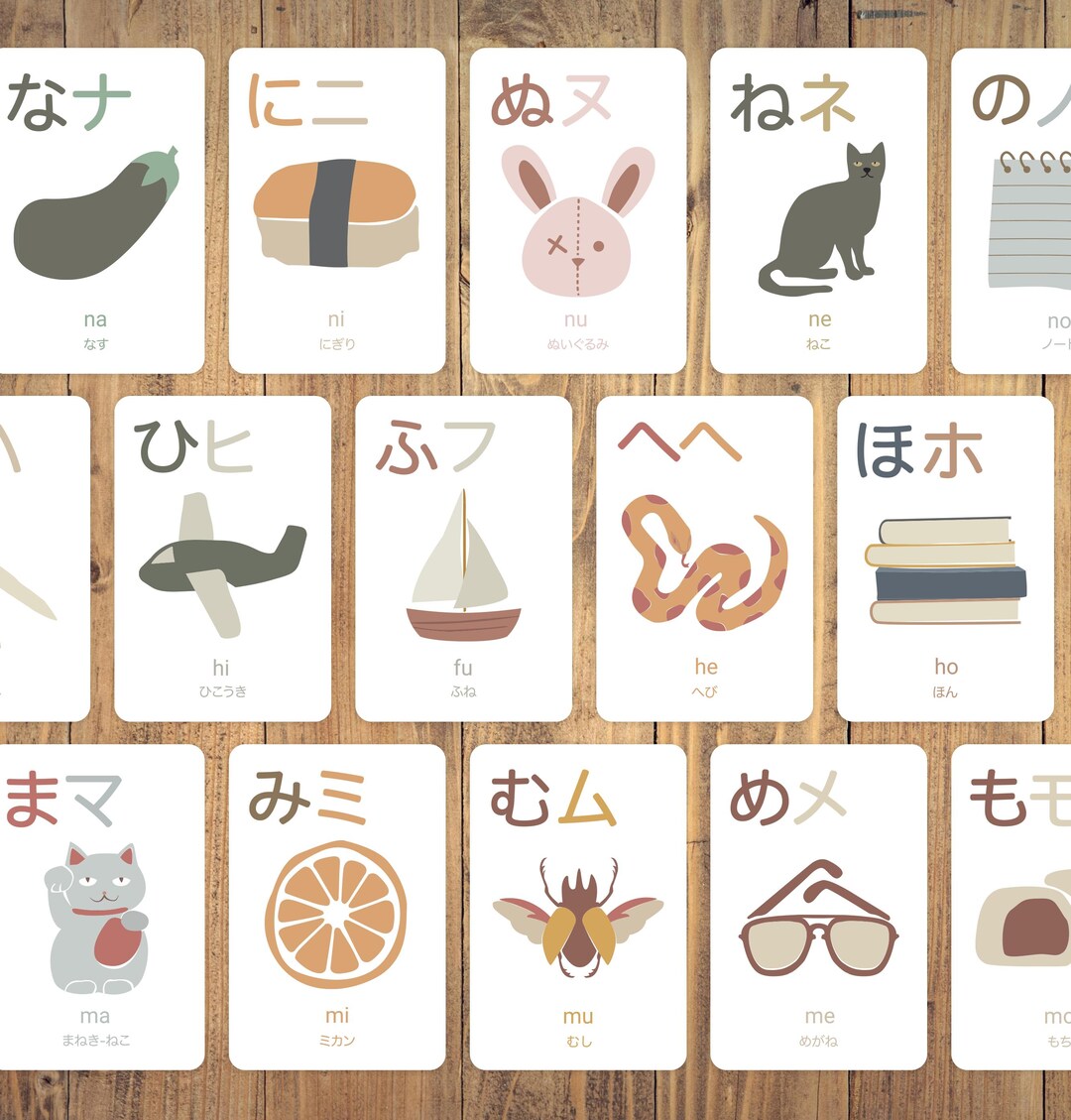
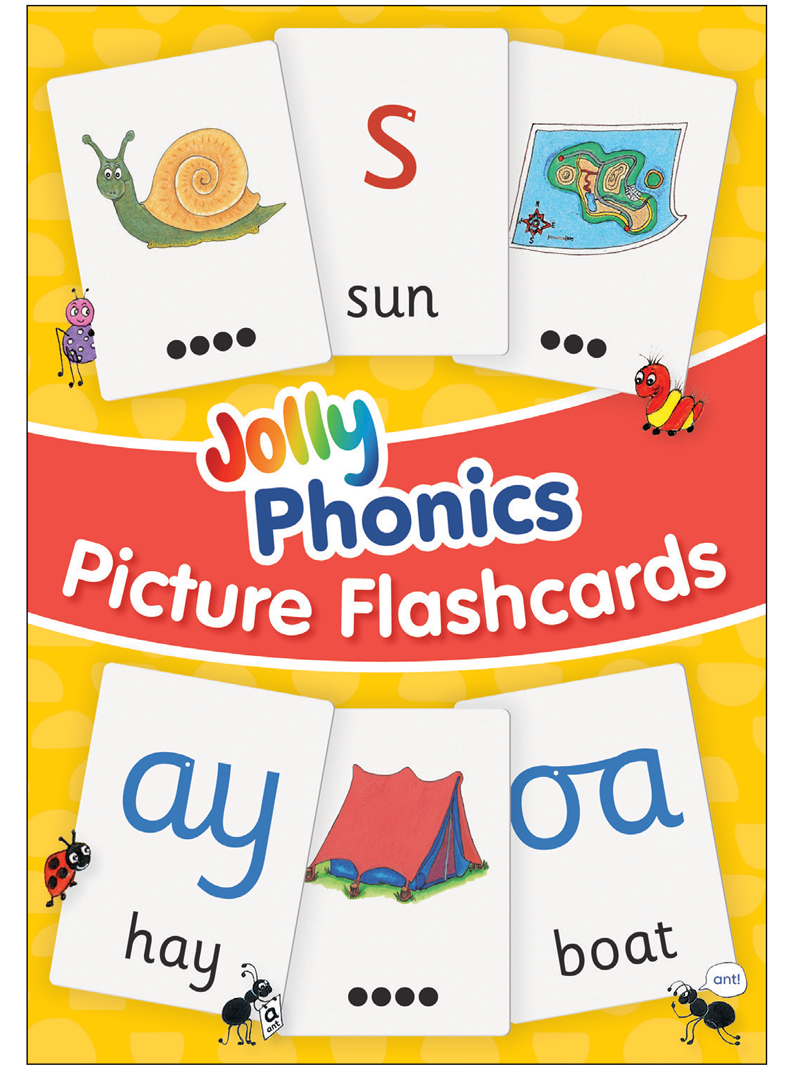
Hiragana picture flashcards combine photographic realism with phonetic stroke-based writing systems to accelerate early childhood cognitive development and visual literacy. According to the National Association for the Education of Young Children (NAEYC), multisensory visual tools significantly enhance children’s symbolic representation abilities and letter-sound association pathways. By integrating real-world photography with structured character shapes, young learners bridge concrete visual observation with abstract linguistic symbols. Early childhood educators utilize these specialized Photo Flashcards to strengthen memory retention and encourage analytical scanning habits during foundational learning phases.
Visual Learning & Skill Snapshot:
- Core Focus: Hiragana picture flashcards link photographic object recognition directly with Japanese phonetic character structures.
- Target Skill: Spatial reasoning, visual discrimination, fine-motor proportion estimation, and cross-modal symbolic mapping.
- Key Recommendation: Pair photographic mnemonic cards with printable grid templates to scaffold manual fine-motor copying accuracy.
Core Principles and Visual Learning Overview
Spatial awareness and proportional observation serve as the primary cognitive pillars when children transition from observing pictorial real-world objects to drawing complex written characters. When utilizing Grid Drawing worksheets alongside flashcards, learners break down complex curvilinear forms into manageable geometric segments. This analytical method activates the parietal lobe, enhancing visual-spatial working memory as children estimate line lengths, angles, and quadrant placements. Real photographic stimuli ground abstract concepts in tangible reality, preventing cognitive overload and supporting children with diverse learning modalities through structured visual scaffolding.
Key Specifications and Breakdown
| Age / Learning Stage | Visual Skill & Grid Ratio | Pedagogical Application & Scaffolding |
|---|---|---|
| Ages 3-4 (Early Discovery) | 1×1 Simple Grid, High-Contrast Photos | Focuses on whole-object matching, object recognition, and gross spatial orientation without writing demands. |
| Ages 5-6 (Foundational Literacy) | 2×2 Symmetric Grid, Photographic Mnemonic | Connects real photo cues to basic stroke directions, supporting fine-motor hand-eye coordination. |
| Ages 7+ (Independent Mastery) | 3×3 Detailed Grid, Standardized Characters | Enables precise proportional copying, structural analysis, and independent glyph reproduction from memory. |
Structured visual tools and spatial grid frameworks measurably improve cognitive mapping, visual-motor integration, and symbolic retention in early childhood development. — National Association for the Education of Young Children (NAEYC)
Step-by-Step Practical Application and Printing Guidelines
Executing tactile learning sessions effectively requires heavy cardstock printing, precise grid alignment, and progressive multi-sensory activities. Educators should print picture flashcards on matte cardstock to eliminate glare, reducing visual fatigue during prolonged concentration periods. Pair the physical flashcard deck with structured printable grid worksheets housed within Educational Activities portfolios. Instructors prompt children to first study the real photographic reference, trace the associated kana character in the air to engage kinesthetic memory, and finally replicate the proportional shapes block-by-block within the designated grid squares.
Common Challenges and How to Avoid Them
Children frequently struggle with proportional distortion and spatial disorientation when attempting to copy complex curves without adequate preparatory scaffolding. Prevent these frustrations by ensuring learners isolate single grid quadrants rather than attempting to render an entire character or photo simultaneously. If a child demonstrates pencil grip fatigue or spatial crowding, step back to larger 1×1 grid formats and high-contrast photographic cards before reintroducing detailed kana stroke sequences. Consistent, short-duration daily practice sessions build lasting muscle memory far more effectively than extended, fatiguing drill exercises.
💬 Frequently Asked Questions
Explore More Free Learning Printables and Visual Activities on WePhotoAgency
Access an extensive library of professional-grade visual learning tools, printable worksheets, and developmental guides by visiting WePhotoAgency.com. Dedicated parents, homeschoolers, and educators can continually expand their teaching resources with carefully curated pedagogical materials designed to inspire curiosity and foster foundational cognitive growth.
Visual Reference Gallery