Introduction
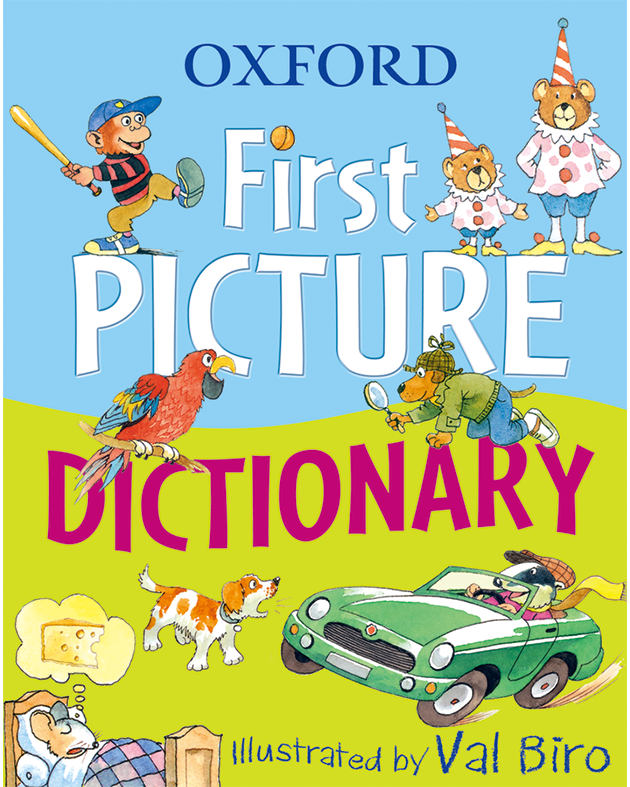
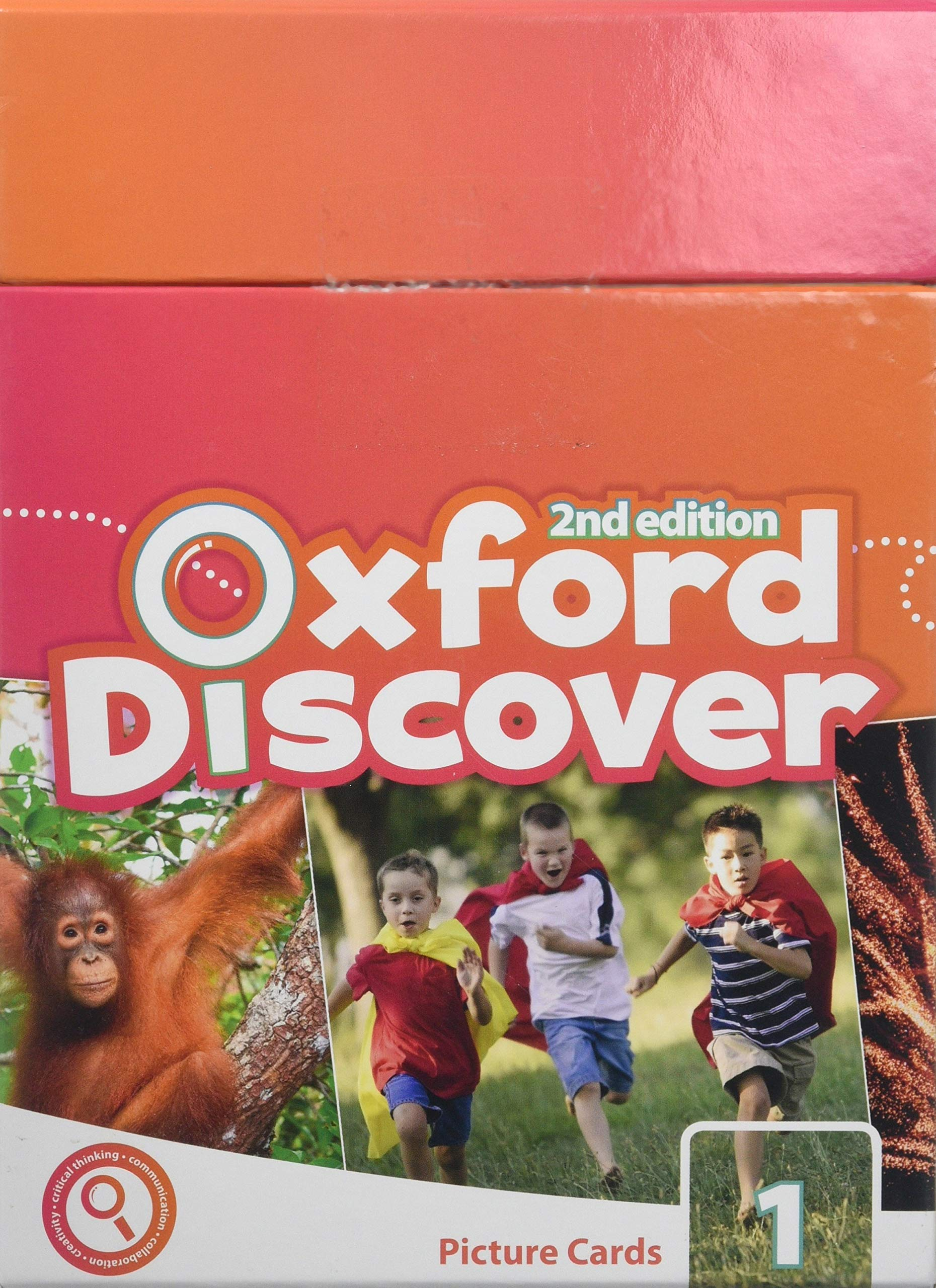
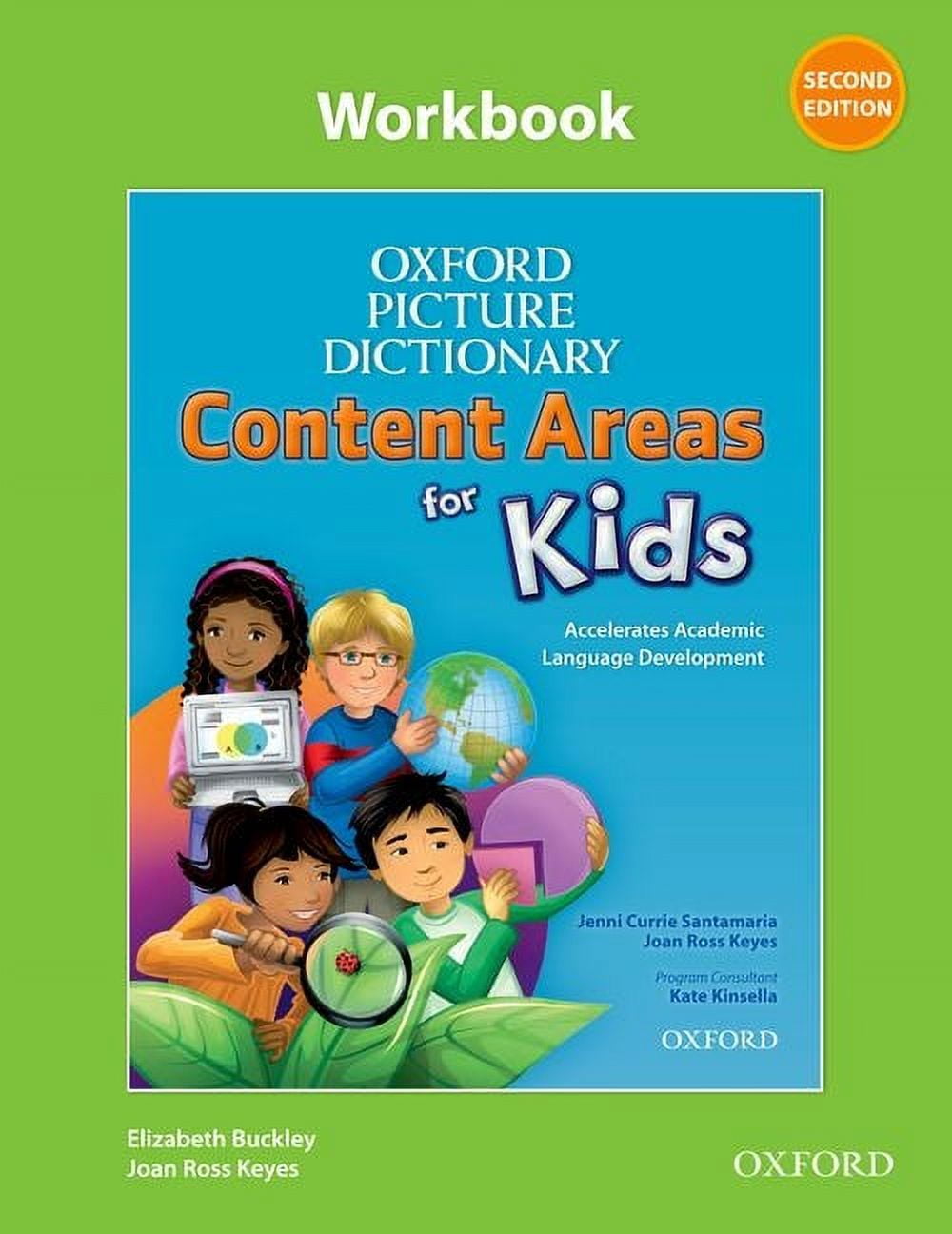
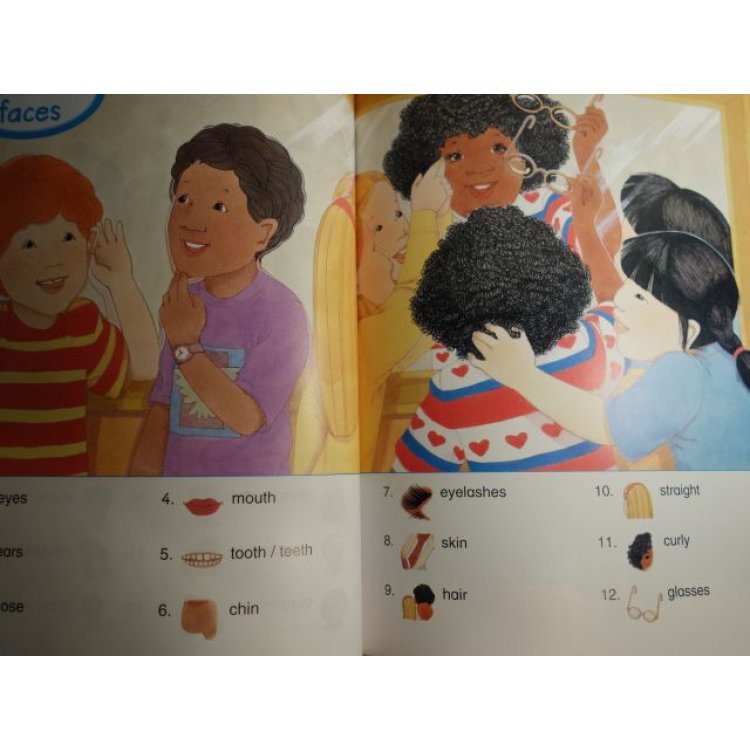
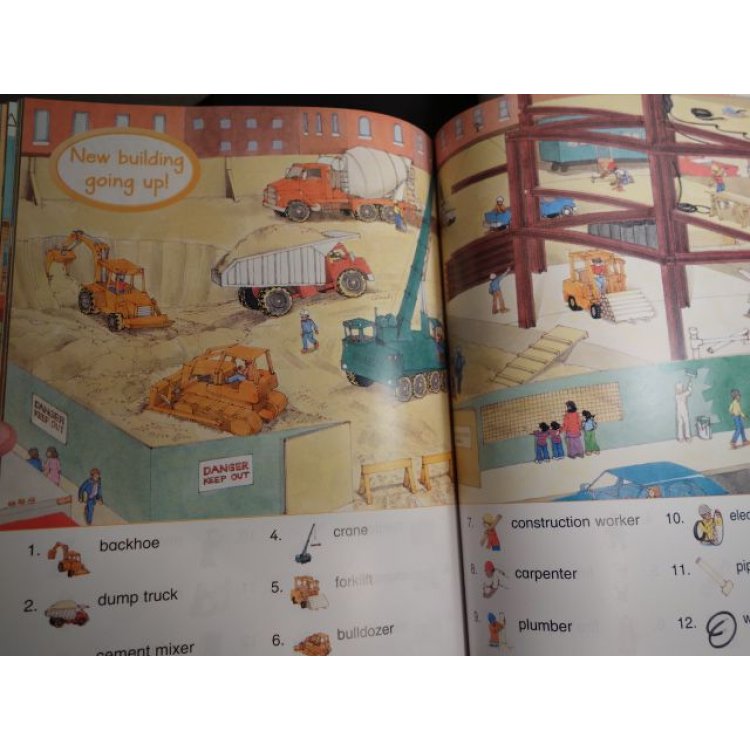
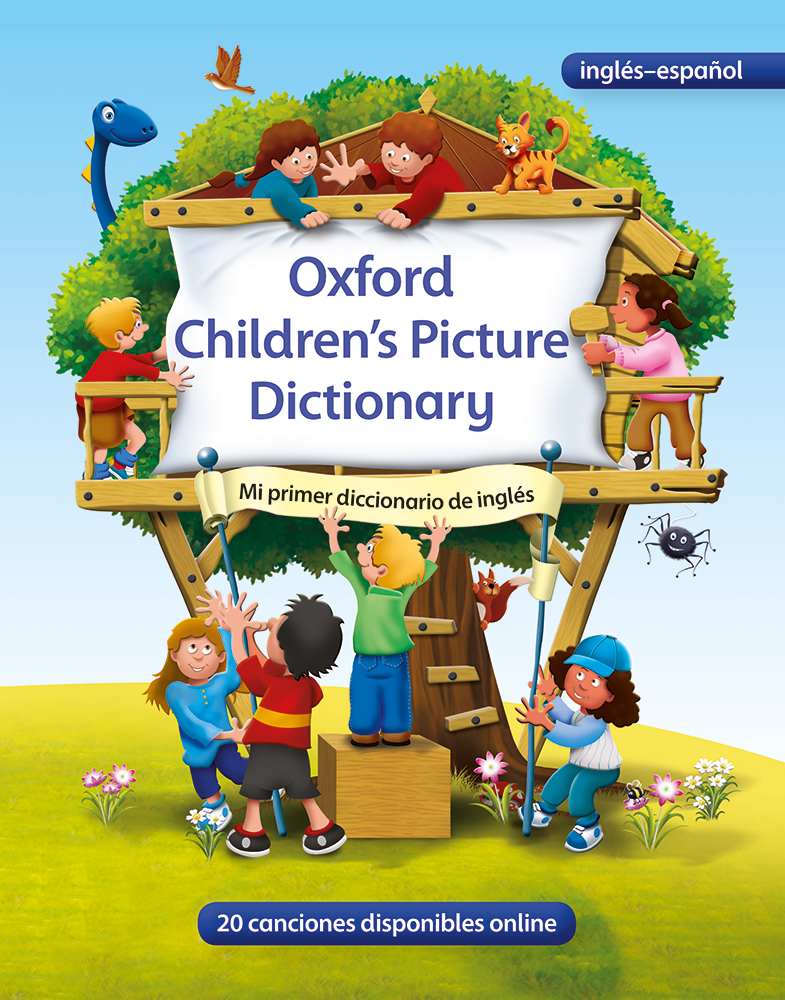
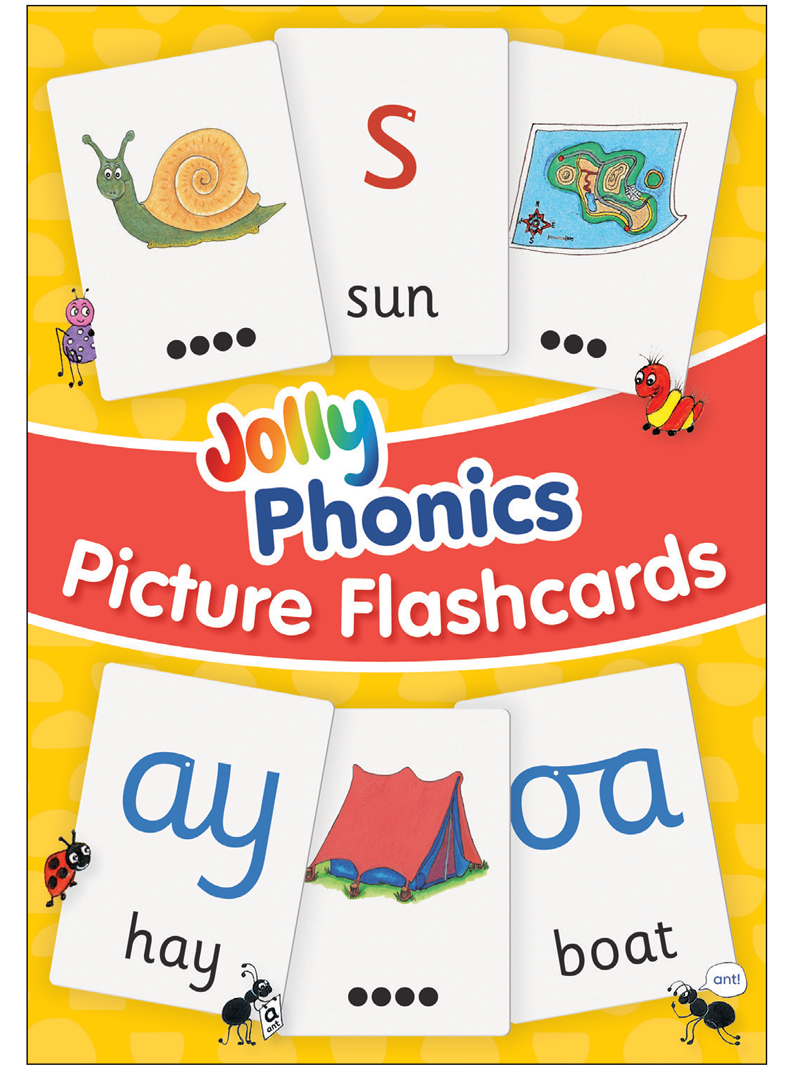
Oxford picture dictionary flashcards bridge the gap between concrete photographic imagery and abstract linguistic development by pairing high-resolution photographic representations with structured visual references. According to the National Association for the Education of Young Children (NAEYC), multi-sensory visual materials significantly accelerate early childhood cognitive development by reinforcing vocabulary retention through dual-coding theory. Educators and parents deploy these educational resources to cultivate foundational observation skills, visual discrimination, and hand-eye coordination. Integrating lexicon-based imagery into daily learning routines establishes critical connections between real-world objects and symbolic graphic forms, supporting early literacy and spatial awareness. Utilizing robust Photo Flashcards enhances this process by introducing realistic textures, accurate color representations, and clear photographic subjects to young minds.
Visual Learning & Skill Snapshot:
- Core Focus: Oxford picture dictionary flashcards link photographic reference items directly to targeted vocabulary and proportional grid structures.
- Target Skill: Spatial reasoning, visual discrimination, fine-motor proportion, and photographic concept mastery.
- Key Recommendation: Laminate high-contrast photographic cards to support durability during tactile matching and grid-transfer drawing exercises.
Core Principles and Visual Learning Overview
Oxford picture dictionary flashcards function as essential cognitive tools that train the human eye to break down complex visual stimuli into manageable geometric components. When young learners examine realistic photographs alongside structured reference grids, the brain naturally processes edges, angles, and relative sizing without cognitive overload. This foundational technique builds the mental framework required for accurate observation, proportion estimation, and fine-motor execution. Utilizing real-world images instead of cartoon illustrations ensures that children learn authentic shapes, textures, and spatial dimensions, which translates directly into superior drawing and reading readiness. Educators often pair these flashcard systems with Grid Drawing exercises to teach children how to isolate individual squares, translate visual data accurately, and replicate complex contours with high fidelity.
Key Specifications and Breakdown
| Age / Learning Stage | Visual Skill & Grid Ratio | Pedagogical Application & Scaffolding |
|---|---|---|
| Ages 3-4 (Early Explorer) | 1×1 to 2×2 grid frames with large primary photo subjects | Focuses on basic shape recognition, color identification, and simple tactile vocabulary matching. |
| Ages 5-7 (Developing Artist) | 3×3 coordinate grids with moderate-detail real photography | Teaches proportional scaling, edge-tracing, and manual hand-eye coordination via structured copy-drawing. |
| Ages 8-10 (Advanced Observer) | 4×4 or complex grids with high-detail photographic subjects | Refines precision drawing, negative space analysis, and independent visual vocabulary synthesis. |
Visual-Spatial Scaffolding Principle: Structured photographic references paired with geometric grid frameworks significantly enhance a child’s ability to estimate spatial proportions and execute accurate manual reproductions. — National Art Education Association (NAEA)
Step-by-Step Practical Application and Printing Guidelines
Oxford picture dictionary flashcards achieve maximum educational efficacy when printed on heavy cardstock (minimum 110 lb weight) and sealed with thermal lamination for repeated classroom handling. Educators begin the activity by selecting a single photograph card and placing a transparent grid overlay or a matching printed grid worksheet beside the child’s workspace. Learners examine the top-left coordinate square of the reference image, identifying intersecting lines, curves, and negative space before transferring that specific section onto their blank drawing grid. This methodical, square-by-square replication prevents cognitive fatigue, eliminates the intimidation of drawing a complete object freehand, and guarantees accurate proportional scaling. Integrating targeted Educational Activities throughout the week reinforces these observational habits, turning abstract drawing tasks into engaging, confidence-building tactile exercises.
Common Challenges and How to Avoid Them
Oxford picture dictionary flashcards can occasionally overwhelm young learners if the selected photographic subject contains excessive background clutter or competing visual noise. Educators prevent this frustration by utilizing cards featuring isolated subjects against neutral backgrounds, ensuring children can easily distinguish primary contours from secondary details. Another common hurdle involves rushing through coordinate squares without checking spatial relationships; teachers counteract this by encouraging children to use an L-shaped masking card to isolate one grid section at a time. Providing constructive feedback focused on relative positioning rather than absolute artistic perfection maintains intrinsic motivation and fosters a healthy, exploratory attitude toward visual arts and early academic challenges.
💬 Frequently Asked Questions
Explore More Free Learning Printables and Visual Activities on WePhotoAgency
Oxford picture dictionary flashcards serve as foundational building blocks for comprehensive visual literacy, spatial reasoning, and artistic confidence in young learners. Discover an extensive collection of professional-grade printable resources, structured grid templates, and real photo learning materials designed to support educators and parents by visiting WePhotoAgency.com today.
Visual Reference Gallery