Introduction
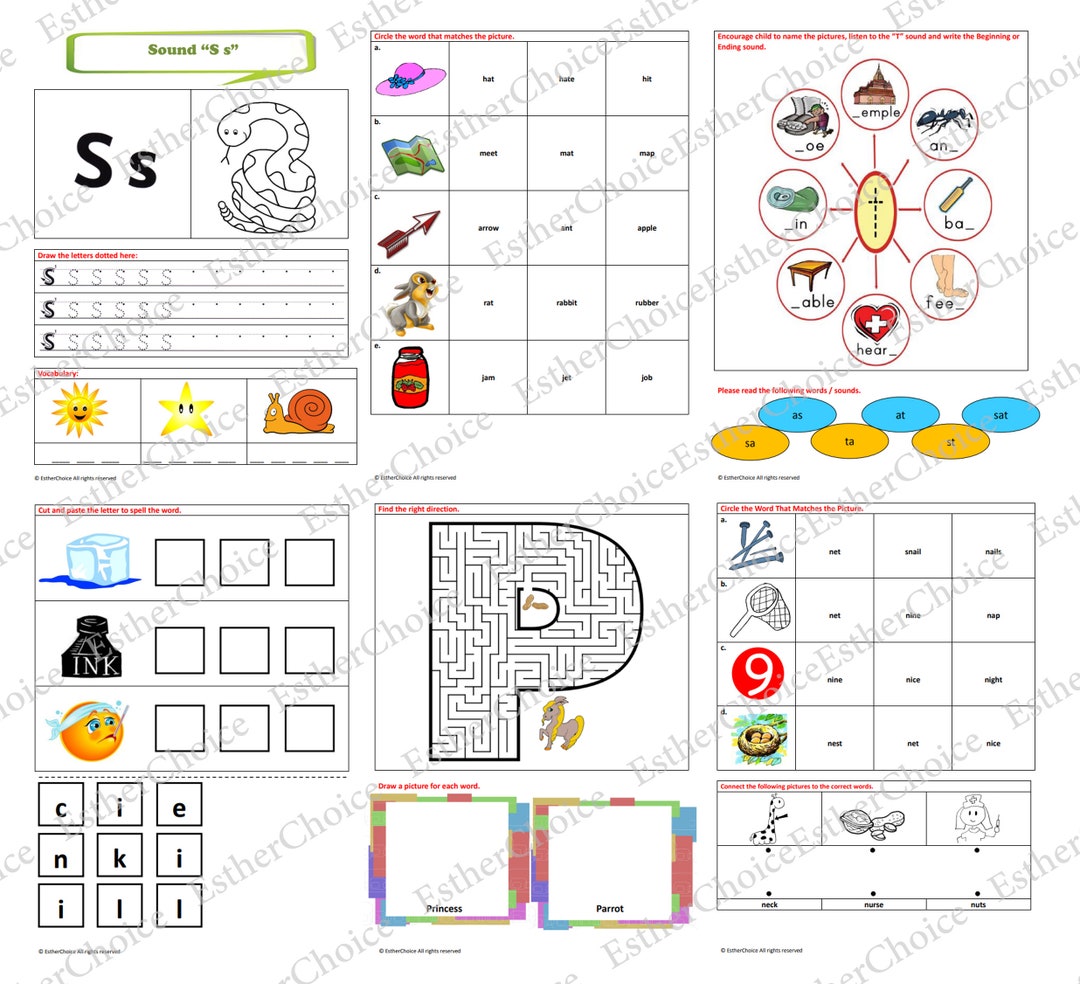
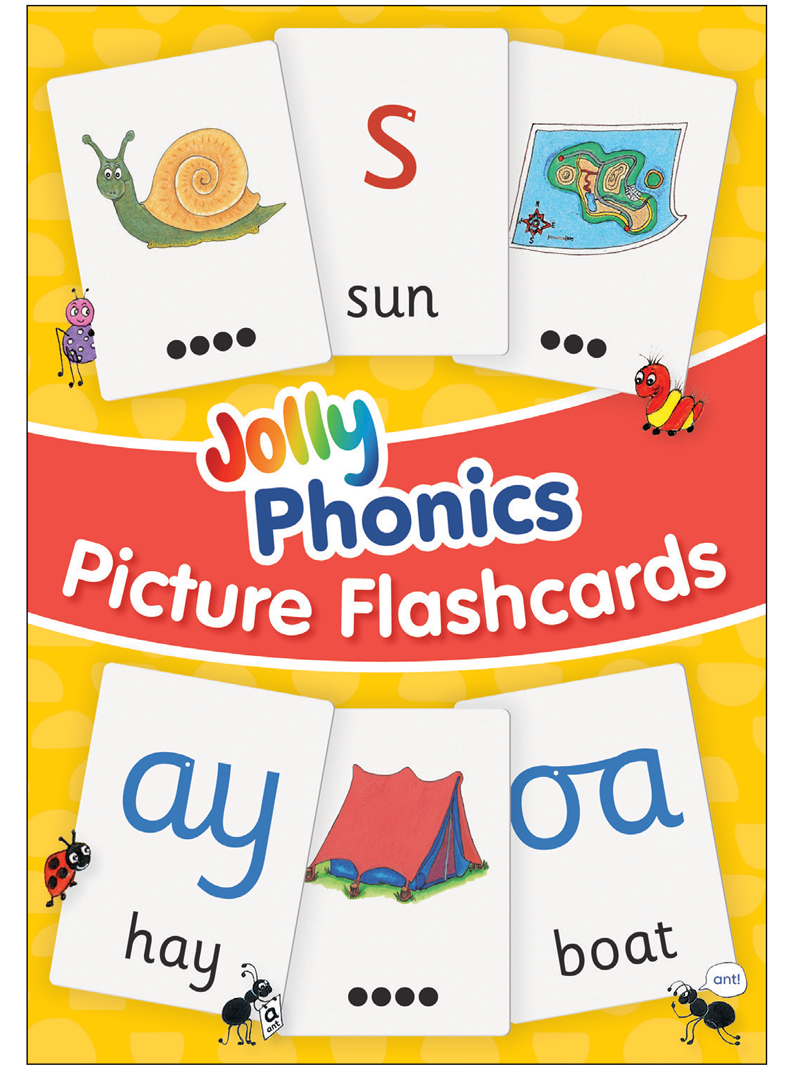
Phonics flashcards printable jolly phonics resources combine multisensory letter-sound recognition with structured visual spatial training to accelerate early literacy and cognitive development. According to the National Association for the Education of Young Children (NAEYC), integrating targeted visual-spatial activities with explicit phonics instruction significantly strengthens letter retention, fine-motor control, and decoding fluency in early childhood. Educators, homeschoolers, and parents utilize these printable multi-modal tools to bridge abstract linguistic symbols with concrete visual and tactile experiences. Leveraging authentic visual resources such as Photo Flashcards enhances semantic memory and observational accuracy during formative learning windows.
Visual Learning & Skill Snapshot:
- Core Focus: Multisensory decoding paired with spatial grid observation.
- Target Skill: Spatial reasoning, visual discrimination, fine-motor proportion, and phoneme-grapheme mapping.
- Key Recommendation: Laminate printable cards and pair them with physical grid-drawing exercises to anchor abstract sounds in physical space.
Core Principles and Visual Learning Overview
Visual-spatial decoding relies heavily on the brain’s ability to translate complex graphic symbols into recognizable phonemic sounds while simultaneously analyzing geometric proportions. By integrating structured Grid Drawing worksheets alongside standard letter cards, children learn to break down complex letter shapes into manageable coordinate segments. This cross-disciplinary approach activates both the visual cortex and the motor planning centers of the brain. When learners observe real photographic references instead of flat cartoons, cognitive load decreases, allowing faster concept acquisition and superior long-term memory retention across varied educational environments.
Key Specifications and Breakdown
| Age / Learning Stage | Visual Skill & Grid Ratio | Pedagogical Application & Scaffolding |
|---|---|---|
| Ages 3–4 (Pre-K) | 1×1 Simple Grid / Basic Shape Recognition | Focuses on gross motor letter tracking, matching photographic real-world objects to initial phoneme sounds. |
| Ages 5–6 (Kindergarten) | 2×2 Coordinate Grid / Proportion Estimation | Teaches fine-motor pencil control, letter-form symmetry, and multi-sensory Jolly Phonics sound-action pairing. |
| Ages 7–8 (Early Elementary) | 3×3 Complex Grid / Advanced Observation | Enhances independent decoding, visual spatial planning, and cross-curricular writing integration. |
Structured visual tools and multisensory phonics systems measurably improve working memory capacity and cognitive mapping speed by requiring simultaneous activation of visual, auditory, and motor pathways. — National Association for the Education of Young Children (NAEYC)
Step-by-Step Practical Application and Printing Guidelines
Executing effective literacy sessions requires high-contrast printing, durable cardstock lamination, and systematic scaffolding that moves from simple observation to independent drawing. Begin by selecting high-resolution printable files that feature clear, uncrowded letter representations alongside authentic photographic cues. Cut the materials cleanly and organize them in structured trays to support independent exploration. Introduce the grid-drawing sheets alongside the phonics cards by having learners first trace the outer contours with a finger, then replicate the proportional shapes block-by-block inside the corresponding grid squares. This sequential method reinforces spatial awareness while cementing the targeted letter-sound relationship through deliberate motor execution.
Common Challenges and How to Avoid Them
Rushing through fine-motor proportion exercises or introducing too many abstract sounds simultaneously often leads to cognitive fatigue and letter reversal habits. Prevent frustration by limiting sessions to short, five-minute intervals and pairing each phonics sound with a distinct physical gesture and visual grid check. If a child struggles to reproduce letter proportions correctly within a grid cell, scale back to a larger single-box template before returning to multi-cell worksheets. Consistent, low-pressure exposure combined with tactile tracing ensures steady developmental progress without overwhelming young cognitive processing limits.
💬 Frequently Asked Questions
Explore More Free Learning Printables and Visual Activities on WePhotoAgency
Expanding early childhood curricula with high-quality, printable educational tools supports comprehensive cognitive growth across all developmental domains. Discover additional multi-sensory teaching aids, observational drawing guides, and structured Educational Activities designed to inspire young learners by visiting WePhotoAgency.com.
Visual Reference Gallery