Introduction
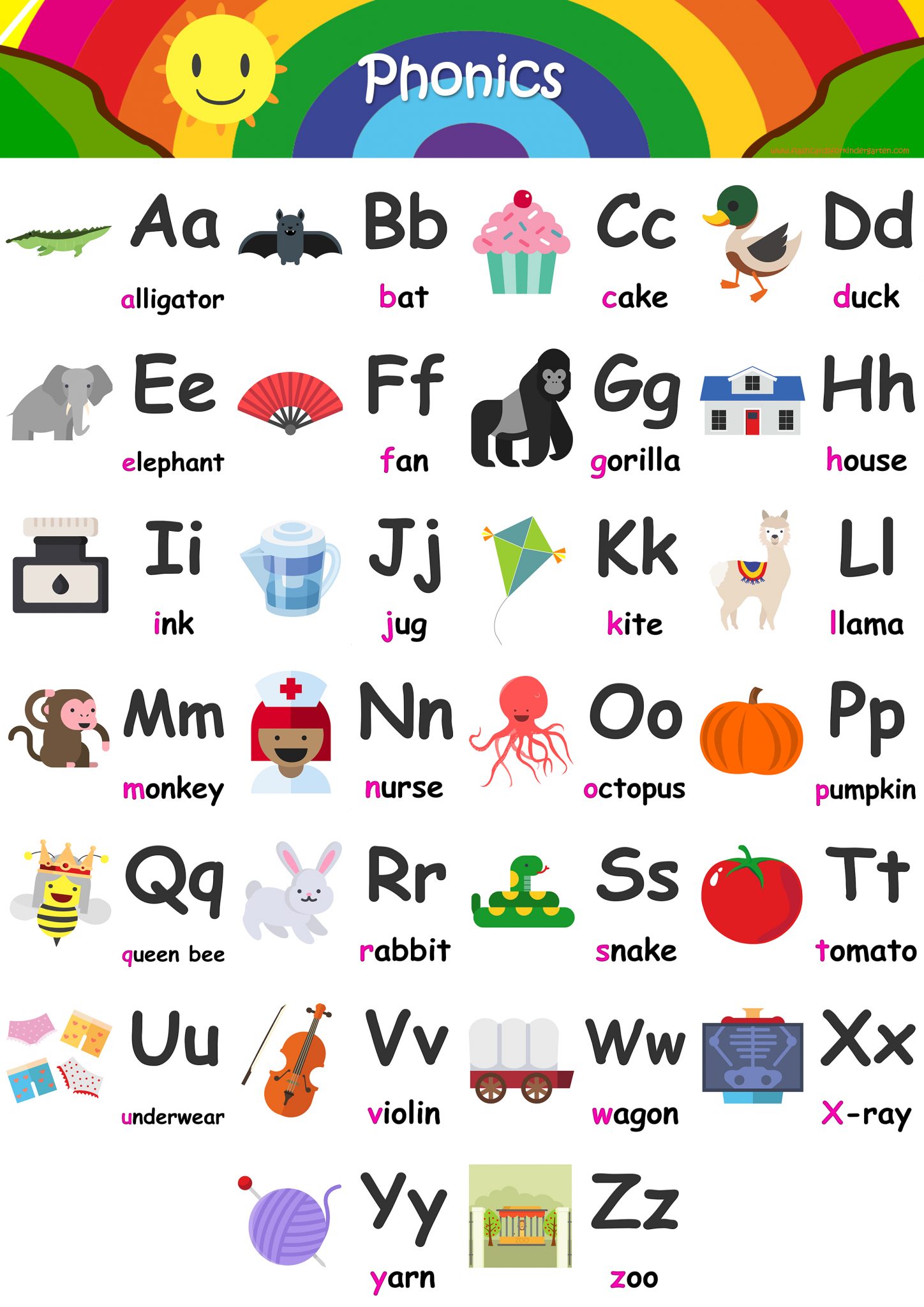
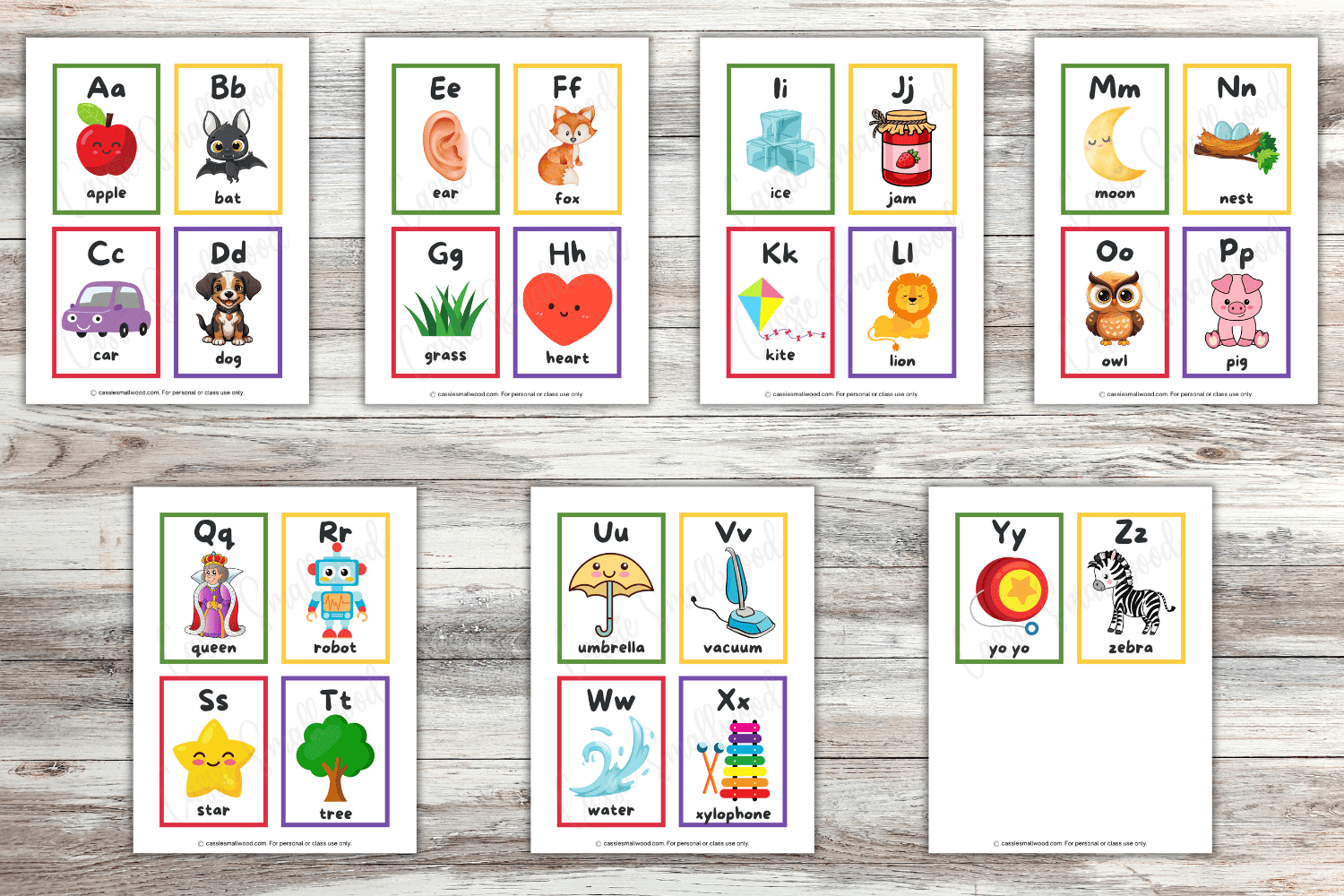
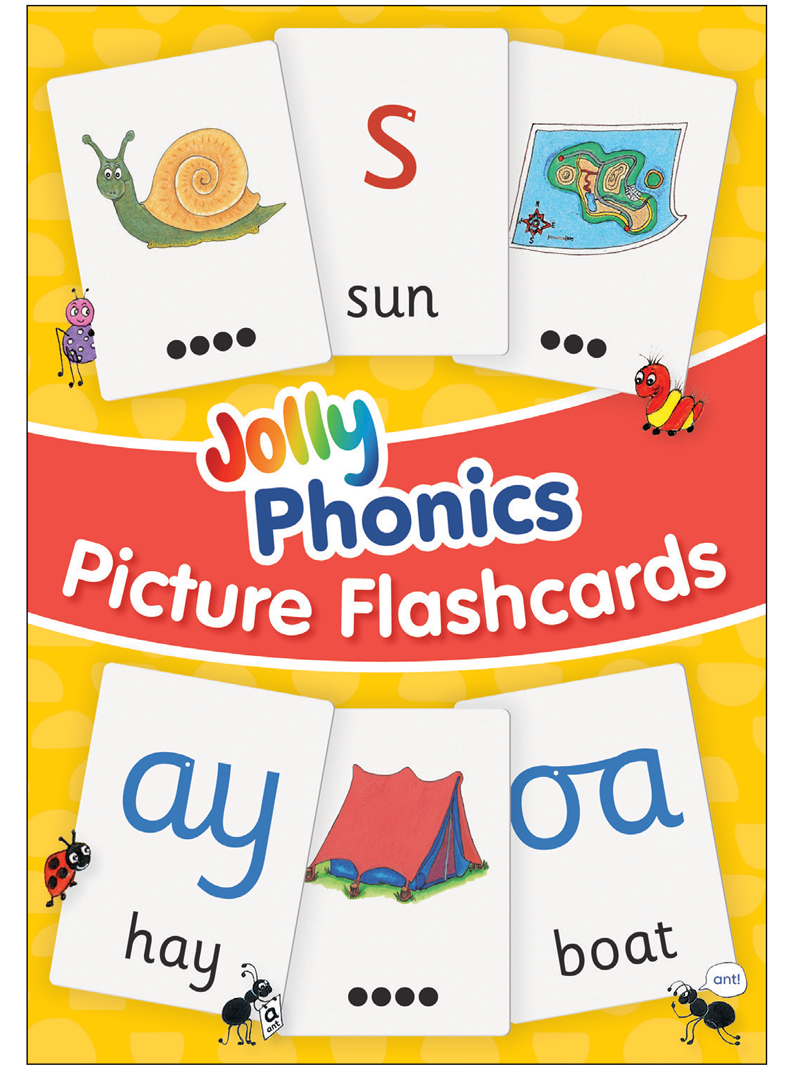
Phonics picture flashcards utilize authentic photographic imagery paired with letter symbols to bridge visual recognition and phonemic awareness in early childhood education. According to the National Association for the Education of Young Children (NAEYC), multi-sensory visual tools significantly accelerate symbolic decoding and cognitive mapping during formative developmental years. When integrated with structured Photo Flashcards, young learners connect real-world objects directly to linguistic sounds, strengthening both observation skills and early literacy foundations.
Visual Learning & Skill Snapshot:
- Core Focus: Phonics picture flashcards bridge photographic visual stimuli with phonetic letter recognition.
- Target Skill: Spatial reasoning, visual discrimination, fine-motor proportion estimation, and phonemic awareness.
- Key Recommendation: Pair real-world photographic cards with grid-based reproduction exercises to enhance cognitive mapping.
Core Principles and Visual Learning Overview
Visual-spatial processing forms the neurological foundation through which children decode both written language and graphical representations. Phonics picture flashcards bypass abstract symbol confusion by anchoring letters to concrete photographic references. This dual-coding method engages both the visual and verbal processing centers of the developing brain. Educators leverage these tools alongside printable Grid Drawing worksheets to teach children how to analyze constituent shapes, measure spatial ratios, and reproduce accurate proportions. Utilizing real photographic imagery rather than cartoon illustrations ensures that children build authentic mental models of objects encountered in the physical environment, directly supporting scalable cognitive development across multiple disciplines.
Key Specifications and Breakdown
| Age / Learning Stage | Visual Skill & Grid Ratio | Pedagogical Application & Scaffolding |
|---|---|---|
| Ages 3-4 (Early Explorer) | 2×2 simple grid, whole-object focus | Focuses on basic contour matching and gross visual discrimination of photographic subjects. |
| Ages 5-6 (Kindergarten Foundation) | 3×3 intermediate grid, proportional mapping | Integrates letter-sound correspondence with fine-motor pencil control and spatial placement. |
| Ages 7+ (Early Elementary) | 4×4 complex grid, detail-oriented observation | Enhances analytical breaking down of complex photographic assets into manageable geometric components. |
Visual-spatial integration directly supports cognitive schema development and executive functioning by demanding simultaneous analysis and fine-motor execution — National Art Education Association (NAEA)
Step-by-Step Practical Application and Printing Guidelines
Executing effective visual learning sessions requires high-contrast printing, clean physical organization, and gradual scaffolding of complexity. Educators should print phonics picture flashcards on heavyweight cardstock to prevent transparency and ensure durability during tactile handling. Begin by introducing a single phonics card alongside a matching grid worksheet, guiding the child to identify key visual landmarks such as top edges, center points, and corner alignments. Instruct learners to replicate the photographic subject coordinate-by-coordinate, reinforcing proportion estimation. As proficiency grows through targeted Educational Activities, reduce verbal prompting to encourage independent spatial deduction, observational accuracy, and self-correction during drawing execution.
Common Challenges and How to Avoid Them
Children frequently struggle with proportion distortion and spatial displacement when first transitioning from photographic flashcards to grid-based drawing sheets. Overcoming this hurdle involves explicitly teaching learners to scan individual grid squares rather than attempting to draw the entire photographic subject at once. Educators should discourage rushing and instead provide physical framing tools, such as window cards or fingers, to isolate specific sections of the phonics picture flashcards. Patience, structured verbal questioning regarding spatial positioning, and positive reinforcement regarding line placement ensure sustained engagement and steady developmental progress.
💬 Frequently Asked Questions
Explore More Free Learning Printables and Visual Activities on WePhotoAgency
Discover an extensive library of professional visual learning resources, printable flashcards, and structured creative assets designed for educators and parents by visiting WePhotoAgency.com. Access thousands of high-resolution materials tailored to foster early childhood cognitive development.
Visual Reference Gallery