Introduction
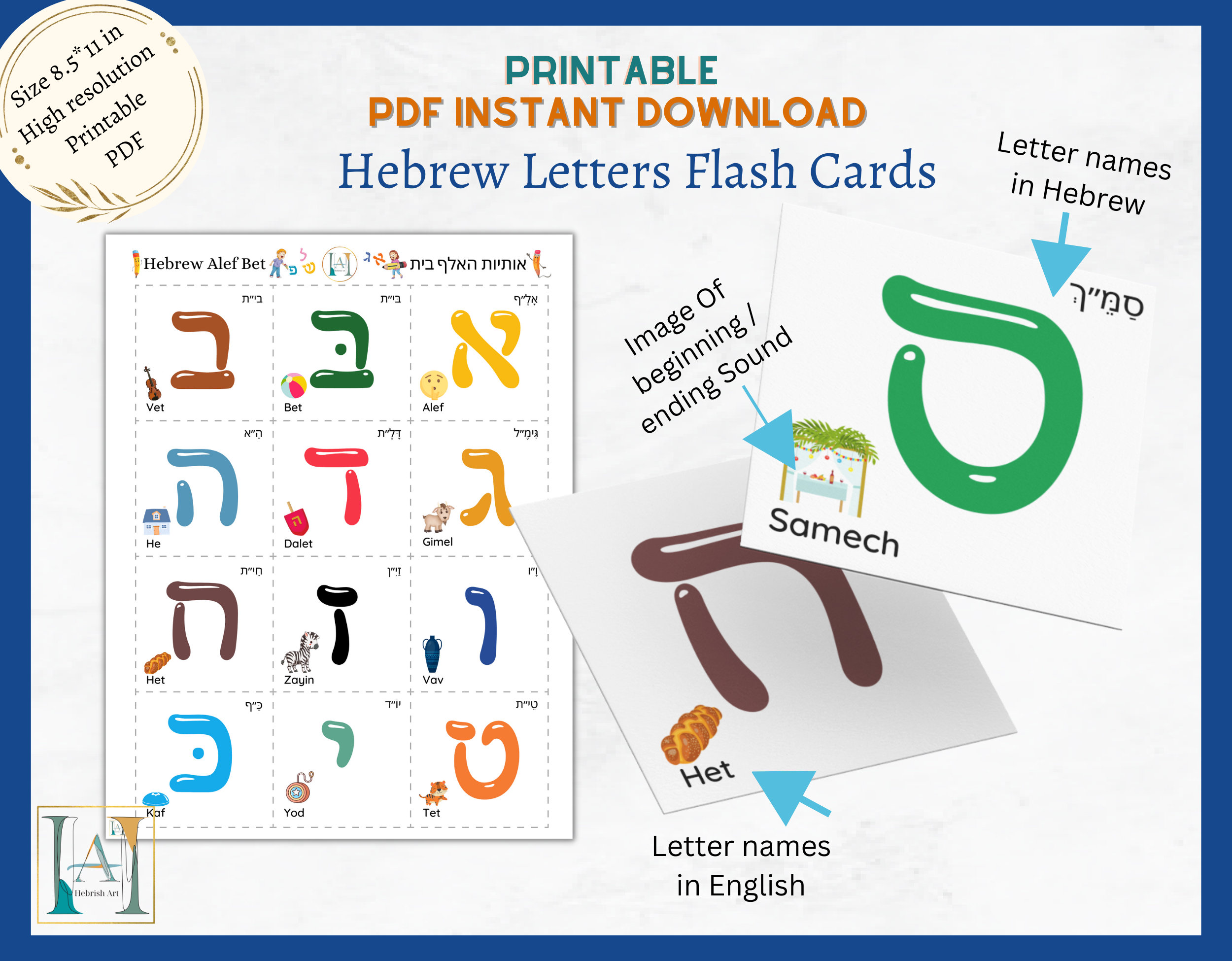
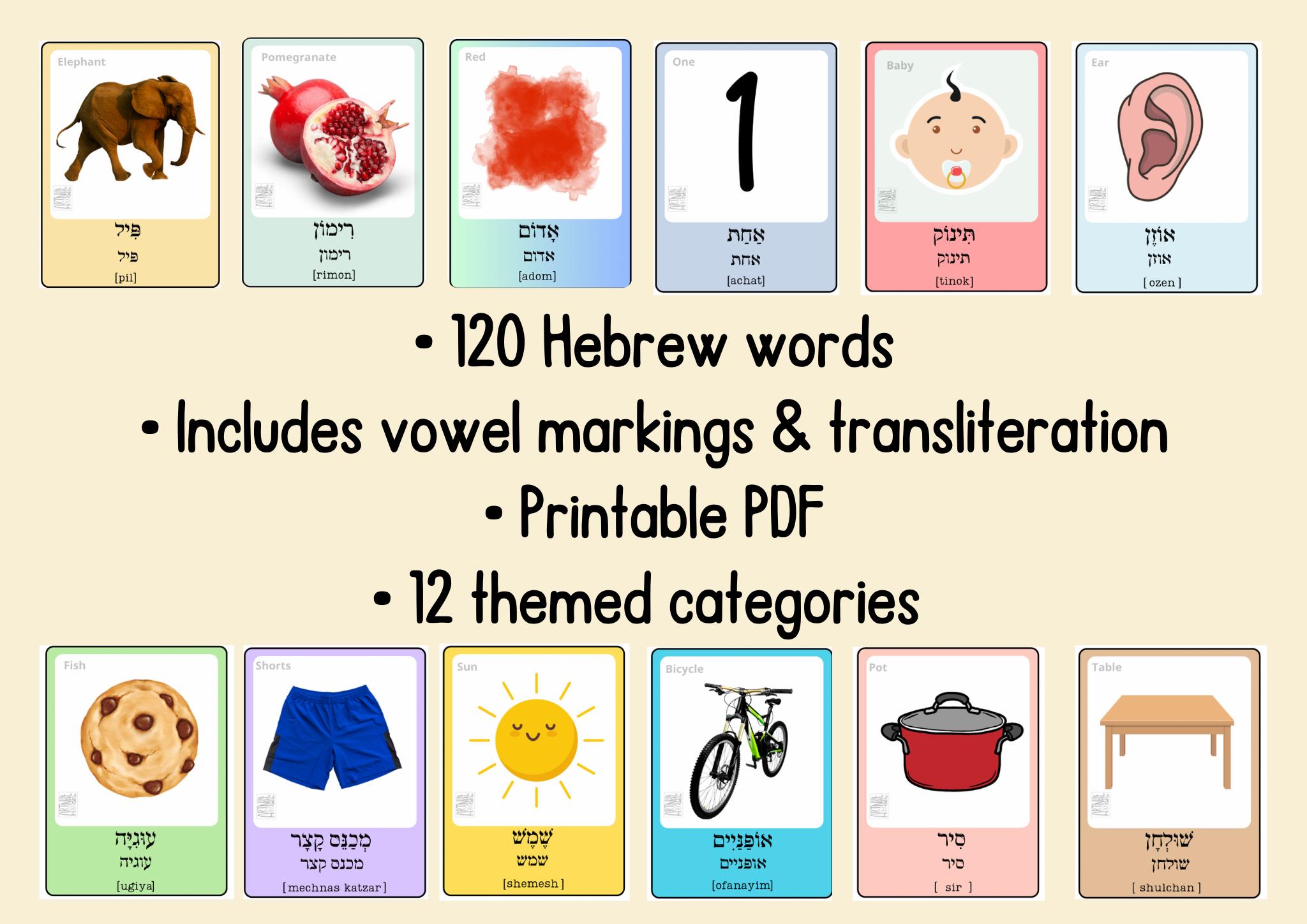
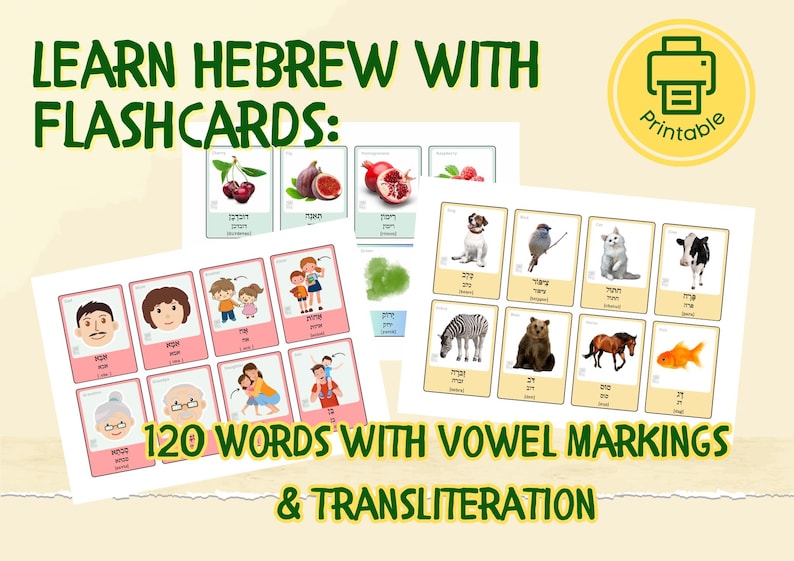
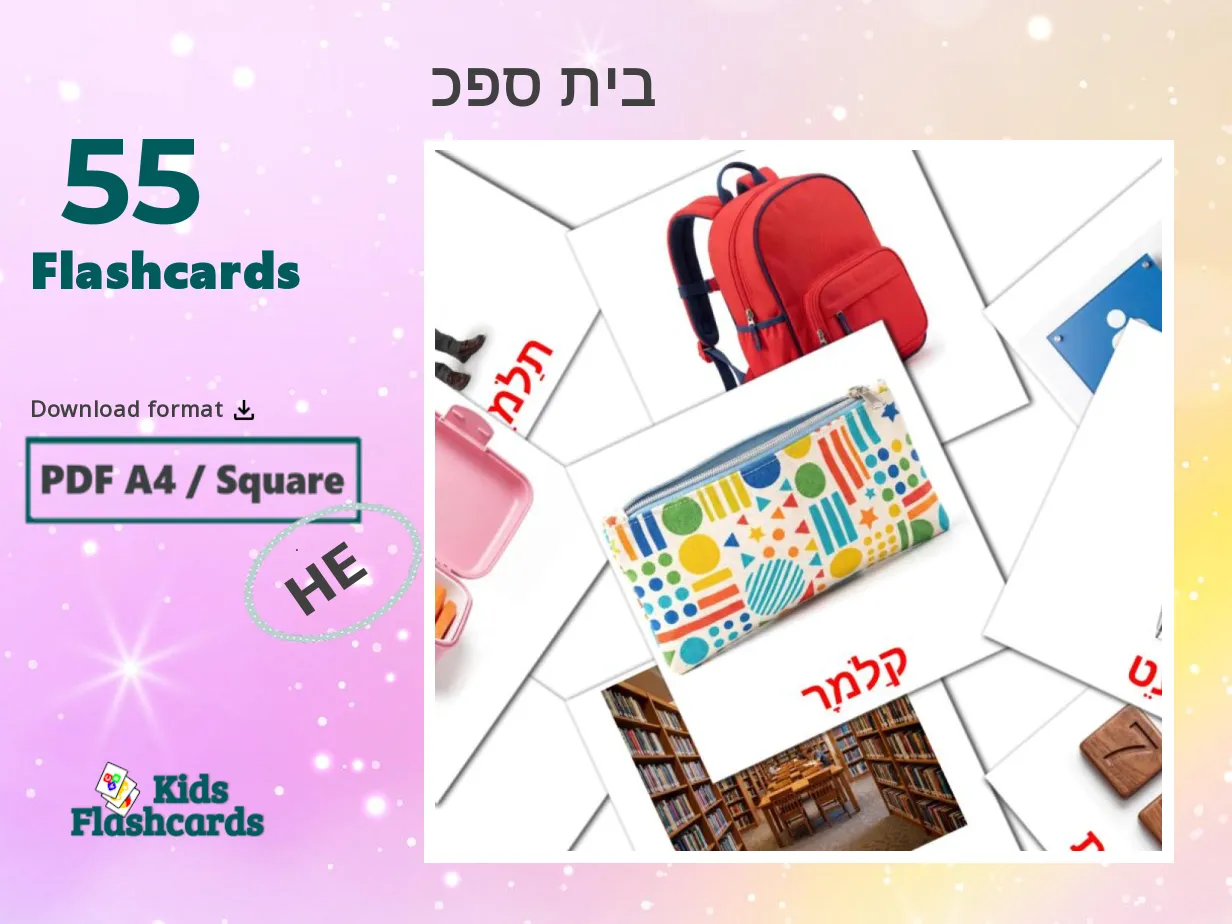
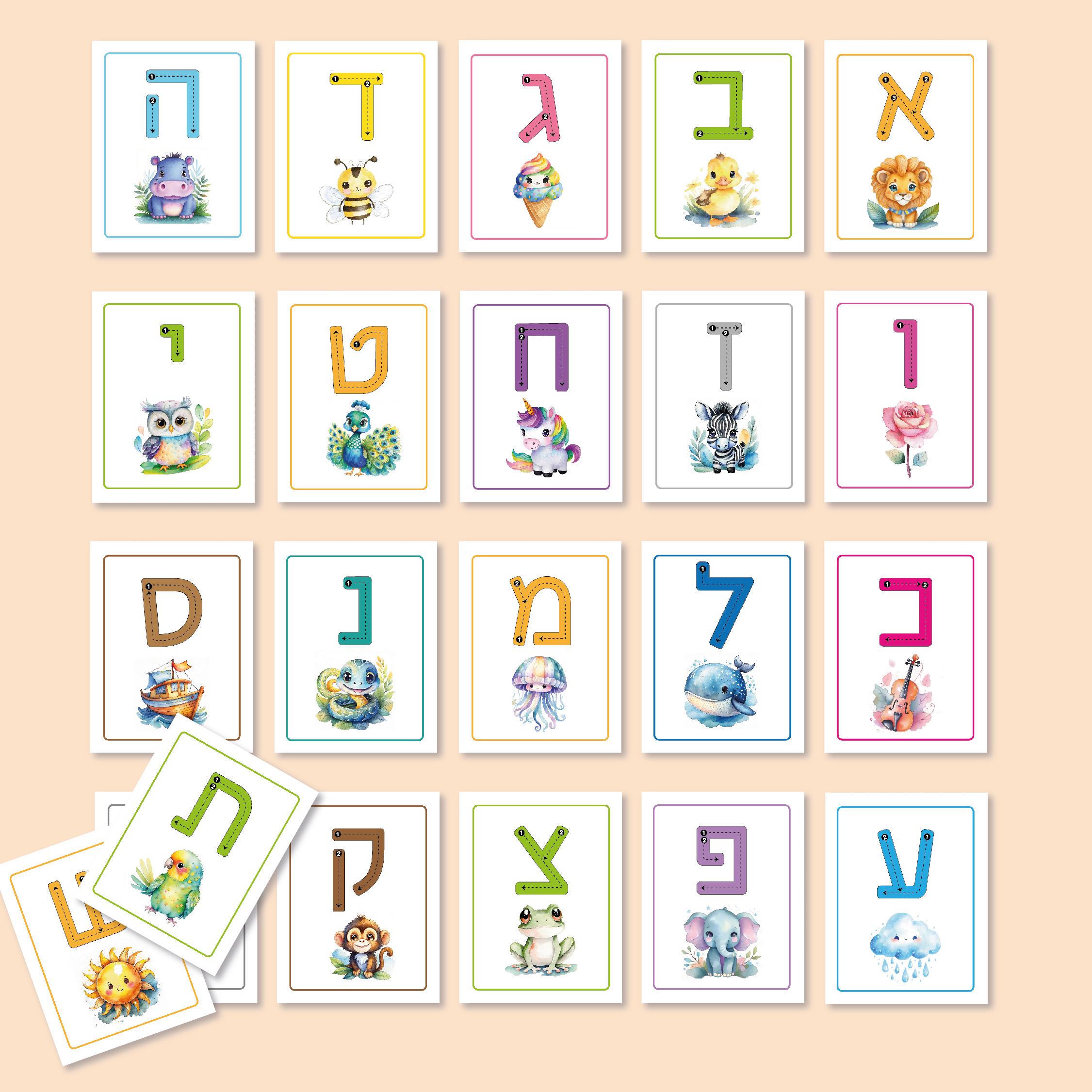
Free printable hebrew flashcards pdf resources integrate high-resolution photographic imagery with structured letterform geometry to accelerate dual-language acquisition and cognitive visual processing in early childhood. According to the National Association for the Education of Young Children (NAEYC), multi-sensory visual learning tools systematically improve symbolic retention and spatial orientation among developing minds. Utilizing carefully formatted digital files allows educators and parents to produce durable, high-contrast pedagogical materials without specialized manufacturing equipment. This method bridges abstract linguistic symbols with concrete visual markers, reinforcing foundational literacy skills through direct observation and tactile manipulation. Exploring specialized collections via Photo Flashcards provides immediate access to structured imagery designed to enhance cognitive mapping.
Visual Learning & Skill Snapshot:
- Core Focus: Free printable hebrew flashcards pdf files combine real photo references with letterform grids to drive multi-sensory cognitive retention.
- Target Skill: Spatial reasoning, visual discrimination, fine-motor proportion estimation, and early bilingual symbol recognition.
- Key Recommendation: Laminate heavy cardstock sheets to ensure long-term durability during repeated tracing and grid-drawing exercises.
Core Principles and Visual Learning Overview
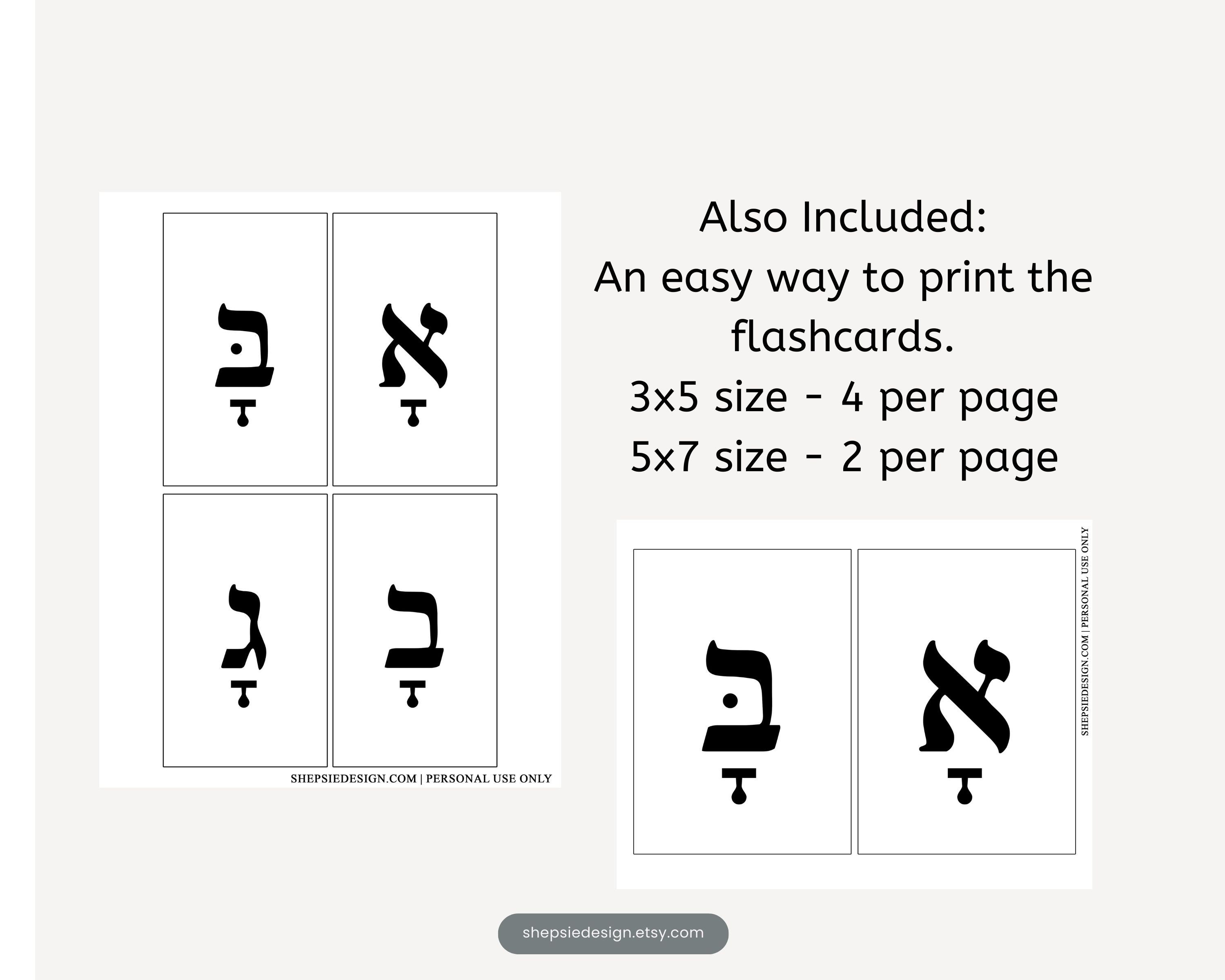
Spatial reasoning and visual discrimination are fundamentally strengthened when children analyze letter shapes alongside realistic photographic references using structured grid systems. Free printable hebrew flashcards pdf downloads offer an optimal framework for this cognitive bridge, translating complex abstract scripts into manageable visual coordinates. By deploying Grid Drawing methodologies alongside traditional alphabetic cards, young learners break down intricate curves and intersecting straight lines into distinct spatial segments. This rigorous practice cultivates proportional accuracy, hand-eye coordination, and acute observational skills essential for both artistic development and linguistic literacy.
Key Specifications and Breakdown
| Age / Learning Stage | Visual Skill & Grid Ratio | Pedagogical Application & Scaffolding |
|---|---|---|
| Ages 3 to 4 (Early Preschool) | Basic 2×2 grid ratio with large, high-contrast photographic anchors. | Focuses on broad visual matching, color association, and pointing to real-world objects linked to initial Hebrew sounds. |
| Ages 5 to 6 (Kindergarten) | Standard 3×3 proportional grid with detailed letterform outlines. | Supports fine-motor pencil control, segment-by-segment copying, and early phonetic decoding paired with photo flashcards. |
| Ages 7 to 8 (Early Elementary) | Advanced proportional grids without rigid boundary lines for independent replication. | Encourages freehand letter proportion estimation, vocabulary expansion, and structural self-correction during structured Educational Activities. |
Visual-Spatial Integration Principle: Structured grid systems combined with authentic photographic references significantly enhance symbolic decoding speeds and fine-motor precision in early childhood education. — National Art Education Association (NAEA)
Step-by-Step Practical Application and Printing Guidelines
Maximizing the educational efficacy of downloadable visual aids requires proper paper selection, precise scaling, and protective finishing techniques. Instructors should print documents at 100 percent scale without page-scaling adjustments to maintain exact grid proportions and letter dimensions. Using heavy matte cardstock (at least 110 lb weight) prevents ink bleed-through and ensures that physical manipulatives withstand repeated handling during daily learning sessions. After printing, applying a thermal laminate seal preserves the surface for dry-erase marker practice, transforming static pages into dynamic, reusable canvases for ongoing spatial drawing exercises.
Common Challenges and How to Avoid Them
Rushing through proportional scaling without establishing baseline spatial coordinates often leads to visual frustration and distorted letterform replication among young learners. Educators can prevent this hurdle by introducing foundational grid concepts slowly, encouraging children to trace contour lines with a finger before applying a writing instrument. Furthermore, ensuring optimal printer contrast prevents photographic shadows from obscuring fine linguistic details, keeping the learning material clear, accessible, and cognitively engaging.
💬 Frequently Asked Questions
Explore More Free Learning Printables and Visual Activities on WePhotoAgency
Expanding early childhood curricula with high-quality visual resources empowers educators and parents to cultivate well-rounded cognitive, artistic, and linguistic skills in every learning environment. Discover a vast library of professionally curated worksheets, drawing templates, and photographic aids by visiting the primary collection at WePhotoAgency.com to elevate daily instructional routines.
Visual Reference Gallery