Introduction
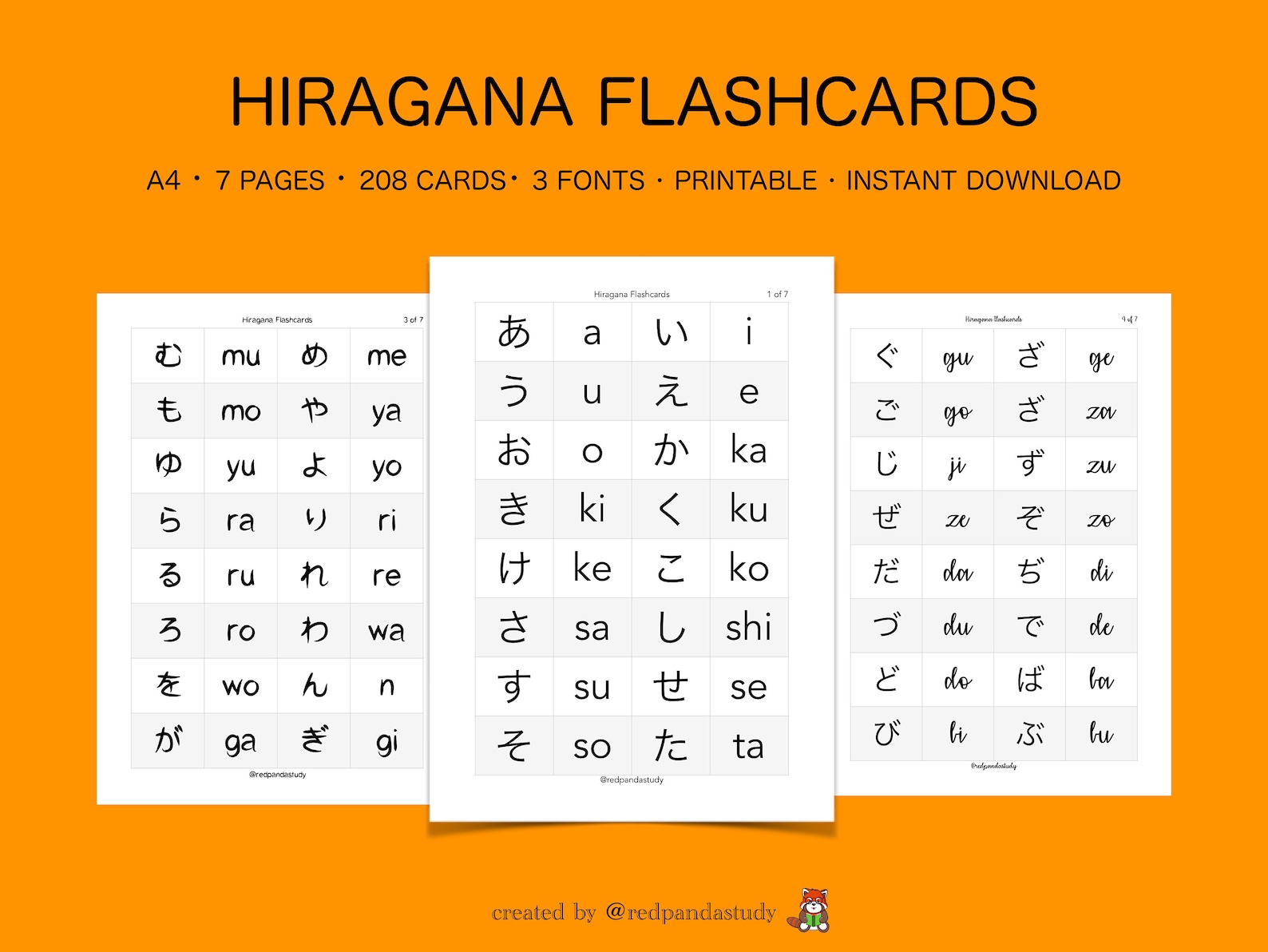
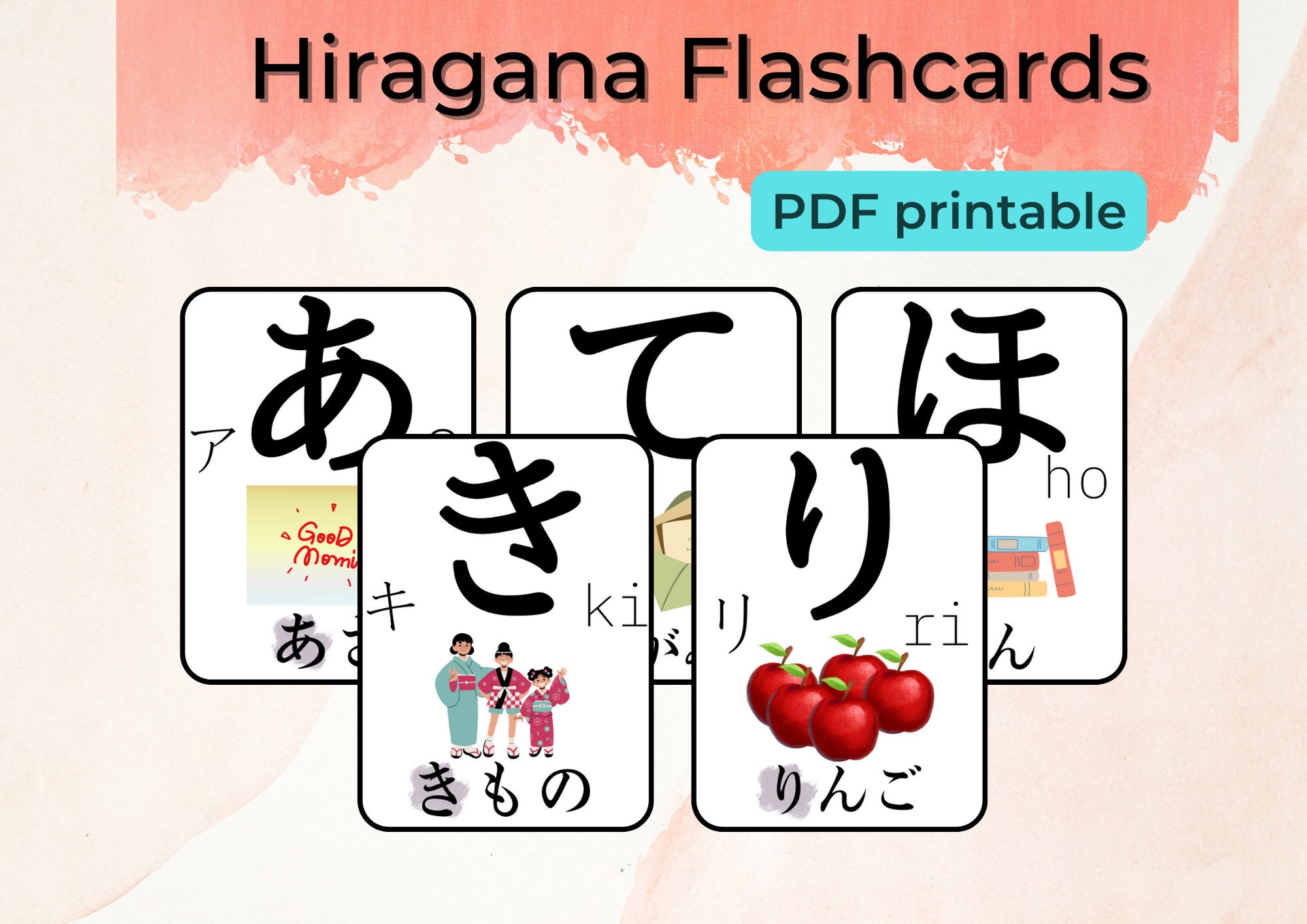
Free printable hiragana flashcards serve as essential multisensory tools for bridging linguistic symbol recognition with foundational spatial reasoning, proportion estimation, and visual observation skills in early childhood education. According to the National Association for the Education of Young Children (NAEYC), integrating targeted visual-spatial materials with early literacy practice significantly enhances cognitive mapping and symbol retention in young learners. These printable assets combine character memorization with structural grid awareness, allowing children to analyze stroke order, balance, and spatial relationships through structured Grid Drawing exercises. By treating each Japanese phonetic character as a balanced geometric composition rather than just an abstract letter, educators and parents can foster both fine-motor precision and visual literacy concurrently.
Visual Learning & Skill Snapshot:
- Core Focus: Free printable hiragana flashcards combined with grid-based visual tracking for holistic cognitive growth.
- Target Skill: Spatial reasoning, visual discrimination, fine-motor proportion estimation, and stroke observation.
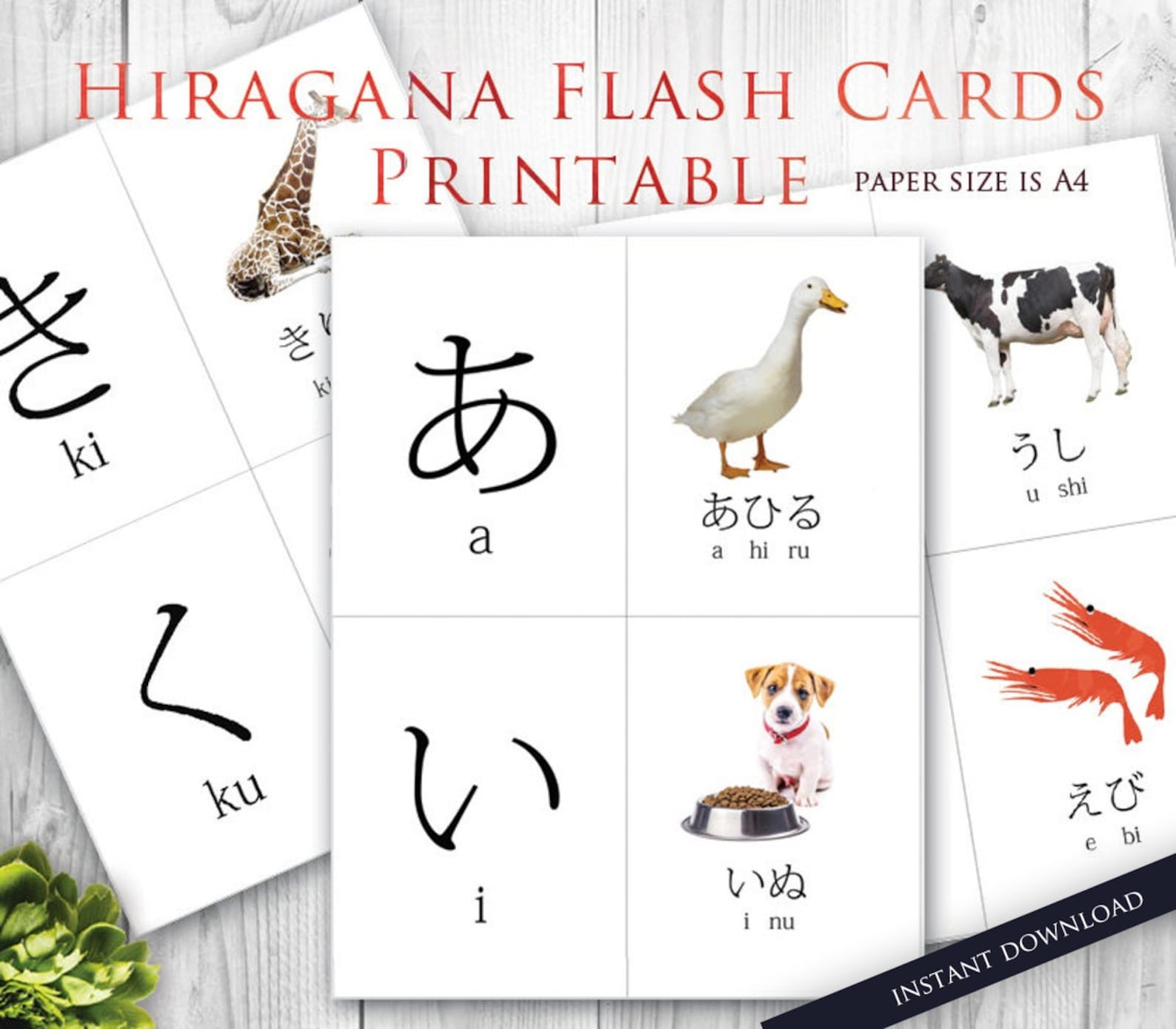
- Key Recommendation: Utilize high-contrast real photo references alongside character grids to anchor abstract linguistic symbols into concrete visual memory.
Core Principles and Visual Learning Overview
Free printable hiragana flashcards leverage the principles of visual perception and cognitive scaffolding to accelerate phonetic mastery alongside structural drawing abilities. When young children interact with these cards, the brain processes line intersections, negative space, and curve ratios identically to how it decodes complex photographic compositions found in Photo Flashcards. Integrating a grid matrix beneath each hiragana character transforms rote memorization into an active exercise in proportion estimation and spatial analysis. This dual-purpose learning structure trains the eye to measure distances, evaluate angles, and maintain consistent scale—skills that are critical not only for handwriting fluency in multiple languages but also for early geometry and visual arts.
Key Specifications and Breakdown
| Age / Learning Stage | Visual Skill & Grid Ratio | Pedagogical Application & Scaffolding |
|---|---|---|
| Ages 3–4 (Early Exploration) | 2×2 Grid / Macro Proportion | Focuses on large stroke identification and matching physical objects to initial phonetic sounds using real-world imagery. |
| Ages 5–6 (Core Development) | 3×3 Grid / Structural Balance | Emphasizes precise pencil control, negative space observation, and proportional copying of stroke weight. |
| Ages 7+ (Refinement & Mastery) | Blank Proportional Guides | Transitions learners toward independent freehand execution while maintaining strict spatial accuracy and symmetry. |
Structured visual materials and grid-based representation directly support the development of spatial cognition, proportional accuracy, and fine-motor coordination in early childhood learners. — National Art Education Association (NAEA)
Step-by-Step Practical Application and Printing Guidelines
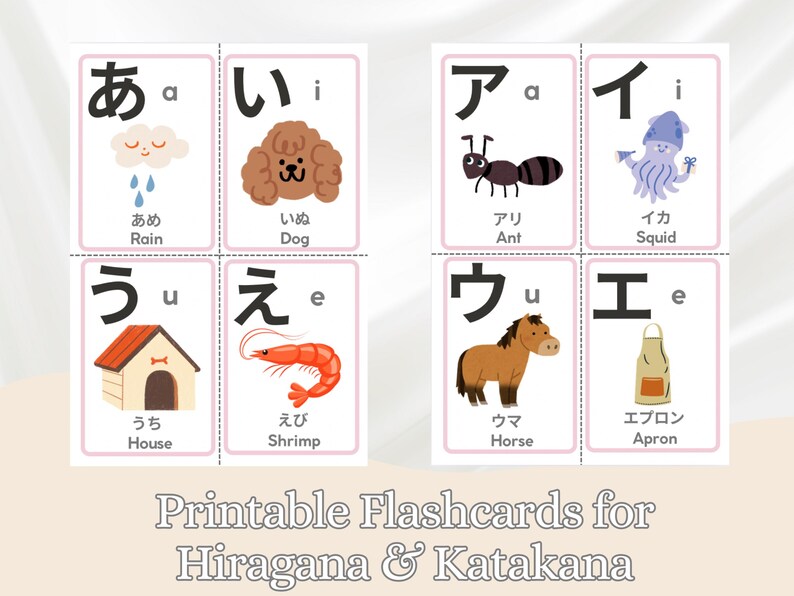
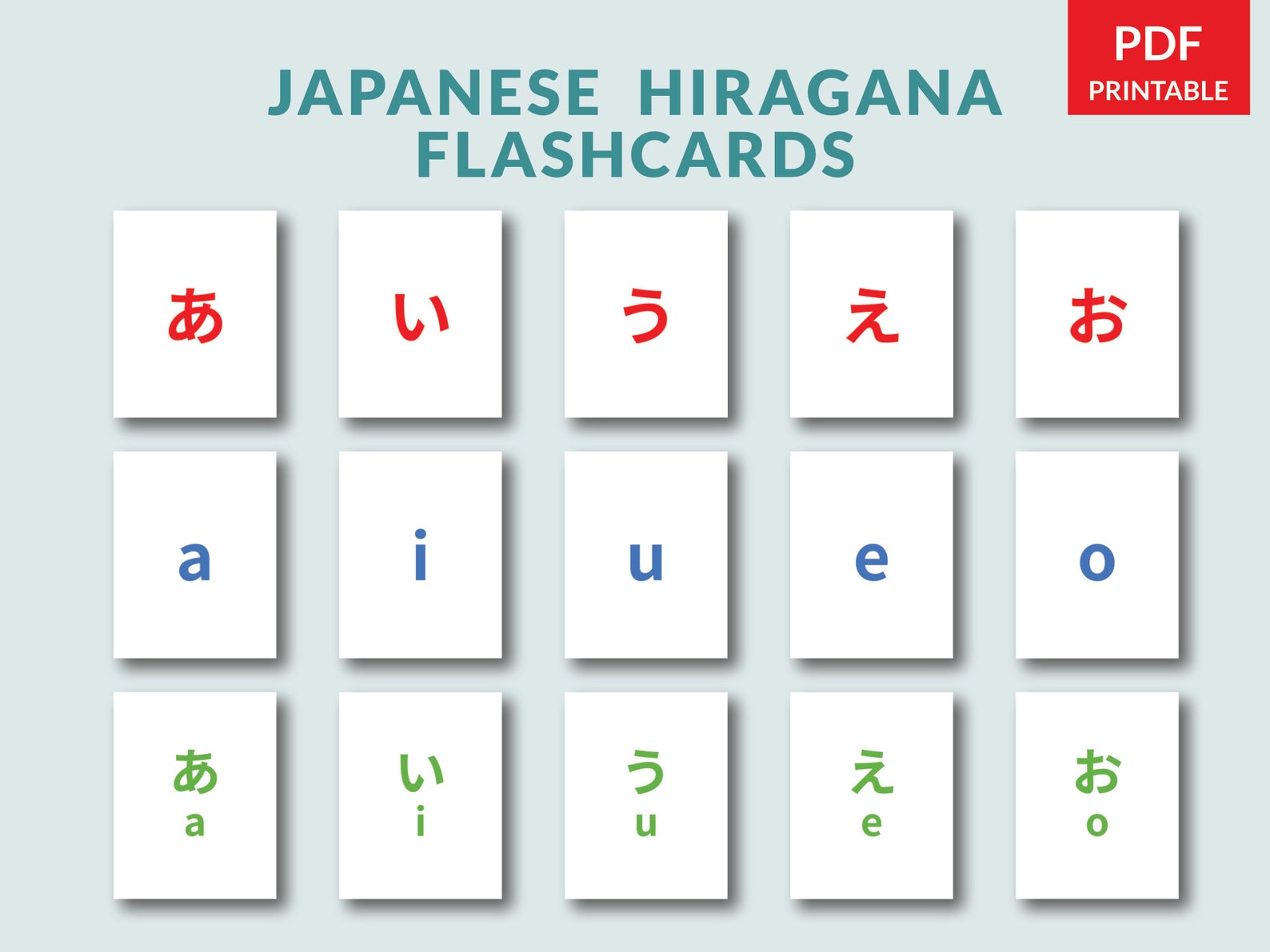
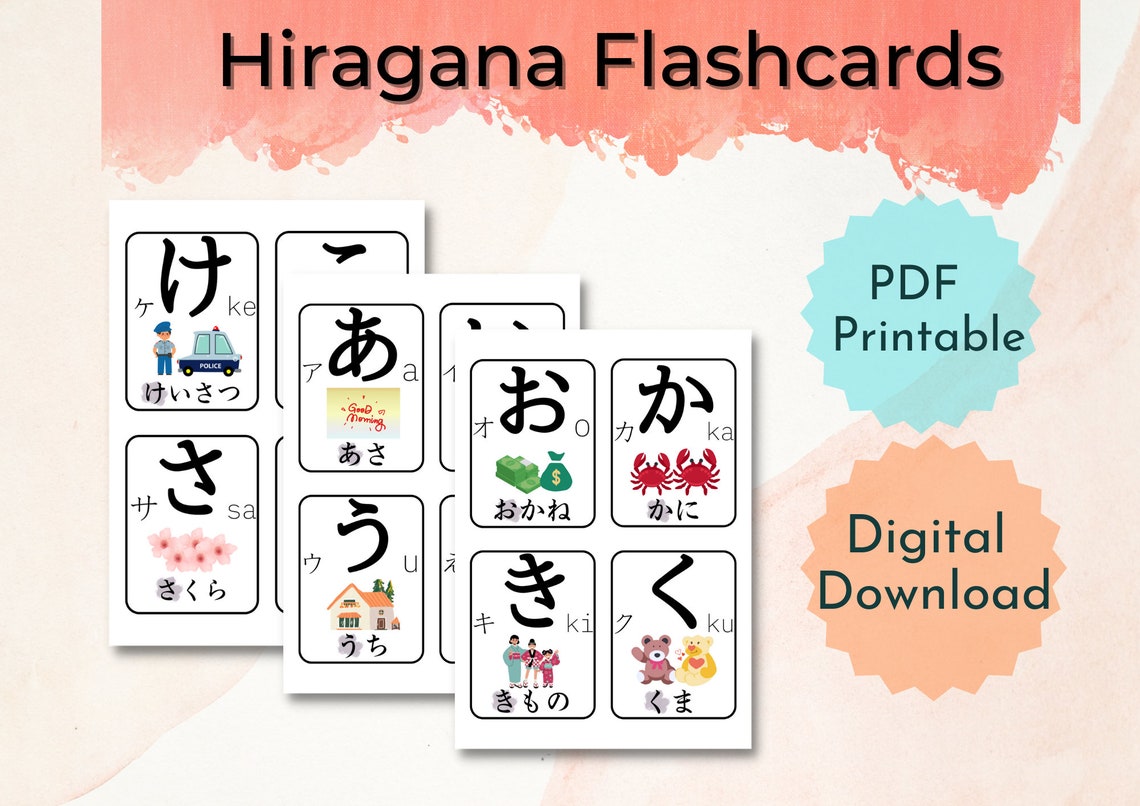
Free printable hiragana flashcards achieve optimal durability and cognitive engagement when printed on heavy-weight cardstock (110lb or higher) and laminated for repeated tactile manipulation. Educators should begin the instructional sequence by presenting the clean character card next to a corresponding photographic reference to establish contextual meaning before introducing the Educational Activities grid worksheets. Instruct learners to use index fingers to trace the internal contours and stroke trajectories of each hiragana symbol prior to picking up writing instruments. This kinesthetic tracing phase reinforces muscle memory, while subsequent grid-copying exercises refine visual proportion, pencil pressure control, and spatial orientation across the paper surface.
Common Challenges and How to Avoid Them
Rushing spatial proportions and ignoring grid boundaries represent the most frequent obstacles encountered when children first attempt character drawing and symbol flashcard practice. To counteract cognitive overload, facilitators should limit initial sessions to sets of five characters maximum, ensuring learners thoroughly master the internal quadrant relationships of each glyph before introducing new sets. If a child struggles with hand-eye coordination or misjudges stroke placement within the grid squares, temporarily substitute standard writing tools with tactile finger paints or dry-erase markers inside oversized grid sheets to reduce friction and eliminate performance anxiety.
💬 Frequently Asked Questions
Explore More Free Learning Printables and Visual Activities on WePhotoAgency
Expanding early childhood curricula with high-quality visual resources becomes effortless when utilizing the extensive collection of printable guides, creative worksheets, and structured development tools available at WePhotoAgency.com. Educators, parents, and homeschool leaders can continuously discover innovative ways to merge literacy, visual arts, and spatial reasoning by exploring the comprehensive digital catalog today.
Visual Reference Gallery