Introduction
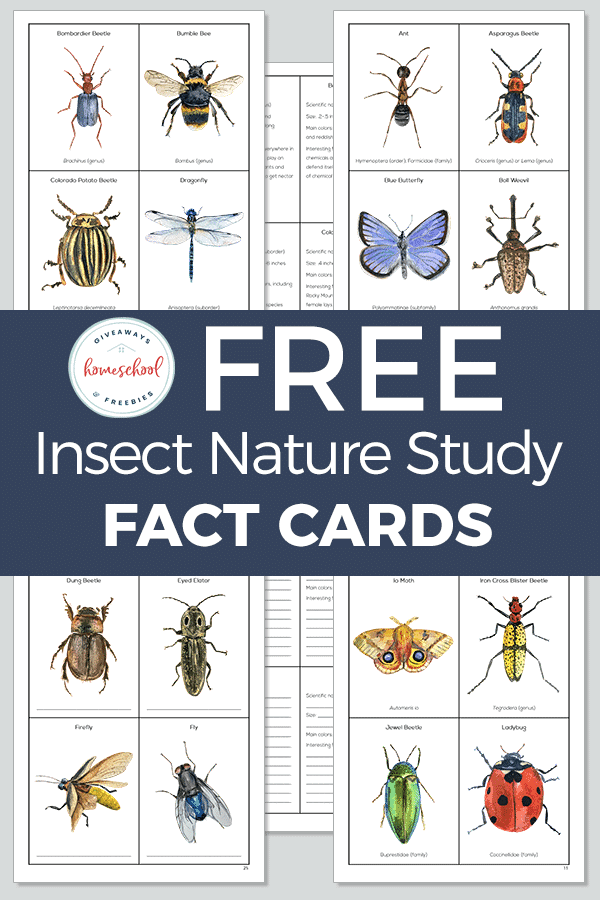
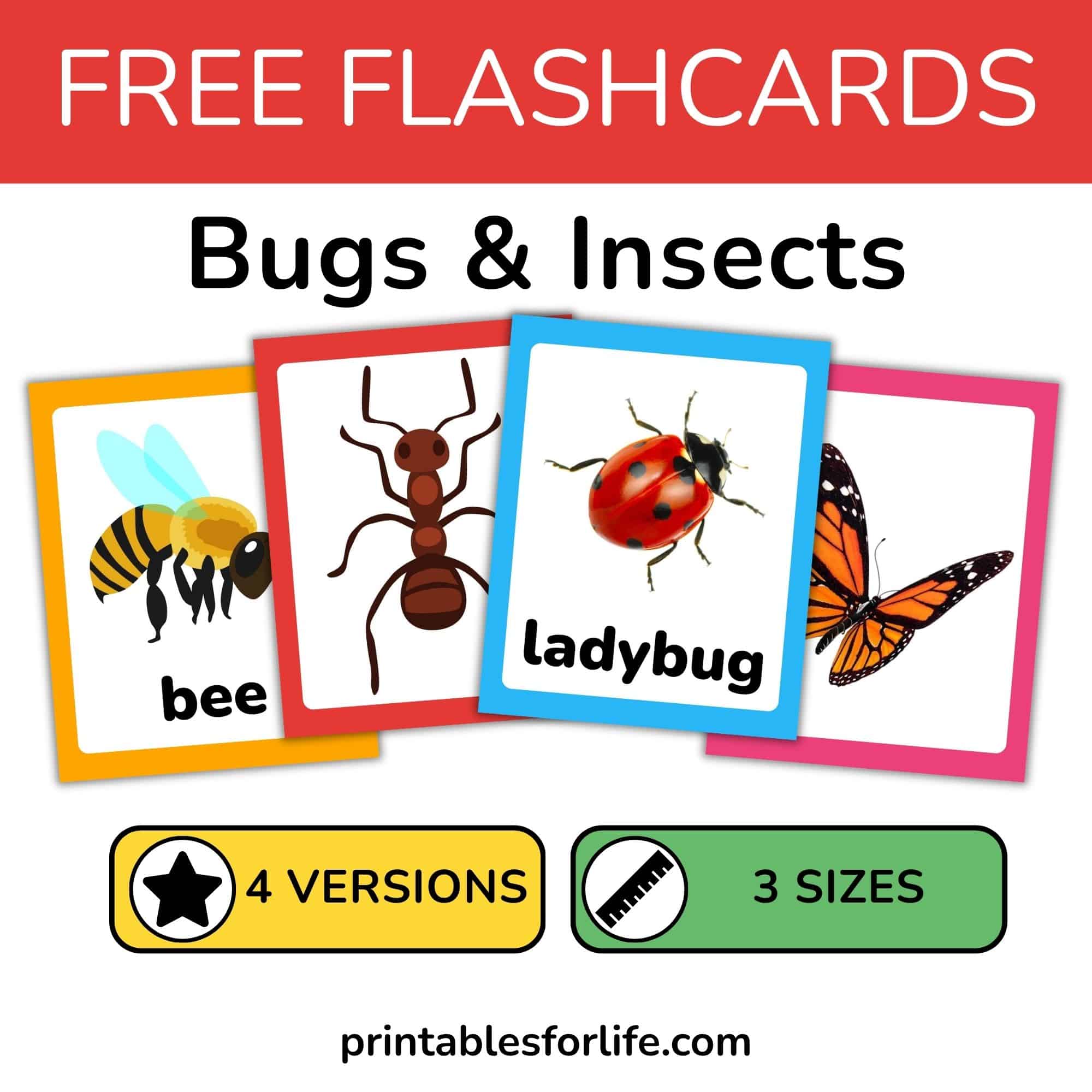
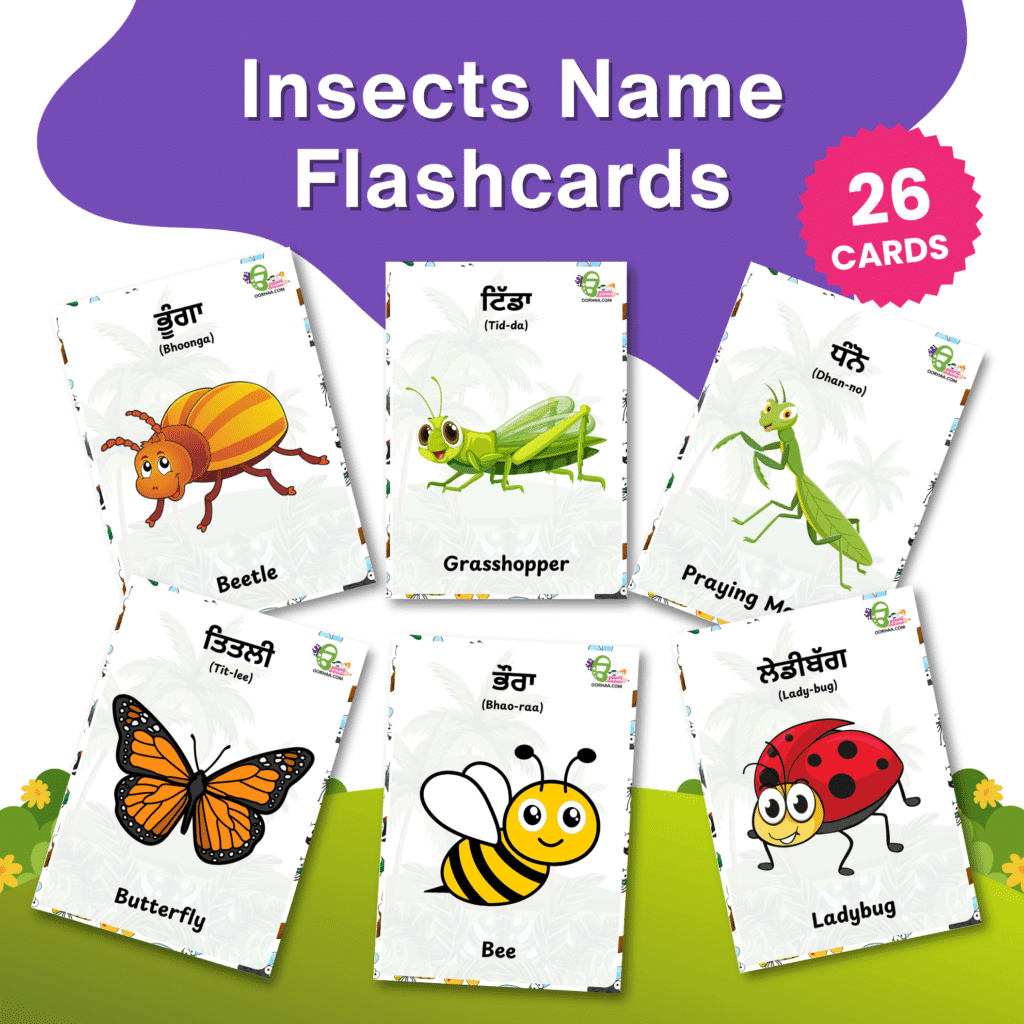
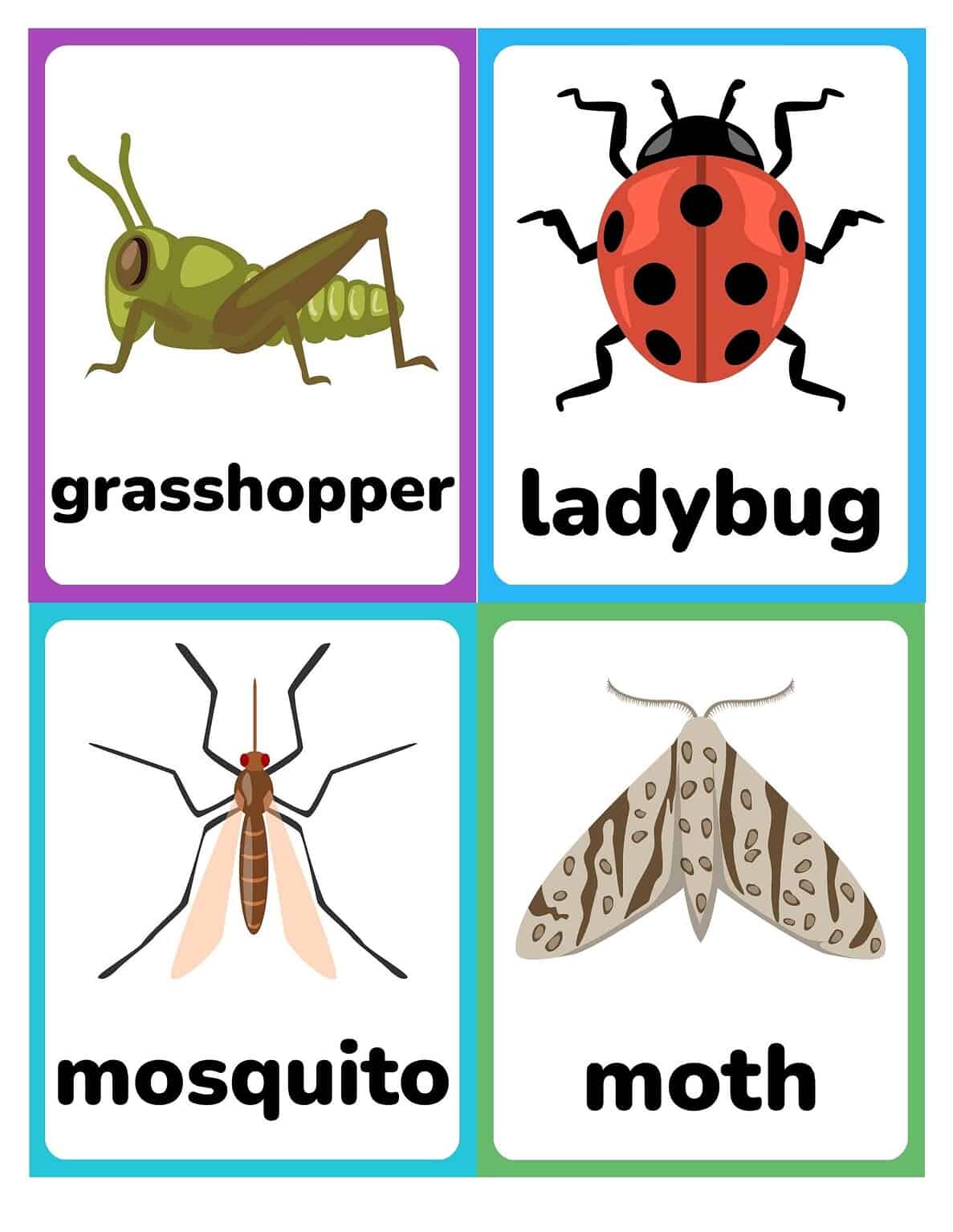
Free printable insect flashcards serve as invaluable educational resources that merge high-definition visual imagery with foundational spatial reasoning, proportion estimation, and fine-motor observation skills. According to the National Association for the Education of Young Children (NAEYC), exposure to realistic photographic representations in early childhood accelerates cognitive categorization, visual literacy, and scientific inquiry. Educators, homeschoolers, and parents utilize these multi-purpose visual assets to bridge the gap between concrete observation and abstract representation, particularly when paired with structured Grid Drawing exercises. This instructional framework equips children to analyze biological forms, break complex shapes into manageable segments, and translate macroscopic details onto paper.
Visual Learning & Skill Snapshot:
- Core Focus: Utilization of free printable insect flashcards for high-resolution visual study and proportional mapping.
- Target Skill: Spatial reasoning, visual discrimination, fine-motor proportion estimation, and entomological vocabulary.
- Key Recommendation: Laminate high-contrast photographic insect cards for repeated use alongside dry-erase grid sketching frameworks.
Core Principles and Visual Learning Overview
Real photo visual flashcards provide critical anchor points for young learners developing fine motor coordination and cognitive taxonomy. By replacing cartoon illustrations with authentic photographic documentation, learners engage in genuine visual analysis, examining true anatomical structures such as compound eyes, segmented thoraxes, and distinct wing venation. Integrating these visual aids within Photo Flashcards routines encourages children to measure distances visually, estimate angles, and replicate proportions accurately onto corresponding grid worksheets. This systematic exposure cultivates patience, enhances hand-eye coordination, and builds the foundational confidence required for advanced scientific illustration and mathematical graph interpretation.
Key Specifications and Breakdown
| Age / Learning Stage | Visual Skill & Grid Ratio | Pedagogical Application & Scaffolding |
|---|---|---|
| Ages 3-4 (Early Explorer) | 1×1 to 2×2 macro grids; focus on bold shapes | Matching real insect photographs to silhouettes and building basic visual discrimination. |
| Ages 5-7 (Emerging Artist) | 3×3 coordinate grids; proportional line tracking | Translating photographic leg and wing segments into corresponding grid squares using pencils. |
| Ages 8-10 (Advanced Observer) | 4×4 or multi-axis grids; detailed biological rendering | Analyzing fine textures, symmetrical patterns, and scaling complex arthropod anatomy. |
Visual-spatial training through direct photographic observation significantly enhances mathematical proportional reasoning and early geometric competencies in young children — National Art Education Association (NAEA)
Step-by-Step Practical Application and Printing Guidelines
Executing successful drawing sessions with insect resources requires careful preparation of physical printouts to maximize visual clarity and durability. Educators should print flashcards and accompanying grid worksheets on heavyweight cardstock (at least 110 lb weight) using high-resolution color settings to preserve critical anatomical details like wing patterns and coloration gradients. Following printing, laminating both the stimulus flashcard and the student grid sheet enables repeated dry-erase practice, allowing children to experiment with stroke direction, erase proportional errors without frustration, and build spatial confidence before transitioning to permanent paper media. Furthermore, organizing these assets within specialized Educational Activities centers ensures easy rotation through science and art stations.
Common Challenges and How to Avoid Them
Children frequently struggle with proportion estimation when transitioning from a small flashcard square to a larger drawing grid, often leading to distorted insect anatomy or premature completion of details. To counter this tendency, educators should guide learners to identify anchor points—such as where an antenna intersects a grid line—before drawing continuous lines. Encouraging the use of viewfinders or cardboard framing tools also assists young artists in isolating individual grid squares, reducing cognitive overload and preventing the common mistake of viewing the insect as an overwhelming whole rather than manageable geometric segments.
💬 Frequently Asked Questions
Explore More Free Learning Printables and Visual Activities on WePhotoAgency
Comprehensive educational support materials, high-resolution visual resources, and structured developmental printouts are continuously updated at WePhotoAgency.com. Exploring the complete digital library empowers educators, homeschoolers, and parents to cultivate lifelong visual literacy, artistic precision, and scientific curiosity in every learning environment.
Visual Reference Gallery