Introduction
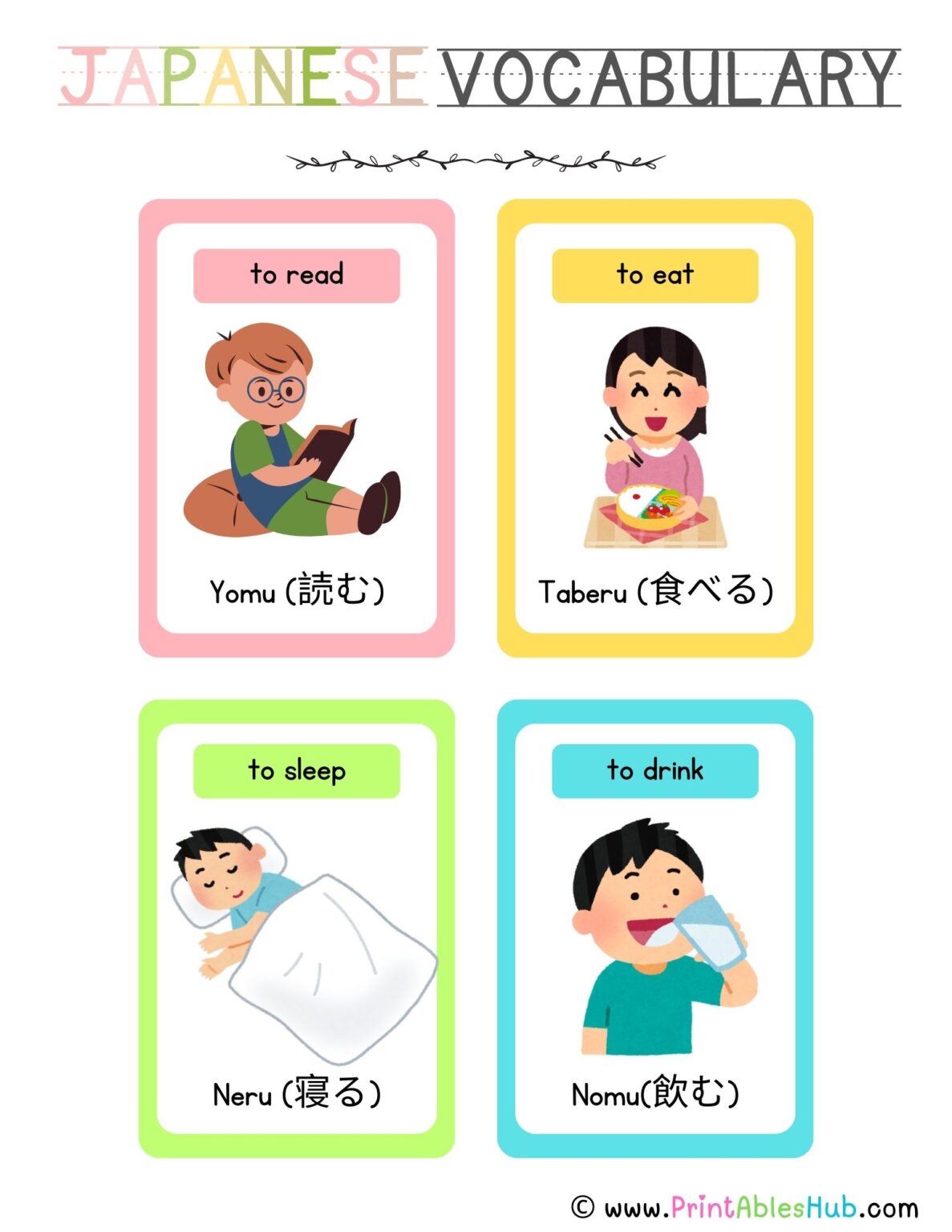
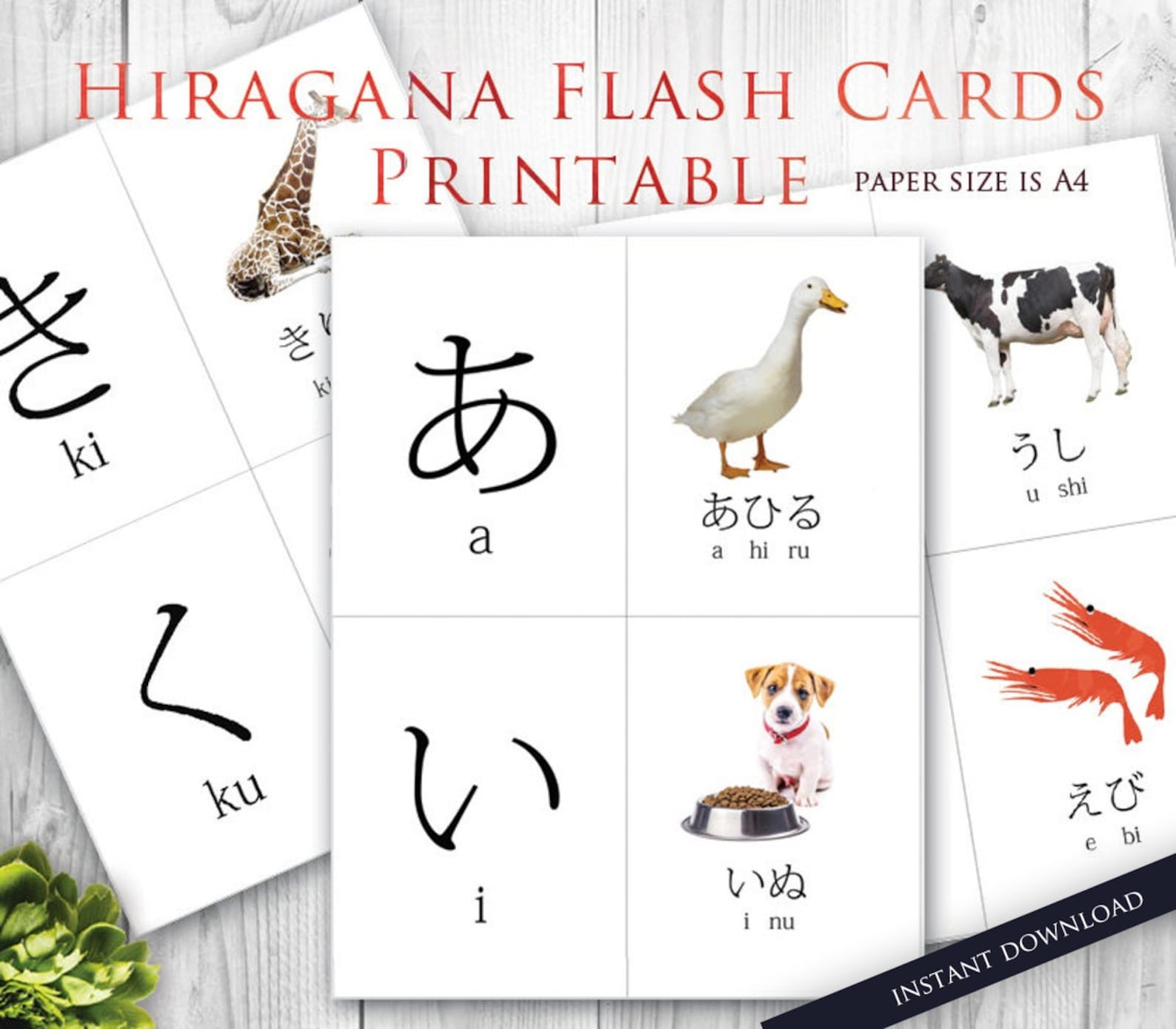
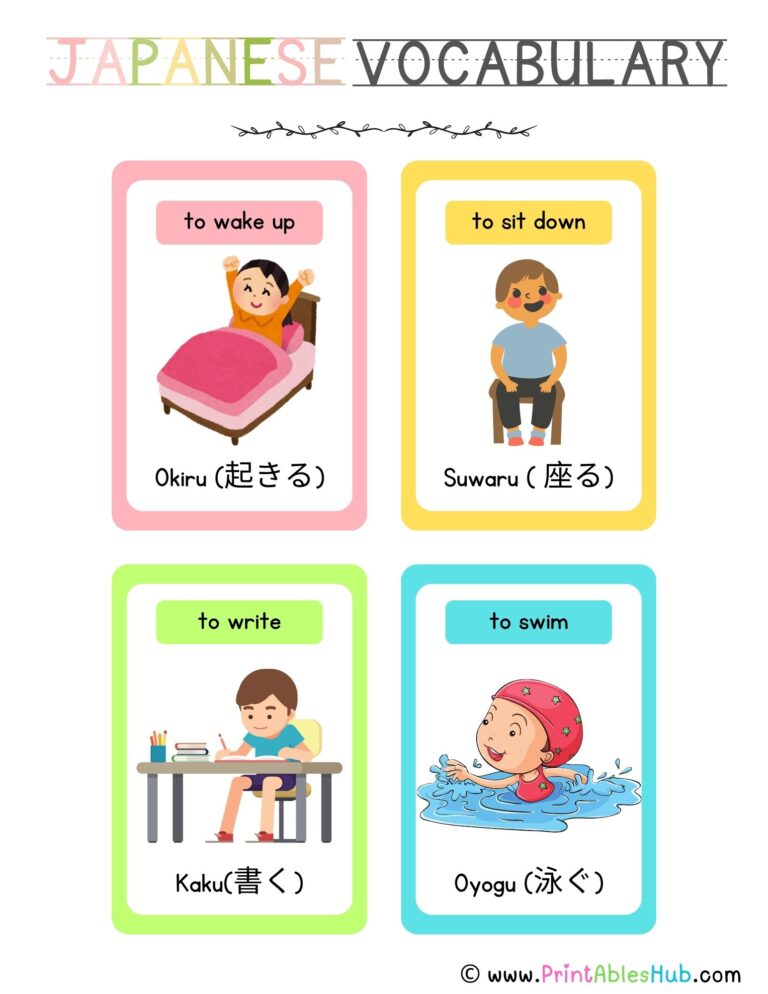
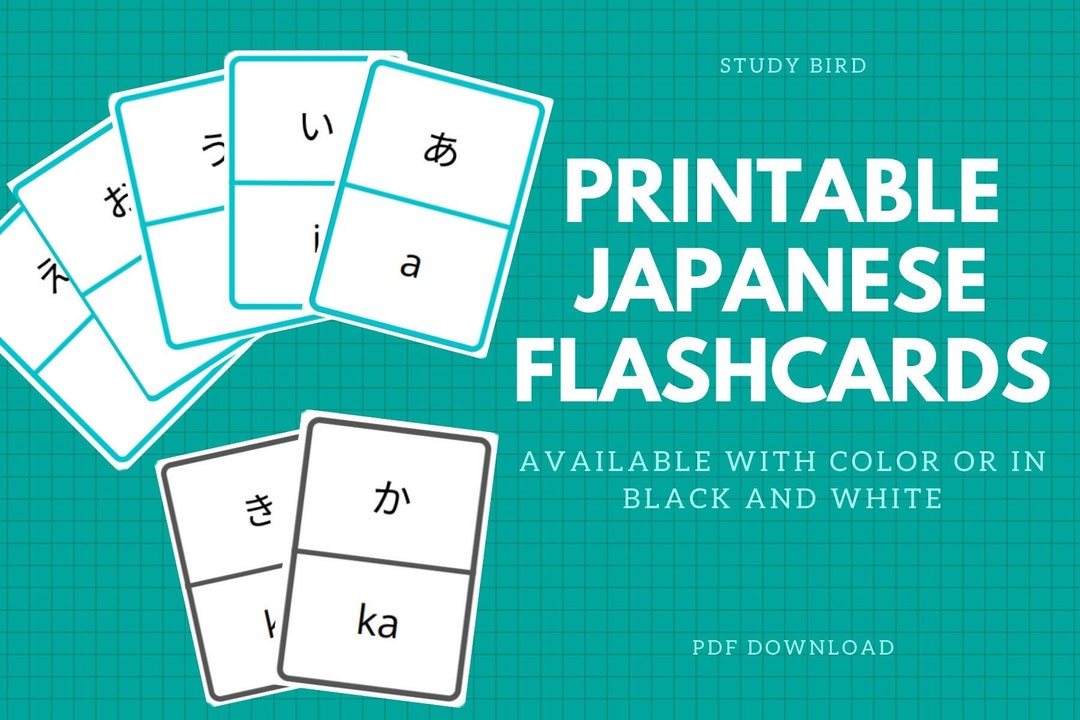
Free printable japanese flashcards serve as high-impact visual cognitive tools that bridge authentic photographic imagery with foundational kanji, hiragana, katakana, or cultural vocabulary acquisition. According to the National Association for the Education of Young Children (NAEYC), structured visual-spatial learning materials significantly enhance early childhood cognitive processing, fine-motor coordination, and symbolic representation skills. Utilizing authentic Photo Flashcards alongside structured Grid Drawing exercises deepens semantic memory and observational accuracy in young learners.
Visual Learning & Skill Snapshot:
- Core Focus: Utilizing free printable japanese flashcards to build bilingual vocabulary, spatial awareness, and stroke-order proportion.
- Target Skill: Visual discrimination, fine-motor proportion estimation, and cross-cultural cognitive mapping.
- Key Recommendation: Pair photographic visual references with grid-based writing templates to anchor abstract characters in concrete spatial contexts.
Core Principles and Visual Learning Overview
Visual learning frameworks require concrete photographic stimuli and systematic spatial boundaries to translate complex Japanese characters and cultural concepts into manageable cognitive units. When children engage with free printable japanese flashcards backed by real-world photographic references, the brain forms dual-coding pathways that link visual imagery directly to linguistic symbols. Integrating these materials into daily Educational Activities fosters advanced spatial reasoning, proportion estimation, and fine-motor control required for precise character formation.
Key Specifications and Breakdown
| Age / Learning Stage | Visual Skill & Grid Ratio | Pedagogical Application & Scaffolding |
|---|---|---|
| Early Preschool (Ages 3-4) | 1×1 Grid and Macro Photo Match | Focuses on visual object recognition, matching real photo cards to basic shapes without requiring character writing. |
| Kindergarten (Ages 5-6) | 2×2 Grid and Proportional Tracing | Introduces balanced quadrant division, helping children gauge character stroke proportion relative to image boundaries. |
| Early Elementary (Ages 7-9) | 4×4 Grid and Independent Recall | Enables precise spatial estimation, complex stroke-order execution, and detailed kanji-to-photo association. |
Systematic exposure to structured visual-spatial grids significantly accelerates fine-motor precision and neurological symbol processing in developing children. — National Art Education Association (NAEA)
Step-by-Step Practical Application and Printing Guidelines
Executing successful visual learning sessions requires high-contrast cardstock printing, precise grid alignment, and incremental skill scaffolding. Educators and parents should print flashcards on heavyweight matte paper (minimum 110 lb cardstock) to prevent bleed-through and ensure tactile durability during frequent handling. Laminating completed printouts allows young learners to practice dry-erase proportion mapping, contour tracing, and grid-based character reproduction repeatedly without wearing down the physical medium.
Common Challenges and How to Avoid Them
Overwhelming young learners with dense character sets or failing to establish clear spatial boundaries represents the most frequent obstacle in early Japanese language and visual arts education. To prevent cognitive overload, educators must introduce flashcards in small, thematic clusters of three to five cards, strictly pairing each character with its corresponding photographic reference. Maintaining consistent grid ratios ensures children develop accurate proportional estimation rather than relying on guesswork when scaling strokes across different paper dimensions.
💬 Frequently Asked Questions
Explore More Free Learning Printables and Visual Activities on WePhotoAgency
Expanding early childhood curricula with high-quality visual resources supports comprehensive cognitive development and artistic confidence across all grade levels. Discover an extensive collection of professional teaching tools, structured drawing guides, and photographic learning materials by visiting WePhotoAgency.com today.
Visual Reference Gallery