Introduction
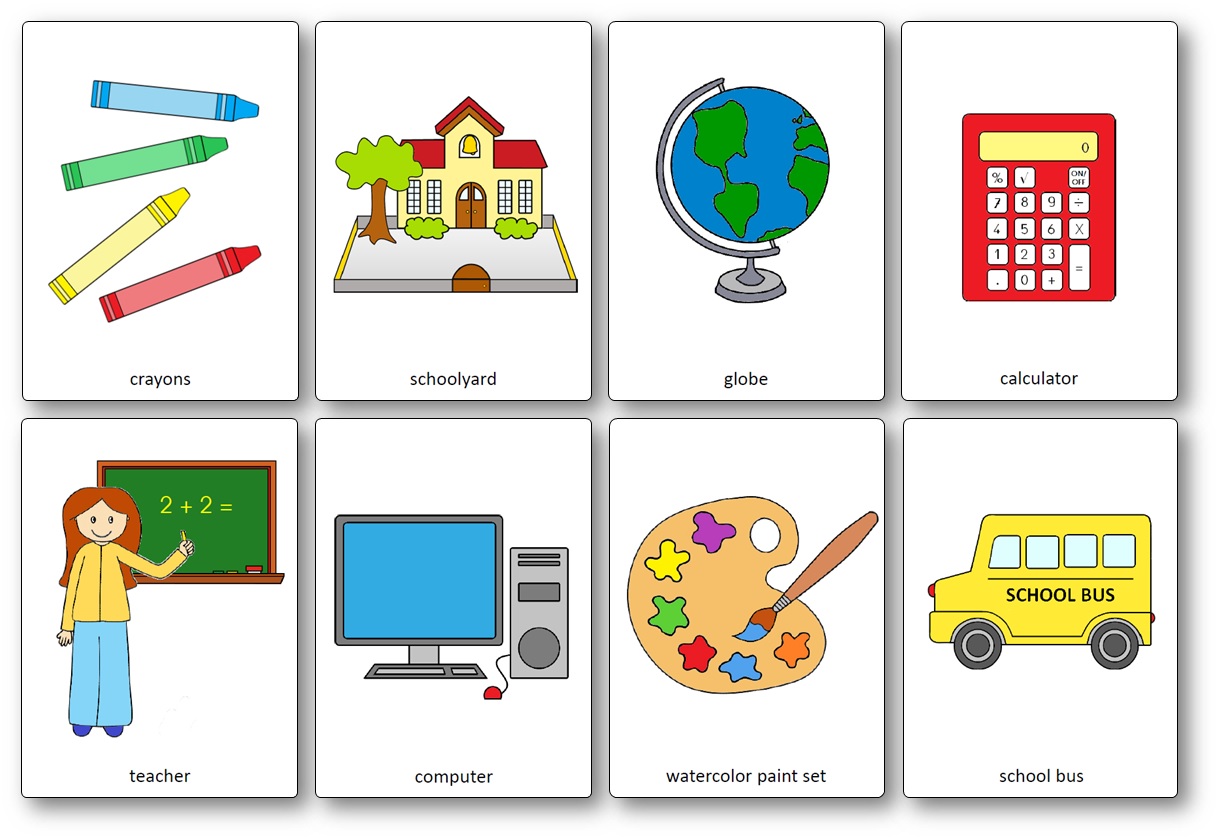
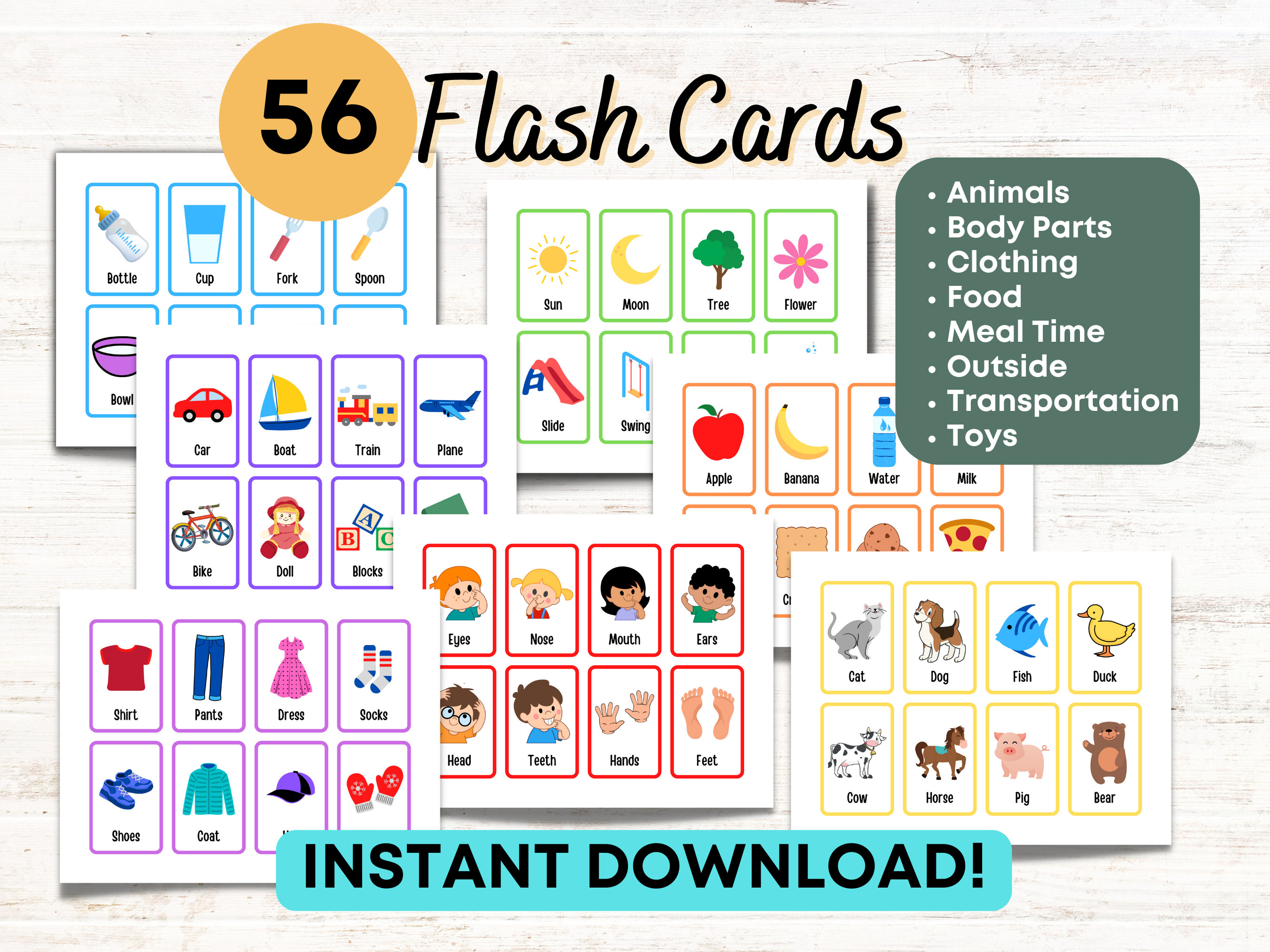
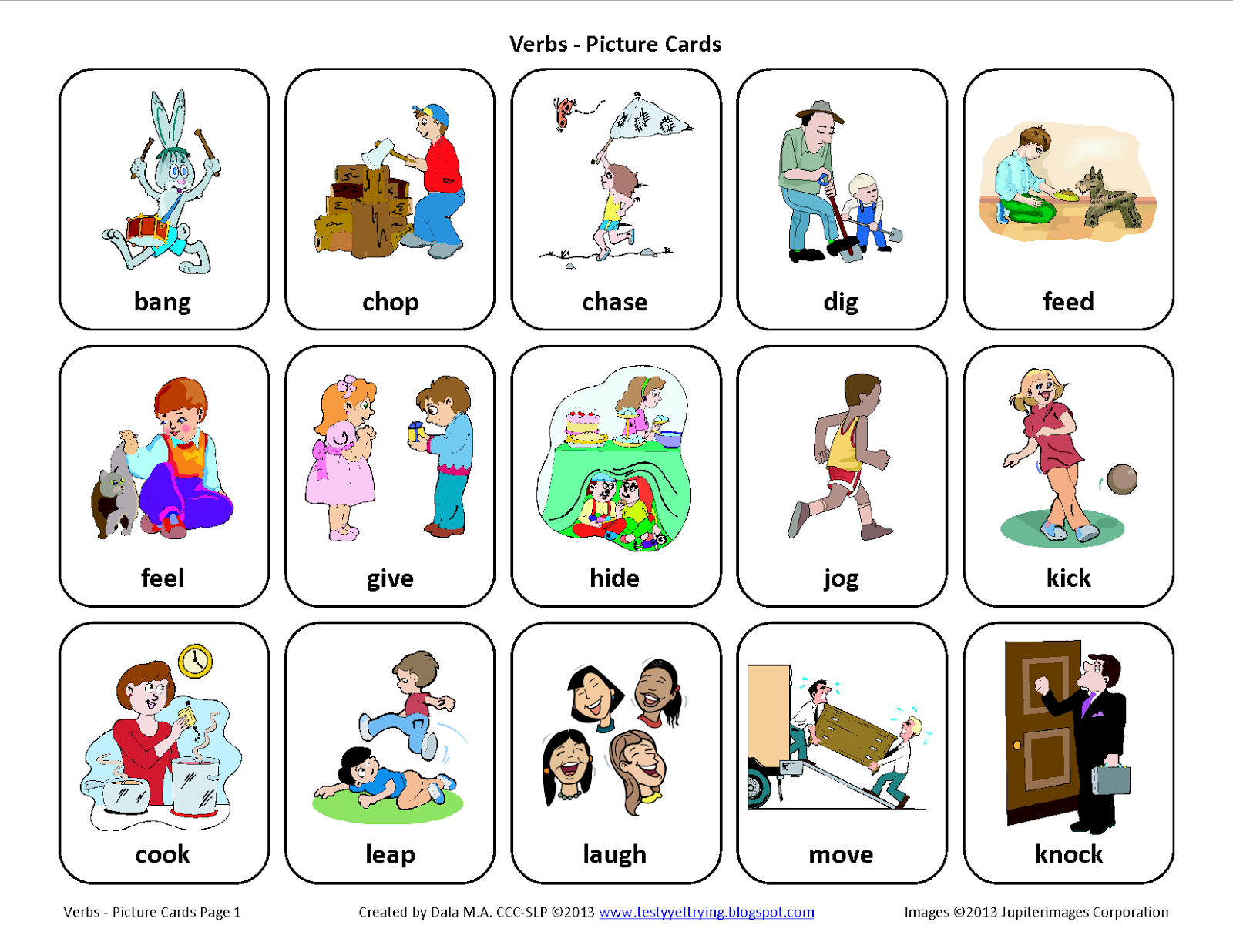
Picture flashcards for kids online deliver targeted digital assets that foster critical visual literacy, cognitive mapping, and early fine-motor coordination through structured photographic stimuli. According to the National Association for the Education of Young Children (NAEYC), interactive visual tools and tangible image-based learning materials significantly accelerate language acquisition, spatial orientation, and pattern recognition during formative developmental windows. Integrating authentic photographic references alongside structured grid layouts transforms abstract learning concepts into concrete, manageable visual steps for young learners.
Visual Learning & Skill Snapshot:
- Core Focus: Utilizing digital picture flashcards for kids online to bridge photographic realism with structured artistic drawing exercises.
- Target Skill: Spatial reasoning, visual discrimination, fine-motor proportion estimation, and grid-based coordinate mapping.
- Key Recommendation: Pair high-contrast printable photo references directly with proportional grid worksheets to optimize visual-motor integration.
Core Principles and Visual Learning Overview
Real photo visual flashcards combined with printable Grid Drawing worksheets cultivate advanced observational skills by breaking complex subjects down into isolated geometric quadrants. Utilizing digital Photo Flashcards requires children to analyze spatial relationships, angles, and negative space rather than relying on symbols or memory. Educators apply these resources to transition young learners from basic shape recognition to precise proportion estimation, thereby establishing a strong neurological foundation for both early geometry and realistic drawing techniques.
Key Specifications and Breakdown
| Age / Learning Stage | Visual Skill & Grid Ratio | Pedagogical Application & Scaffolding |
|---|---|---|
| Ages 4-5 (Early Years) | 2×2 Grid with Bold Photographic Outlines | Focuses on basic shape tracking and high-contrast color discrimination using simple Educational Activities. |
| Ages 6-7 (Early Elementary) | 4×4 Grid with Balanced Real Photo Details | Develops fine-motor pencil control, line accuracy, and cross-quadrant tracking. |
| Ages 8-10 (Advanced Beginners) | 6×6 Grid with Complex Photographic Proportions | Refines spatial measurement, shading depth estimation, and complex observation skills. |
Visual-spatial training through structured grid scaling significantly enhances geometric reasoning and multi-step problem-solving capacities in young children. — National Art Education Association (NAEA). Related guide: Free Printable Korean Flashcards.
Step-by-Step Practical Application and Printing Guidelines
Implementing online picture flashcards effectively requires high-resolution cardstock printing, uniform scaling ratios, and dedicated workspace organization for young learners. Educators should begin by downloading high-contrast photographic templates, printing them at one hundred percent scale to preserve accurate grid dimensions, and laminating the physical cards to withstand frequent classroom handling. Students then place the reference card alongside a blank corresponding grid sheet, systematically copying one grid square at a time to build patience, precision, and accurate spatial scaling.
Common Challenges and How to Avoid Them
Overwhelming young learners with overly dense grids or poor-quality photo references frequently leads to frustration and inaccurate proportion estimation. Instructors can prevent cognitive overload by starting with simple two-by-two photographic grids and gradually increasing complexity as the child demonstrates mastery over visual tracking. Emphasizing the process of observing individual coordinate squares rather than rushing to complete the entire picture ensures steady skill development and reduces pencil pressure anxiety.
💬 Frequently Asked Questions
Explore More Free Learning Printables and Visual Activities on WePhotoAgency
Discover a comprehensive collection of downloadable educational resources designed to foster creativity, cognitive development, and technical artistic skills by visiting the primary resource library at WePhotoAgency.com. Educators and parents can access specialized drawing sheets, real photo cards, and structured learning tools tailored for every developmental milestone.
Visual Reference Gallery