Introduction
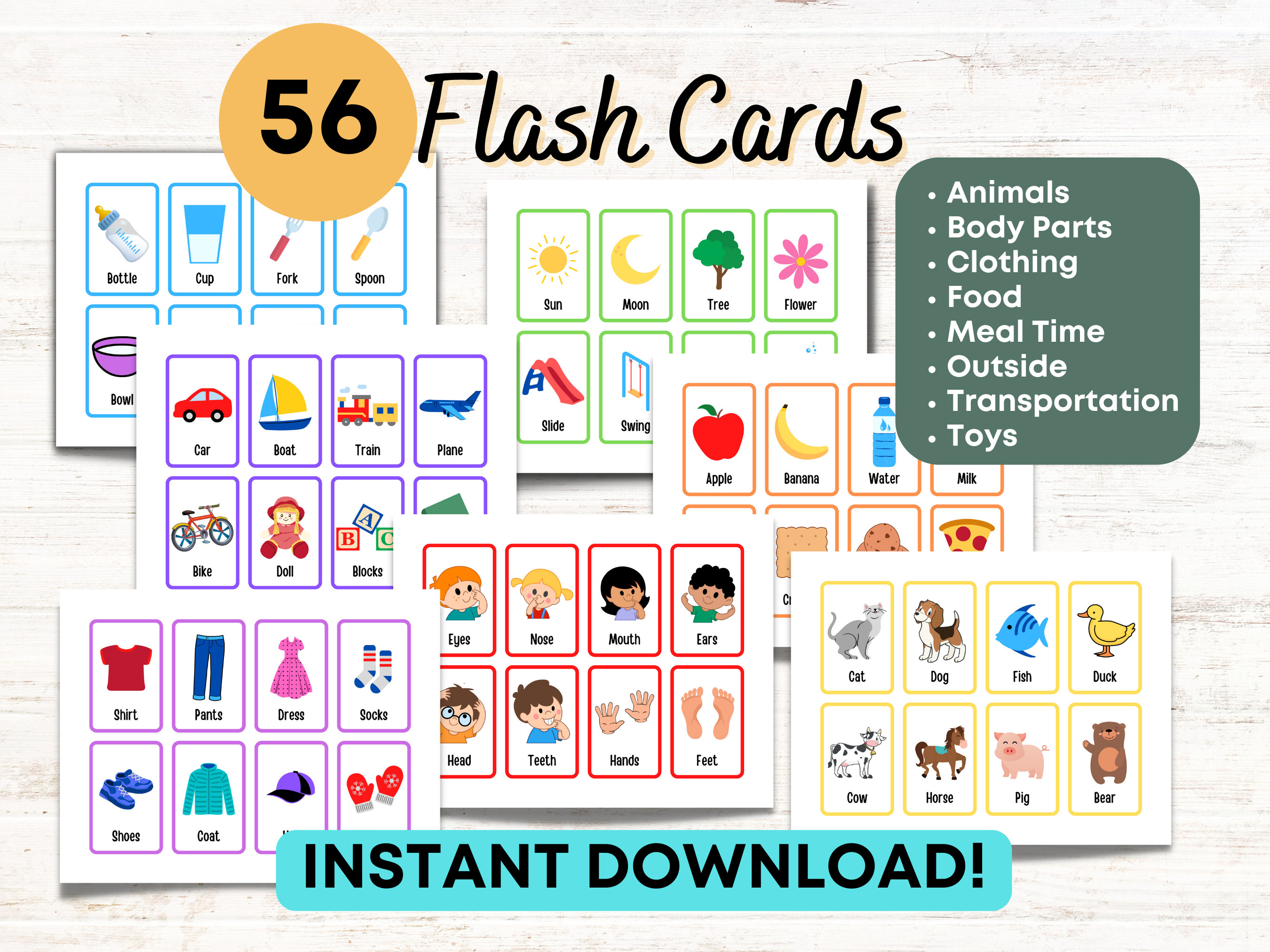
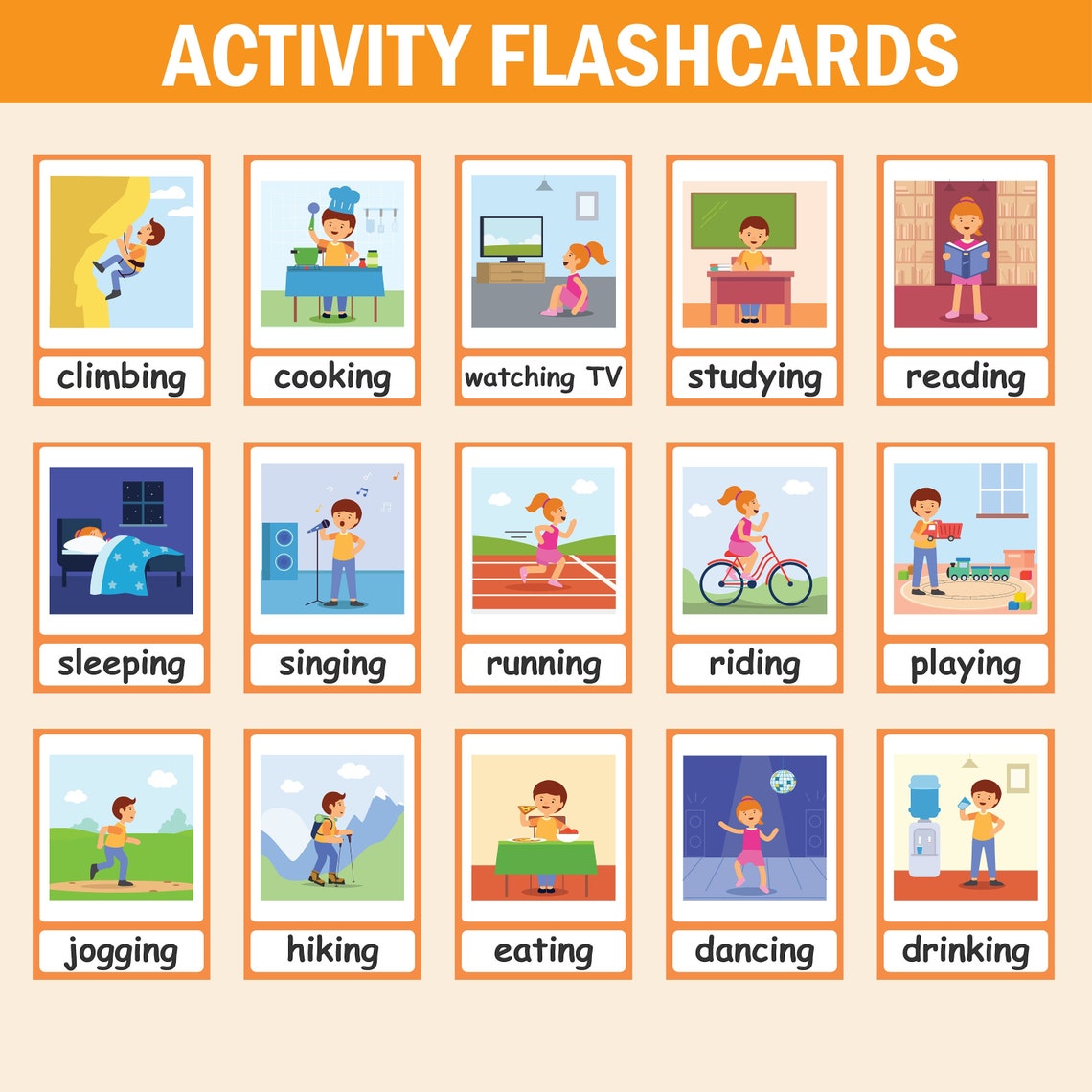
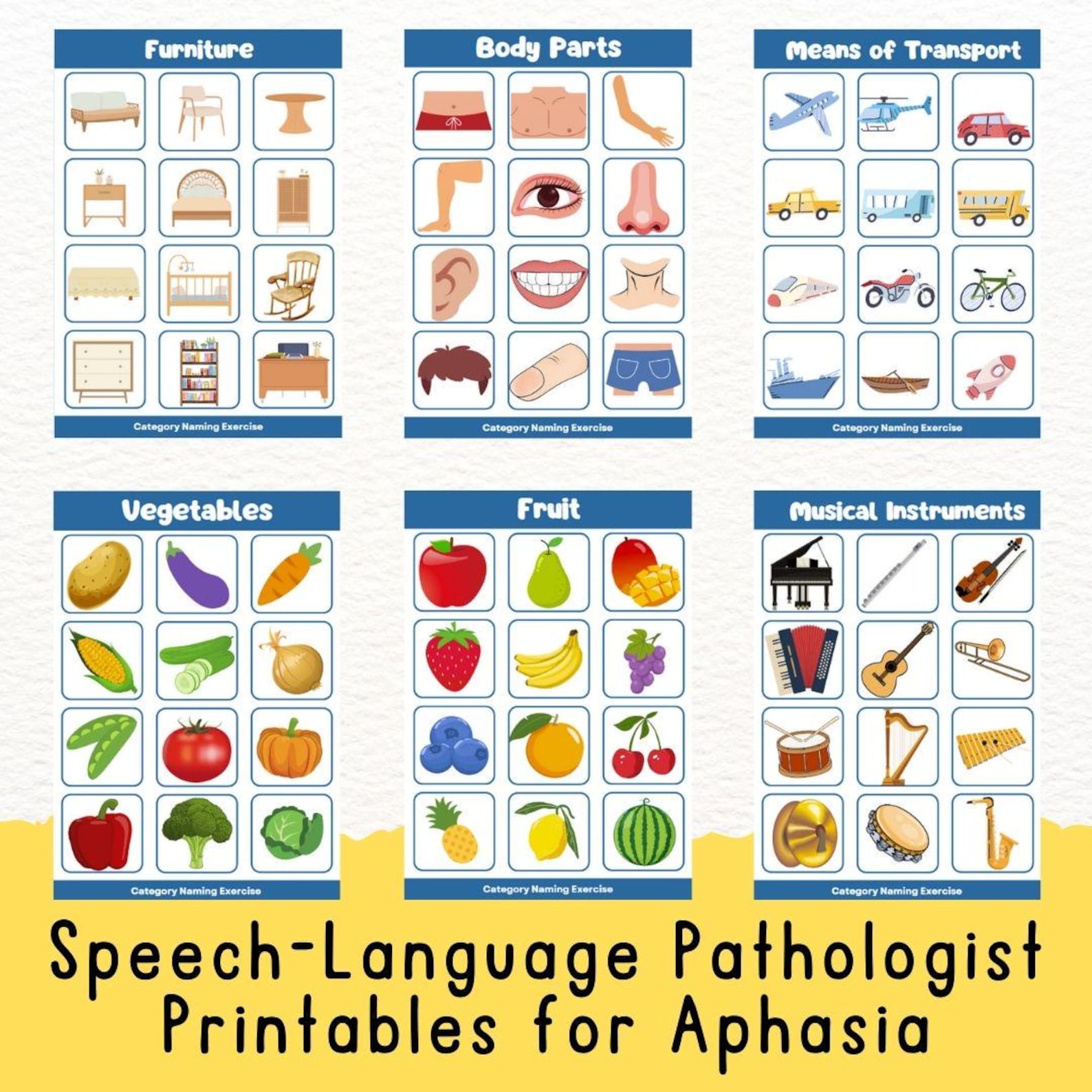
Picture flashcards for kids serve as foundational cognitive tools that bridge real-world visual stimuli with abstract symbol recognition and spatial reasoning. According to the National Association for the Education of Young Children (NAEYC), engaging young learners with high-contrast, authentic photographic imagery significantly enhances visual literacy, object constancy, and early cognitive processing speeds. Integrating these photo-based assets alongside structured printable grid drawing worksheets transforms passive observation into active fine-motor coordination. Educators and parents utilize these tactile materials to cultivate critical thinking, scale estimation, and precise hand-eye synchronization during early childhood development.
Visual Learning & Skill Snapshot:
- Core Focus: Picture flashcards for kids paired with printable grid drawing sheets for cognitive and artistic growth.
- Target Skill: Spatial reasoning, visual discrimination, fine-motor proportion estimation, and grid coordinate mapping.
- Key Recommendation: Combine authentic macro photography prints with progressive 2×2 or 4×4 coordinate grids to scaffold drawing complexity.
Core Principles and Visual Learning Overview
Visual discrimination and spatial estimation form the cornerstone of both early geometry and realistic art comprehension. Picture flashcards for kids provide concrete visual anchors that teach children to break complex subjects down into manageable geometric components. When students pair these cards with Grid Drawing exercises, the brain actively practices coordinate mapping, shifting focus from a whole object to individual quadrant relationships. Utilizing professional Photo Flashcards ensures that children analyze authentic lighting, textures, and real-world proportions rather than overly simplified cartoon representations, which accelerates true visual-spatial mastery.
Key Specifications and Breakdown
| Age / Learning Stage | Visual Skill & Grid Ratio | Pedagogical Application & Scaffolding |
|---|---|---|
| Ages 3–4 (Early Preschool) | Basic visual sorting & 2×2 grids | Match real photo flashcards to silhouette outlines and color blocks. |
| Ages 5–6 (Kindergarten) | Proportion estimation & 3×3 grids | Copy simple photographic quadrant lines onto matching paper grids. |
| Ages 7–9 (Early Elementary) | Advanced coordinate mapping & 4×4 grids | Replicate detailed macro photography textures with scale accuracy. |
Authentic visual materials promote advanced cognitive mapping, shape constancy, and higher-order spatial analysis during formative childhood development. — National Association for the Education of Young Children (NAEYC)
Step-by-Step Practical Application and Printing Guidelines
Executing effective visual lessons requires careful preparation of physical printouts and durable cardstock materials. Educators should begin by downloading high-resolution Educational Activities featuring synchronized photo prompts and corresponding drawing grids. Print these assets on heavyweight matte cardstock (at least 110 lb weight) to prevent ink bleed-through and ensure durability during repeated handling by small hands. Laminate the flashcards for longevity, and provide students with non-smudge graphite pencils and fine-tipped markers to cleanly delineate coordinate lines without obscuring fine photographic details.
Common Challenges and How to Avoid Them
Frustration during grid replication typically stems from scaling errors and tackling overly complex visual compositions too quickly. Young children frequently attempt to draw an entire object at once instead of isolating individual grid squares, which leads to disproportionate renderings. To resolve this challenge, introduce viewfinders or cut-out window cards that isolate a single quadrant on the flashcard at a time. Scaffolding instruction through gradual grid expansion ensures children build confidence, patience, and accurate proportional measurement habits.
💬 Frequently Asked Questions
Explore More Free Learning Printables and Visual Activities on WePhotoAgency
Unlocking the full potential of early art education requires a diverse library of reliable, teacher-approved visual resources and printables. Parents, homeschoolers, and classroom instructors can discover an extensive collection of structured drawing worksheets and cognitive tools by visiting WePhotoAgency.com to elevate daily learning experiences.
Visual Reference Gallery