Introduction
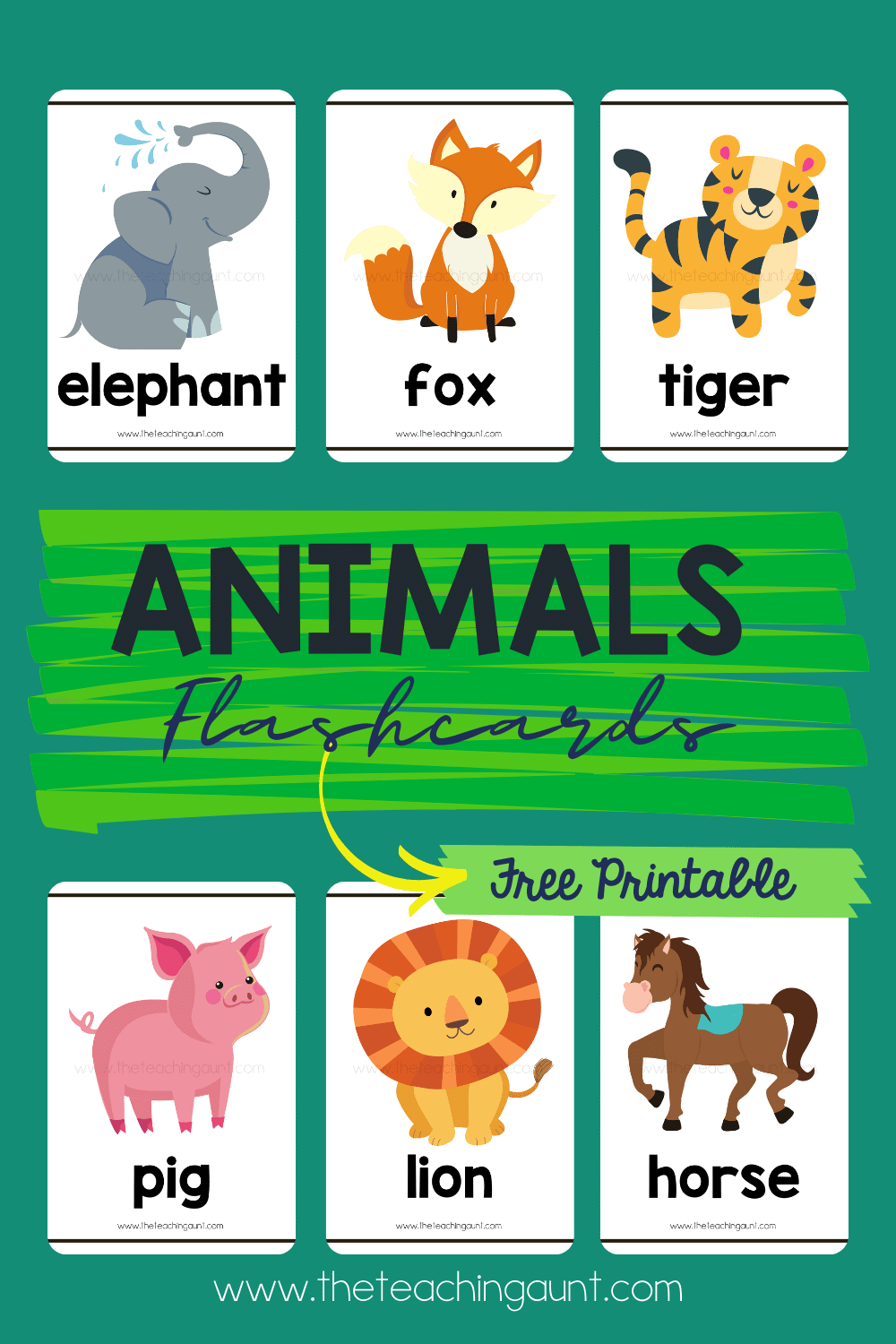
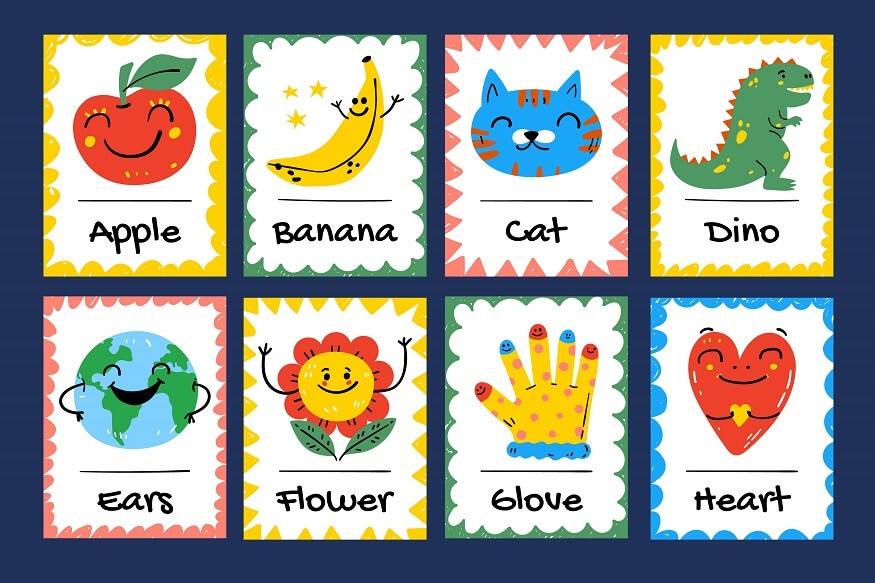
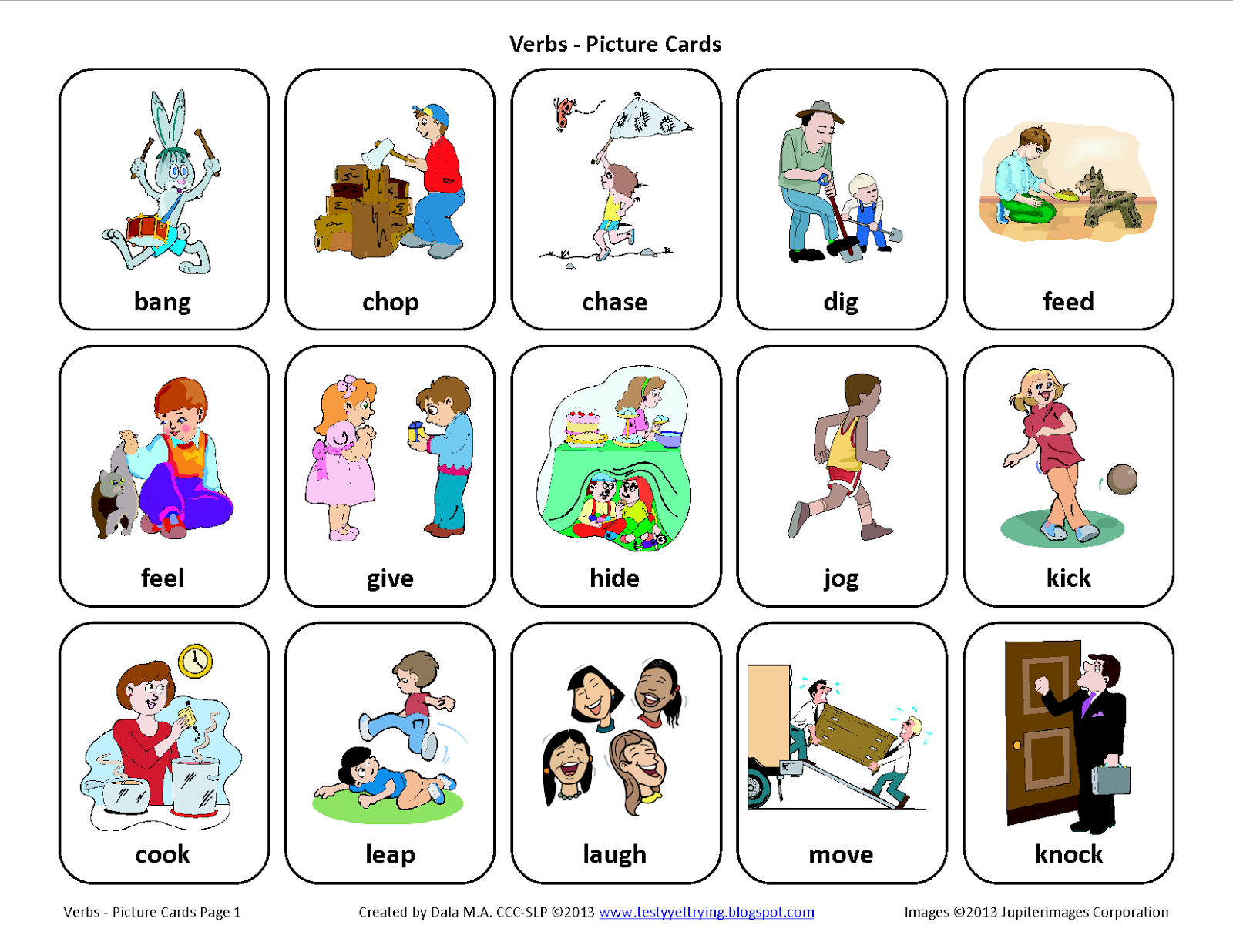
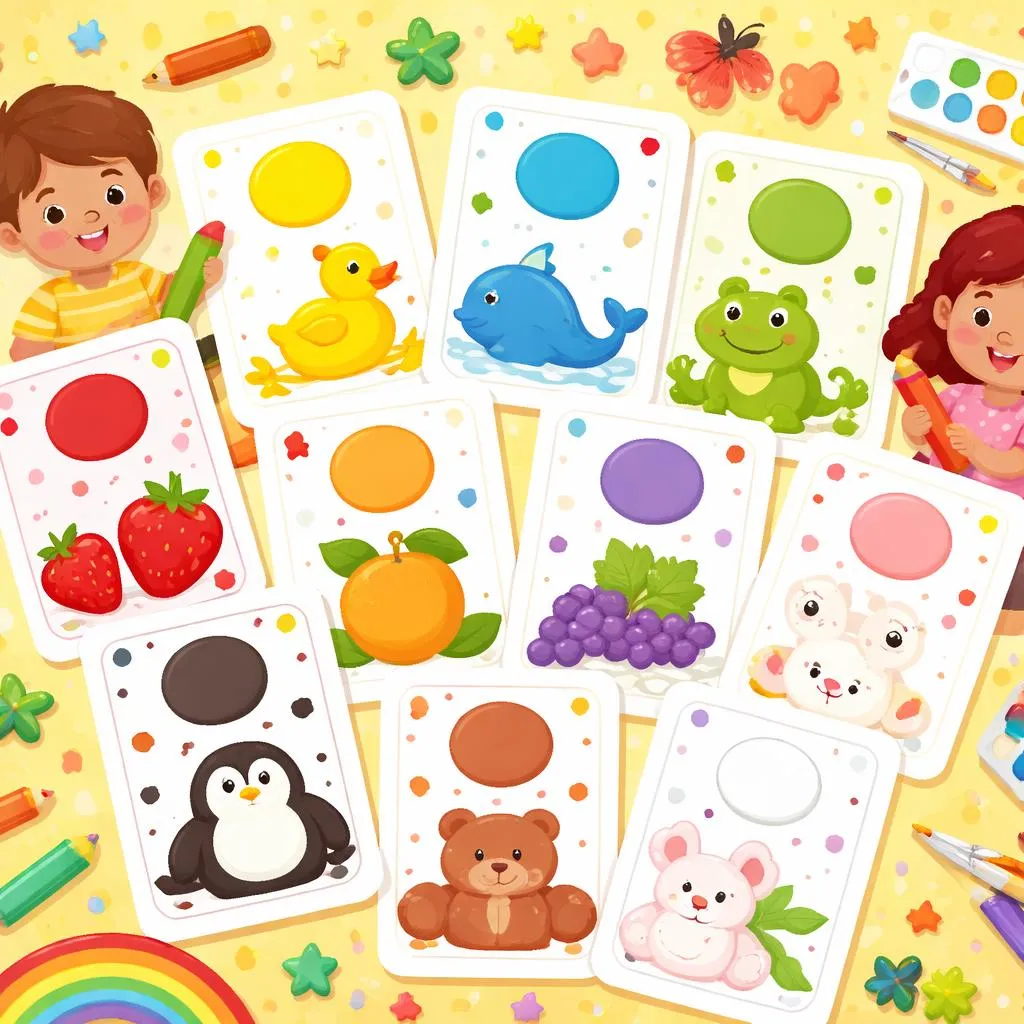
Picture flashcards for toddlers serve as foundational cognitive instruments that bridge concrete photographic documentation with abstract symbol recognition, effectively accelerating early visual literacy and spatial decoding capabilities. According to the National Association for the Education of Young Children (NAEYC), engaging young learners with high-contrast, realistic photographic imagery significantly enhances neurological development, visual discrimination, and object permanence tracking during formative developmental windows. Educators, parents, and homeschool practitioners leverage these authentic visual tools alongside structured Grid Drawing worksheets to transition children smoothly from simple observational viewing to active hand-eye coordination exercises.
Visual Learning & Skill Snapshot:
- Core Focus: Utilizing picture flashcards for toddlers to bridge photographic realism with foundational spatial reasoning.
- Target Skill: Visual discrimination, fine-motor proportion estimation, and grid coordinate tracking.
- Key Recommendation: Pair high-resolution photographic flashcards directly with scaled grid worksheets to anchor abstract drawing concepts in concrete visual cues.
Core Principles and Visual Learning Overview
Real photo visual flashcards provide toddlers with unambiguous representations of the physical world, eliminating the cognitive friction often introduced by cartoonish or stylized illustrations. When integrating these cards into early Photo Flashcards printing routines, instructors establish critical baseline references that teach children how to isolate individual shapes, edges, and textures within complex visual compositions. By pairing these authentic images with printable Educational Activities, children naturally develop the mental scaffolding required to estimate proportions, understand spatial orientation, and execute precise pencil control on structured drawing templates.
Key Specifications and Breakdown
| Age / Learning Stage | Visual Skill & Grid Ratio | Pedagogical Application & Scaffolding |
|---|---|---|
| Ages 2 to 3 (Early Toddler) | Single-cell focus; high-contrast photographic isolation. | Match real object flashcards to identical silhouette outlines without grid scaling. |
| Ages 3 to 4 (Preschool) | 2×2 grid ratio; simple line and shape proportion estimation. | Transfer flashcard focal points into simplified 4-quadrant drawing worksheets. |
| Ages 4 to 5 (Kindergarten Transition) | 3×3 or 4×4 grid division; detailed spatial coordinate tracking. | Replicate complex photographic elements cell-by-cell using proportional grid sheets. |
Early childhood cognitive frameworks emphasize that direct exposure to authentic photographic stimuli before artistic replication accelerates spatial working memory and visual-motor integration — National Association for the Education of Young Children (NAEYC). Related guide: Can You Make Picture Flashcards On Quizlet.
Step-by-Step Practical Application and Printing Guidelines
Implementing picture flashcards alongside grid worksheets requires heavy-weight matte cardstock printing to withstand frequent handling by developing hands while eliminating distracting surface glare. Instructors begin by placing a single photographic flashcard in the direct line of sight above a corresponding grid drawing sheet, ensuring the reference object aligns vertically with the target reproduction grid. Children inspect the photographic details within each distinct grid quadrant, utilizing tactile tracing tools or thick primary pencils to replicate the observed lines, curves, and proportions into the adjacent working squares.
Common Challenges and How to Avoid Them
Toddlers frequently experience cognitive overload when presented with overly complex photographic details or dense multi-cell drawing grids that exceed their current visual-motor capacity. Educators prevent frustration by scaling down the visual field, isolating single subject cards, and utilizing simplified two-by-two grids before advancing to intricate multi-square templates. Maintaining a patient, non-directive observational stance allows young learners to correct their own spatial proportions naturally through repeated visual comparison rather than forced adult intervention.
💬 Frequently Asked Questions
Explore More Free Learning Printables and Visual Activities on WePhotoAgency
Access an extensive, professionally curated collection of printable visual resources designed to foster foundational cognitive skills, spatial reasoning, and artistic expression by visiting WePhotoAgency.com. Educators, parents, and homeschoolers will find a rich variety of grid drawing worksheets, real photo flashcards, and hands-on learning modules tailored to support early childhood development at every stage.
Visual Reference Gallery