Introduction
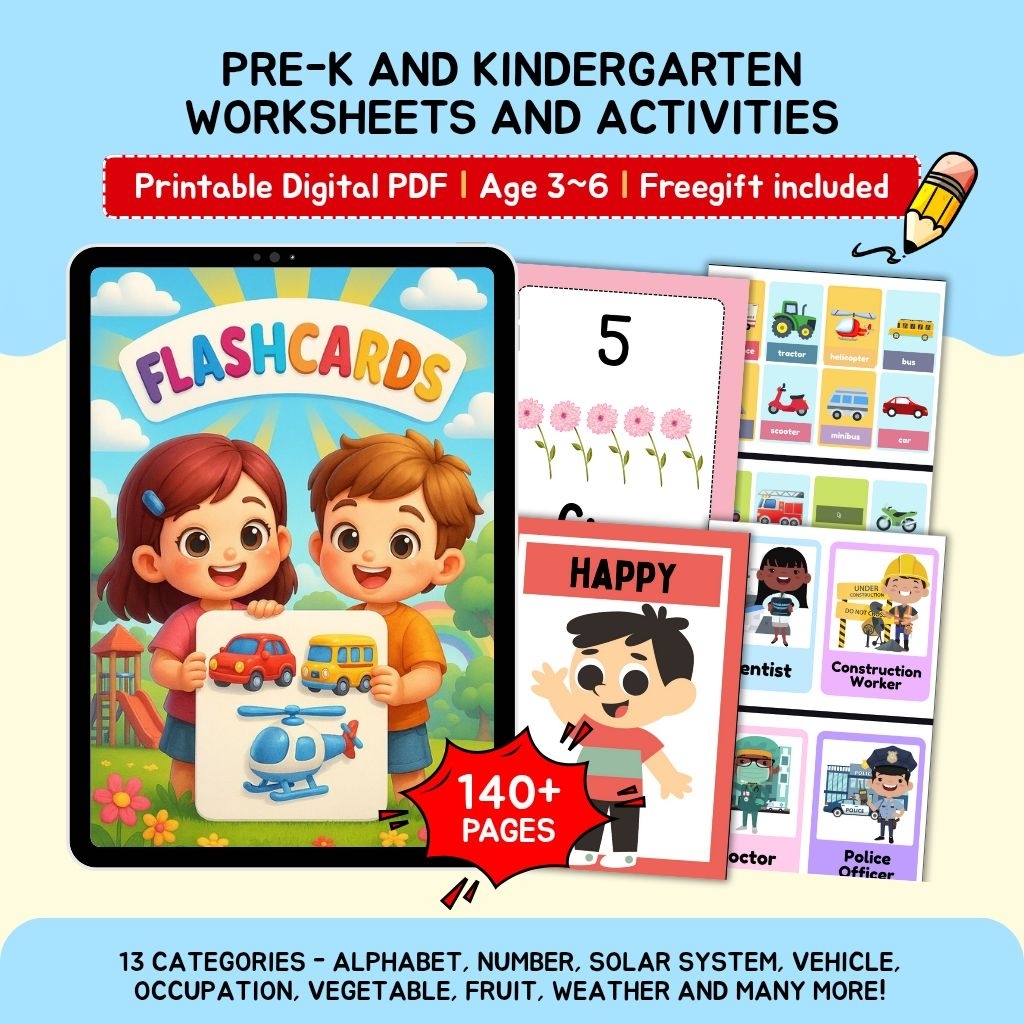
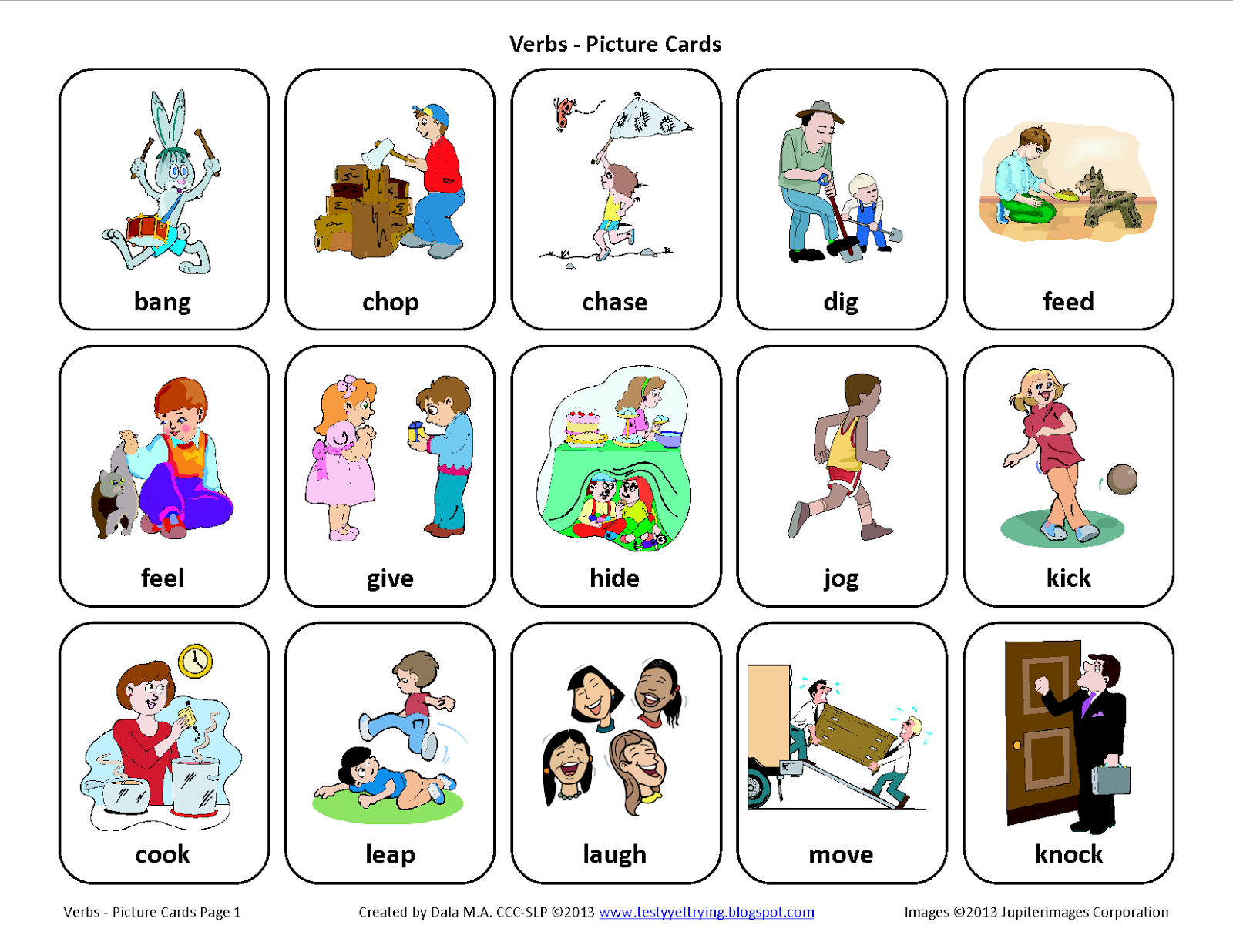
Picture flashcards for kindergarten serve as fundamental cognitive tools that bridge concrete photographic imagery and abstract spatial reasoning. According to the National Association for the Education of Young Children (NAEYC), intentional visual arts integration and direct object observation significantly enhance early literacy, fine-motor coordination, and spatial awareness in young learners. Integrating real photo visual cards with structured Grid Drawing worksheets transforms passive observation into active proportion estimation. Educators and caregivers utilize these combined modalities to systematically develop visual-spatial perception, laying a robust foundation for geometric and artistic proficiency.
Visual Learning & Skill Snapshot:
- Core Focus: Picture flashcards for kindergarten combined with grid-based reproduction worksheets.
- Target Skill: Spatial reasoning, visual discrimination, fine-motor proportion, and photo-based concept mastery.
- Key Recommendation: Pair high-contrast photographic cards with scaled 2×2 coordinate grids to scaffold early observational accuracy.
Core Principles and Visual Learning Overview
Real photographic visual cards teach children to isolate visual elements, decode shapes, and translate physical dimensions onto paper surfaces. Utilizing curated Photo Flashcards alongside printable grid worksheets allows children to practice coordinate mapping, line orientation, and scale transformation without cognitive overload. When children examine a photographic reference card and recreate it square-by-square, neural pathways dedicated to visual-motor integration strengthen rapidly. This hands-on process elevates simple drawing tasks into rigorous cognitive exercises that foster meticulous attention to detail and patience.
Key Specifications and Breakdown
| Age / Learning Stage | Visual Skill & Grid Ratio | Pedagogical Application & Scaffolding |
|---|---|---|
| Ages 4-5 (Early Kindergarten) | 1×1 Simple Grid, High-Contrast Photo Cards | Focuses on basic shape isolation, corner-to-corner line tracing, and single-object recognition. |
| Ages 5-6 (Mid Kindergarten) | 2×2 Coordinate Grid, Real-World Photo Sets | Emphasizes proportion estimation, spatial alignment, and identifying intersecting line segments. |
| Ages 6-7 (Late Kindergarten/Grade 1) | 3×3 Complex Grid, Detailed Photographic Reference | Requires advanced visual analysis, symmetry tracking, and precise pencil-control scaling. |
Early childhood art education frameworks emphasize that mastering coordinate-based visual translation directly improves symbolic representation and mathematical geometry readiness. — National Art Education Association (NAEA). Related guide: Animal Photo Flashcards.
Step-by-Step Practical Application and Printing Guidelines
Executing successful visual drawing exercises requires durable printing stock, clear photographic reference cards, and methodical student scaffolding. Educators should print picture flashcards for kindergarten on heavy cardstock and laminate the sheets to withstand repeated handling during daily learning rotations. To execute an effective lesson, place a single photo card at eye level next to a corresponding grid worksheet. Instruct the child to inspect only one grid quadrant at a time, locating key anchor points where lines intersect before drawing the stroke. This methodical isolation technique prevents overwhelm and reinforces accurate proportion estimation.
Common Challenges and How to Avoid Them
Young learners frequently struggle with scale distortion and losing track of quadrant coordinates when transitioning from photo cards to blank drawing grids. Overcoming this hurdle involves introducing color-coded grid boundaries and starting with simple, organic shapes found in nature before progressing to complex man-made objects. Guiding children to use a finger or pointer card to isolate individual squares on both the flashcard and the worksheet ensures they maintain accurate visual tracking. Providing consistent, non-judgmental feedback focused on observation rather than artistic perfection keeps young learners motivated and engaged.
💬 Frequently Asked Questions
Explore More Free Learning Printables and Visual Activities on WePhotoAgency
Empowering young minds through structured visual arts and cognitive exercises transforms early education into an inspiring journey of discovery. Explore additional classroom resources, printable worksheets, and creative Educational Activities designed by experienced specialists by visiting the main library at WePhotoAgency.com.
Visual Reference Gallery