Introduction
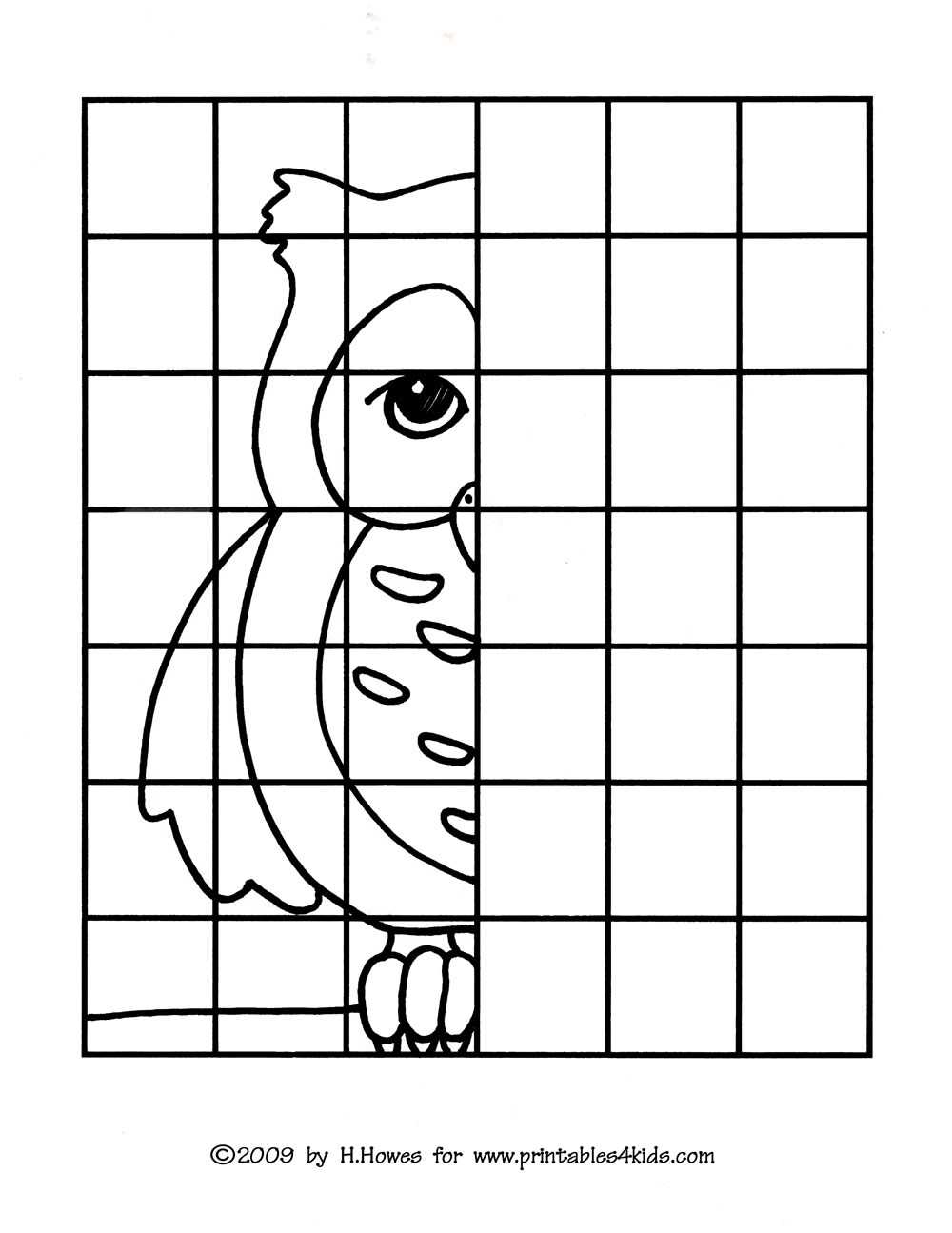
Jungkook grid drawing is a specialized instructional method that utilizes structured geometric coordinate systems overlaid onto reference celebrity photographs to teach children spatial awareness, line accuracy, and proportionate scaling. According to the National Art Education Association (NAEA), structured observational drawing techniques systematically enhance cognitive mapping and fine-motor control in developing learners. Utilizing a dedicated Grid Drawing template helps break complex photographic subjects into manageable visual quadrants, allowing children to decode angles and curves without feeling overwhelmed by an entire composition.
Visual Learning & Skill Snapshot:
- Core Focus: Systematic coordinate-based proportion estimation using popular portrait references.
- Target Skill: Spatial reasoning, visual discrimination, fine-motor proportion, and photo-based concept mastery.
- Key Recommendation: Pair large-scale coordinate worksheets with Photo Flashcards to reinforce visual memory and coordinate tracking before pencil application begins.
Core Principles and Visual Learning Overview
Jungkook grid drawing transforms abstract artistic creation into a structured puzzle by teaching learners to isolate individual sections of an image rather than attempting to render the whole subject at once. When children focus exclusively on the lines and negative spaces contained within a single square—such as row B, column 3—the brain bypasses symbolic shortcuts and engages high-level observational processing. This method bridges the gap between casual doodling and professional drafting, making complex portraiture accessible through proven Educational Activities designed for structured classrooms and home study environments.
Key Specifications and Breakdown
| Age / Learning Stage | Visual Skill & Grid Ratio | Pedagogical Application & Scaffolding |
|---|---|---|
| Ages 6–7 (Early Learners) | 2×2 or 3×3 low-density grids | Focuses on basic contour recognition and simple line intersection within primary coordinates. |
| Ages 8–10 (Intermediate) | 4×4 balanced portrait grids | Develops proportion estimation, shading gradients, and relative spatial positioning across quadrants. |
| Ages 11+ (Advanced Youth) | 6×6 high-detail coordinate blocks | Refines fine-motor precision, micro-observation, and realistic value translation from real photos. |
Systematic visual division frameworks significantly reduce cognitive load during complex observational tasks, enabling children to translate 2D reference points into accurate physical representations with measurable precision. — National Art Education Association (NAEA)
Step-by-Step Practical Application and Printing Guidelines
Jungkook grid drawing implementation requires printing both the reference photo sheet with an overlaid grid and a corresponding blank grid worksheet on heavy cardstock to prevent buckling under eraser friction. Educators must instruct learners to number rows and label columns identically on both sheets to maintain spatial orientation. Begin by locating specific anchor points—such as the inner corner of an eye or the apex of a hairline—and plotting those coordinates first before connecting intermediate contour lines with a light 2H pencil.
Common Challenges and How to Avoid Them
Jungkook grid drawing errors typically occur when young artists rush across the entire page instead of completing one individual grid square at a time. To counteract this tendency, encourage learners to use a blank index card or masking window to isolate the active square, effectively blocking out visual distractions from surrounding quadrants. Additionally, ensuring that both the reference image and the drawing sheet share an exact 1:1 scale prevents proportion distortion and fosters reliable self-correction habits.
💬 Frequently Asked Questions
Explore More Free Learning Printables and Visual Activities on WePhotoAgency
Elevate developmental art curricula and homeschooling sessions by exploring the comprehensive resource library at WePhotoAgency.com. Discover an extensive collection of printable templates, structured drawing grids, and visual learning materials engineered to support cognitive growth and creative expression at every educational stage.
Visual Reference Gallery