Introduction
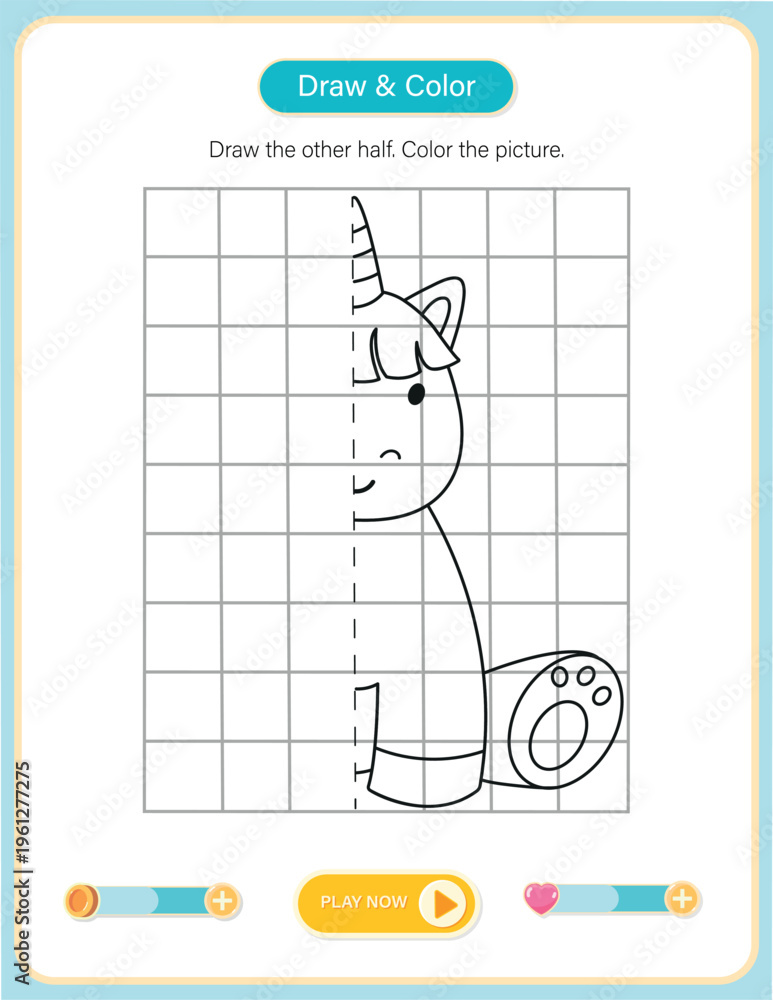
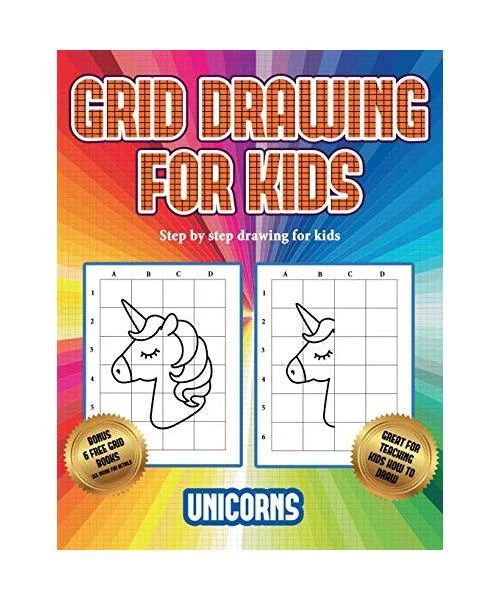
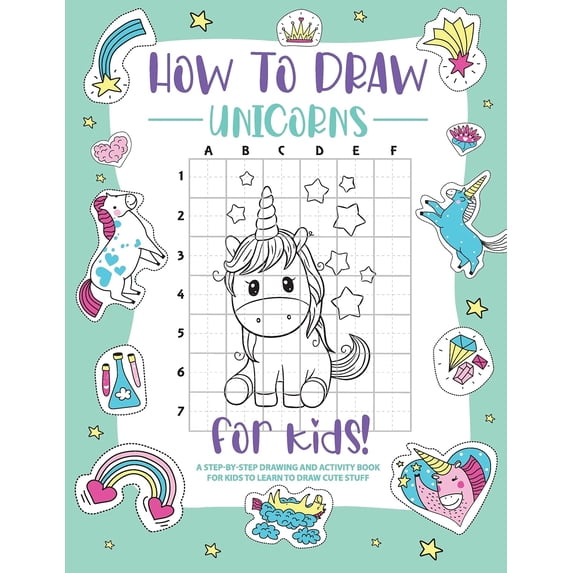
Unicorn grid drawing combines fantasy imagery with structured geometric mapping to systematically build foundational cognitive skills, spatial awareness, and proportional accuracy in early childhood development. According to the National Association for the Education of Young Children (NAEYC), structured visual-spatial activities materially enhance a child’s mathematical readiness and fine-motor precision through deliberate observational practice. Integrating engaging fantasy subjects like mythical creatures transforms abstract coordinate mapping into an accessible, highly motivating challenge for young learners. Educators and parents frequently utilize printable Grid Drawing worksheets to break complex forms down into manageable coordinate squares. Grounded in evidence-based art education, this technique strengthens perceptual organization by training the brain to analyze lines, angles, and negative space piece by piece rather than attempting to process an entire complex illustration at once.
Visual Learning & Skill Snapshot:
- Core Focus: Systematic spatial decomposition and precise reproduction of mythical line art using a coordinate grid system.
- Target Skill: Spatial reasoning, visual discrimination, fine-motor proportion control, and analytical observation.
- Key Recommendation: Pair large-format 4×4 coordinate grids with realistic Photo Flashcards to bridge concrete visual reference points with abstract drawing exercises.
Core Principles and Visual Learning Overview
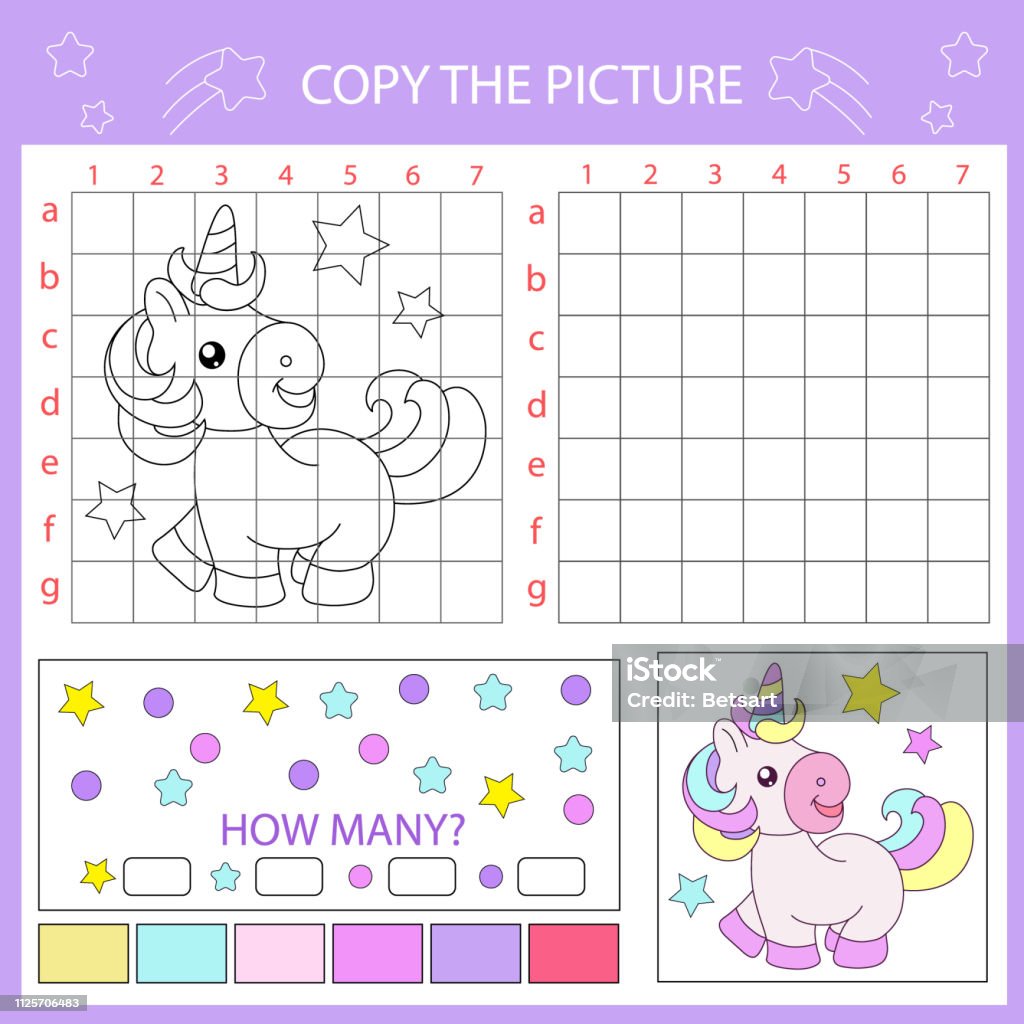
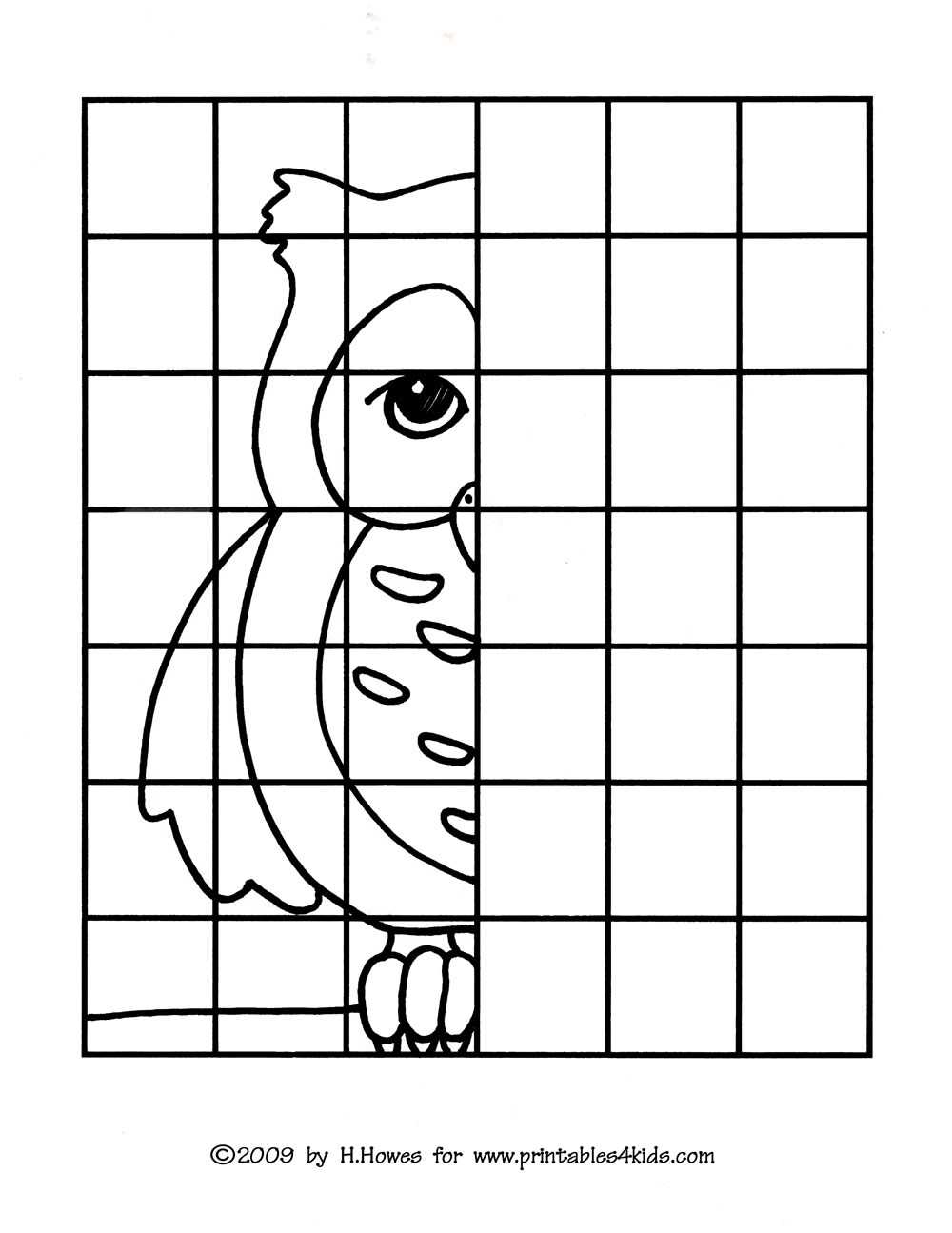
Unicorn grid drawing operates by dividing a reference picture into a matrix of smaller squares, requiring the artist to isolate and replicate the visual contents of each individual quadrant. This deliberate segmentation shifts cognitive processing from holistic guesswork to analytical observation, forcing young minds to notice where lines intersect coordinates, how curves arc across grid boundaries, and what proportion of empty space surrounds a given shape. When children engage in these Educational Activities, they build vital hand-eye coordination alongside cognitive flexibility. By focusing on a single grid cell at a time, children eliminate the intimidation factor of drawing a complete subject, making advanced proportion estimation attainable for early elementary learners and homeschoolers alike.
Key Specifications and Breakdown
| Age / Learning Stage | Visual Skill & Grid Ratio | Pedagogical Application & Scaffolding |
|---|---|---|
| Ages 4-5 (Early Kindergarten) | 2×2 or 3×3 simple grids with thick lines | Focuses on basic shape recognition and simple coordinate tracking without overwhelming fine-motor demands. |
| Ages 6-7 (Early Elementary) | 4×4 balanced coordinate matrix | Targets proportional estimation, line continuity across intersecting grid lines, and attention to detail. |
| Ages 8+ (Advanced Beginners) | 6×6 detailed grids with diagonal vectors | Enhances advanced spatial awareness, angular precision, and complex contour mapping of organic forms. |
Visual-spatial manipulation training directly accelerates mathematical matrix comprehension and early geometry readiness in primary grade development. — National Art Education Association (NAEA)
Step-by-Step Practical Application and Printing Guidelines
Executing a successful unicorn grid drawing session begins with selecting high-resolution printable worksheets that feature clear, high-contrast grid lines and uncluttered reference images. Educators should instruct learners to examine the top-left coordinate square first, identifying specific intersection points where the mane, horn, or ear crosses the grid border before putting pencil to paper. Scaffolding the activity involves covering the remaining grid cells with a blank sheet of paper to minimize visual clutter and distraction, allowing the child to focus exclusively on one isolated box at a time. Using light, erasable graphite strokes permits easy corrections when proportion adjustments are needed, while a final ink outlining phase solidifies confidence and creates a polished finished artwork.
Common Challenges and How to Avoid Them
Children frequently encounter frustration when attempting to draw an entire feature across multiple grid squares simultaneously instead of isolating each cell individually. To prevent this common error, guides should explicitly teach students to look exclusively at coordinate markers—such as row numbers and column letters—to verify where lines start and stop within a specific box. Another frequent hurdle involves drawing with excessive pencil pressure, which makes erasing guideline mistakes difficult and smudges the paper. Emphasizing light, feathery preliminary sketching ensures that young artists can refine proportions iteratively without damaging the worksheet surface or creating visual fatigue during extended learning sessions.
💬 Frequently Asked Questions
Explore More Free Learning Printables and Visual Activities on WePhotoAgency
Unlocking full cognitive and artistic potential requires access to diverse, high-quality educational tools designed for growing minds. Explore the comprehensive collection of printable worksheets, creative exercises, and visual learning resources available across WePhotoAgency.com to support continuous skill development at home and in the classroom.
Visual Reference Gallery