Introduction
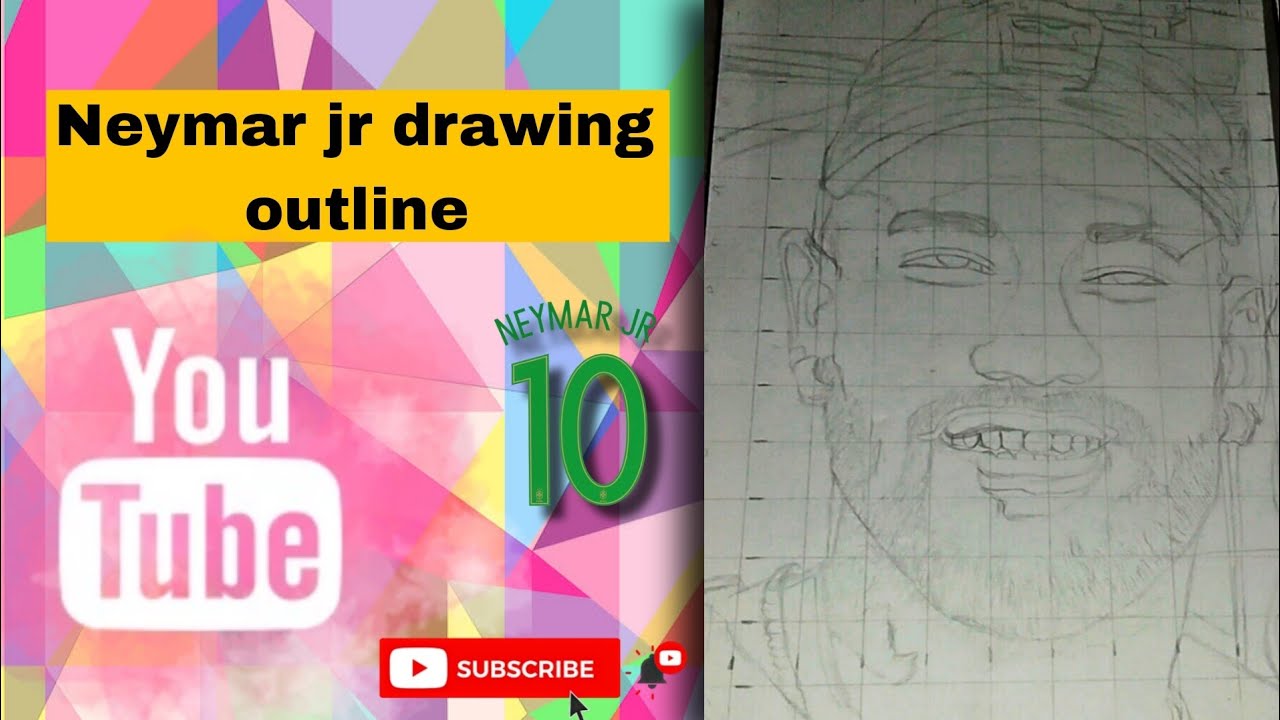
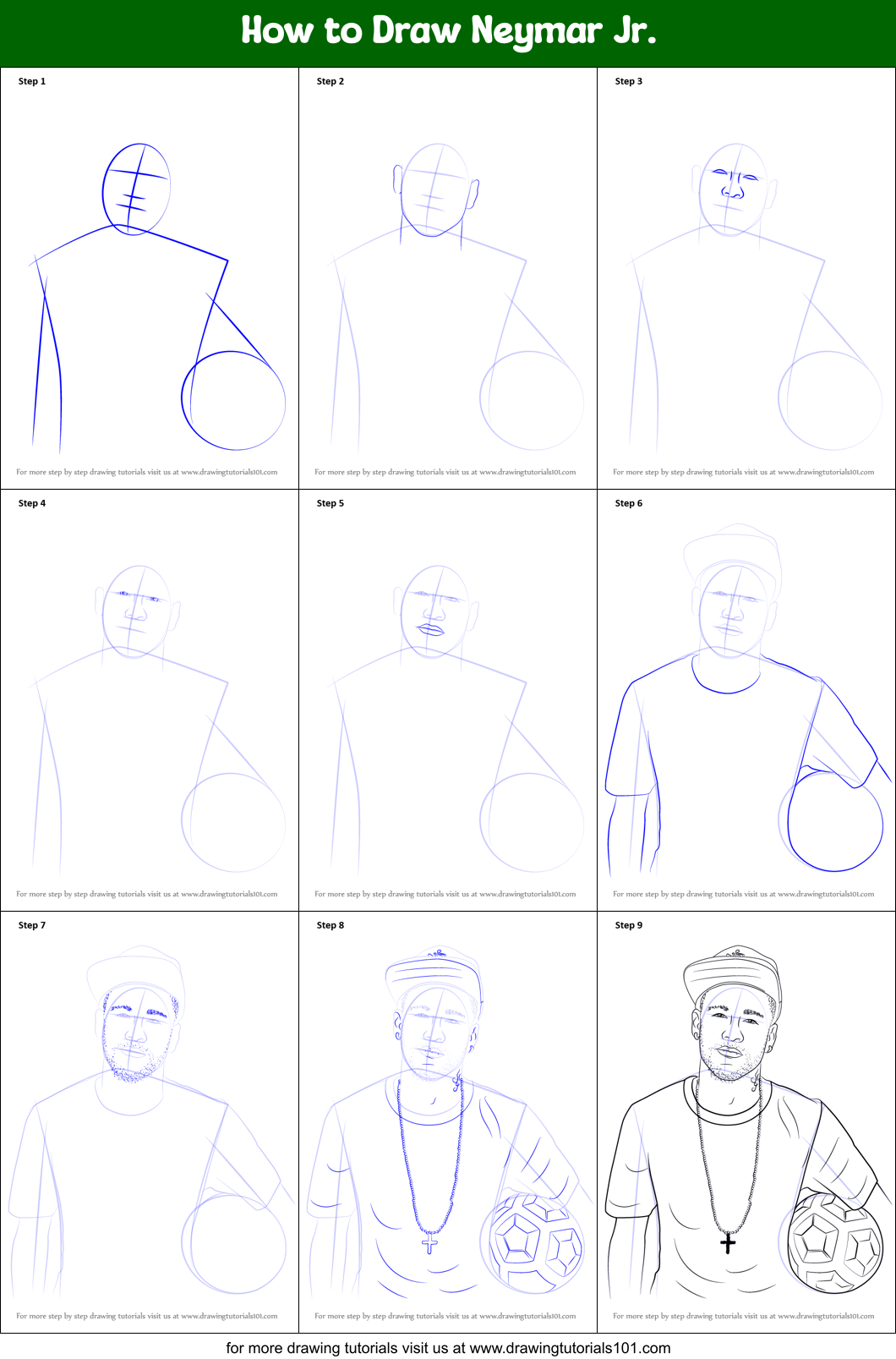
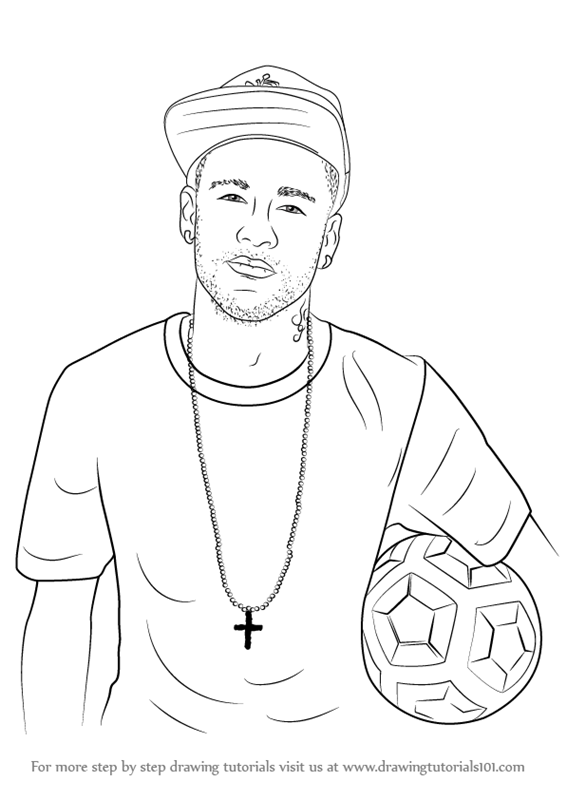
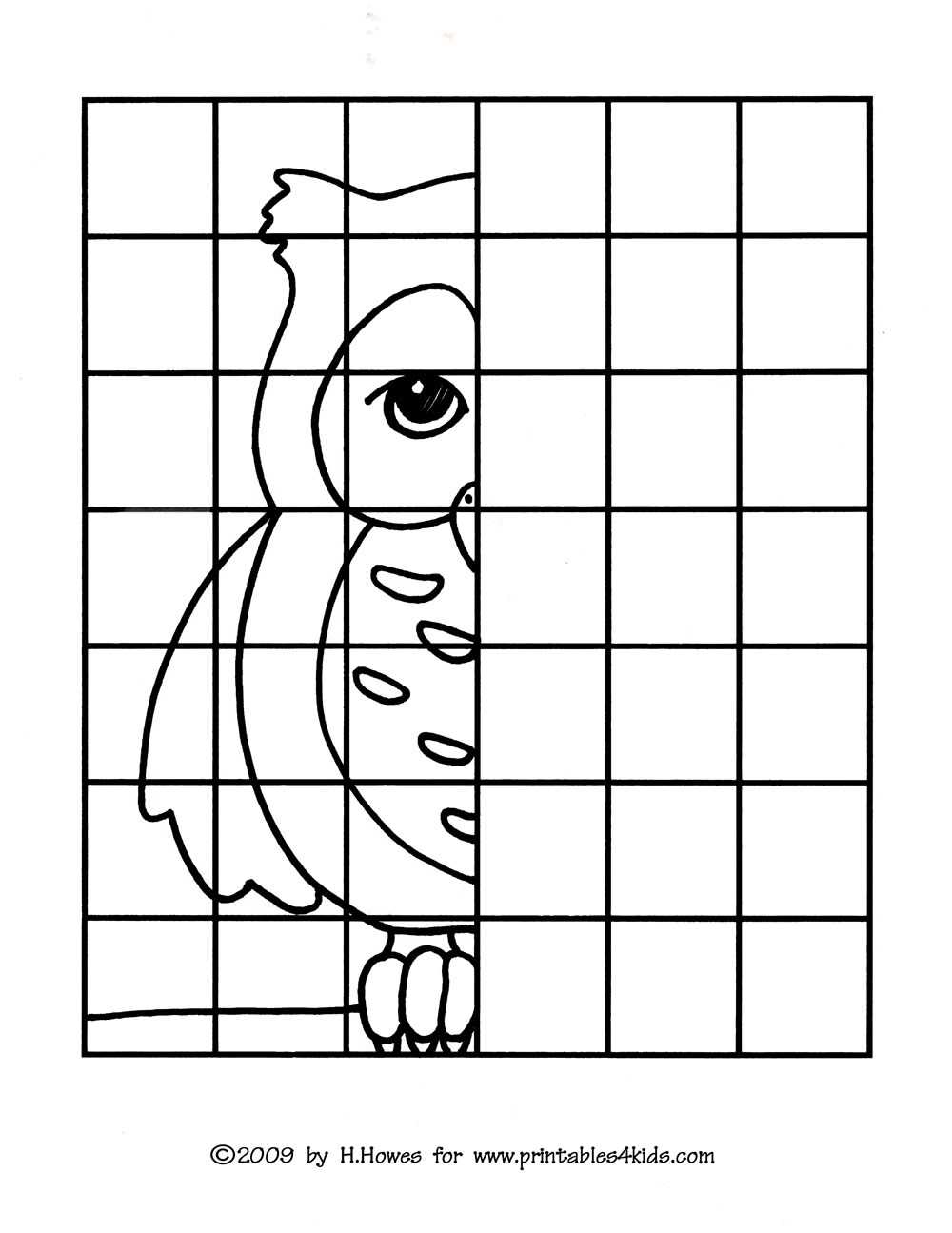
Neymar grid drawing is a specialized educational art method that utilizes coordinate-based breaking of photographic reference images to teach early elementary children proportion estimation, spatial awareness, and meticulous observation. According to the National Association for the Education of Young Children (NAEYC), structured visual arts activities significantly enhance cognitive mapping, hand-eye coordination, and fine-motor control during foundational developmental years. Educators and parents frequently incorporate such targeted graphic templates to bridge the gap between abstract visual processing and concrete manual execution. Utilizing structured resources found within professional educational platforms like Grid Drawing collections empowers children to deconstruct complex shapes systematically.
Visual Learning & Skill Snapshot:
- Core Focus: Coordinate-based visual reproduction using real photographic sports references.
- Target Skill: Spatial reasoning, visual discrimination, fine-motor proportion, and coordinate mapping.
- Key Recommendation: Start early learners with simplified 2×2 or 3×3 grids before progressing to complex multi-box portrait worksheets.
Core Principles and Visual Learning Overview
Coordinate grid copying operates by reducing an intricate subject, such as a professional athlete photograph, into manageable, isolated segments that eliminate overwhelming visual clutter. This cognitive strategy relies on breaking down global perceptions into localized geometric coordinates, allowing young artists to focus purely on lines, angles, and negative space within a single square. Such methodologies seamlessly integrate with Photo Flashcards to reinforce visual literacy and memory retention. By shifting attention from the entire subject to individual grid coordinates, children overcome the common psychological barrier of feeling intimidated by realistic drawing tasks, thereby fostering independent problem-solving abilities and sustained focus.
Key Specifications and Breakdown
| Age / Learning Stage | Visual Skill & Grid Ratio | Pedagogical Application & Scaffolding |
|---|---|---|
| Ages 5-6 (Early Elementary) | 2×2 Grid with Bold Outlines | Focuses on basic quadrant location and simple contour replication using high-contrast photo references. |
| Ages 7-8 (Developing Artists) | 4×4 Grid with Intermediate Detail | Emphasizes proportion estimation, diagonal line tracing, and accurate relative placement of facial features. |
| Ages 9+ (Advanced Beginners) | 6×6 Grid with Complex Shading | Targets fine-motor precision, tonal variation, and independent coordinate tracking across complex imagery. |
Structured visual arts instruction measurably improves spatial memory, geometric reasoning, and bilateral motor control in early childhood development. — National Art Education Association (NAEA)
Step-by-Step Practical Application and Printing Guidelines
Executing an effective grid drawing session requires high-contrast printouts, stable writing implements, and a distraction-free workspace that optimizes focus. Educators should print the source reference sheet and the corresponding blank grid worksheet side-by-side on heavyweight matte cardstock to prevent tearing from repeated erasing. Instruct children to tackle the grid systematically, moving row-by-row or quadrant-by-quadrant rather than jumping randomly across the page. Pairing these printing practices with engaging Educational Activities turns technical coordinate mapping into an exciting daily challenge that builds confidence and artistic discipline simultaneously.
Common Challenges and How to Avoid Them
Children often struggle with proportion distortion when they attempt to draw entire facial or athletic features without referencing the specific boundary lines of individual grid squares. To prevent this frustration, educators should encourage learners to use a blank index card to isolate one box at a time, effectively blocking out surrounding visual distractions. Guiding students to check where lines intersect the grid borders prior to sketching interior details ensures accurate alignment. Providing positive reinforcement for methodical progress rather than final aesthetic perfection keeps frustration levels low and nurtures a growth mindset in young creators.
💬 Frequently Asked Questions
Explore More Free Learning Printables and Visual Activities on WePhotoAgency
Enhance early childhood curriculums by accessing an extensive library of professional educational worksheets, printable resources, and visual development tools designed for home and classroom environments. Discover premium educational resources, structured art guides, and developmental printables by visiting WePhotoAgency.com today.
Visual Reference Gallery