Introduction
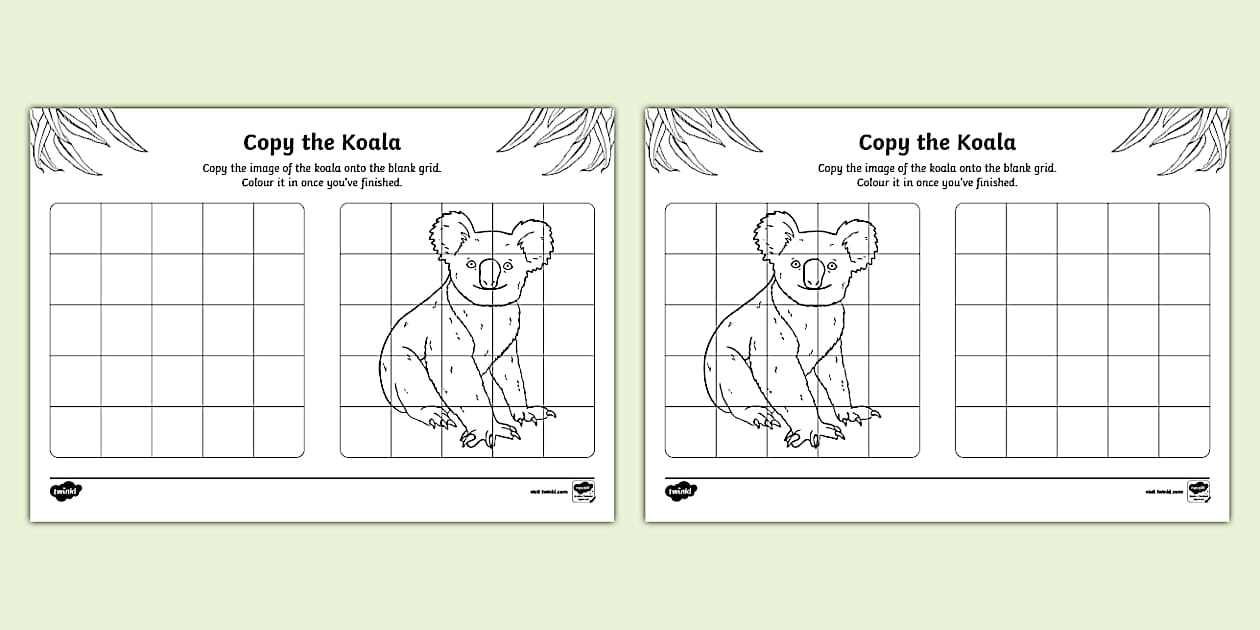
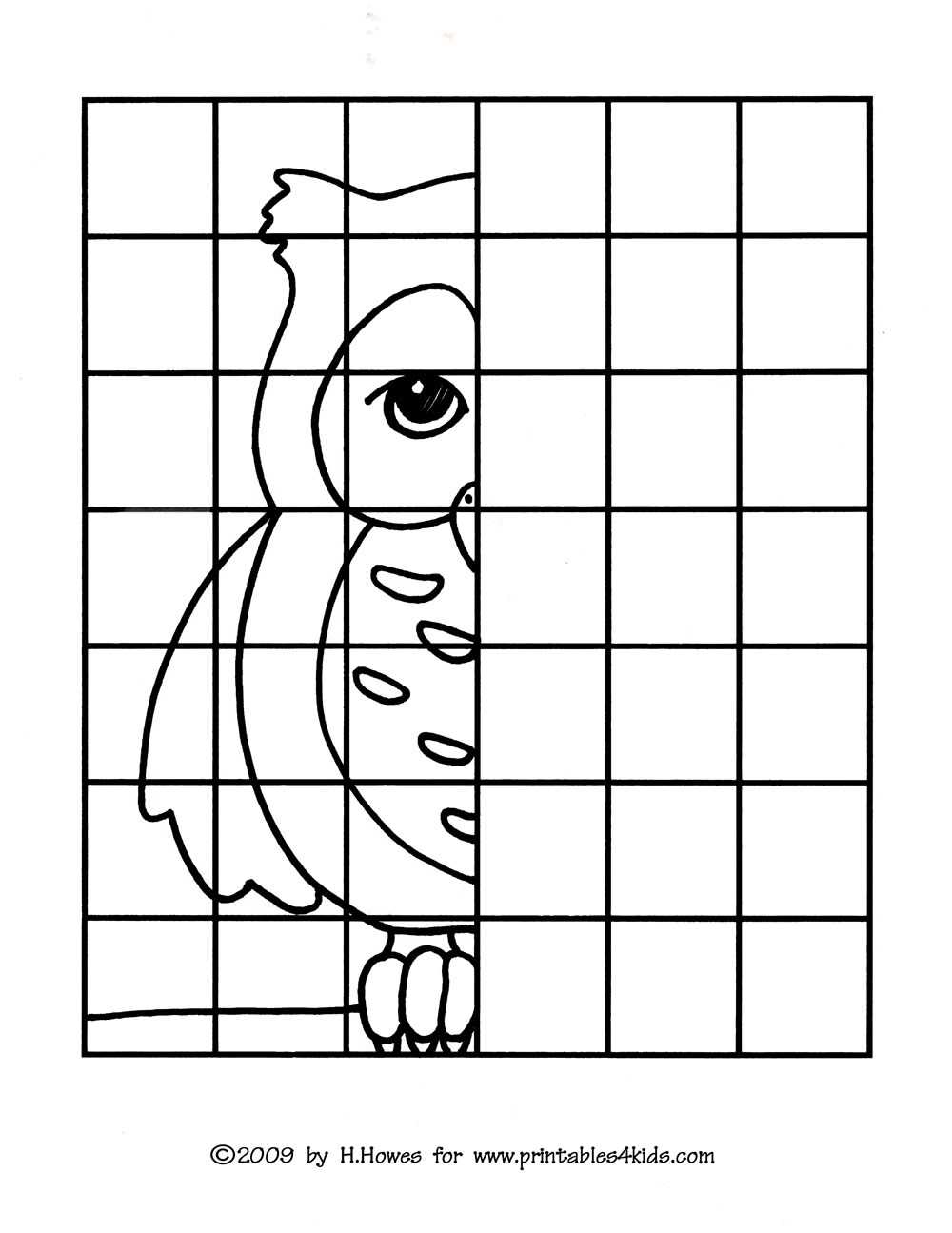
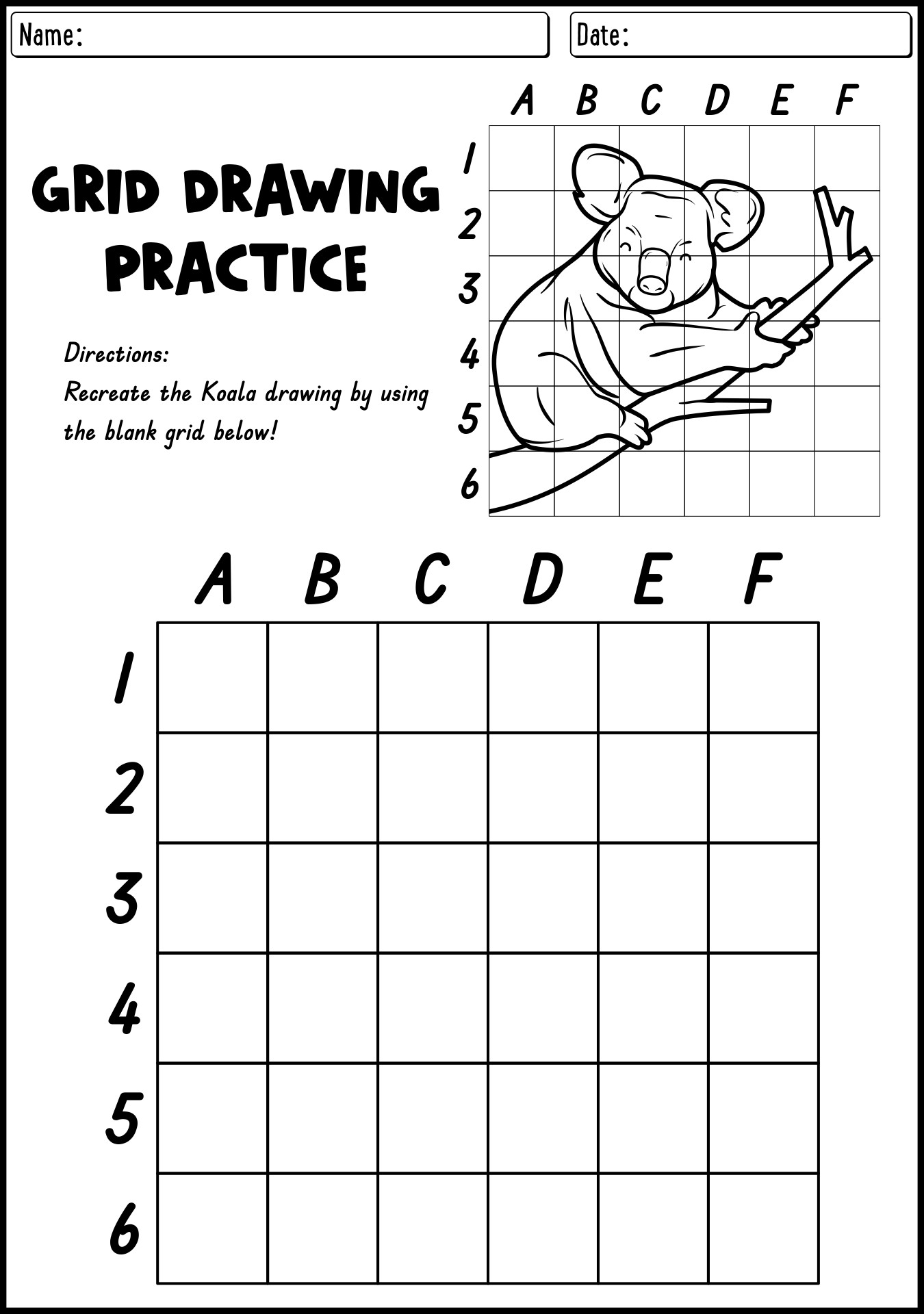
Koala grid drawing is a structured visual art technique that breaks down complex animal anatomy into manageable geometric coordinate squares for early learners. According to the National Association for the Education of Young Children (NAEYC), purposeful manipulation of visual spatial tools significantly strengthens children’s early cognitive mapping, bilateral coordination, and geometric perception. By pairing printable Grid Drawing worksheets featuring high-definition marsupial portraits with concrete observation tactics, educators help children transition from random scribbling to intentional, proportion-based illustration. These Educational Activities bridge the gap between creative expression and mathematical grid comprehension, establishing an essential foundation for early geometry and visual arts proficiency.
Visual Learning & Skill Snapshot:
- Core Focus: Systematic coordinate-based artistic reproduction using real animal reference photos.
- Target Skill: Spatial reasoning, visual discrimination, fine-motor proportion, and coordinate mapping.
- Key Recommendation: Utilize high-contrast photographic references alongside a balanced 4×4 coordinate grid for optimal early childhood success.
Core Principles and Visual Learning Overview
Spatial awareness and proportion estimation are successfully cultivated when learners isolate small portions of a subject rather than attempting to render the entire complex animal at once. Utilizing printable worksheets alongside realistic Photo Flashcards allows children to examine texture, curved lines, and negative space within discrete boundary lines. This method reduces cognitive overload by shifting focus from abstract freehand drawing to concrete coordinate matching. As children map distinctive features like rounded ears and button noses from a source square to a target square, they naturally internalize scale, symmetry, and spatial orientation without experiencing frustration.
Key Specifications and Breakdown
| Age / Learning Stage | Visual Skill & Grid Ratio | Pedagogical Application & Scaffolding |
|---|---|---|
| Ages 4-5 (Early Preschool) | 2×2 or 3×3 simple grid, thick reference lines | Focuses on broad shape recognition and simple coordinate tracking using familiar animal outlines. |
| Ages 6-7 (Kindergarten/1st Grade) | 4×4 standard grid, balanced detail scaling | Encourages precise line intersection observation, curve estimation, and pencil control. |
| Ages 8+ (Early Elementary) | 5×5 or greater, complex photographic shading | Builds advanced proportion calculation, texture replication, and independent artistic self-correction. |
Systematic visual breaking of complex forms into bounded coordinate fields directly accelerates fine-motor precision and spatial memory development in children aged four through eight — National Art Education Association (NAEA)
Step-by-Step Practical Application and Printing Guidelines
Successful implementation begins with selecting crisp, high-resolution printable worksheets that clearly display coordinate letters and numbers along the axes. Educators should print materials on heavy cardstock to prevent pencil tearing during repeated erasing and redrawing phases. Instruct learners to isolate one grid square at a time using an index card or view-finder window to minimize visual distraction from surrounding sections. Children observe where lines enter and exit each grid border on the reference image and replicate those exact entry points on their blank working grid before filling in intermediate curves and texture details.
Common Challenges and How to Avoid Them
Young learners frequently struggle with jumping across non-adjacent grid squares or attempting to draw the entire koala face simultaneously rather than working square by square. This common hurdle is easily corrected by enforcing a strict sequential workflow—starting from the top-left square and moving systematically across and down, exactly like reading text. Additionally, educators must ensure that reference sheets and working grids maintain identical dimensions to prevent proportion distortion, encouraging young artists to use light, erasable pencil strokes for initial guideline mapping.
💬 Frequently Asked Questions
Explore More Free Learning Printables and Visual Activities on WePhotoAgency
Discover an extensive collection of professional-grade visual learning tools, printable worksheets, and developmental resources by exploring the complete catalog at WePhotoAgency.com. Providing children with high-quality observational materials transforms early education into an engaging, structured journey of artistic and cognitive discovery.
Visual Reference Gallery