Introduction
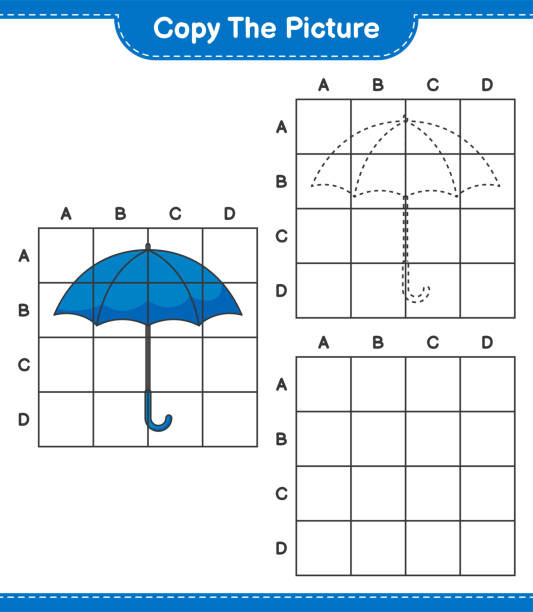
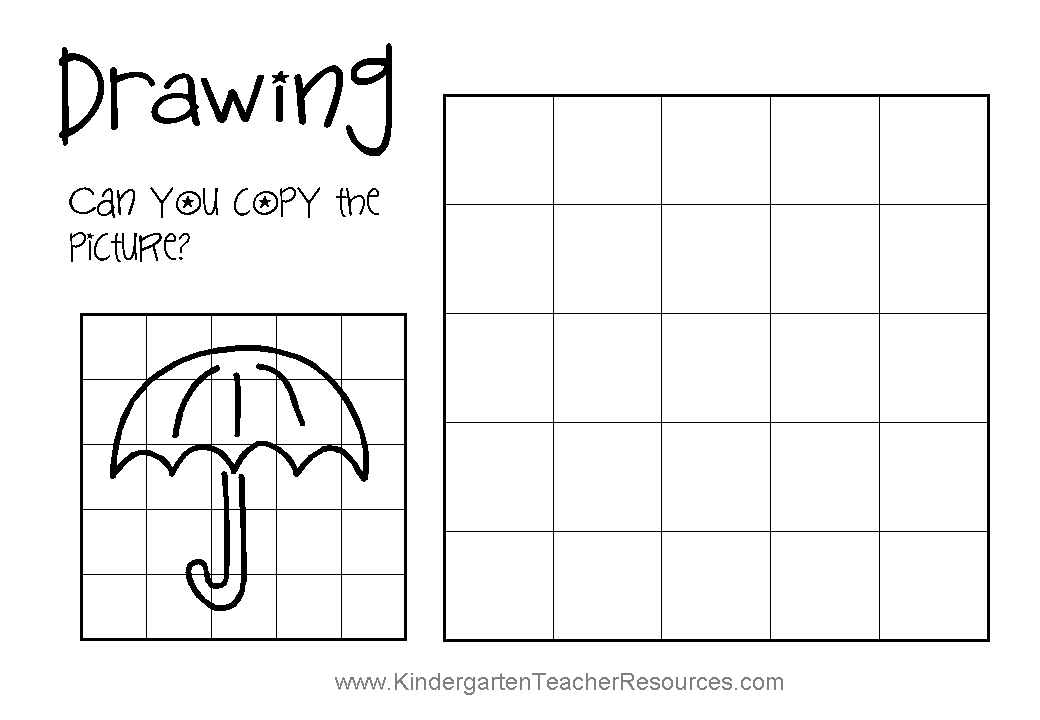
Umbrella grid drawing is a specialized visual-spatial learning method that simplifies complex photographic subjects into manageable geometric segments using a radiating, canopy-like coordinate structure. According to the National Art Education Association (NAEA), structured observational drawing techniques significantly enhance foundational visual literacy, hand-eye coordination, and spatial memory in children. By breaking down real photographic subjects into segmented intersecting lines, learners translate abstract visual inputs into concrete proportions. Educators utilize Grid Drawing materials alongside Photo Flashcards to strengthen early cognitive mapping, geometric comprehension, and fine-motor control during developmental growth stages.
Visual Learning & Skill Snapshot:
- Core Focus: Segmenting complex photographic images using radial or standard coordinate grids for accurate proportion replication.
- Target Skill: Spatial reasoning, visual discrimination, fine-motor proportion, and observation-based drawing mastery.
- Key Recommendation: Pair high-contrast real photo references with simplified grids before advancing to complex multi-sector layouts.
Core Principles and Visual Learning Overview
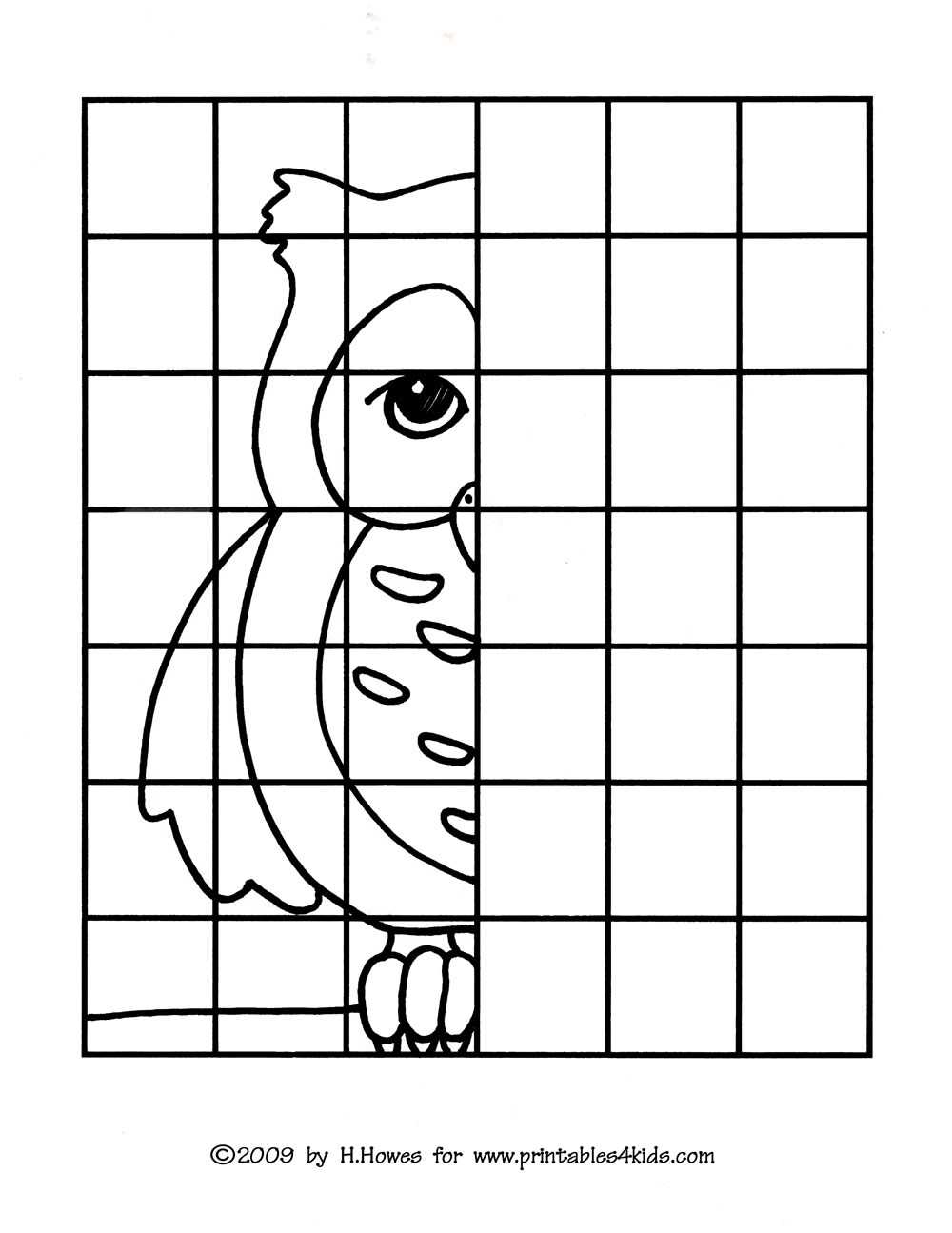
Spatial awareness and proportional estimation develop rapidly when children decode imagery through structured grid frameworks. Umbrella grid drawing functions by overlaying a quadrant or radial reference matrix onto a source photograph and a blank drawing sheet, allowing students to isolate individual shapes within specific coordinate cells. This technique diminishes cognitive overload by shifting focus away from the whole object and directing attention to lines, curves, and negative space inside localized boundaries. Utilizing printable worksheets alongside Educational Activities encourages systematic scanning, pattern recognition, and careful cognitive processing.
Key Specifications and Breakdown
| Age / Learning Stage | Visual Skill & Grid Ratio | Pedagogical Application & Scaffolding |
|---|---|---|
| Ages 4-6 (Early Foundation) | 2×2 or 3×3 simple quadrant grid | Focuses on basic shape alignment, line tracking, and gross proportion recognition using high-contrast photo references. |
| Ages 7-9 (Intermediate Growth) | 4×4 balanced coordinate matrix | Emphasizes detailed observational drawing, symmetry, intersecting angle mapping, and negative space awareness. |
| Ages 10+ (Advanced Practice) | Multi-sector radial or fine-line grid | Targets complex curve replication, accurate scaling, perspective adjustment, and fine-motor precision. |
Structured visual activities and grid-based representation directly support spatial reasoning, executive function, and bilateral motor integration during early childhood development. — National Art Education Association (NAEA)
Step-by-Step Practical Application and Printing Guidelines
Successful implementation requires high-resolution printable templates, clear photographic subjects, and proper scaling techniques. Select a clear, high-contrast reference photograph overlaid with an identical grid structure corresponding to the child’s blank worksheet. Instruct the learner to examine one individual grid box at a time, noting where lines intersect the borders before sketching the internal contours. Educators should print materials on heavy cardstock to prevent tearing during pencil erasure and repositioning, ensuring optimal lighting at the desk workspace to reduce visual strain and improve accurate color and shade perception.
Common Challenges and How to Avoid Them
Children frequently experience frustration when attempting to draw entire objects at once instead of focusing on isolated grid squares. Overcoming this hurdle involves using opaque paper masks to cover surrounding sections, forcing the learner to concentrate exclusively on a single coordinate cell at a time. If proportions appear distorted, verify that the reference grid and drawing grid maintain exact square dimensions and proportional ratios. Guiding learners to check boundary intersections before detailing internal textures ensures balanced scaling and accurate visual reproduction across every quadrant.
💬 Frequently Asked Questions
Explore More Free Learning Printables and Visual Activities on WePhotoAgency
Expand educational lesson plans and homeschooling resources by accessing the comprehensive library of developmental tools, worksheets, and visual exercises available directly at WePhotoAgency.com.
Visual Reference Gallery