Introduction
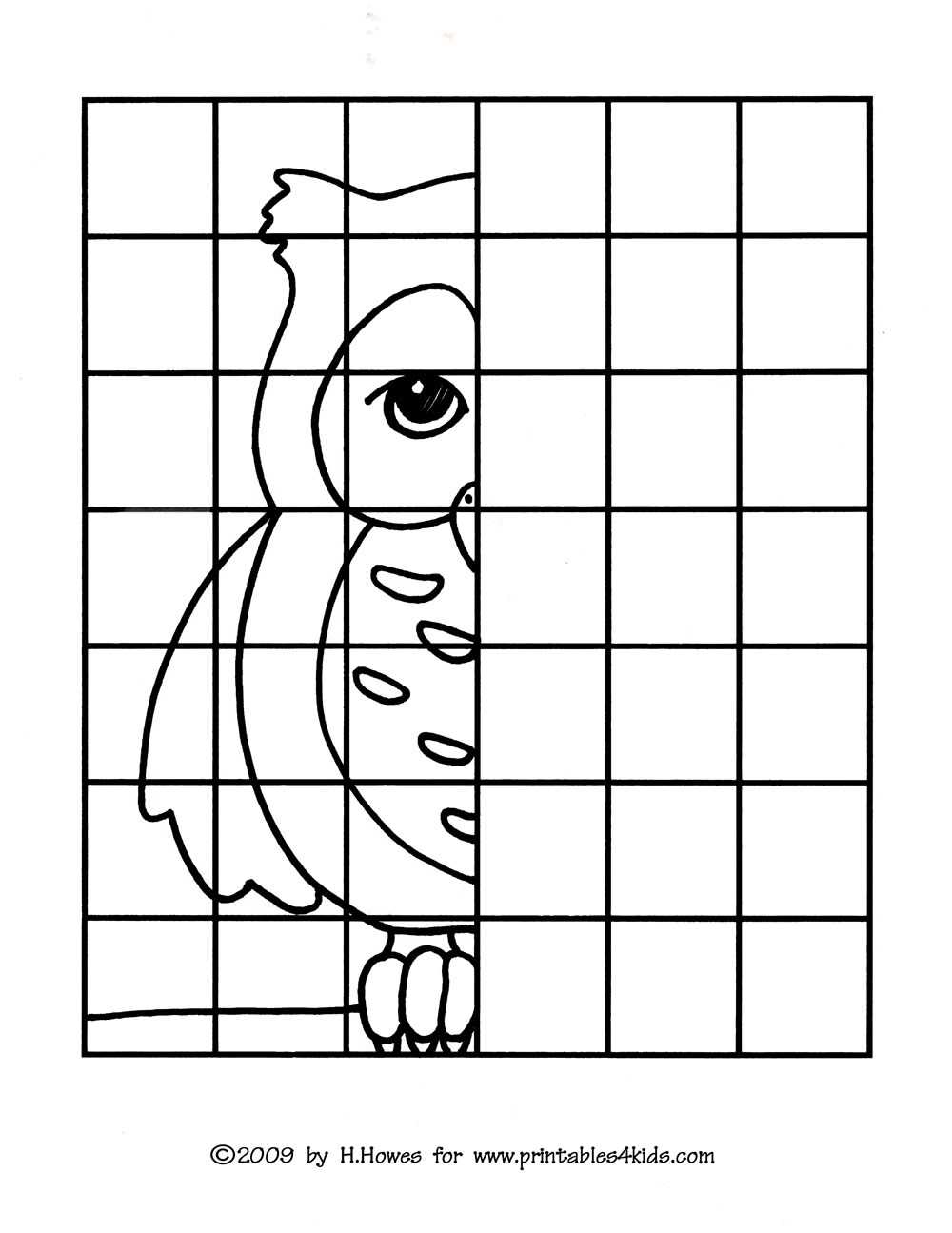
Joker grid drawing utilizes segmented coordinate systems and photographic reference materials to build fundamental spatial reasoning, proportion estimation, and fine-motor precision in developing learners. According to the National Association for the Education of Young Children (NAEYC), structured visual-art activities that require breaking down complex images into smaller, manageable components significantly enhance cognitive mapping, geometric understanding, and attentional focus in early childhood education. Integrating specialized printable worksheets into the daily curriculum transforms abstract artistic concepts into concrete, accessible learning steps. Through targeted practice with a Grid Drawing collection, children transition effortlessly from random scribbling to intentional, observational rendering.
Visual Learning & Skill Snapshot:
- Core Focus: Segmented coordinate-based image replication using photographic and printable templates.
- Target Skill: Spatial reasoning, visual discrimination, fine-motor proportion, and quadrant tracking.
- Key Recommendation: Pair structured worksheets with realistic Photo Flashcards to strengthen visual memory before pencil hits paper.
Core Principles and Visual Learning Overview
Spatial awareness is successfully strengthened when children isolate single grid squares rather than attempting to render an entire complex illustration at once. Joker grid drawing applies this exact compartmentalization technique by dividing a high-contrast reference image into an organized matrix of squares or rectangles. Children examine the contents of one specific box, locate the corresponding blank coordinate on their target template, and replicate the lines, curves, and shading observed within that isolated boundary. This cognitive process trains the brain to shift from conceptual symbol drawing—where a child draws what is known about an object—to true observational drawing, where the child records exact visual data. Educators leveraging various Educational Activities find that this methodical slicing of visual information reduces frustration and builds immediate confidence in young draftsmen.
Key Specifications and Breakdown
| Age / Learning Stage | Visual Skill & Grid Ratio | Pedagogical Application & Scaffolding |
|---|---|---|
| Ages 4-5 (Early Explorers) | 2×2 or 3×3 simple matrices with thick outlines | Focuses on basic shape recognition, corner-to-corner tracking, and gross motor pencil control. |
| Ages 6-8 (Early Elementary) | 4×4 balanced grids with moderate line complexity | Emphasizes proportion estimation, curve continuity, and quadrant coordinate identification. |
| Ages 9+ (Advanced Beginners) | 6×6 or higher detailed grids with photographic tones | Refines intricate shading, fine-motor precision, and holistic visual synthesis across boundaries. |
Structured visual-spatial training through segmented grid duplication directly accelerates hemispheric coordination, geometric comprehension, and fine-motor control during foundational cognitive development years. — National Art Education Association (NAEA)
Step-by-Step Practical Application and Printing Guidelines
Executing a successful grid drawing session requires high-contrast reference sheets, sturdy printable media, and clear step-by-step instruction for young learners. Begin by selecting a template that matches the current developmental stage, ensuring the grid lines are clearly marked with numbers across the top and letters down the side to establish a simple coordinate vocabulary. Provide learners with a masking tool—such as a small piece of cardstock with a window cutout—so they can cover extraneous squares and isolate only the active cell being drawn. Instruct participants to locate coordinate A1 on the reference card, analyze where lines intersect the grid borders, and lightly sketch those anchor points onto the blank template before connecting them. Consistent practice with clean, high-resolution printables ensures that visual distortion is minimized, allowing children to focus entirely on proportion and line accuracy.
Common Challenges and How to Avoid Them
Children frequently struggle with grid drawing when attempting to complete the entire picture without checking coordinate alignment or when rushing through complex diagonal intersections. Educators can prevent this common pitfall by teaching learners to scan surrounding anchor points, utilize light pencil pressure for initial guidelines, and double-check coordinate labels before drawing permanent lines. Another frequent obstacle involves visual fatigue caused by overly dense grids; resolving this requires stepping back to 2×2 or 3×3 formats until coordinate mapping becomes second nature. Providing verbal cues that prompt learners to describe what shapes they see inside a single box—rather than naming the object itself—breaks down cognitive bias and restores objective spatial observation.
💬 Frequently Asked Questions
Explore More Free Learning Printables and Visual Activities on WePhotoAgency
Unlocking the full potential of visual arts education requires access to high-quality, professionally designed printables that support every stage of cognitive and motor development. Educators, parents, and homeschoolers are invited to browse the extensive collection of printable resources, structured exercises, and developmental tools available at WePhotoAgency.com to elevate daily learning experiences.
Visual Reference Gallery