Introduction
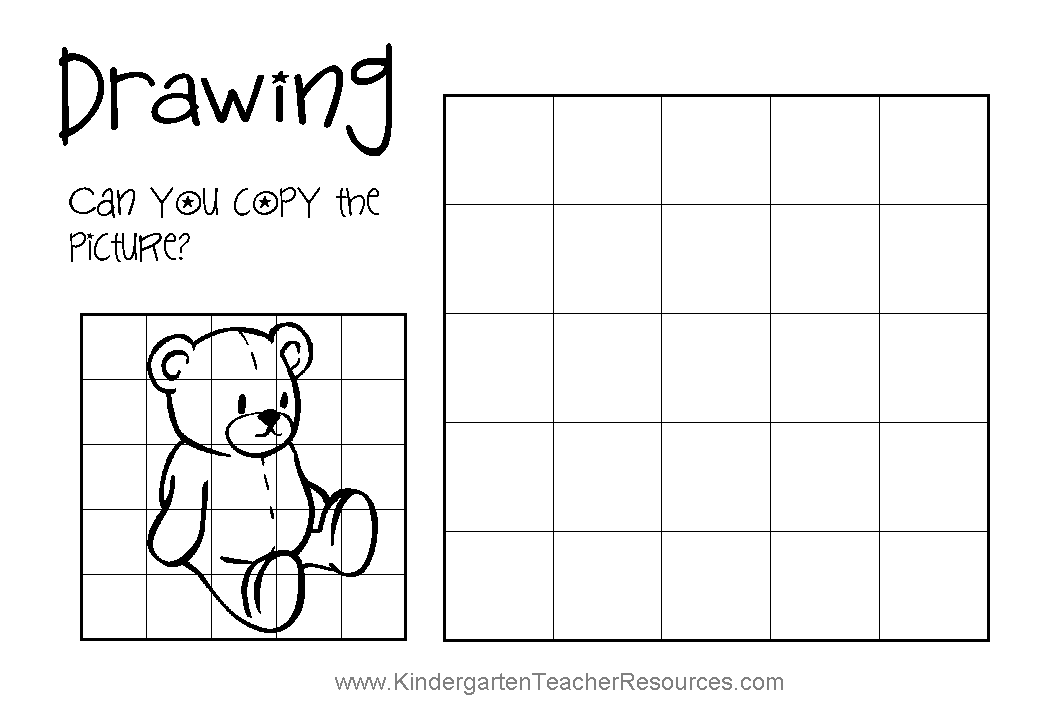
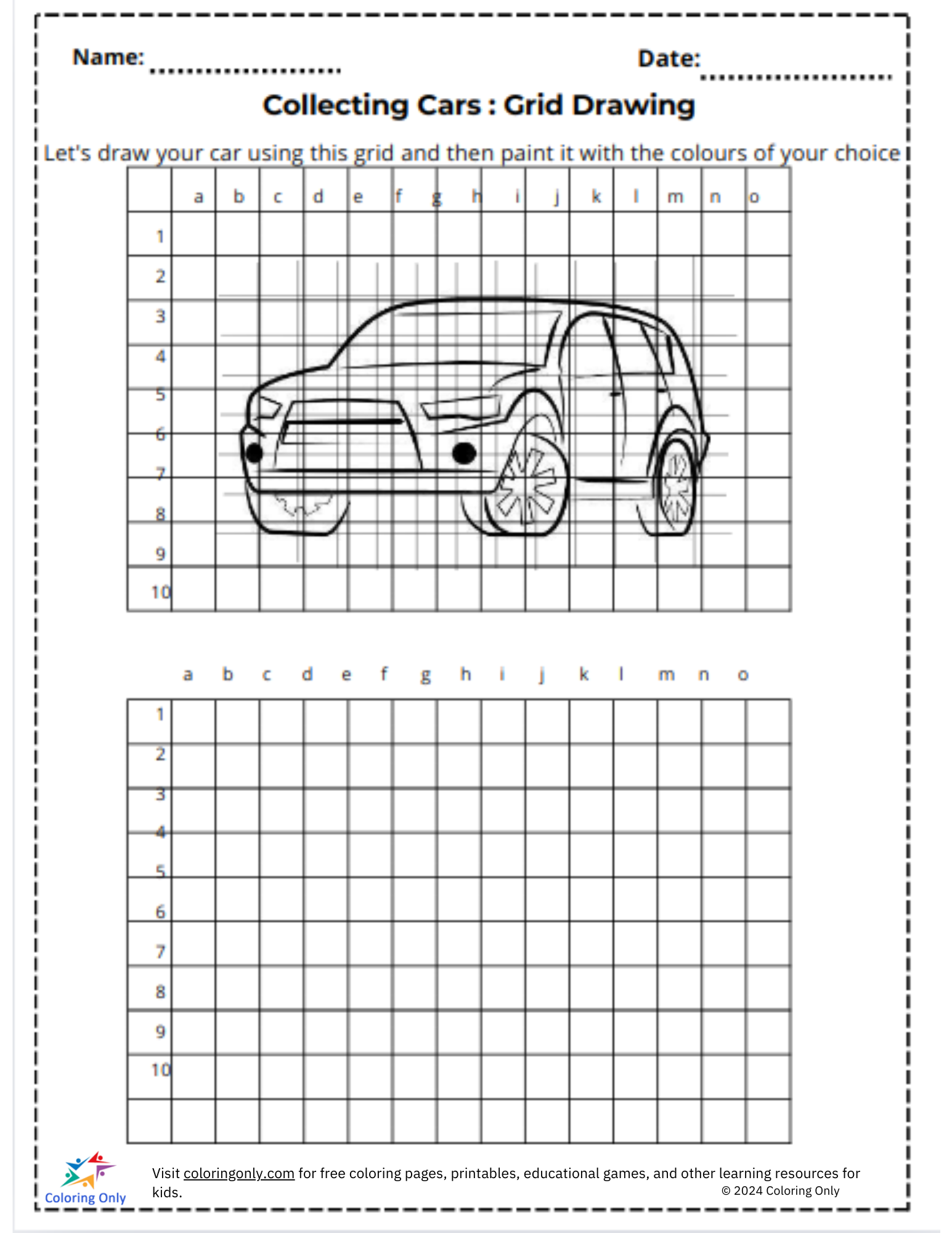
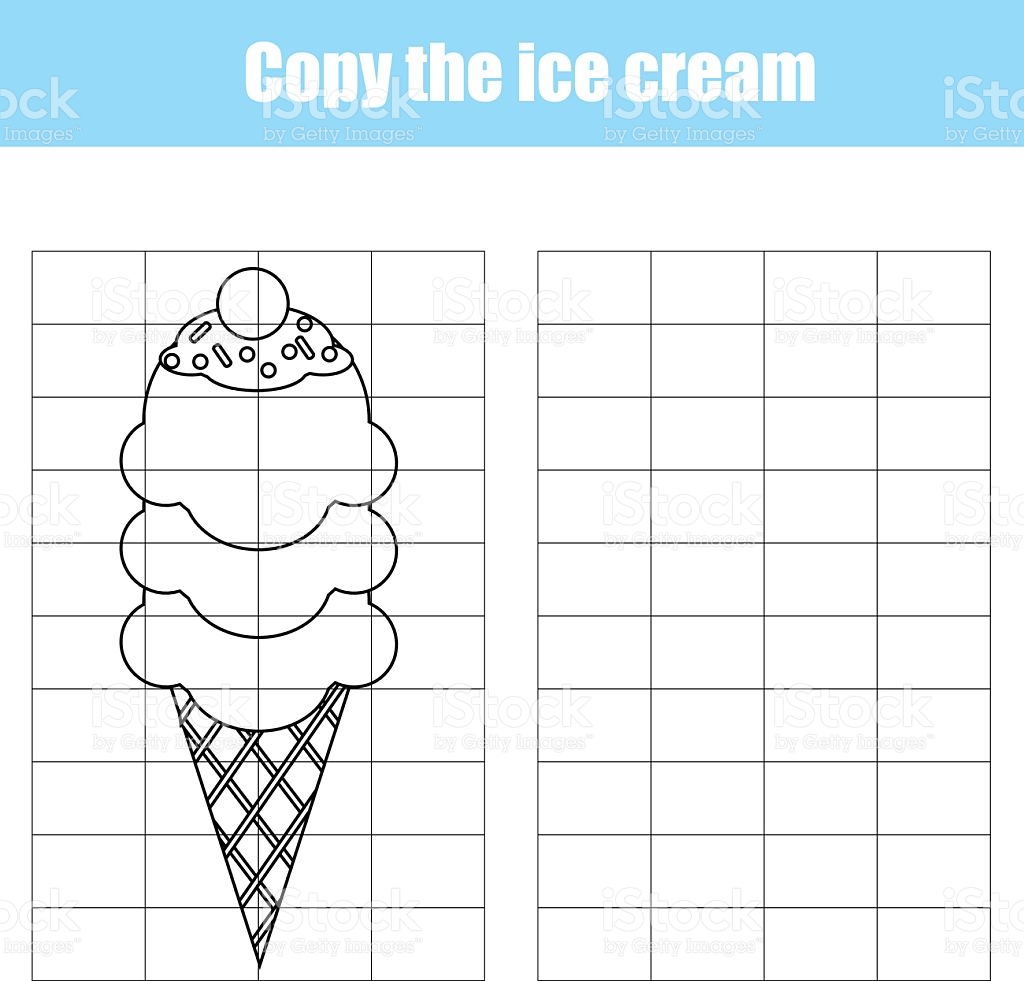
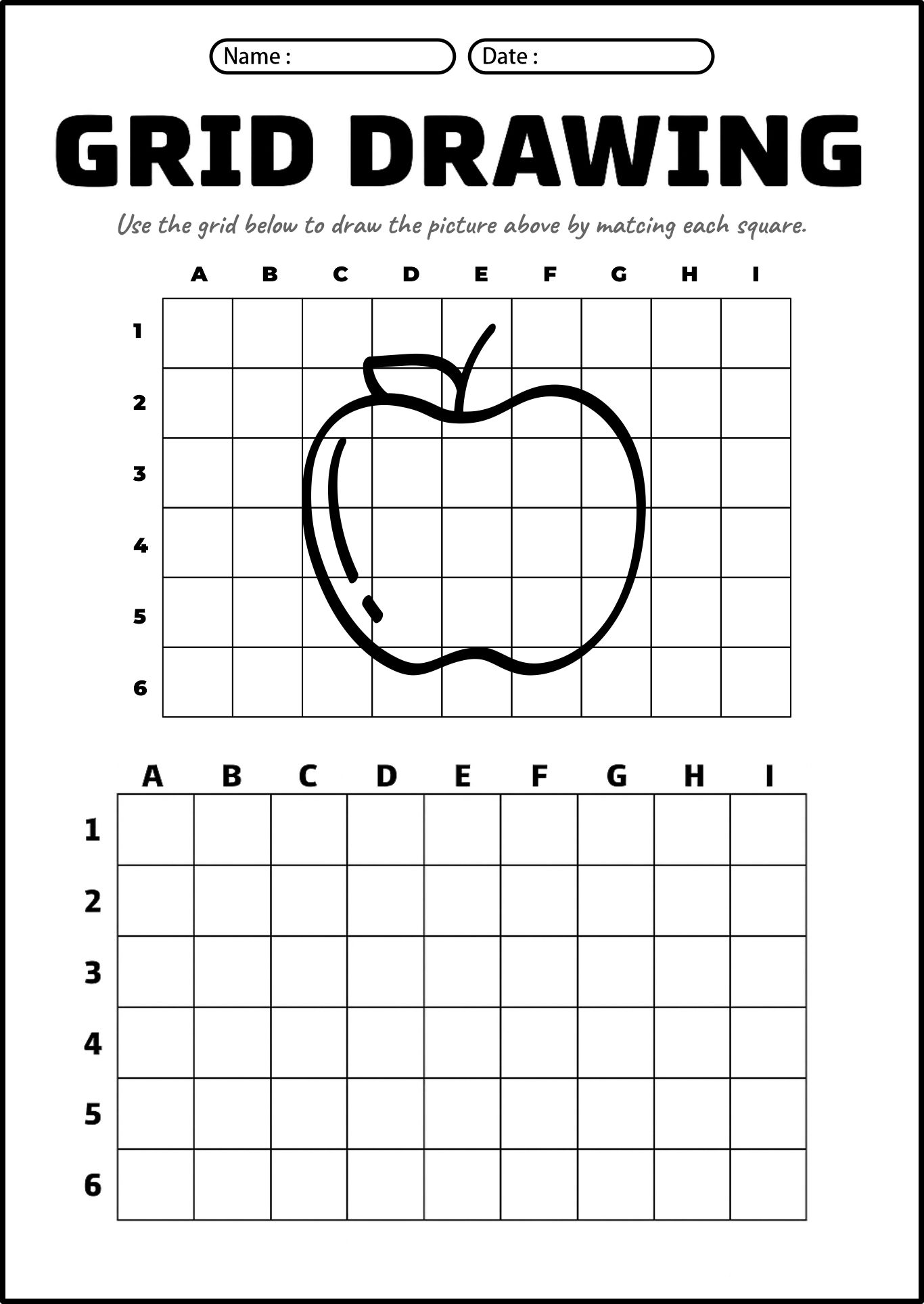
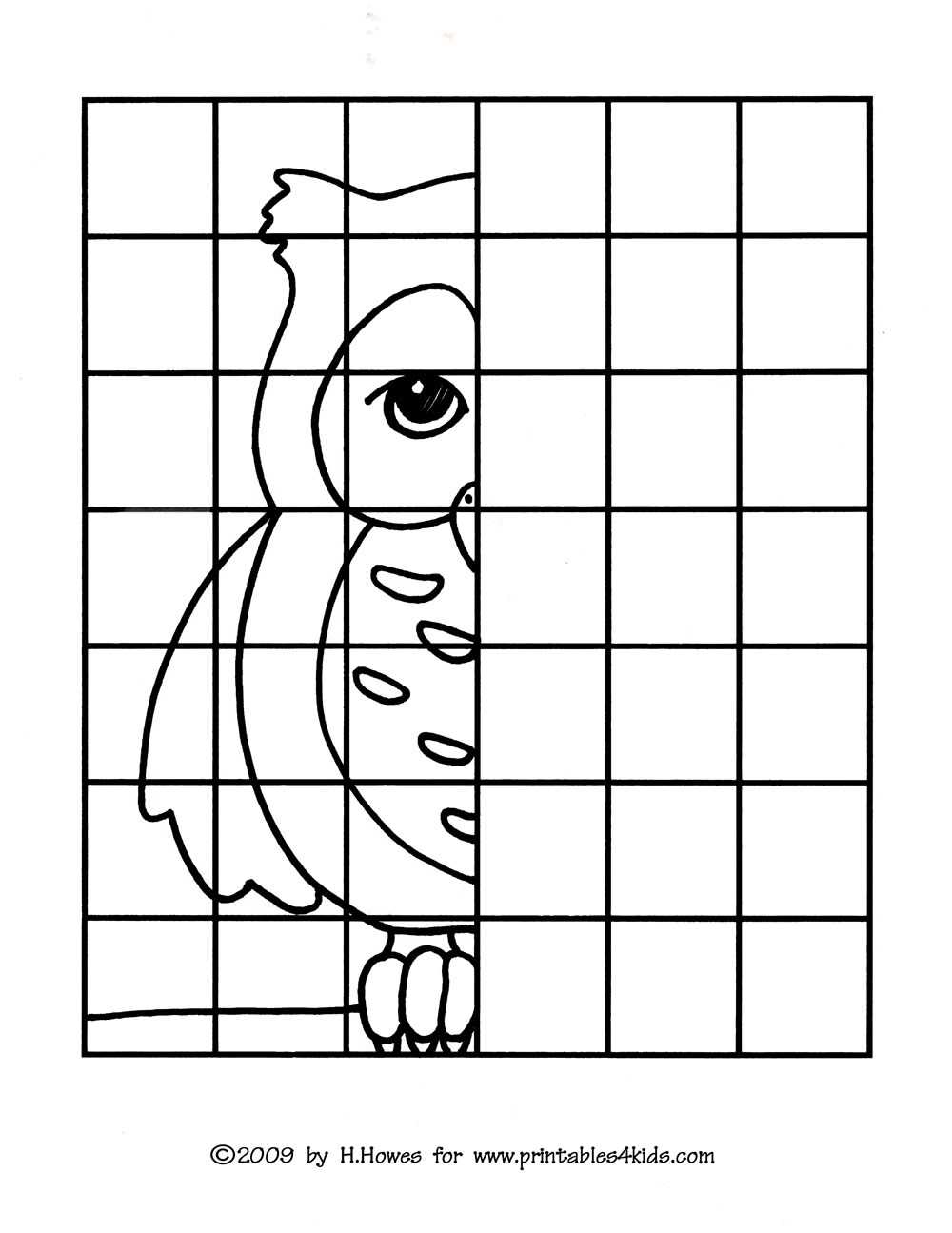
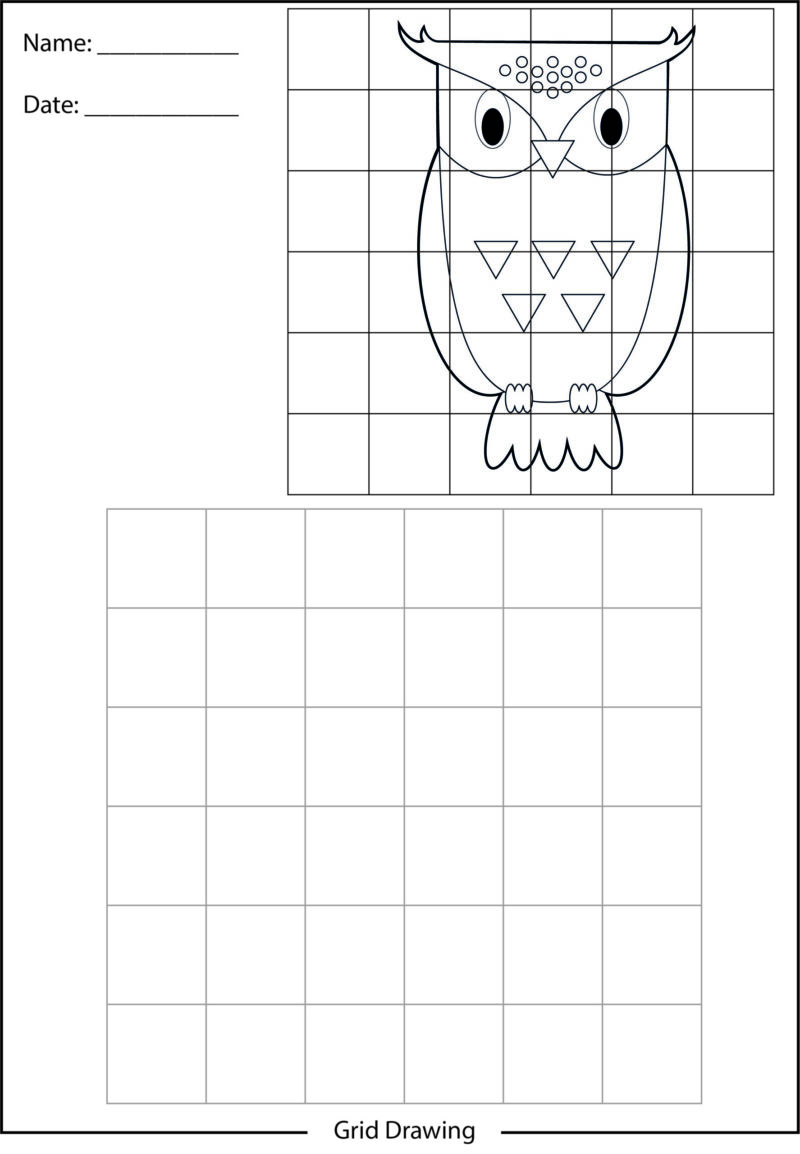
Mastering how to grid drawing for beginners requires breaking complex visual references into smaller, manageable coordinate squares to systematically enhance spatial reasoning, proportion estimation, and observation accuracy in young learners. According to the National Art Education Association (NAEA), structured visual-arts instruction utilizing geometric breakdowns significantly accelerates cognitive mapping and fine-motor coordination in early childhood development. This foundational technique bridges the gap between abstract visual perception and concrete motor output, making it an essential practice for educators seeking to build robust visual literacy. Practitioners utilizing printable Grid Drawing exercises provide children with a reliable mechanical scaffold for translating real-world reference points onto paper without cognitive overload. Implementing these strategies equips children to analyze visual data methodically, transforming overwhelming compositions into achievable segments.
Visual Learning & Skill Snapshot:
- Core Focus: Systematic spatial division utilizing coordinate-based reference squares to teach visual proportions.
- Target Skill: Spatial reasoning, visual discrimination, fine-motor proportion, and photo-based concept mastery.
- Key Recommendation: Pair high-contrast printable grids with real photographic references to maximize observational accuracy.
Core Principles and Visual Learning Overview
Grid drawing is fundamentally an observational reduction technique that trains the human eye to measure spatial relationships by isolating segments within a geometric matrix. When teaching beginners, the primary objective is shifting reliance from symbolic memory—drawing what the brain thinks an object looks like—to empirical observation, focusing on lines, curves, and negative spaces inside specific grid boxes. By overlaying a uniform grid onto a target reference image and a corresponding blank sheet, learners isolate coordinates, reducing a complex drawing challenge into independent, low-stress coordinate-matching tasks. This method aligns seamlessly with the integration of Photo Flashcards, which introduce realistic visual stimuli for early learners to decode. Educators leverage these structured frameworks to foster patience, analytical thinking, and structural understanding across diverse early learning environments.
Key Specifications and Breakdown
| Age / Learning Stage | Visual Skill & Grid Ratio | Pedagogical Application & Scaffolding |
|---|---|---|
| Ages 4–6 (Early Preschool) | 2×2 or 3×3 simple grids | Focuses on basic shape recognition and macro-proportions using primary photographic shapes. |
| Ages 7–9 (Early Elementary) | 4×4 moderate coordinate grids | Develops intermediate line precision, diagonal tracking, and exact landmark replication. |
| Ages 10+ (Advanced Beginners) | 6×6 or dense structural grids | Refines intricate shading, micro-detail translation, and sophisticated scale adjustment. |
Systematic visual arts instruction utilizing proportional breakdown methods measurably enhances spatial memory, perceptual accuracy, and bilateral hand-eye coordination in early childhood learners. — National Art Education Association (NAEA)
Step-by-Step Practical Application and Printing Guidelines
Executing a successful grid drawing exercise requires selecting high-contrast reference materials, printing uniform worksheets, and guiding learners through square-by-square replication. Begin by selecting clear, uncluttered photographic references and printing them alongside a matching blank grid worksheet featuring identical cell dimensions to prevent scaling confusion. Instruct students to number rows and label columns alphabetically to establish a clear coordinate system, mirroring fundamental mapping concepts taught in early mathematics. Encourage learners to work from top-left to bottom-right, focusing entirely on one individual square at a time while covering adjacent cells to minimize visual distraction. Supplemental Educational Activities can further reinforce these mapping skills, blending foundational geometry with creative arts practice.
Common Challenges and How to Avoid Them
Preventing beginner frustration involves anticipating common pitfalls such as shifting focus across multiple squares, drawing symbols instead of lines, and struggling with inconsistent grid scaling. Educators and parents must actively discourage students from attempting to finish the entire picture at once, reinforcing that mastery comes from treating each grid square as an isolated puzzle piece. When learners misplace a line within a specific coordinate, guide them to measure the distance from the grid lines using a finger or pencil edge rather than erasing the entire drawing. Providing light-weight graphite pencils and soft erasers ensures that early attempts remain low-pressure, encouraging iterative self-correction and continuous observation.
💬 Frequently Asked Questions
Explore More Free Learning Printables and Visual Activities on WePhotoAgency
Expanding early childhood art curricula and visual learning lesson plans is effortless when utilizing the extensive library hosted at WePhotoAgency.com. Educators, parents, and homeschoolers can access a comprehensive collection of downloadable worksheets, visual flashcards, and step-by-step drawing guides designed to foster lifelong creativity and cognitive growth.
Visual Reference Gallery