Introduction
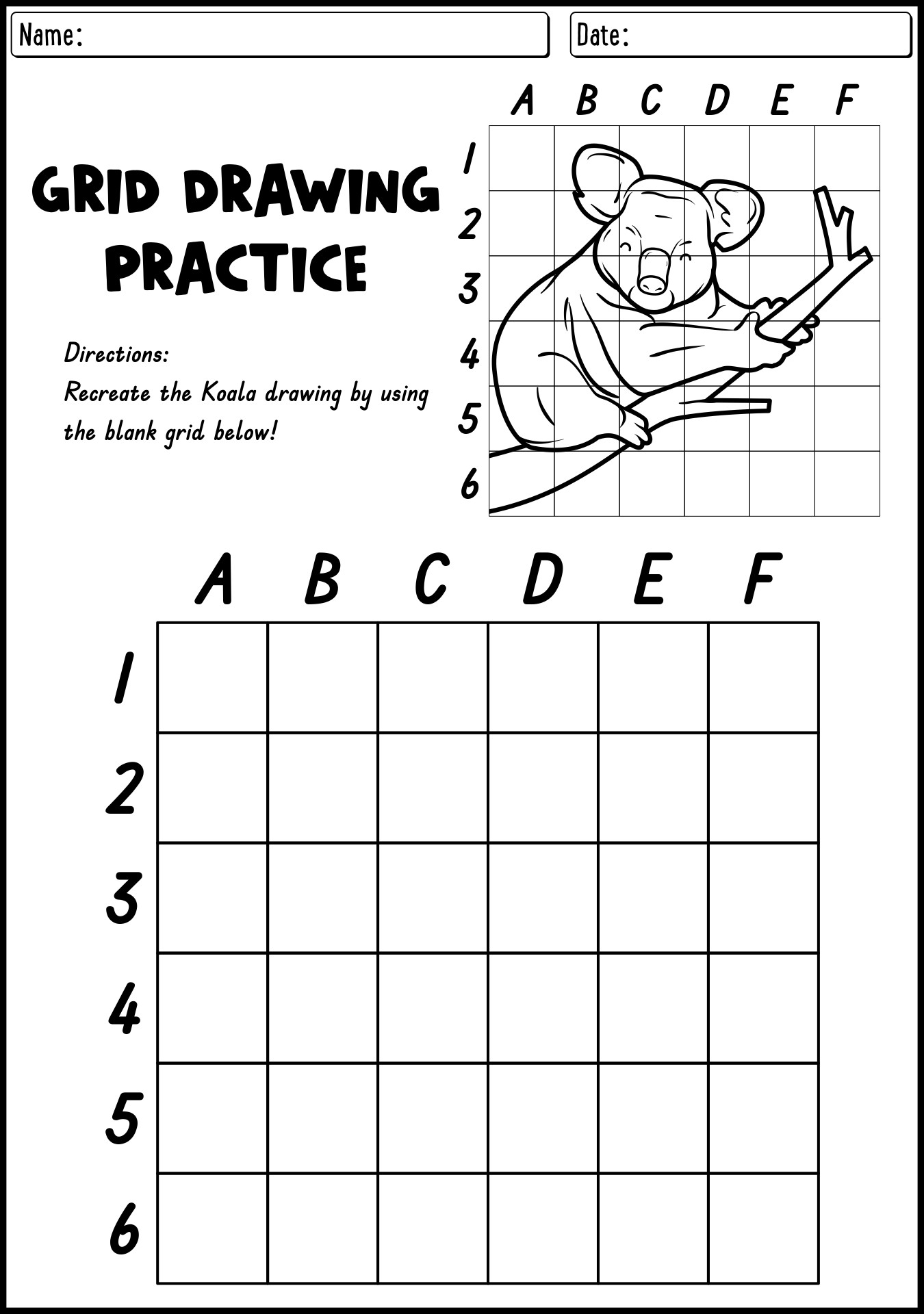
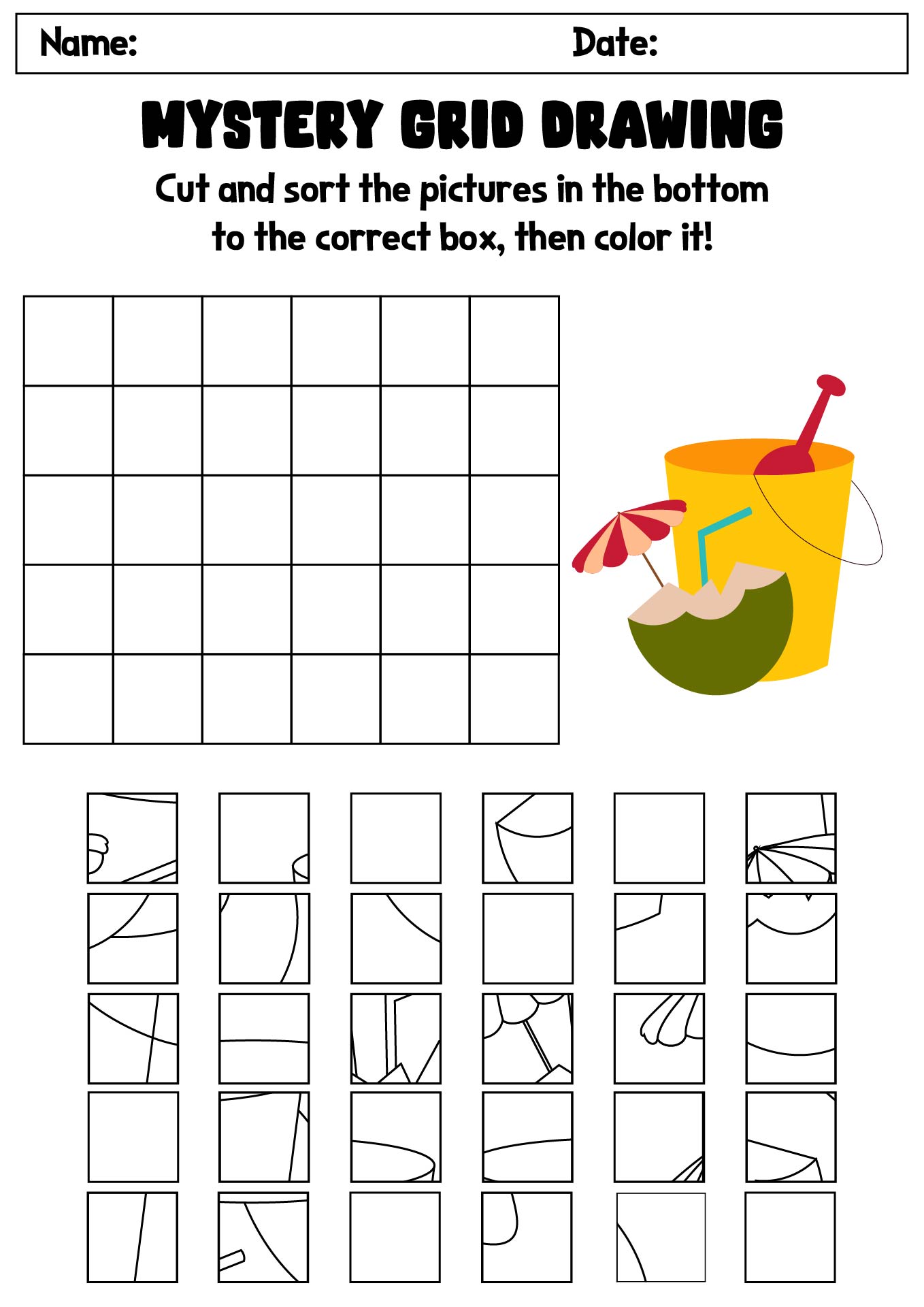
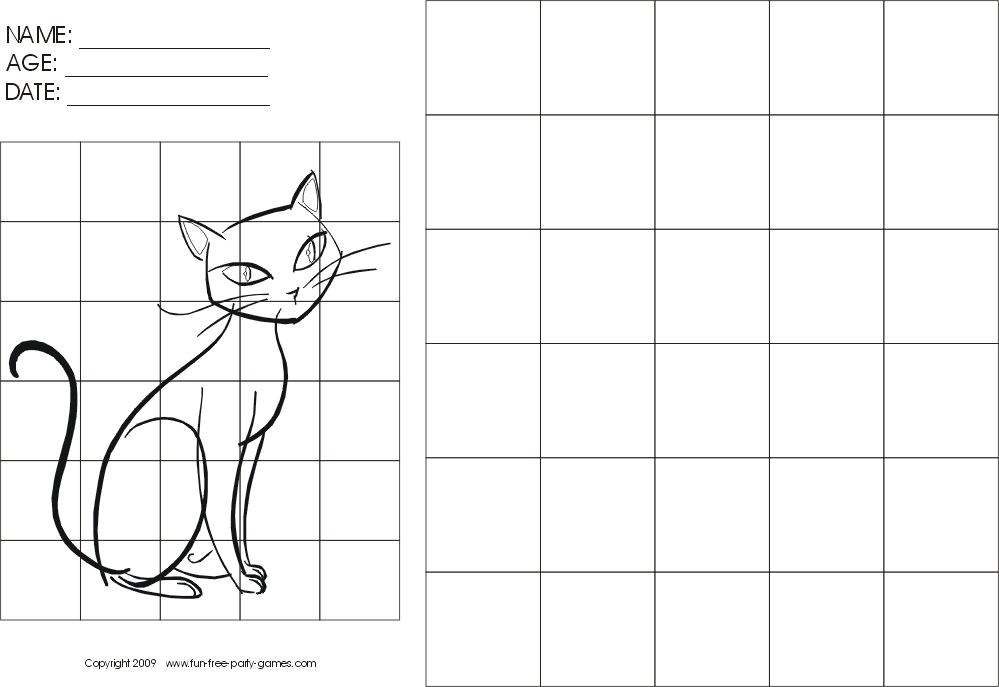
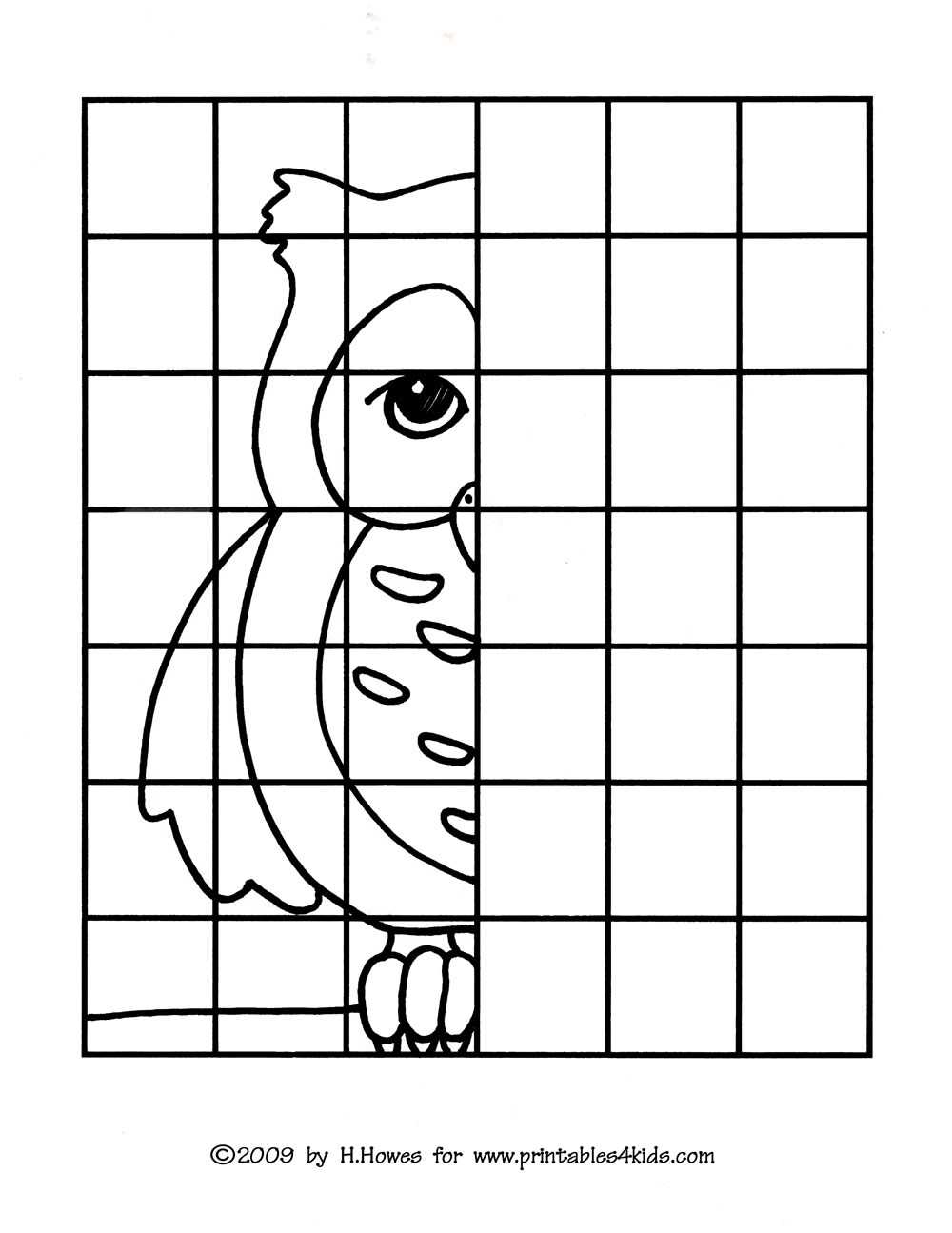
Grid view drawing is a structured visual art technique that breaks complex photographic references into smaller, manageable coordinate squares to teach spatial reasoning, proportion estimation, and fine-motor coordination. According to the National Association for the Education of Young Children (NAEYC), structured visual-spatial activities during early childhood significantly enhance cognitive mapping abilities and geometric comprehension. By overlaying a balanced matrix onto real-world photographic stimuli, young learners transition from intuitive, symbol-based drawing to objective observation and accurate line reproduction. Utilizing specialized Grid Drawing printables bridges the gap between abstract visual processing and concrete manual execution, supporting early elementary and homeschool curricula.
Visual Learning & Skill Snapshot:
- Core Focus: Systematic spatial division of real photo references using coordinate matrix grids.
- Target Skill: Spatial reasoning, visual discrimination, fine-motor proportion, and photo-based concept mastery.
- Key Recommendation: Pair high-contrast printable grids with real Photo Flashcards to strengthen cognitive memory retention.
Core Principles and Visual Learning Overview
Grid view drawing relies on the cognitive principle of chunking, where the human brain disassembles complex visual stimuli into isolated geometric parcels to reduce cognitive overload. When children study individual squares rather than an entire composition, visual anxiety diminishes, and focus shifts toward measuring angles, negative space, and intersecting lines. This methodology strengthens bilateral coordination as the eyes rapidly switch between the reference grid and the blank drawing box. Incorporating diverse Educational Activities alongside these structured worksheets transforms standard art lessons into comprehensive cognitive development exercises that reinforce foundational geometry and observational discipline.
Key Specifications and Breakdown
| Age / Learning Stage | Visual Skill & Grid Ratio | Pedagogical Application & Scaffolding |
|---|---|---|
| Ages 4-5 (Early Learners) | 2×2 or 3×3 simple coordinate grids | Focuses on basic shape placement, high-contrast objects, and large motor pencil control. |
| Ages 6-7 (Early Elementary) | 4×4 balanced photographic grids | Encourages proportional scaling, line continuity, and detailed photo observation. |
| Ages 8+ (Advanced Beginners) | 6×6 complex multi-element grids | Refines precise angle estimation, shading transitions, and intricate spatial mapping. |
Structured visual-spatial exercises directly accelerate the development of parietal lobe functioning, improving both spatial orientation and mathematical proportion estimation in early learners. — National Art Education Association (NAEA)
Step-by-Step Practical Application and Printing Guidelines
Implementing grid view drawing successfully requires high-contrast printing, clean workspace organization, and deliberate progressive scaffolding. Educators and parents should begin by selecting clear, uncluttered photographic references featuring distinct subjects against neutral backgrounds. Print both the reference image and the blank target sheet at a uniform 1:1 scale to prevent unnecessary mathematical scaling confusion for younger children. Guide learners to cover all grid rows except the top active row using a blank index card, isolating visual data one square at a time to maximize concentration and accuracy.
Common Challenges and How to Avoid Them
Children frequently experience frustration during grid view drawing when attempting to reproduce entire objects simultaneously instead of focusing exclusively on single grid intersections. Overcoming this hurdle requires shifting the primary instructional focus toward negative space, teaching students to observe what occupies the empty corners of each coordinate box rather than naming the object itself. Furthermore, ensure that initial worksheets feature bold grid lines and easily recognizable subjects, gradually increasing matrix density only after the learner demonstrates consistent spatial accuracy.
💬 Frequently Asked Questions
Explore More Free Learning Printables and Visual Activities on WePhotoAgency
Mastering visual proportion and spatial awareness requires consistent, engaging practice materials tailored to developing minds. Visit WePhotoAgency.com today to discover an extensive library of printable resources, photo flashcards, and step-by-step drawing guides designed for educators, homeschoolers, and parents.
Visual Reference Gallery