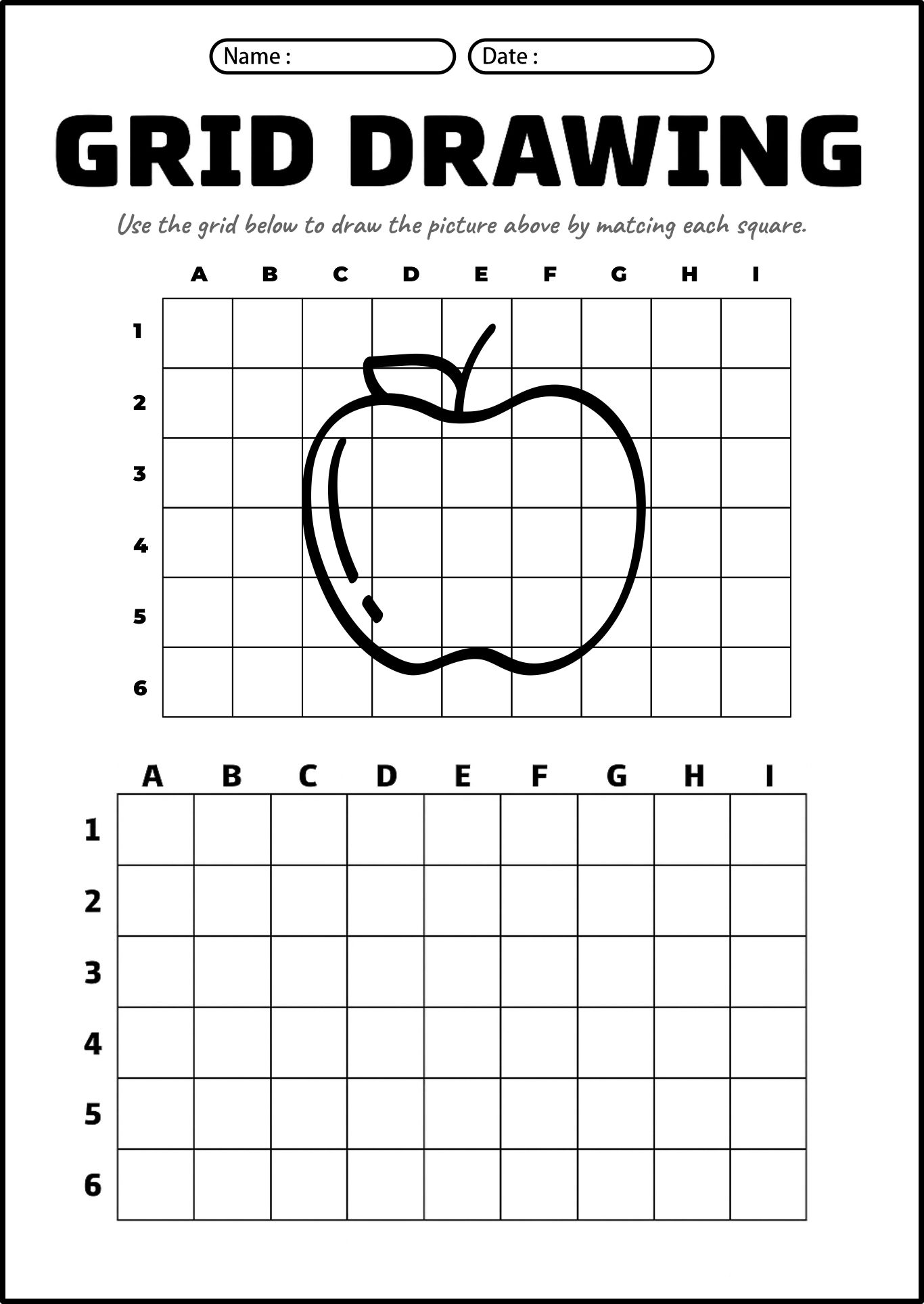
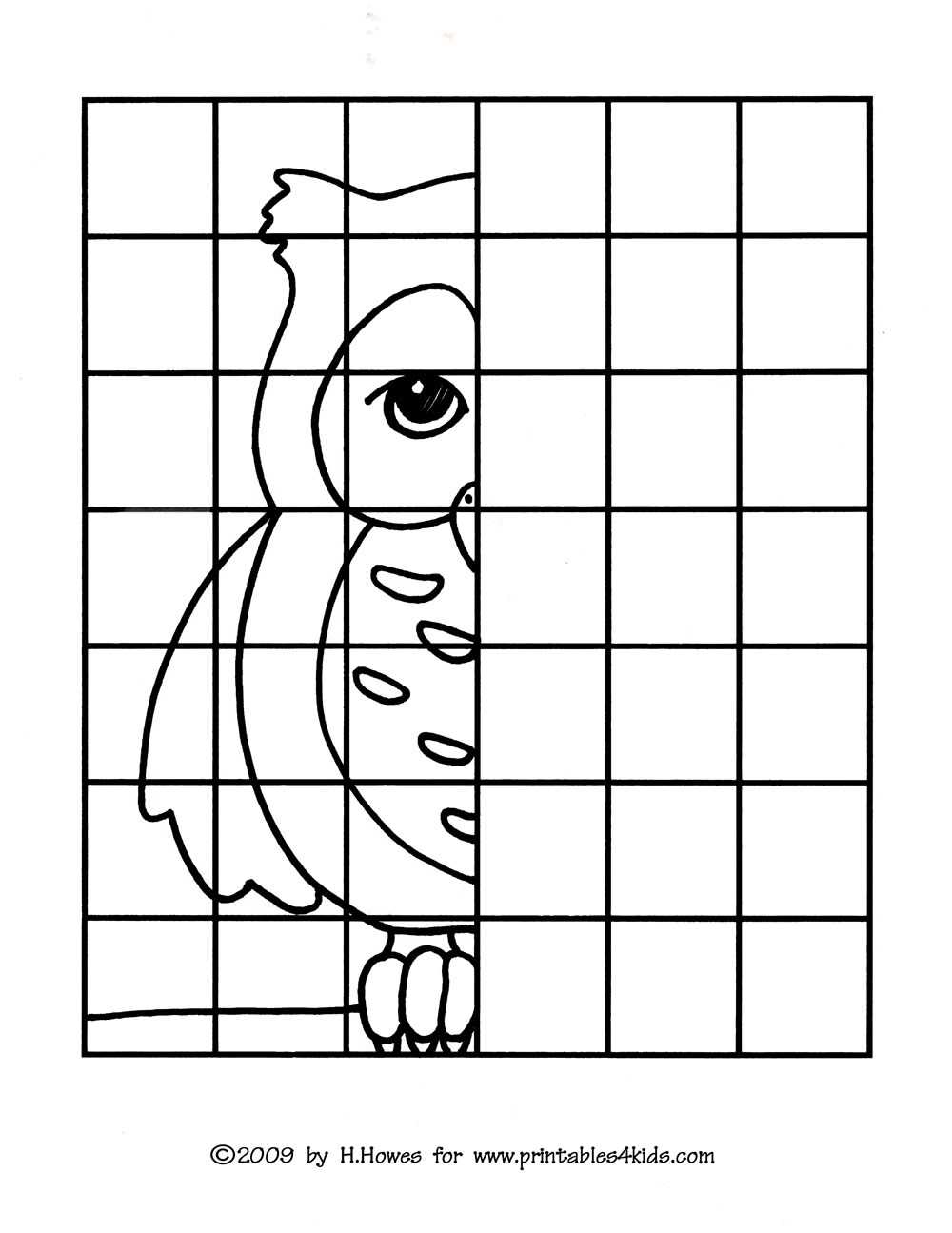
Introduction
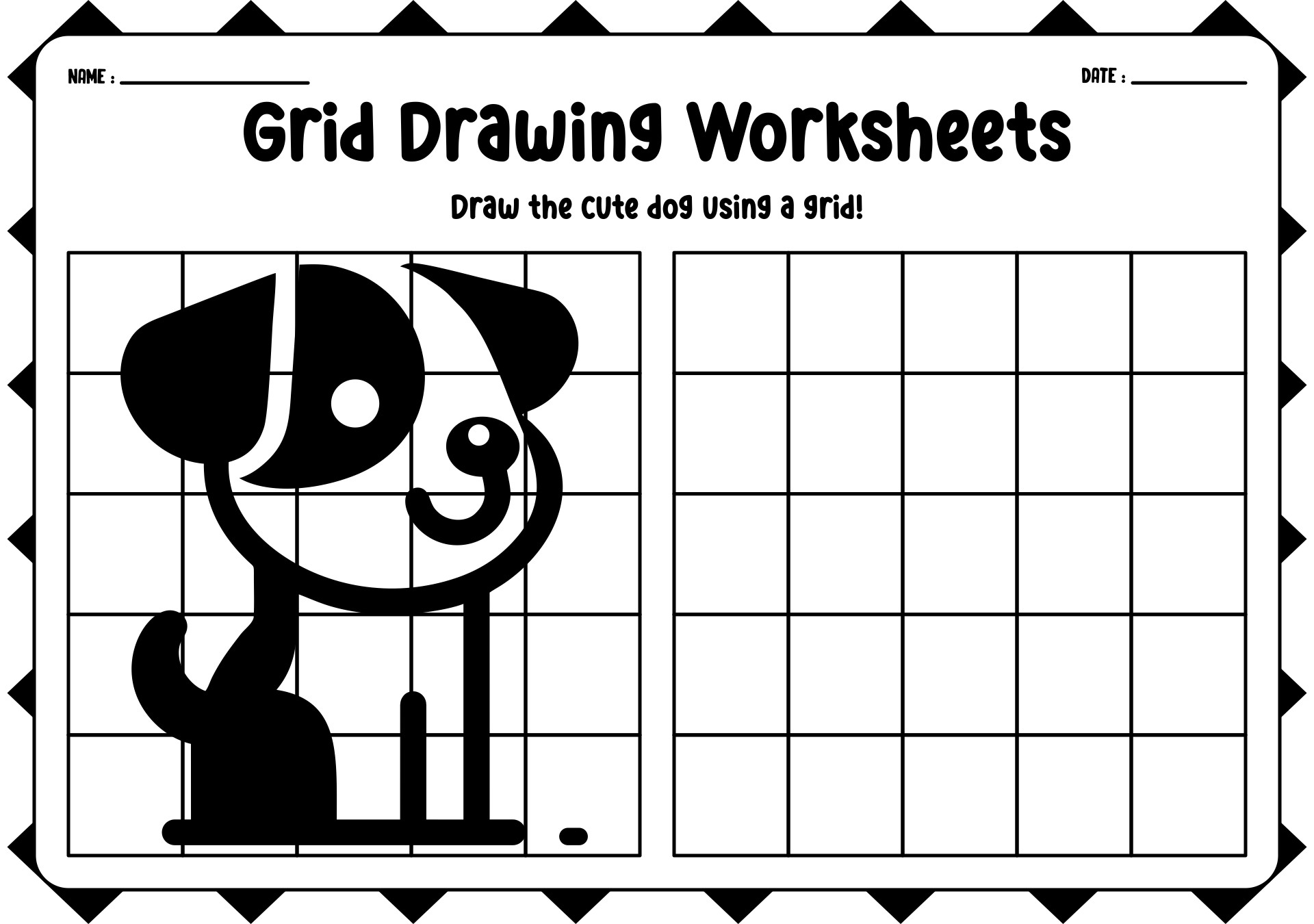
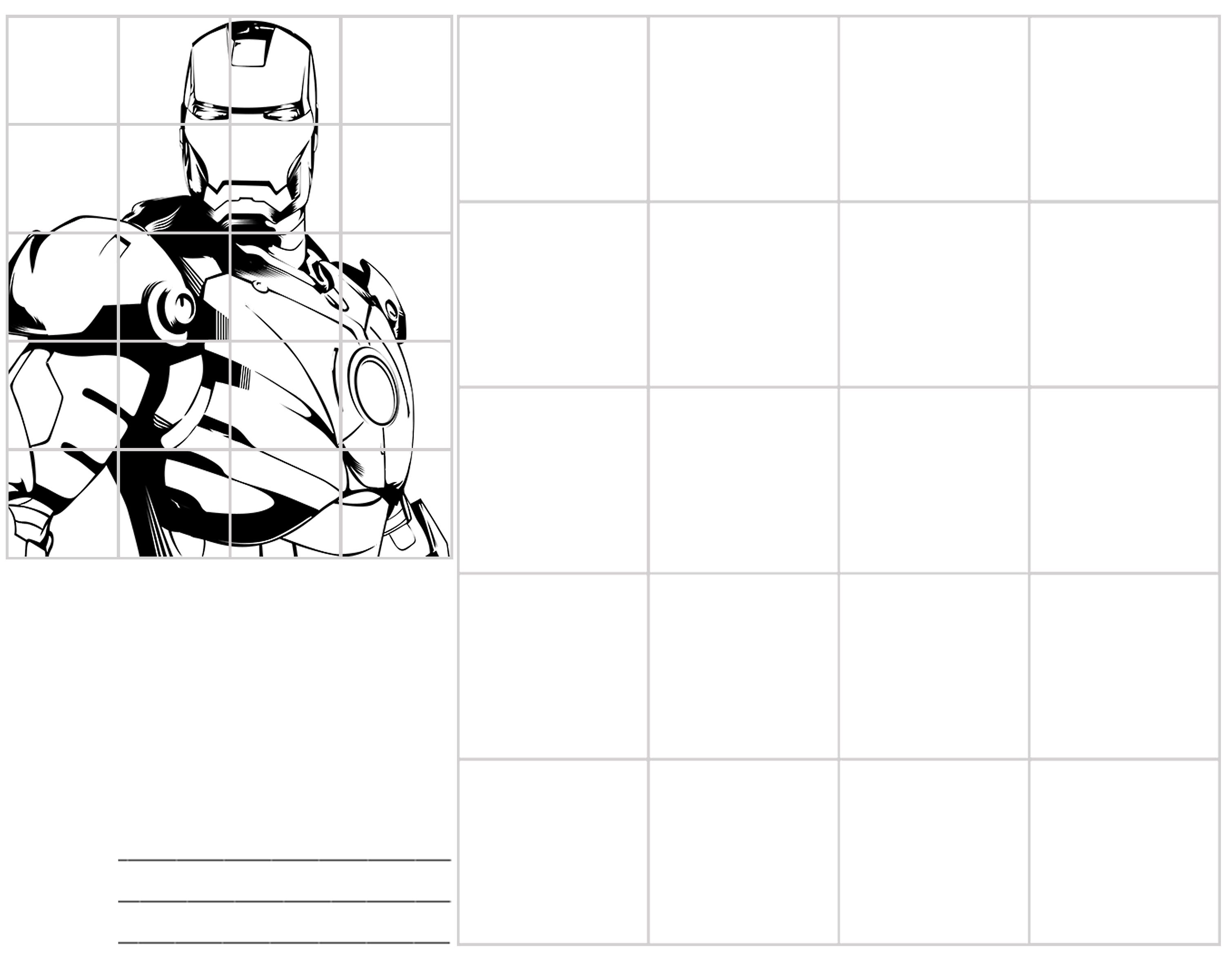
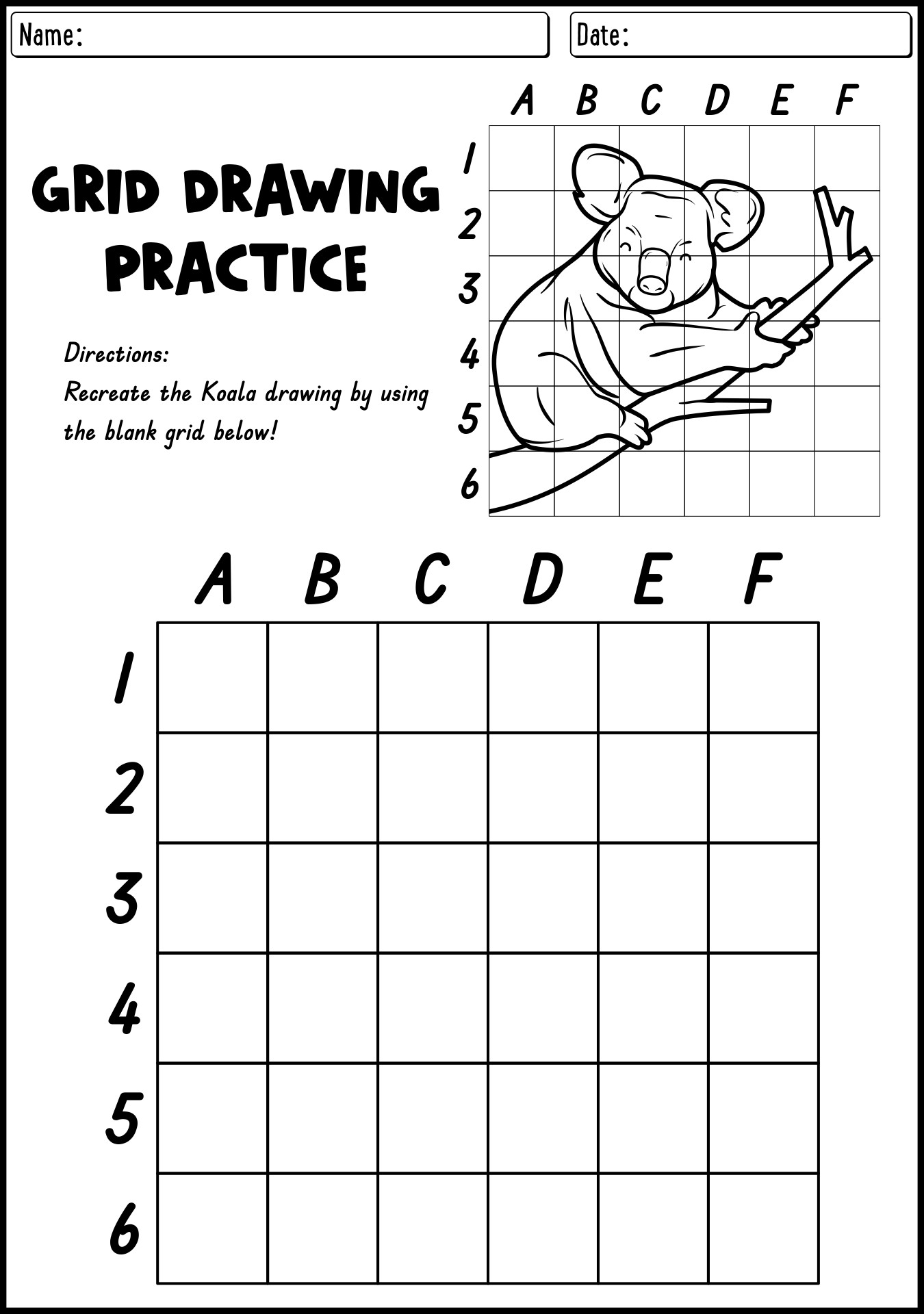
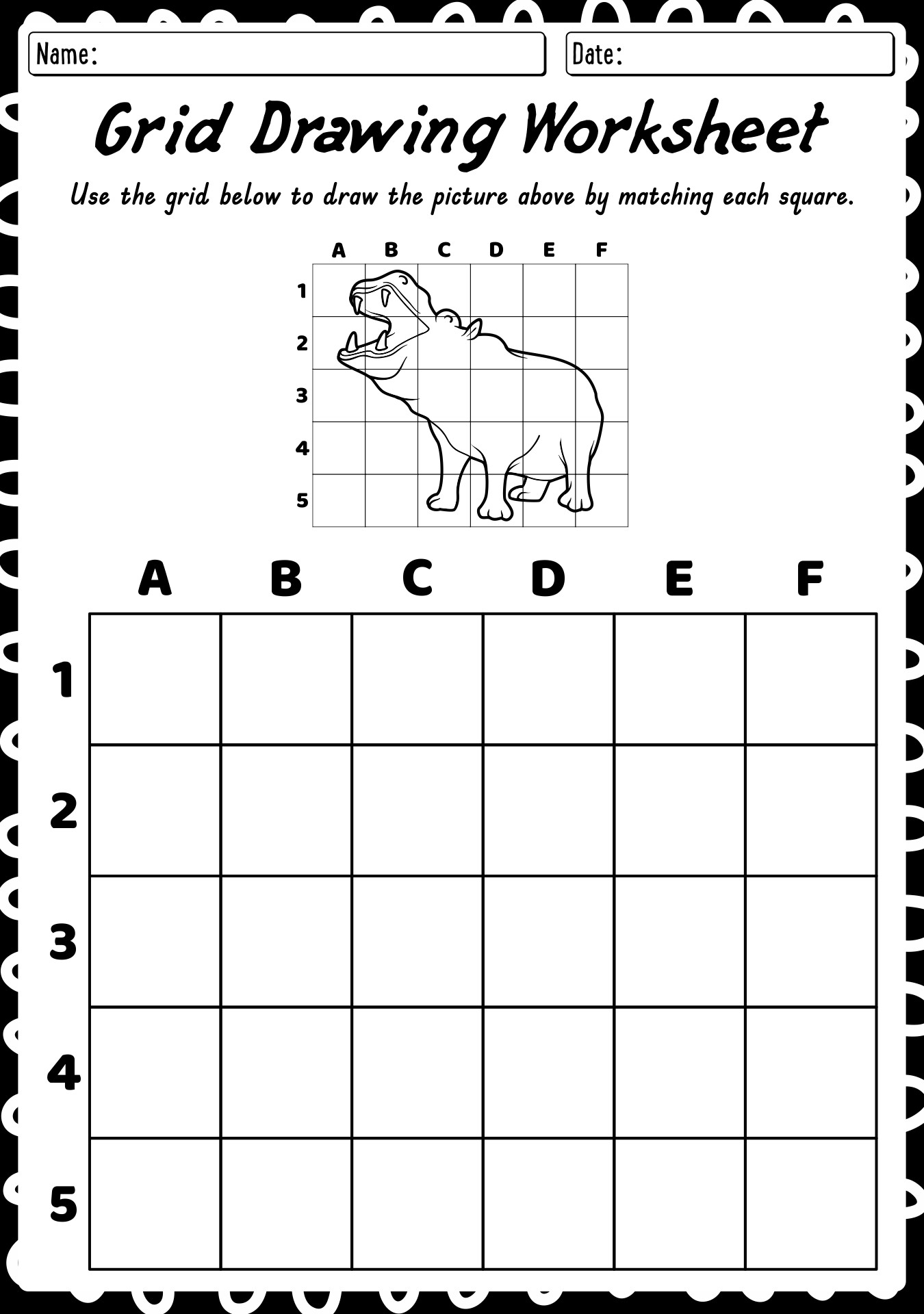
Grid value drawing is a foundational cognitive and artistic practice that breaks complex photographic images into manageable spatial coordinates to teach proportion estimation, tonal mapping, and observational accuracy. According to the National Art Education Association (NAEA), structured visual arts curricula that incorporate grid-based observation significantly enhance children’s spatial reasoning, fine motor coordination, and visual literacy by training the brain to translate three-dimensional realities into two-dimensional geometric markers. Early childhood educators and homeschool environments utilize printable Grid Drawing worksheets alongside real photo visual flashcards to bridge the gap between abstract visual processing and concrete physical rendering.
Visual Learning & Skill Snapshot:
- Core Focus: Systematic coordinate-based drawing and value rendering from photographic references.
- Target Skill: Spatial reasoning, visual discrimination, fine-motor proportion, and tonal estimation.
- Key Recommendation: Pair high-contrast reference images with numbered grid worksheets to eliminate cognitive overload.
Core Principles and Visual Learning Overview
Grid value drawing operates by superimposing a geometric grid over a source photograph, requiring the learner to copy line paths and shading values square by square rather than attempting to render the entire subject at once. This methodology bypasses the brain’s default symbolic thinking—where children draw what they *know* rather than what they *see*—and activates analytical observation. By integrating realistic reference imagery, such as curated Photo Flashcards, students learn to isolate shapes, measure negative space, and grade light versus dark values within a contained boundary. Engaging in these targeted Educational Activities systematically strengthens cognitive mapping and hand-eye coordination required for advanced academic and artistic pursuits.
Key Specifications and Breakdown
| Age / Learning Stage | Visual Skill & Grid Ratio | Pedagogical Application & Scaffolding |
|---|---|---|
| Ages 4–6 (Early Primary) | 2×2 or 3×3 simple square grid | Focuses on basic contour tracking, matching simple shapes, and foundational pencil grip. |
| Ages 7–9 (Middle Elementary) | 4×4 balanced coordinate grid | Emphasizes proportion estimation, edge alignment, and early introduction of light/dark shading values. |
| Ages 10+ (Upper Elementary) | 6×6 detailed multi-quadrant grid | Targets advanced tonal value mapping, precise scaling, and realistic photographic reproduction. |
Structured visual arts instruction accelerates cognitive mapping and spatial memory consolidation in early learners. — National Art Education Association (NAEA)
Step-by-Step Practical Application and Printing Guidelines
Implementing grid value drawing effectively requires crisp, high-contrast printouts that clearly delineate row and column coordinates. Educators should begin by selecting clear, uncluttered photographic references and printing matching grid overlays for both the reference sheet and the blank drawing canvas. Instruct learners to label axes with letters and numbers to reinforce Cartesian coordinate familiarity. Encourage students to isolate individual squares using an L-shaped framing card to block out surrounding visual distractions, allowing total concentration on rendering lines and shading values within one singular coordinate zone before shifting to the adjacent box.
Common Challenges and How to Avoid Them
Young learners frequently struggle with grid value drawing when source images contain too much visual clutter or when the grid lines are too dark, which often obscures delicate pencil work. Educators can prevent frustration by utilizing simplified, high-contrast photographic subjects and instructing children to sketch extremely lightly using a hard pencil so misplaced coordinate lines erase cleanly. Another common hurdle involves rushing through individual grid squares; supporting adults should model how to check intersections against neighboring boxes to ensure proportional accuracy before applying final tonal shading values.
💬 Frequently Asked Questions
Explore More Free Learning Printables and Visual Activities on WePhotoAgency
Unlocking the full potential of spatial education requires a robust library of structured resources designed to build foundational competencies in young learners. Explore an extensive collection of printable guides, creative worksheets, and visual learning tools by visiting the central resource hub at WePhotoAgency.com to support continuous growth in the home or classroom.
Visual Reference Gallery