Introduction
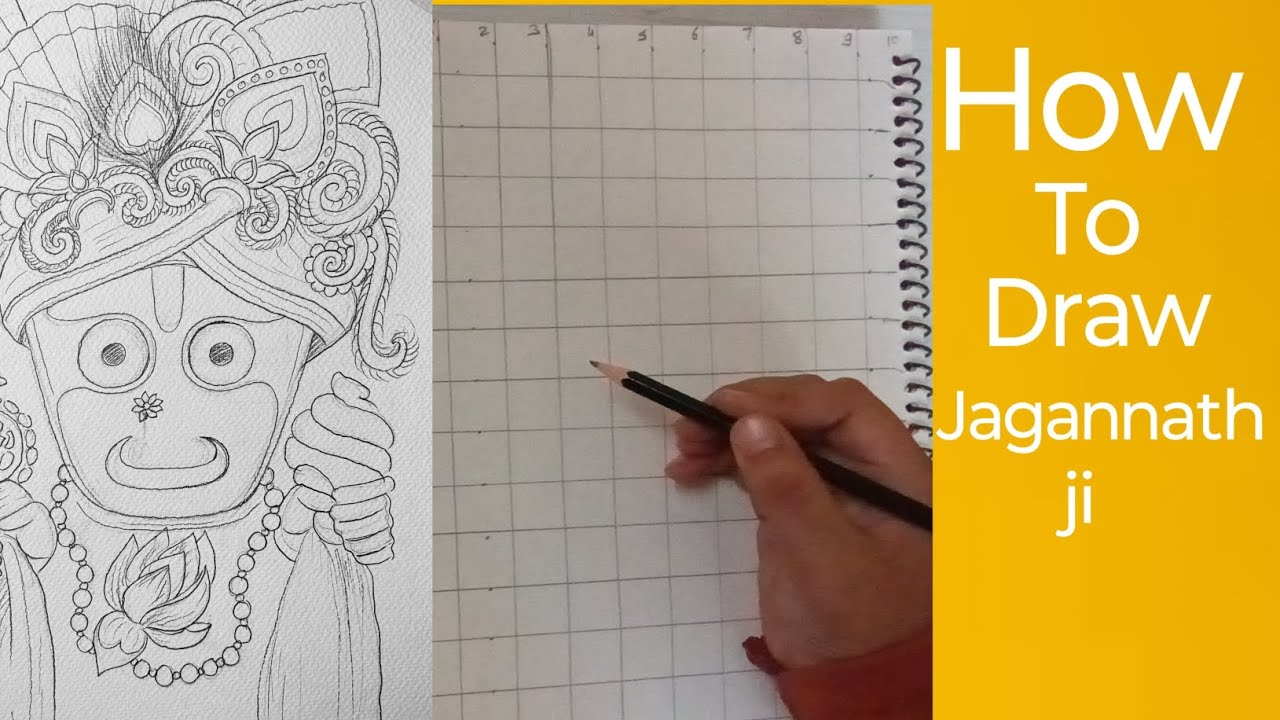
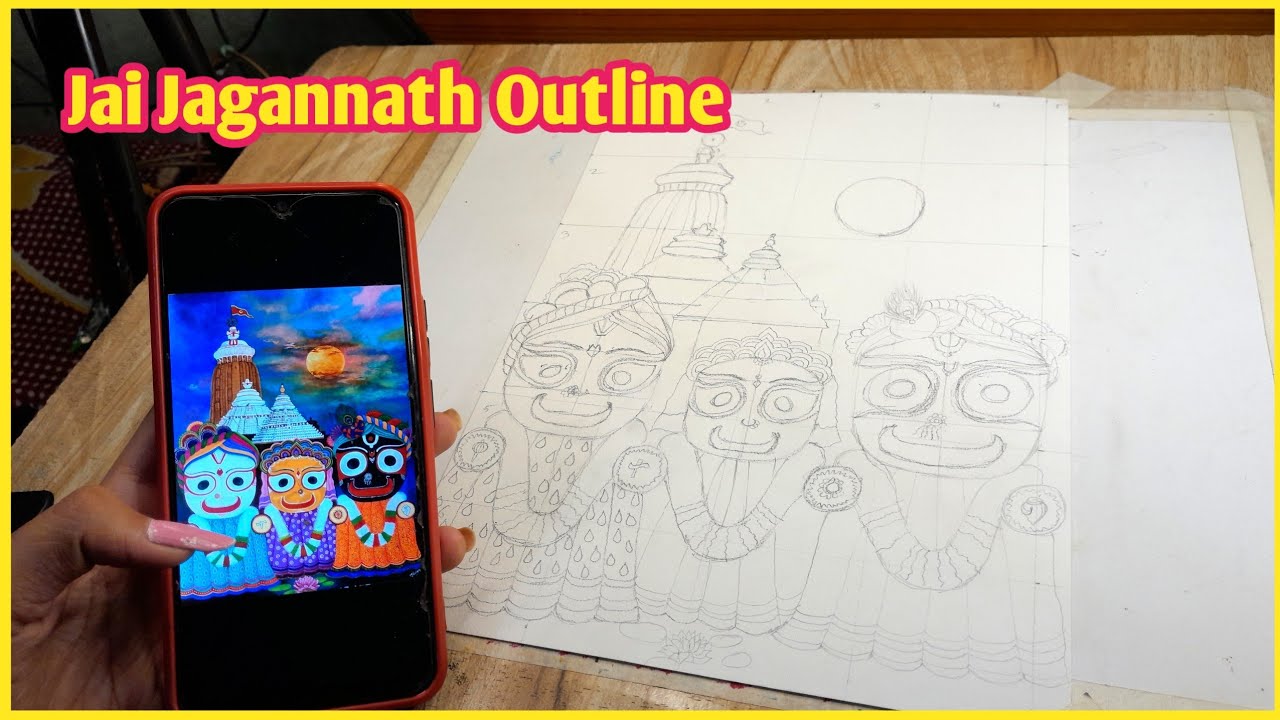
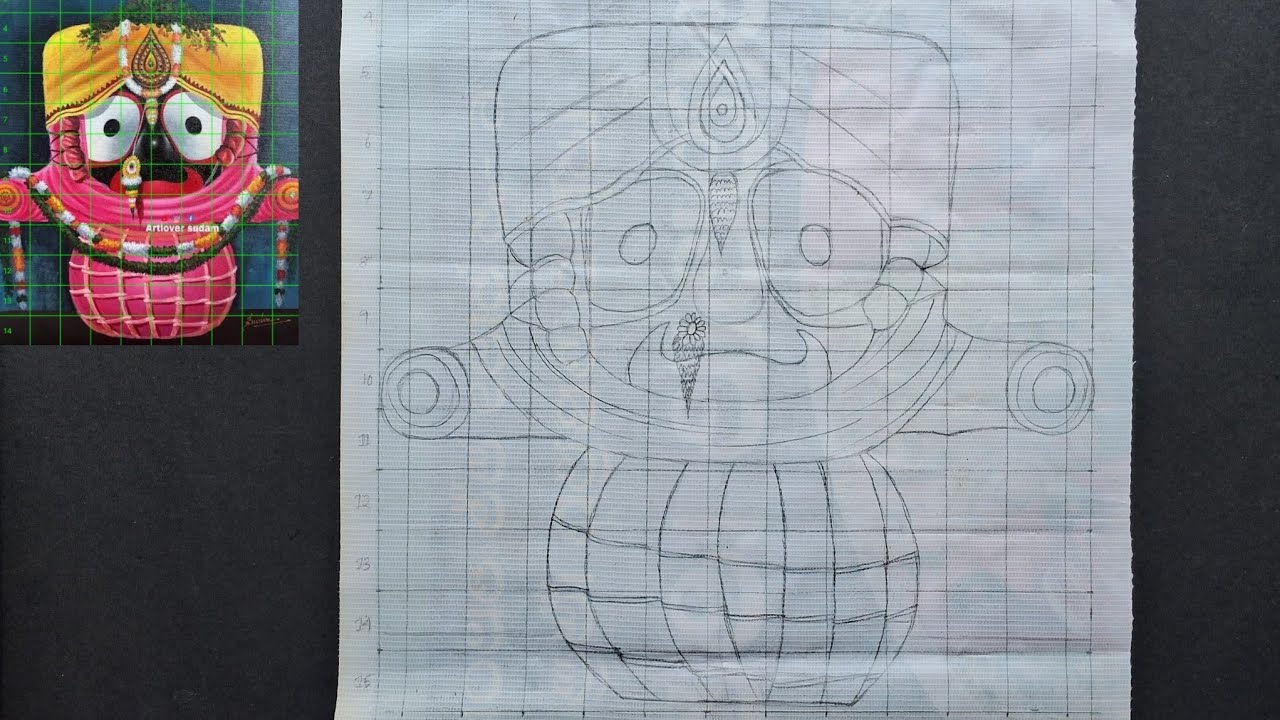
Jagannath grid drawing represents a structured visual art methodology where intricate cultural or architectural motifs are broken down into manageable geometric coordinates for young learners. According to the National Association for the Education of Young Children (NAEYC), purposeful manipulation of segmented visual geometries significantly accelerates early spatial awareness and cognitive mapping skills. By utilizing printable grid worksheets alongside real photo visual flashcards, educators provide children with a tangible framework to translate complex visual information into accurate lines and strokes. This systematic approach eliminates overwhelming blank-page anxiety, transforming sophisticated imagery into achievable observational steps for early elementary students and homeschoolers alike.
Visual Learning & Skill Snapshot:
- Core Focus: Segmented geometric mapping of cultural iconography using structured coordinate grids.
- Target Skill: Spatial reasoning, visual discrimination, fine-motor proportion, and observation accuracy.
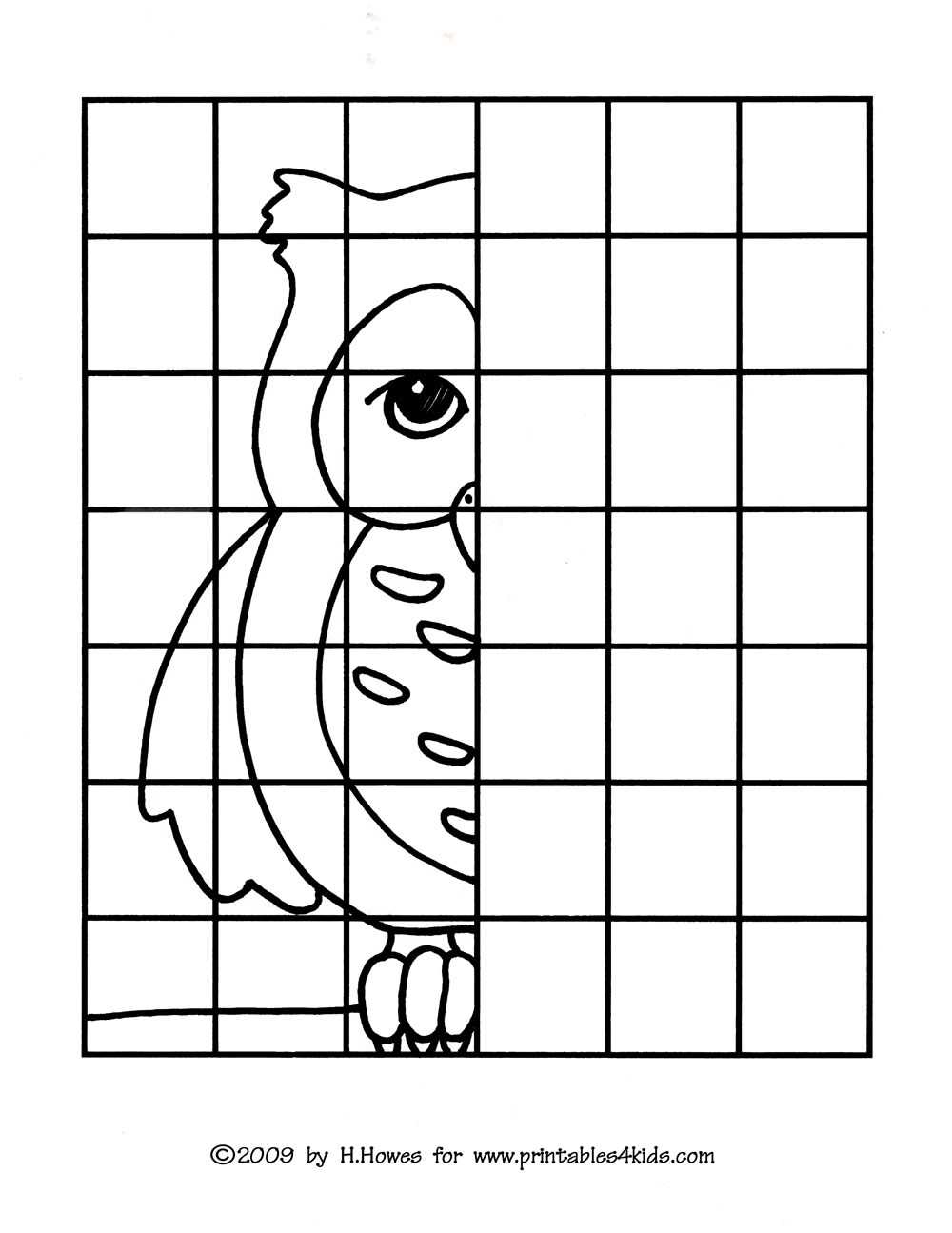
- Key Recommendation: Pair photographic reference cards with standardized 4×4 coordinate grids to scaffold early proportion estimation.
Core Principles and Visual Learning Overview
Spatial decomposition is the foundational mechanism that allows developing minds to process complex shapes by isolating individual grid squares rather than attempting to render an entire subject simultaneously. When children engage with Grid Drawing, visual processing shifts from global estimation to localized coordinate matching, which actively strengthens neural pathways responsible for mathematical scaling and geometric fluency. Incorporating high-resolution Photo Flashcards provides children with authentic visual references that bridge abstract geometric lines with recognizable real-world subjects. This multi-sensory reinforcement ensures that learners understand the relationship between a whole object and its fractional parts, ultimately fostering meticulous hand-eye coordination and heightened attention to detail during every drafting session.
Key Specifications and Breakdown
| Age / Learning Stage | Visual Skill & Grid Ratio | Pedagogical Application & Scaffolding |
|---|---|---|
| Ages 4–5 (Early Explorer) | 2×2 or 3×3 simple grids | Utilize bold, high-contrast photographic references to teach basic quadrant isolation and boundary recognition. |
| Ages 6–7 (Intermediate Builder) | 4×4 balanced grids | Integrate detailed architectural motifs requiring precise line direction and proportion estimation across intersecting axes. |
| Ages 8+ (Advanced Draftsman) | 6×6 complex coordinate grids | Combine multi-step Educational Activities focusing on fine-motor control and scale transfer accuracy. |
Structured visual division exercises demonstrably improve bilateral coordination and spatial memory retention in early childhood development. — National Art Education Association (NAEA). For more related activities, check out our Portrait Drawing Grid.
Step-by-Step Practical Application and Printing Guidelines
Executing an accurate grid drawing exercise requires careful preparation of physical materials and an understanding of sequential visual scanning techniques. Instructors should print reference sheets and blank coordinate templates on heavy-weight cardstock to prevent tearing and pencil bleed-through during intensive erasing sessions. Begin by teaching learners to scan a single reference square from top to bottom, noting where intersecting lines cross specific grid coordinates before transferring those exact marks onto the blank template. Encouraging children to cover surrounding squares with a blank index card helps isolate attention, minimizing cognitive overload and ensuring that proportional relationships remain undistorted throughout the creation process.
Common Challenges and How to Avoid Them
Loss of focus and severe proportion distortion frequently occur when young learners attempt to draw across multiple grid squares simultaneously without proper isolation techniques. To correct this common obstacle, educators should enforce a strict single-square working sequence, guiding the eye to check coordinate intersections before committing permanent ink or dark pencil lines to the paper. If a child struggles with scaling accuracy, temporarily reducing grid density from complex matrices down to basic quadrants re-establishes confidence and reinforces fundamental observation habits. Providing continuous, non-judgmental feedback regarding line placement rather than final aesthetic perfection keeps frustration levels low and nurtures a lifelong enjoyment of geometric art exploration.
💬 Frequently Asked Questions
Explore More Free Learning Printables and Visual Activities on WePhotoAgency
Expanding early childhood art curriculums requires continuous access to high-quality, professionally formatted educational assets designed for diverse developmental milestones. Educators, parents, and homeschool leaders can discover an extensive library of printable resources, observational prompts, and structured creative templates by visiting WePhotoAgency.com to elevate daily learning experiences.
Visual Reference Gallery