Introduction
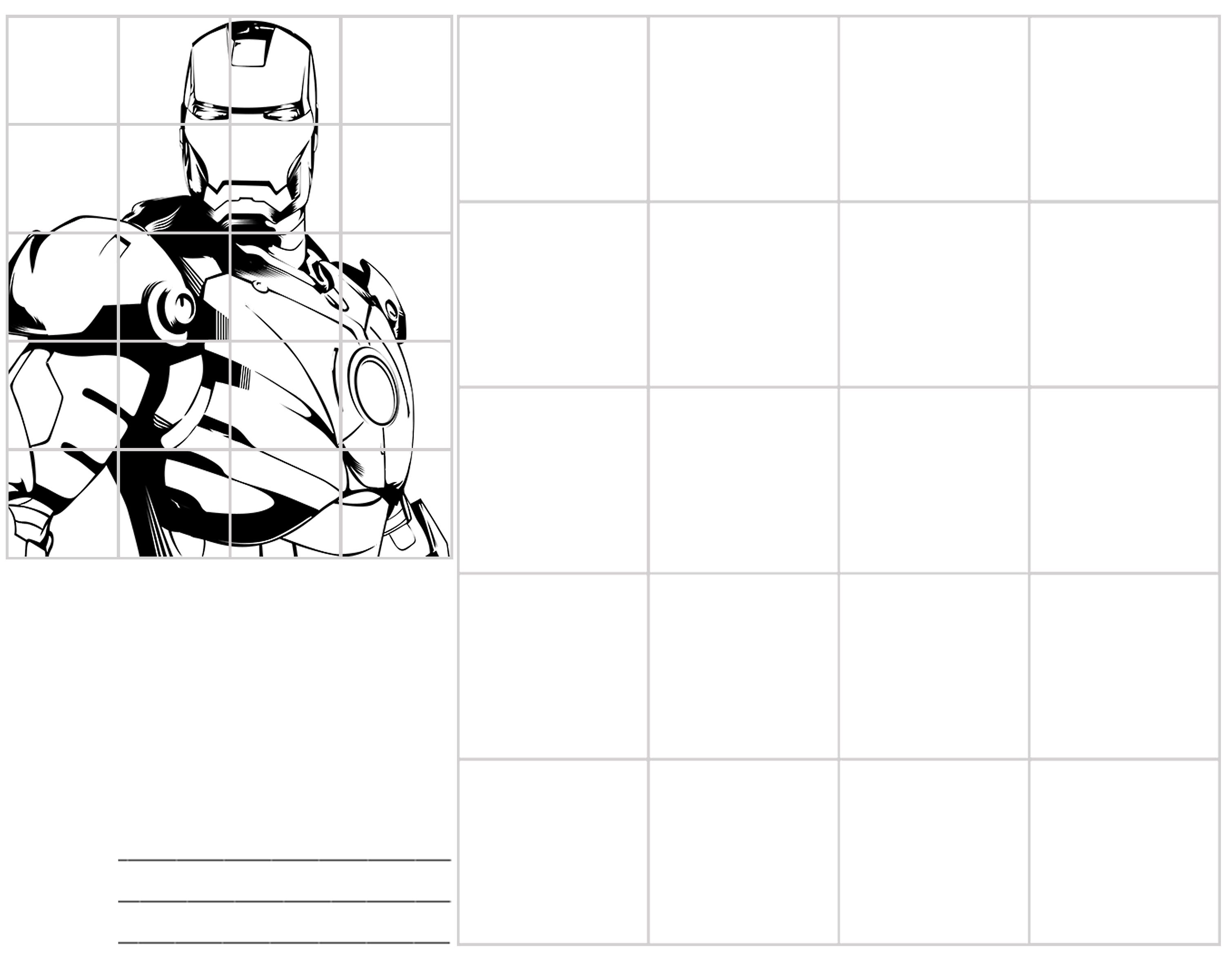
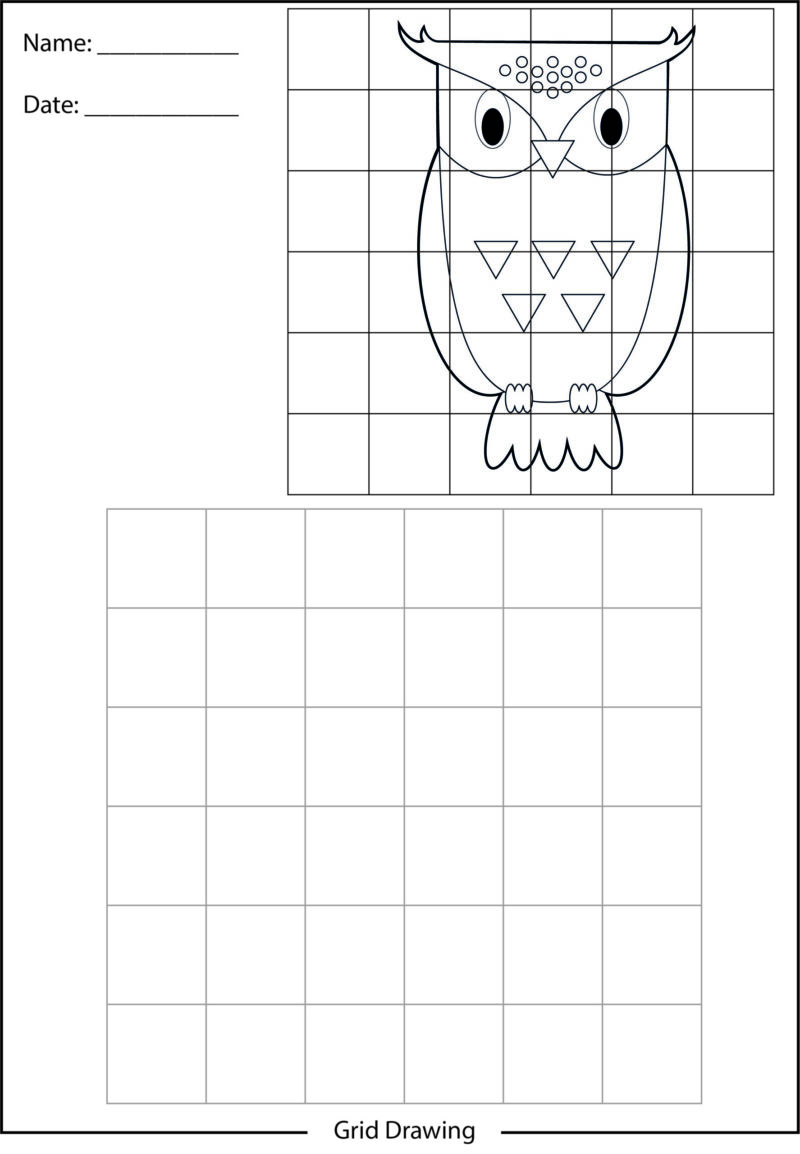
A grid drawing guide provides a systematic, section-by-section framework that breaks complex visual forms into manageable spatial coordinates for early learners. According to the National Art Education Association (NAEA), structured observational drawing techniques effectively scaffold hand-eye coordination, fine motor dexterity, and spatial reasoning in young children. Utilizing printable worksheets alongside real-life visual references transforms abstract artistic concepts into concrete, achievable learning tasks. This foundational approach supports cognitive development by teaching children how to analyze shapes, measure relative proportions, and translate three-dimensional objects onto a two-dimensional plane without frustration.
Visual Learning & Skill Snapshot:
- Core Focus: A grid drawing guide simplifies complex visual data into structured coordinate boxes for young learners.
- Target Skill: Spatial reasoning, visual discrimination, fine-motor proportion, and photo-based concept mastery.
- Key Recommendation: Start early learners with large 3×3 grids paired with high-contrast photo flashcards before advancing to detailed line drawings.
Core Principles and Visual Learning Overview
Grid drawing relies on the cognitive principle of chunking, which allows developing brains to process visual information in isolated segments rather than overwhelming the working memory with an entire picture at once. By aligning a reference image and a blank drawing paper with identical grid lines, learners develop essential analytical competencies. This method trains the visual cortex to observe negative space, contour intersections, and true spatial relationships rather than relying on memorized symbols for objects. Integrating high-quality resources from Grid Drawing collections ensures that children receive age-appropriate challenges that build confidence while strengthening structural drawing proficiency.
Key Specifications and Breakdown
| Age / Learning Stage | Visual Skill & Grid Ratio | Pedagogical Application & Scaffolding |
|---|---|---|
| Ages 4–5 (Early Childhood) | 2×2 or 3×3 grid using tactile real photo references | Focuses on basic shape recognition, directional tracking, and initial hand-eye coordination using Photo Flashcards. |
| Ages 6–8 (Early Elementary) | 4×4 grid featuring familiar objects and animals | Teaches proportion estimation, line continuity, and comparative measurement across adjacent grid squares. |
| Ages 9+ (Advanced Elementary) | 6×6 grid with complex photographic references | Refines precise angle estimation, contour mapping, and detailed spatial awareness for independent artistic practice. |
Structured grid division directly correlates with enhanced geometric reasoning, improved visual-spatial working memory, and accelerated fine-motor precision during early childhood development. — National Art Education Association (NAEA)
Step-by-Step Practical Application and Printing Guidelines
Executing a successful grid drawing session requires careful preparation of physical materials and clear instructional sequencing for children. Begin by selecting high-contrast reference images that clearly display outlines and distinct tonal values, pairing them with cleanly printed worksheet templates from Educational Activities. Educators and parents should instruct children to focus on one individual square at a time, using a paper mask to cover surrounding areas and minimize visual distraction. Encourage learners to identify where lines enter and exit each grid boundary before sketching the corresponding curves lightly with a pencil. This methodical process guarantees accurate proportion transfer and reinforces patient, observant work habits.
Common Challenges and How to Avoid Them
Young learners frequently struggle with grid drawing when reference grids are overly complex or when children attempt to draw the entire subject at once instead of focusing on individual squares. To prevent frustration, maintain generous square sizes—at least two inches per side for younger hands—and utilize bold, clearly numbered or lettered axes to prevent coordinate confusion. Guiding children to check line intersections against surrounding grid borders keeps proportions accurate and prevents drawings from becoming skewed. Providing positive reinforcement for careful observation rather than immediate perfection ensures that the activity remains an engaging, confidence-building cognitive exercise.
💬 Frequently Asked Questions
Explore More Free Learning Printables and Visual Activities on WePhotoAgency
Enhance early childhood visual learning curricula by exploring the comprehensive collection of printable worksheets, developmental guides, and creative resources available across WePhotoAgency.com. Consistent engagement with structured visual tools equips young learners with the essential observational and spatial skills required for lifelong academic and artistic success.
Visual Reference Gallery