Introduction
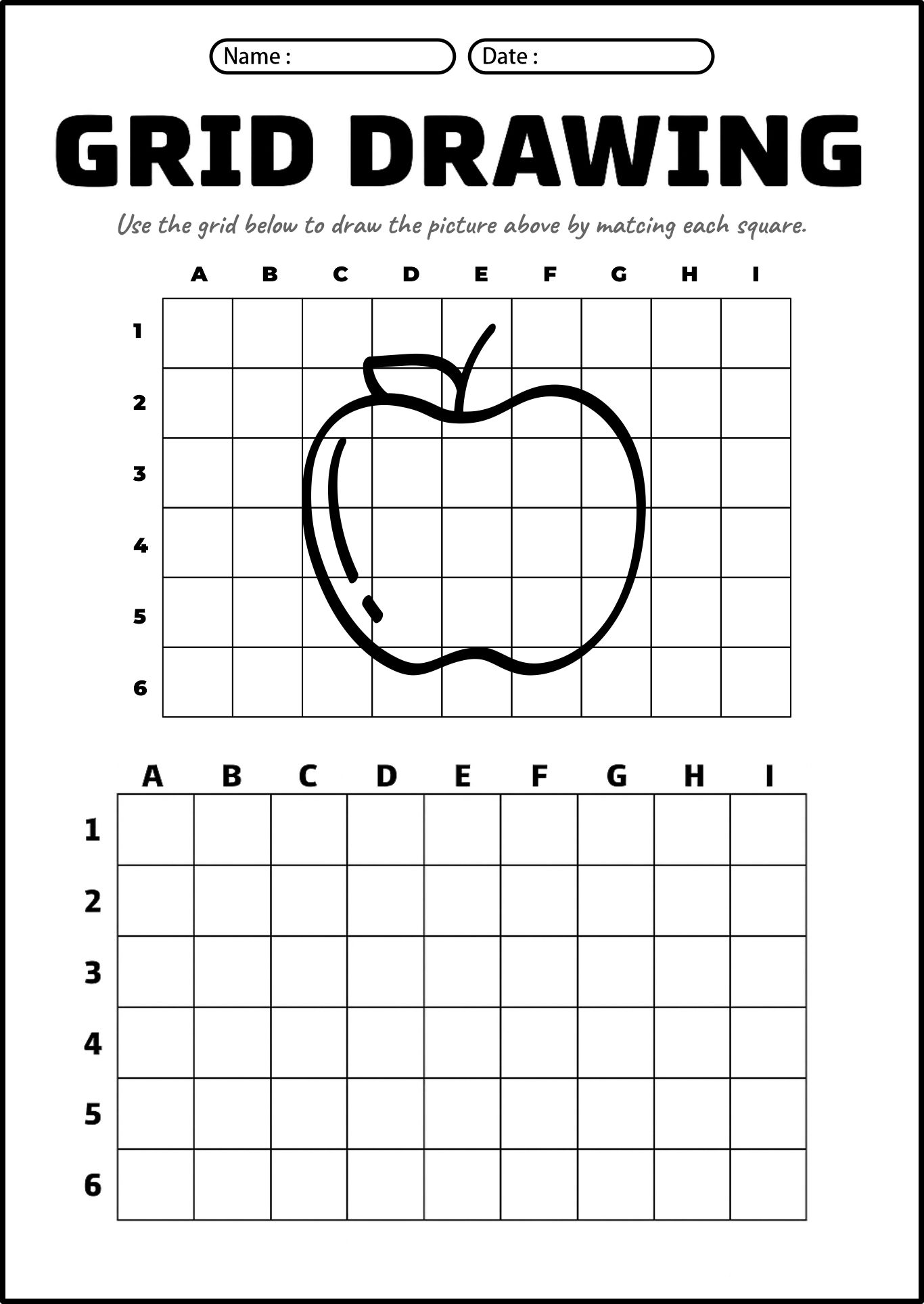
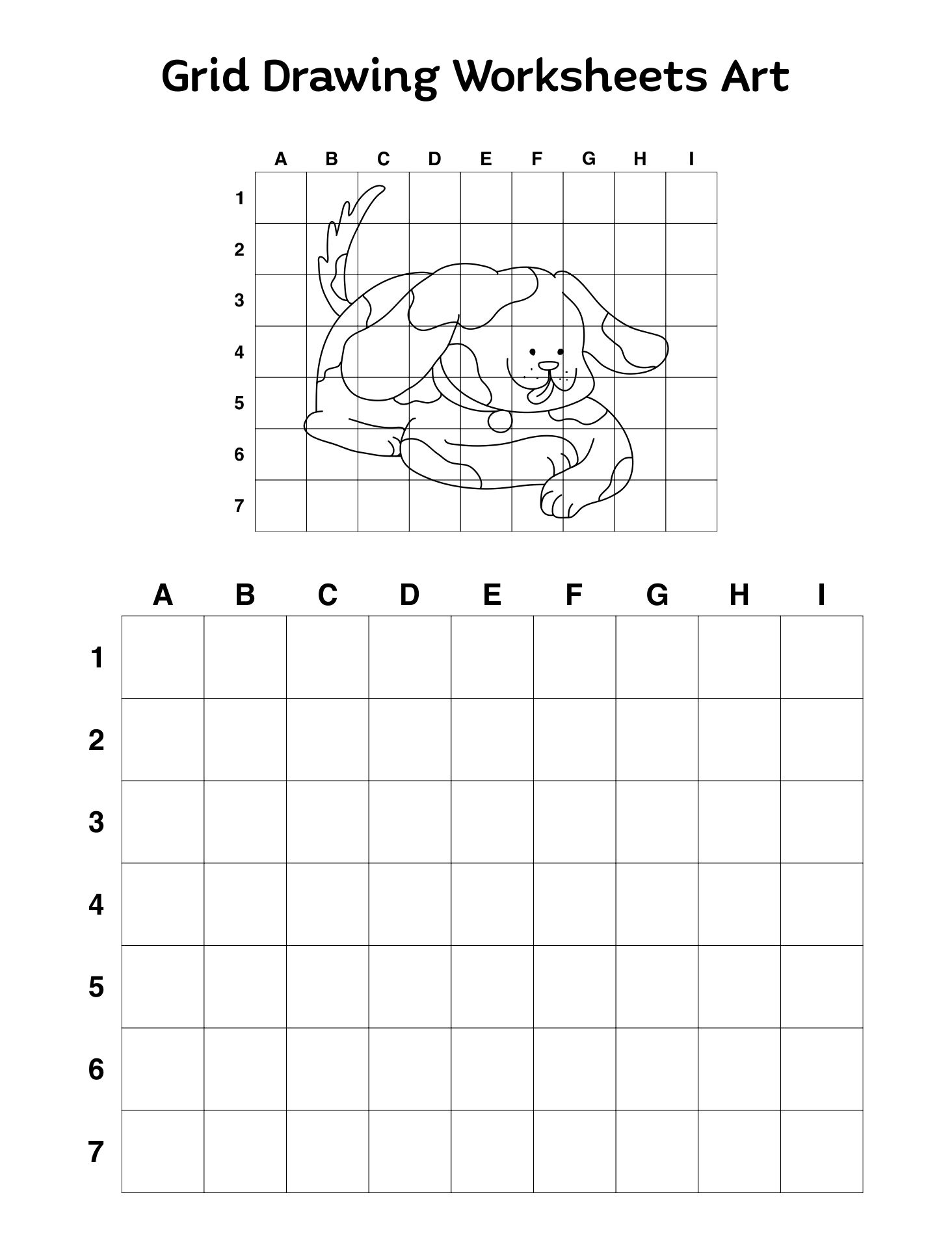
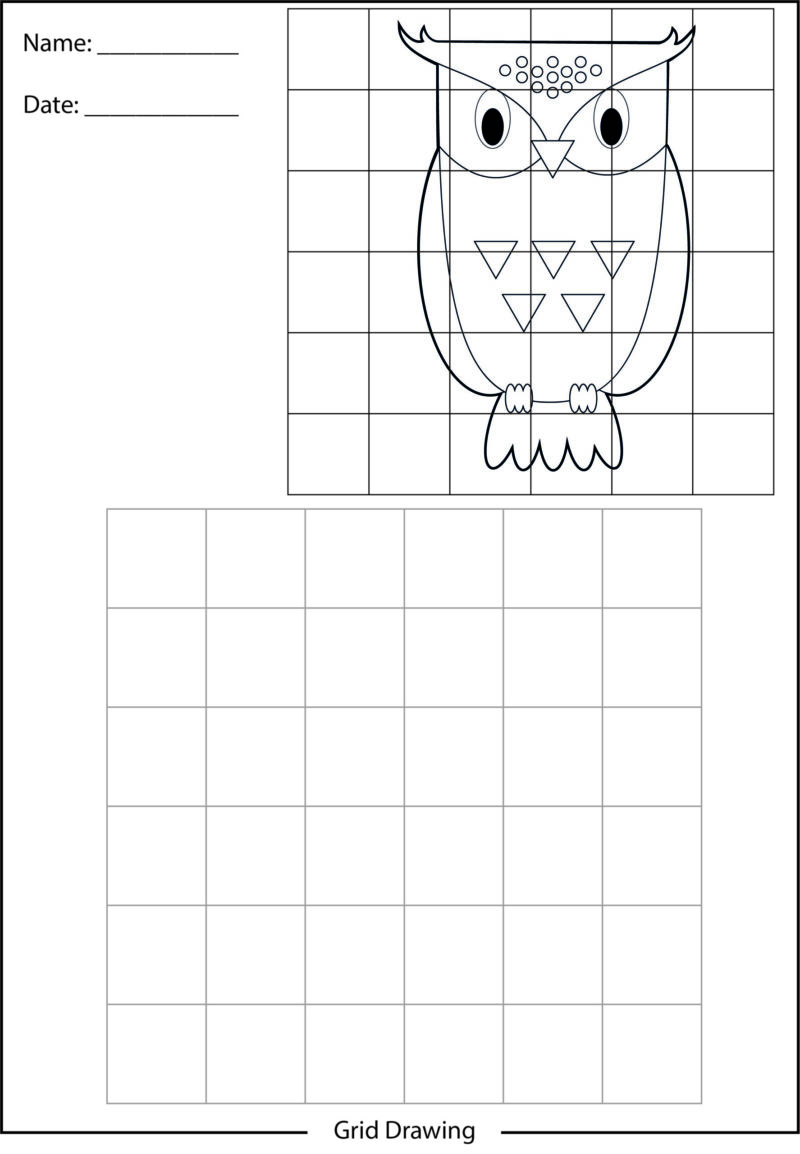
Grid drawing hard describes an advanced spatial decomposition challenge where young learners must manually translate complex visual data from a detailed photographic reference into a proportionally scaled coordinate matrix. According to the National Art Education Association (NAEA), structured observational drawing tasks systematically accelerate spatial intelligence, fine-motor coordination, and visual-perceptual analysis in developing minds. Educators, homeschoolers, and parents frequently encounter this difficulty spike when children transition from basic symmetrical shapes to intricate photographic subjects using printable Grid Drawing worksheets. Mastery of complex grid scaling requires breaking down dense visual fields into manageable coordinate sectors, teaching young artists how to isolate lines, curves, and negative spaces systematically.
Visual Learning & Skill Snapshot:
- Core Focus: Overcoming grid drawing hard challenges through structured spatial decomposition and coordinate mapping.
- Target Skill: Spatial reasoning, visual discrimination, fine-motor proportion, and photo-based concept mastery.
- Key Recommendation: Implement progressive grid density reductions and pair worksheets with real-world photo flashcards to ground abstract coordinates in concrete visual reality.
Core Principles and Visual Learning Overview
Advanced grid scaling transforms overwhelming visual details into isolated geometric coordinates, directly supporting cognitive mapping and analytical thinking. When learners face complex visual subjects, cognitive overload often occurs because the brain attempts to process the entire image simultaneously rather than focusing on discrete anchor points. Utilizing printable Photo Flashcards alongside numbered grids helps children isolate single squares, reducing visual noise and enhancing focal stamina. This methodical breakdown fosters essential cognitive skills, including figure-ground perception, constancy, and proportional estimation, which serve as foundational pillars for both advanced geometry and technical draftsmanship in early elementary education.
Key Specifications and Breakdown
| Age / Learning Stage | Visual Skill & Grid Ratio | Pedagogical Application & Scaffolding |
|---|---|---|
| Ages 5-6 (Early Foundation) | 2×2 or 3×3 simple grids | Use high-contrast silhouette shapes to introduce basic coordinate tracking without overwhelming detail. |
| Ages 7-8 (Intermediate Scaling) | 4×4 to 6×6 balanced grids | Incorporate real-world object photography to bridge the gap between abstract shapes and complex subjects. |
| Ages 9-10 (Advanced Mastery) | 8×8 and higher complex matrices | Target intricate photographic references to master proportional reduction, line weight, and spatial accuracy. |
Structured visual decomposition significantly enhances proportional accuracy and spatial memory retention during early childhood cognitive development. — National Art Education Association (NAEA)
Step-by-Step Practical Application and Printing Guidelines
Successful execution of difficult grid scaling relies on deliberate preparation, precise print settings, and step-by-step physical execution. Educators should print worksheets at 100 percent scale without scaling adjustments to ensure that source grids and drawing grids maintain an exact one-to-one ratio or a clean proportional multiplier. Introduce Educational Activities that require students to cover completed grid squares with a sliding paper window, forcing singular attention onto one coordinate square at a time. Instructors must encourage children to locate the intersection points where lines cross grid borders before attempting to draw continuous contours, drastically reducing proportional distortion across the finished piece.
Common Challenges and How to Avoid Them
Proportional distortion and losing track of coordinate boxes represent the primary obstacles when students tackle intricate grid templates. Learners frequently attempt to draw the entire image freehand across the grid rather than working square by square, which defeats the analytical purpose of coordinate mapping. To correct this tendency, educators should provide index cards to mask surrounding squares, leaving only the active coordinate visible during the drawing process. Scaffolding complexity through gradual step-by-step progression ensures children build enduring visual-spatial confidence without developing frustration during challenging art sessions.
💬 Frequently Asked Questions
Explore More Free Learning Printables and Visual Activities on WePhotoAgency
Transform visual learning challenges into rewarding creative milestones by utilizing professionally designed resources available directly through WePhotoAgency.com. Access an extensive, continually expanding library of printable worksheets, structured drawing templates, and photographic learning tools designed specifically to foster spatial reasoning, fine-motor precision, and cognitive growth in young learners everywhere.
Visual Reference Gallery