Introduction
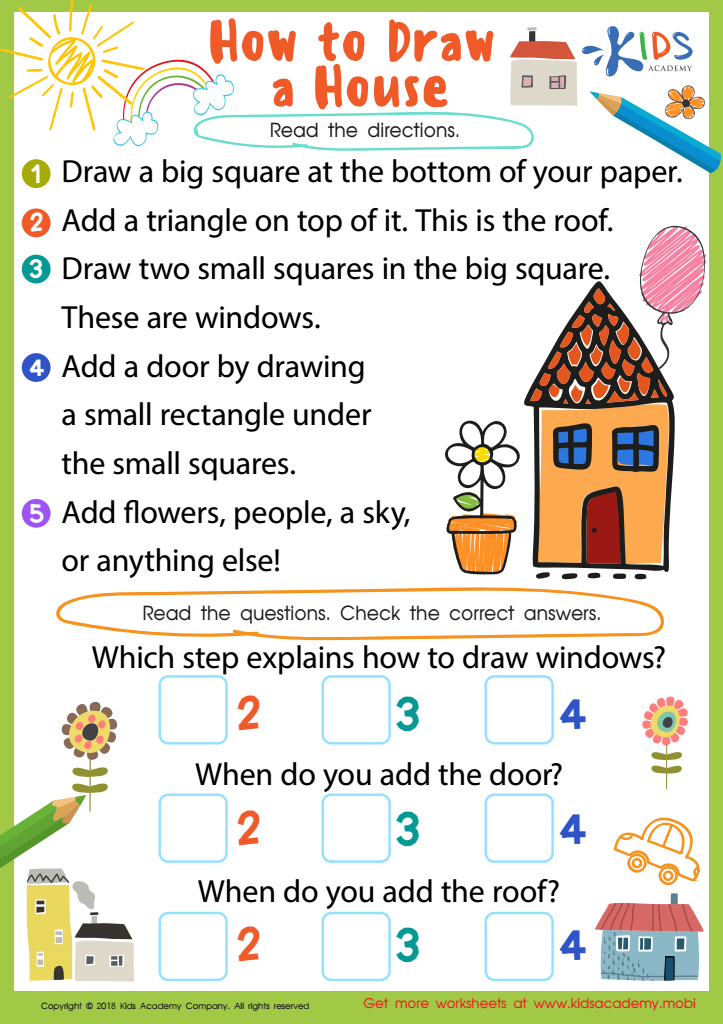
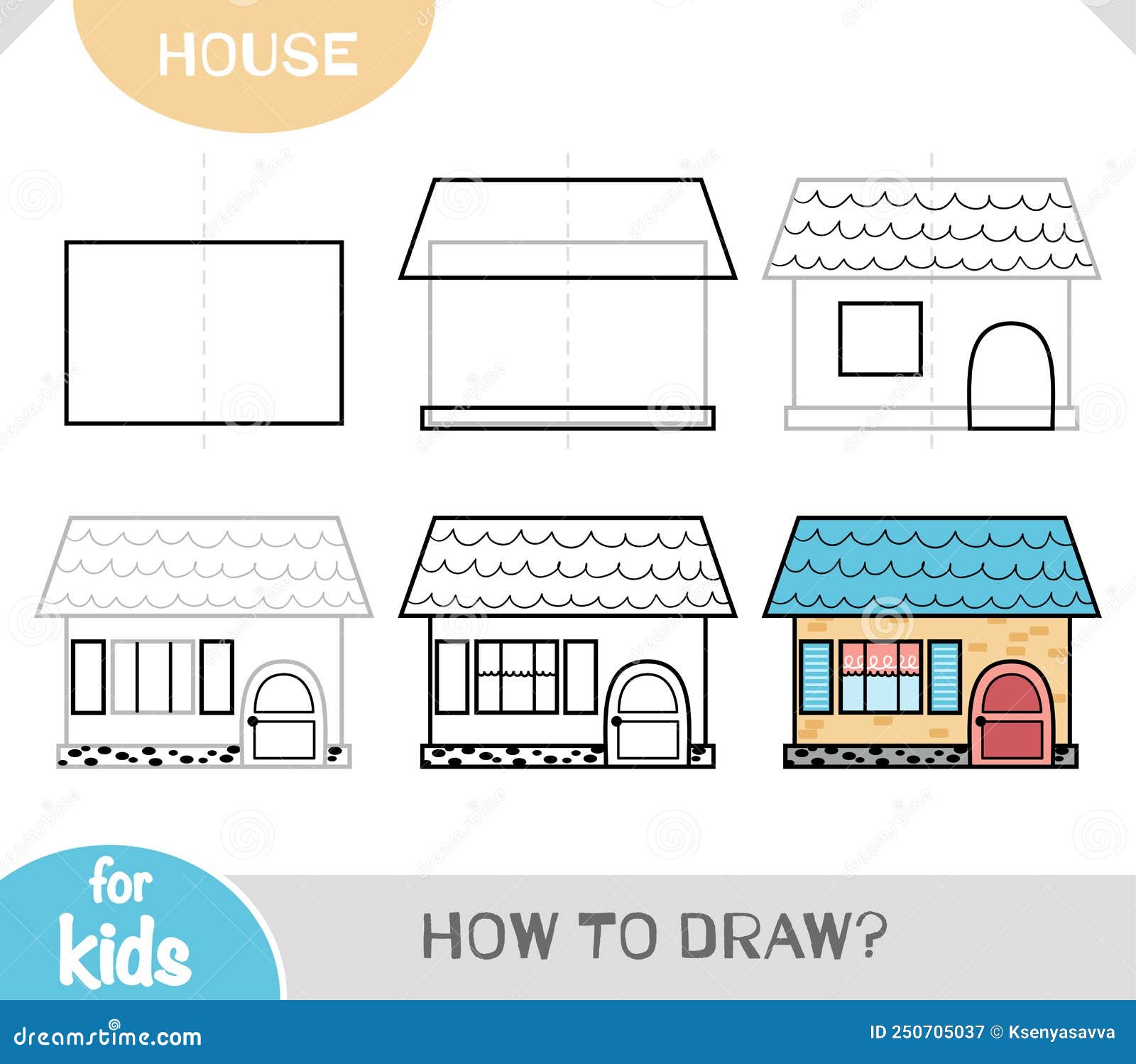
A grid drawing house method serves as an invaluable instructional tool that breaks complex architectural forms down into manageable coordinate squares to enhance early childhood spatial intelligence. According to the National Art Education Association (NAEA), structured visual arts frameworks systematically build cognitive observation, fine-motor coordination, and proportional accuracy in young learners. Integrating printable worksheets alongside realistic Photo Flashcards transforms abstract architectural shapes into concrete, digestible learning moments. Educators and parents utilize these multi-step grid challenges to bridge the gap between open-ended artistic expression and precise geometric observation.
Visual Learning & Skill Snapshot:
- Core Focus: Deconstructing house structures via coordinate-based grid systems to teach proportional rendering.
- Target Skill: Spatial reasoning, visual discrimination, fine-motor proportion, and photo-based concept mastery.
- Key Recommendation: Pair high-contrast printable grids with real architectural photography to ground artistic practice in tangible observation.
Core Principles and Visual Learning Overview
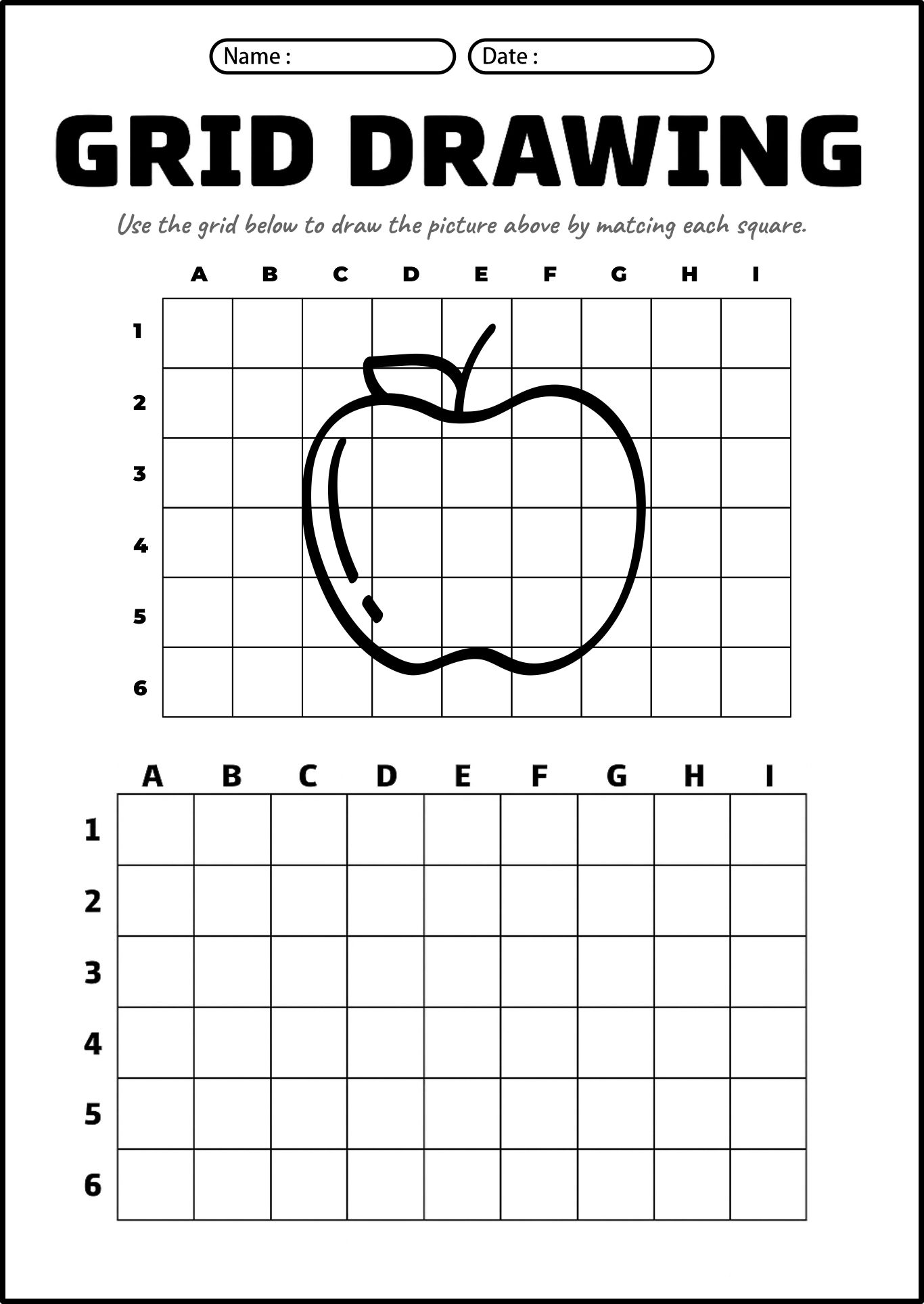
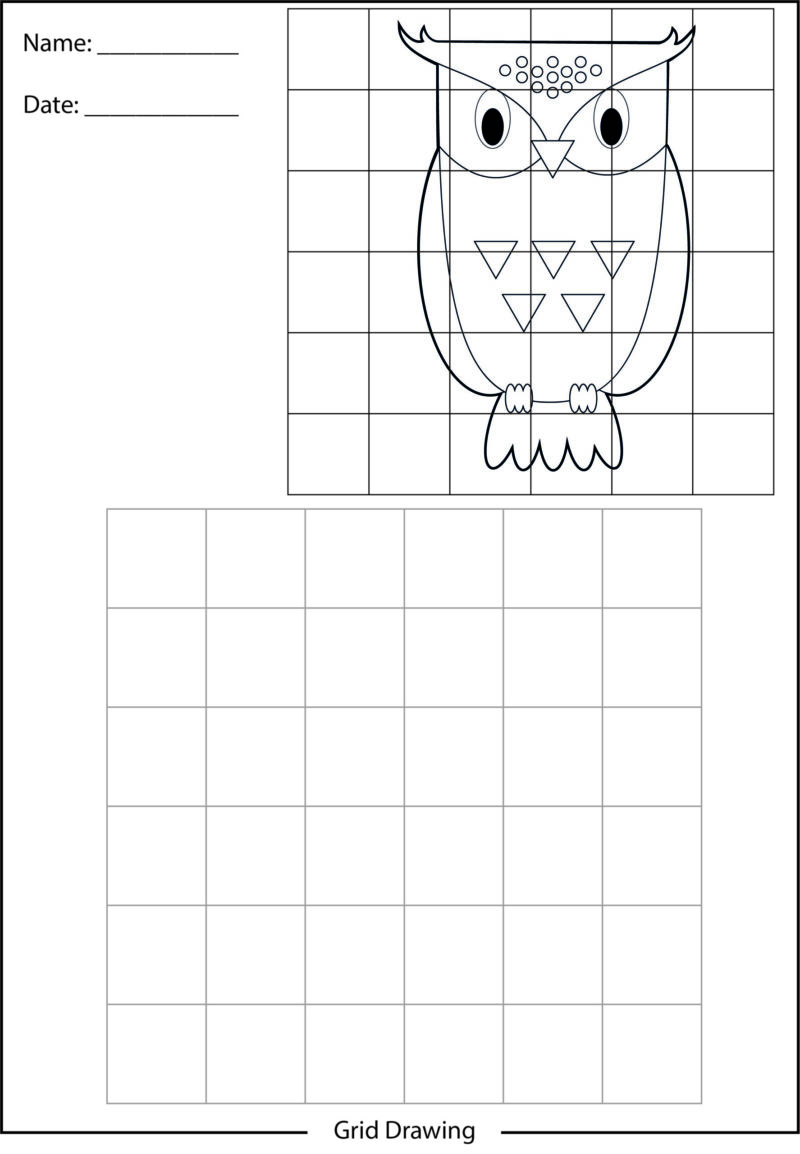
Spatial reasoning improves dramatically when children isolate visual information square by square rather than attempting to render a complete object simultaneously. The grid drawing house technique leverages this cognitive principle by encouraging learners to focus exclusively on intersecting lines, angles, and negative space within a single grid box. Utilizing specialized Grid Drawing exercises teaches children how to map coordinates from a reference image onto a blank grid sheet, reinforcing foundational geometry and scaling principles without inducing frustration.
Key Specifications and Breakdown
| Age / Learning Stage | Visual Skill & Grid Ratio | Pedagogical Application & Scaffolding |
|---|---|---|
| Ages 4-5 (Early Learners) | 2×2 or 3×3 Large Scale Grids | Focuses on basic shape recognition and simple vertical-horizontal alignment using bold architectural reference photos. |
| Ages 6-7 (Early Elementary) | 4×4 Intermediate Grids | Develops line continuity, proportional estimation, and diagonal angle tracking for rooflines and windows. |
| Ages 8+ (Advanced Beginners) | 6×6 Detailed Coordinate Grids | Refines fine-motor control, shading perception, and complex architectural perspective mapping. |
Structured visual art instruction significantly accelerates cognitive mapping and spatial coordination in early childhood development. — National Art Education Association (NAEA)
Step-by-Step Practical Application and Printing Guidelines
Effective implementation requires pairing a clear, high-contrast house reference photograph with a blank corresponding grid worksheet to ensure seamless visual tracking. Educators should distribute Educational Activities that begin with simple square counts, gradually introducing more complex gables, chimneys, and door placements. Instruct learners to cover all grid rows except the top active row using a blank paper mask, which prevents visual overload and focuses attention purely on copying coordinate intersections accurately onto the blank canvas.
Common Challenges and How to Avoid Them
Young learners frequently experience drawing distortion when they jump randomly across the grid instead of proceeding methodically from top to bottom, left to right. Providing numbered columns and lettered rows solves this tracking issue by teaching children an alphanumeric coordinate system identical to map reading and early coding logic. Adults should encourage light pencil sketching initially so that proportional miscalculations can be easily erased before final outlining takes place.
💬 Frequently Asked Questions
Explore More Free Learning Printables and Visual Activities on WePhotoAgency
Expanding early childhood visual curricula becomes effortless when utilizing curated resources designed to foster precision, confidence, and creativity. Discover an extensive library of printable worksheets, coordinate challenges, and creative resources by visiting WePhotoAgency.com to elevate daily learning environments.
Visual Reference Gallery