Introduction
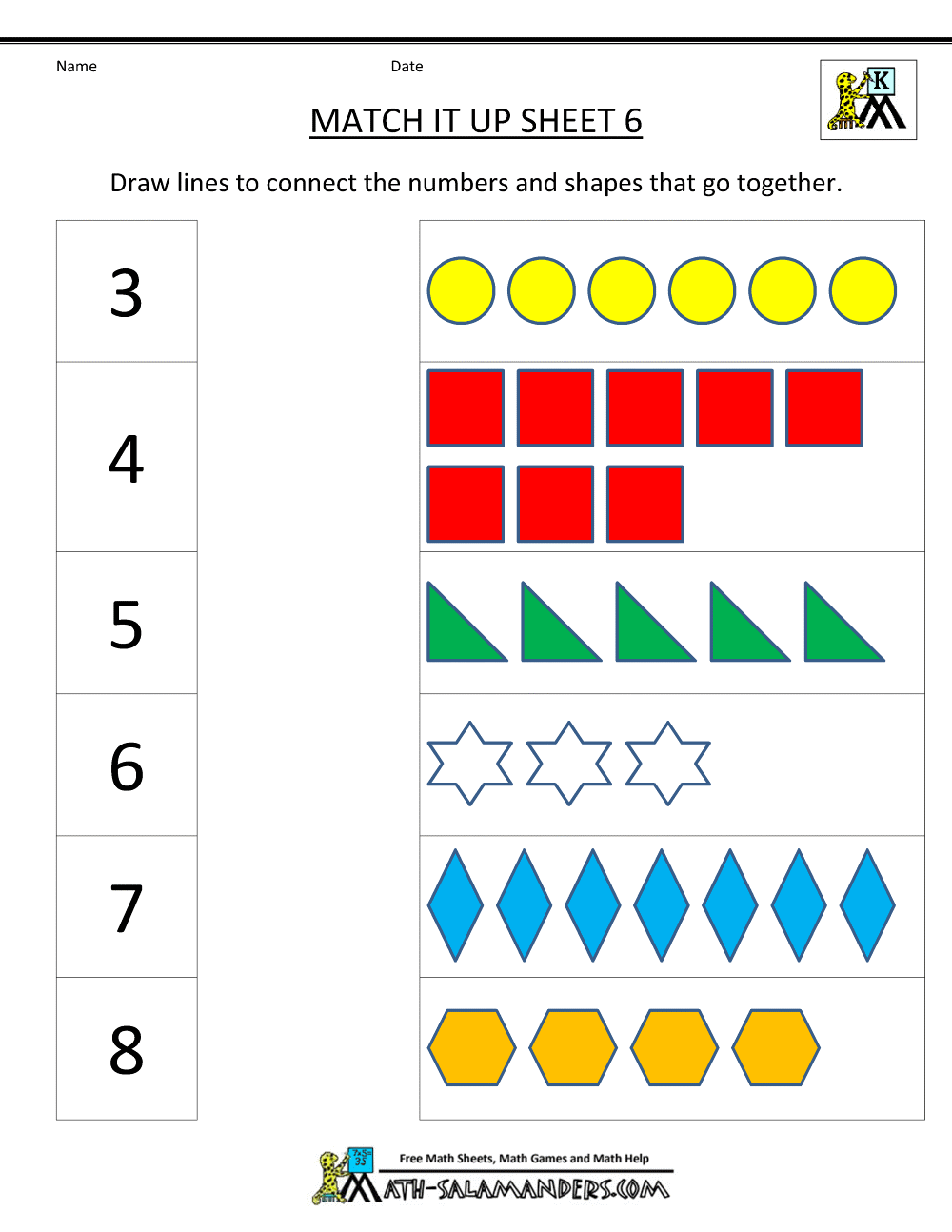
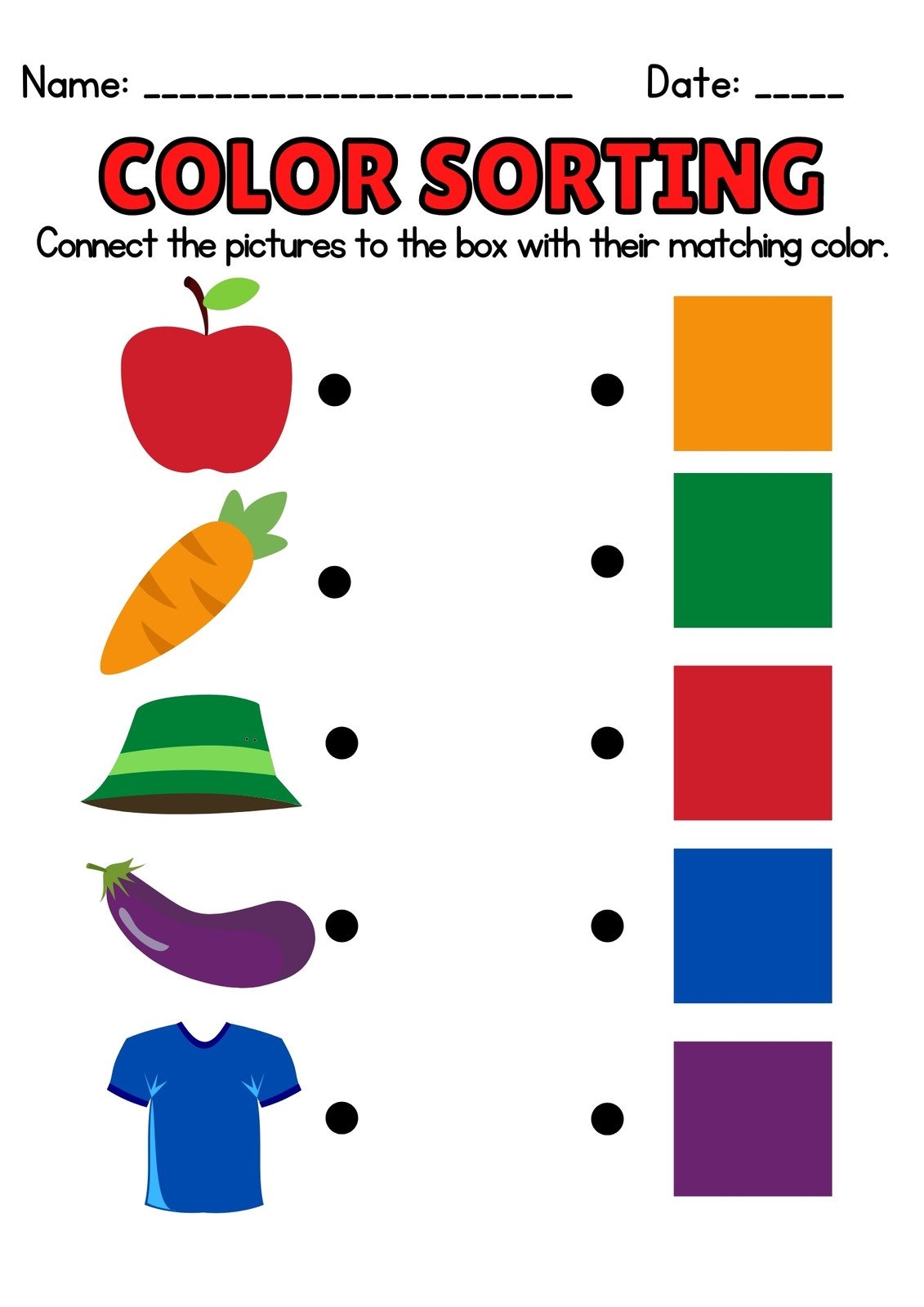
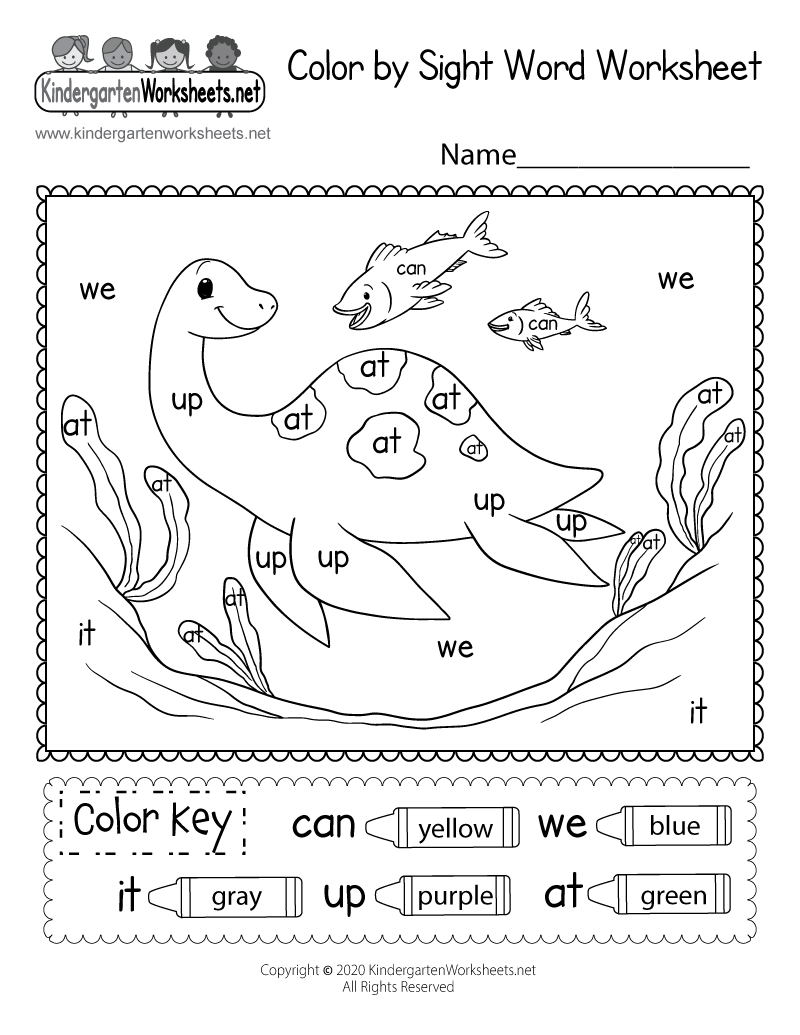
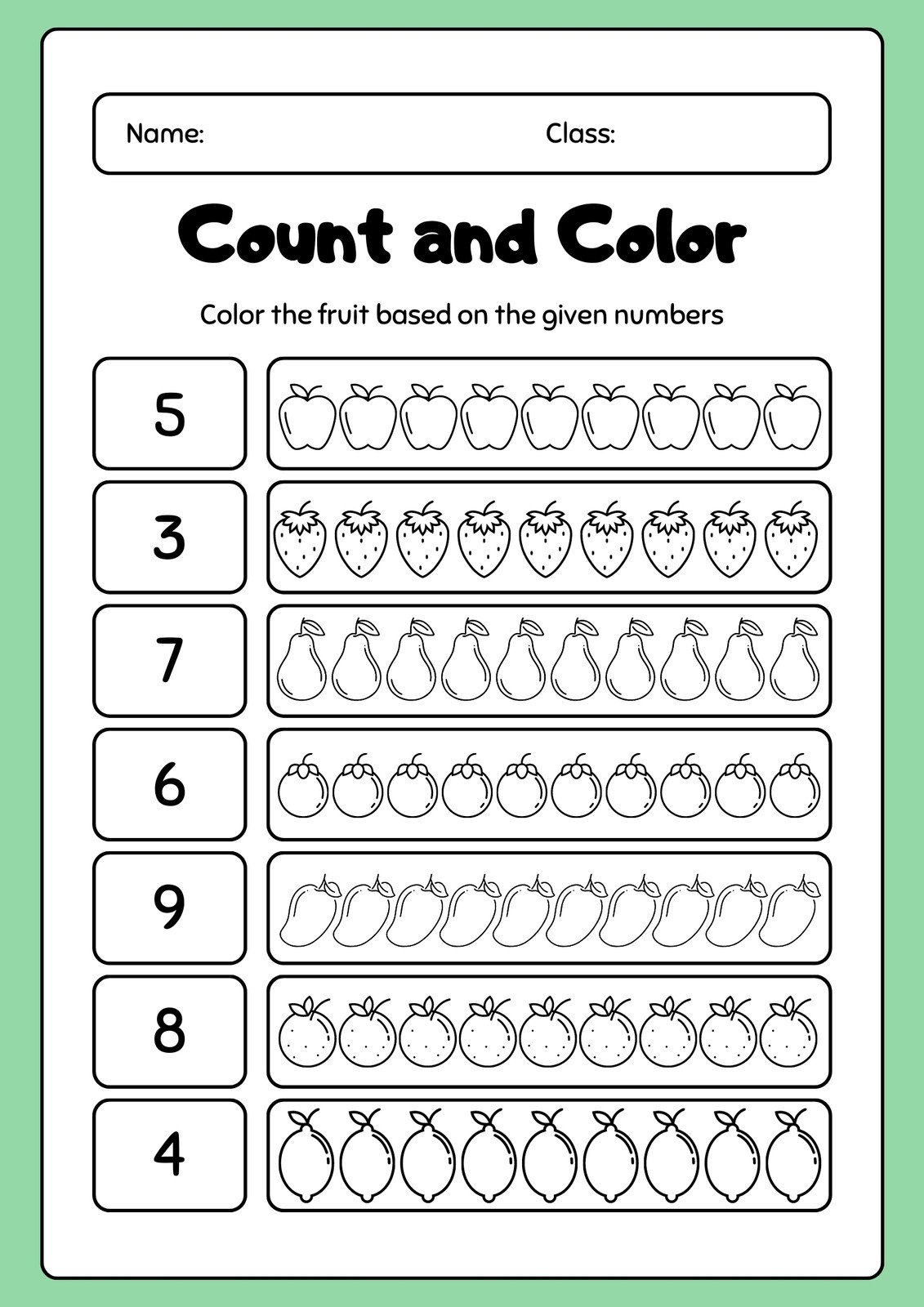
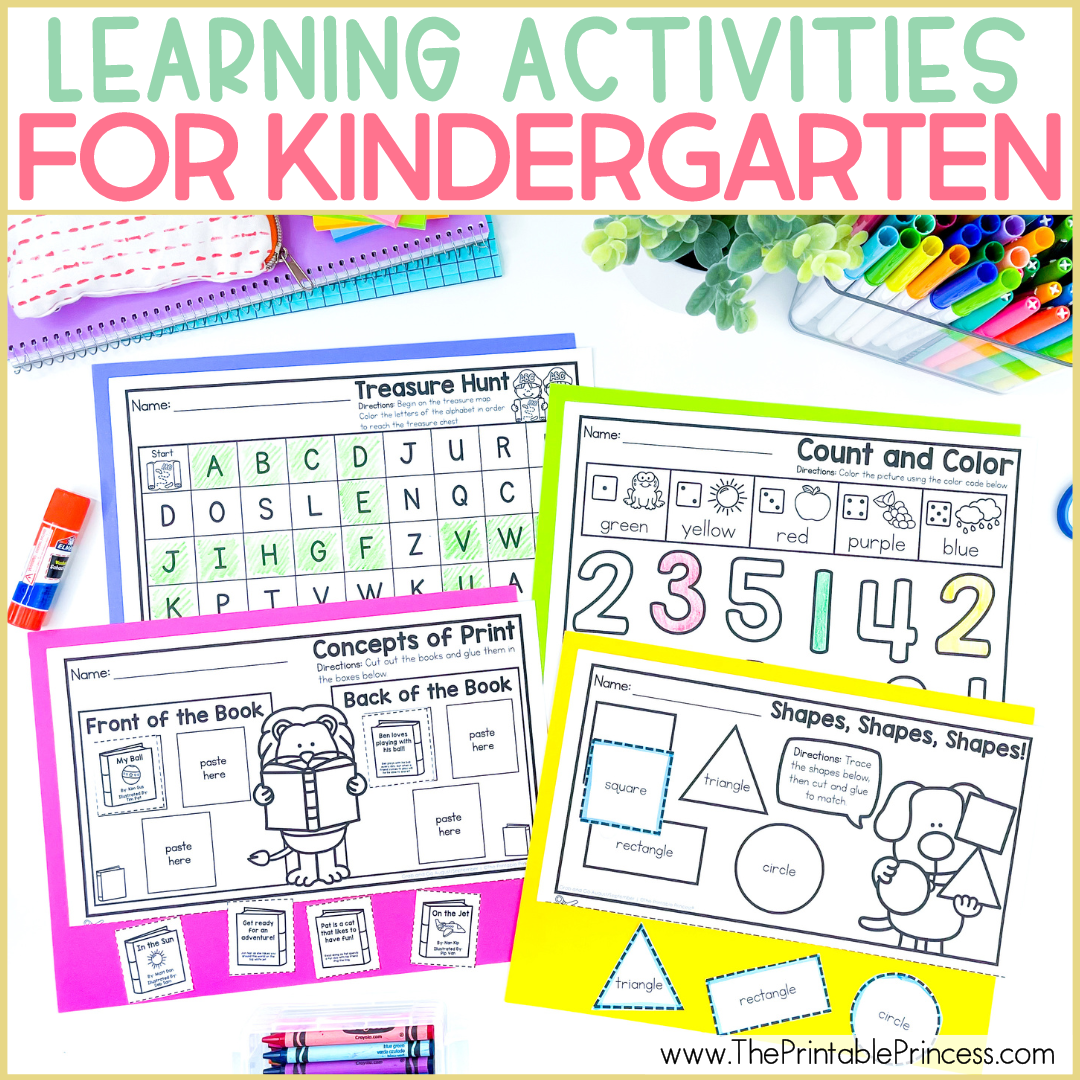
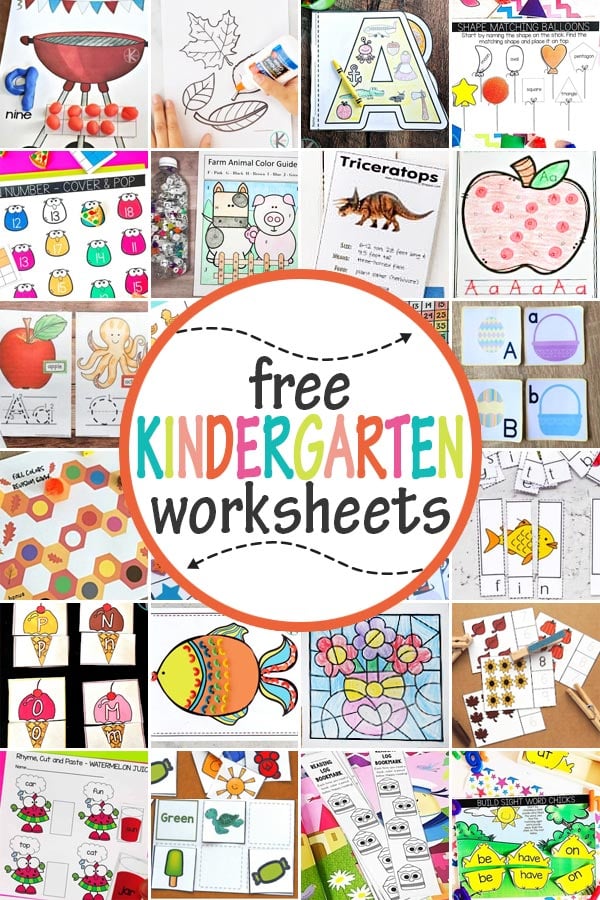
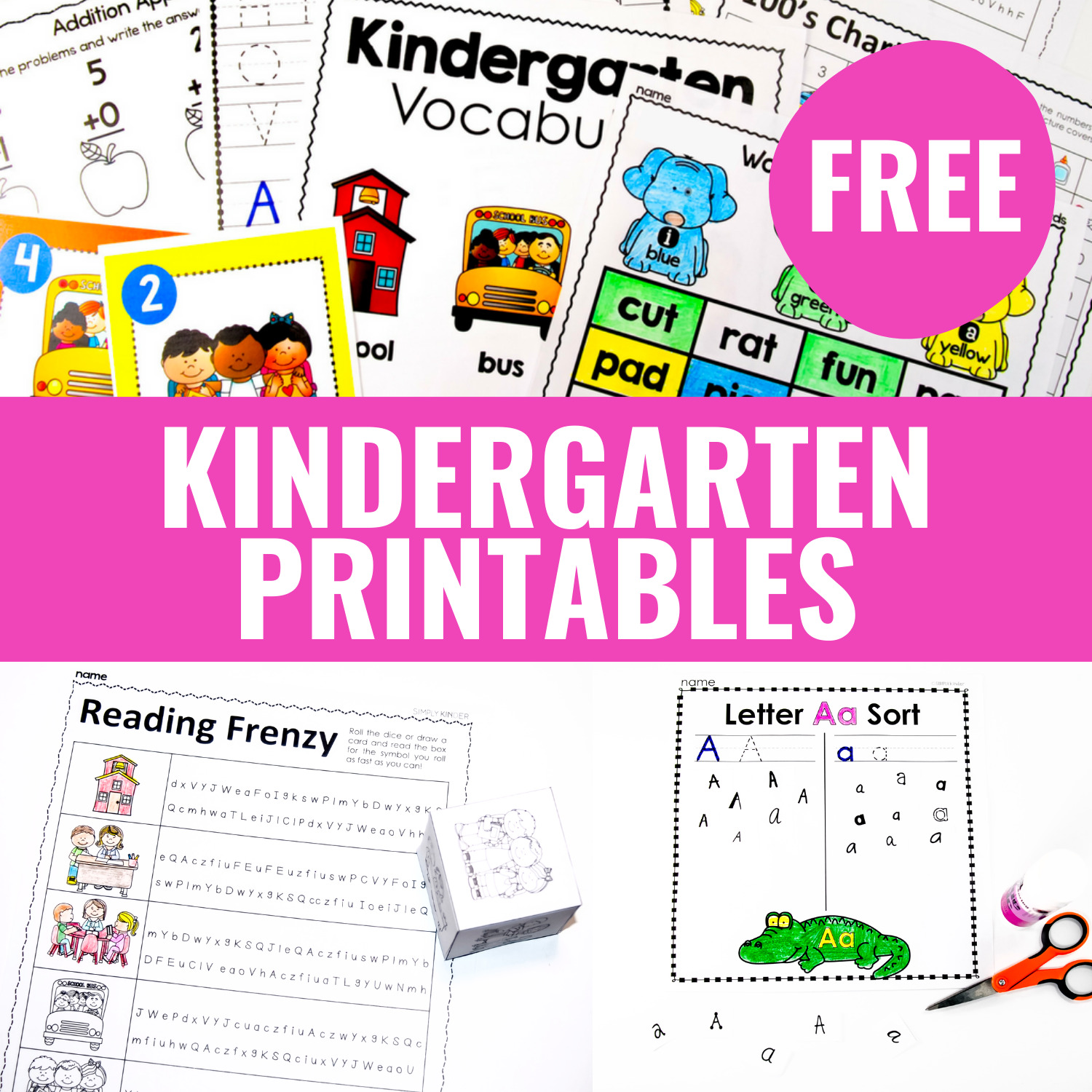
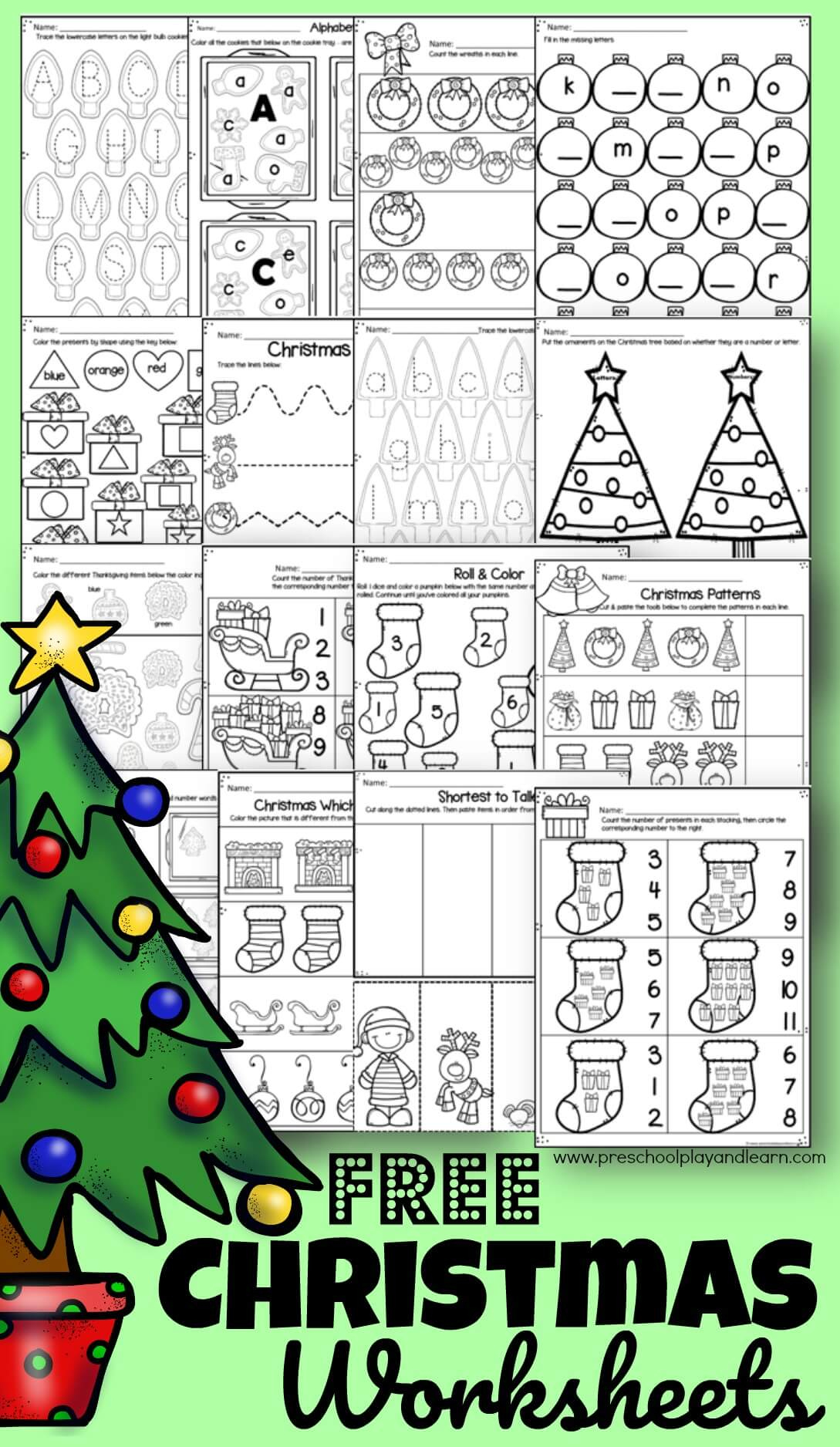
Educational activities for kindergarteners systematically combine visual art principles and cognitive science to accelerate foundational literacy, spatial awareness, and fine-motor control through structured observation. According to the National Association for the Education of Young Children (NAEYC), purposeful engagement with visual arts and spatial reasoning materials during early childhood directly strengthens neural pathways responsible for mathematical computation, pattern recognition, and complex problem-solving. Educators and caregivers frequently seek structured, printable tools that transition young children from abstract concepts to concrete visual understanding. To explore extensive teaching frameworks, visiting the Educational Activities section provides comprehensive resources designed for early learners.
Visual Learning & Skill Snapshot:
- Core Focus: Structured visual worksheets and real-world photo analysis for early childhood cognitive growth.
- Target Skill: Spatial reasoning, visual discrimination, fine-motor proportion, and observation accuracy.
- Key Recommendation: Combine high-contrast photographic references with simplified 2×2 grid frames to scaffold early drawing skills.
Core Principles and Visual Learning Overview
Spatial reasoning and visual discrimination develop rapidly when kindergarteners engage with printable grid drawing worksheets and real photo visual flashcards. Direct answer: Structured visual observation breaks complex imagery down into manageable coordinate segments, allowing five-year-olds to analyze lines, shapes, and proportions systematically. Utilizing Grid Drawing exercises teaches children to isolate specific quadrants rather than attempting to draw an overwhelming whole, building foundational drafting skills. Simultaneously, incorporating Photo Flashcards grounds abstract academic concepts in tangible, real-world visual data, significantly improving vocabulary retention and cognitive categorization.
Key Specifications and Breakdown
| Age / Learning Stage | Visual Skill & Grid Ratio | Pedagogical Application & Scaffolding |
|---|---|---|
| Early Kindergarten (Ages 5-6) | 2×2 Coordinate Grid | Isolates basic quadrants, focusing on line direction, corner alignment, and simple shape replication. |
| Mid Kindergarten (Ages 5.5-6.5) | 3×3 Coordinate Grid | Enhances proportional estimation, spatial memory, and intermediate motor control through photographic matching. |
| Advanced Kindergarten (Ages 6-7) | Detailed Photo Reference Grid | Supports complex visual synthesis, realistic detail observation, and independent self-correction strategies. |
Early art experiences that focus on visual observation and spatial division significantly enhance mathematical matrix comprehension and geometric reasoning in young children. — National Art Education Association (NAEA)
Step-by-Step Practical Application and Printing Guidelines
Implementing visual learning worksheets effectively requires high-contrast printing, durable cardstock, and progressive difficulty scaling to match developmental milestones. Direct answer: Educators should print grid worksheets and photographic references on heavy-weight matte paper to prevent bleed-through and ensure pencil lines erase cleanly during repeated practice. Begin by demonstrating how to point to a specific square on the reference sheet before locating the corresponding square on the blank grid worksheet. Guide children to identify prominent anchor points—such as where a line intersects a grid border—to establish accurate proportions before filling in finer details.
Common Challenges and How to Avoid Them
Frustration during early drawing exercises typically stems from overwhelming grid complexity or rushing past fundamental coordinate identification. Direct answer: Mitigating student fatigue requires scaling down from complex multi-square grids to simplified two-by-two frames until spatial mapping becomes automatic. When kindergarteners attempt to draw the entire image at once rather than focusing square by square, gently cover adjacent quadrants with a blank card to isolate their visual field and maintain focused attention.
💬 Frequently Asked Questions
Explore More Free Learning Printables and Visual Activities on WePhotoAgency
Accessing a diverse library of professional visual resources ensures continuous cognitive growth, artistic exploration, and joyful learning for young students everywhere. Parents, homeschool educators, and art teachers can discover an extensive selection of creative tools by exploring the main collection at WePhotoAgency.com.
Visual Reference Gallery