Introduction
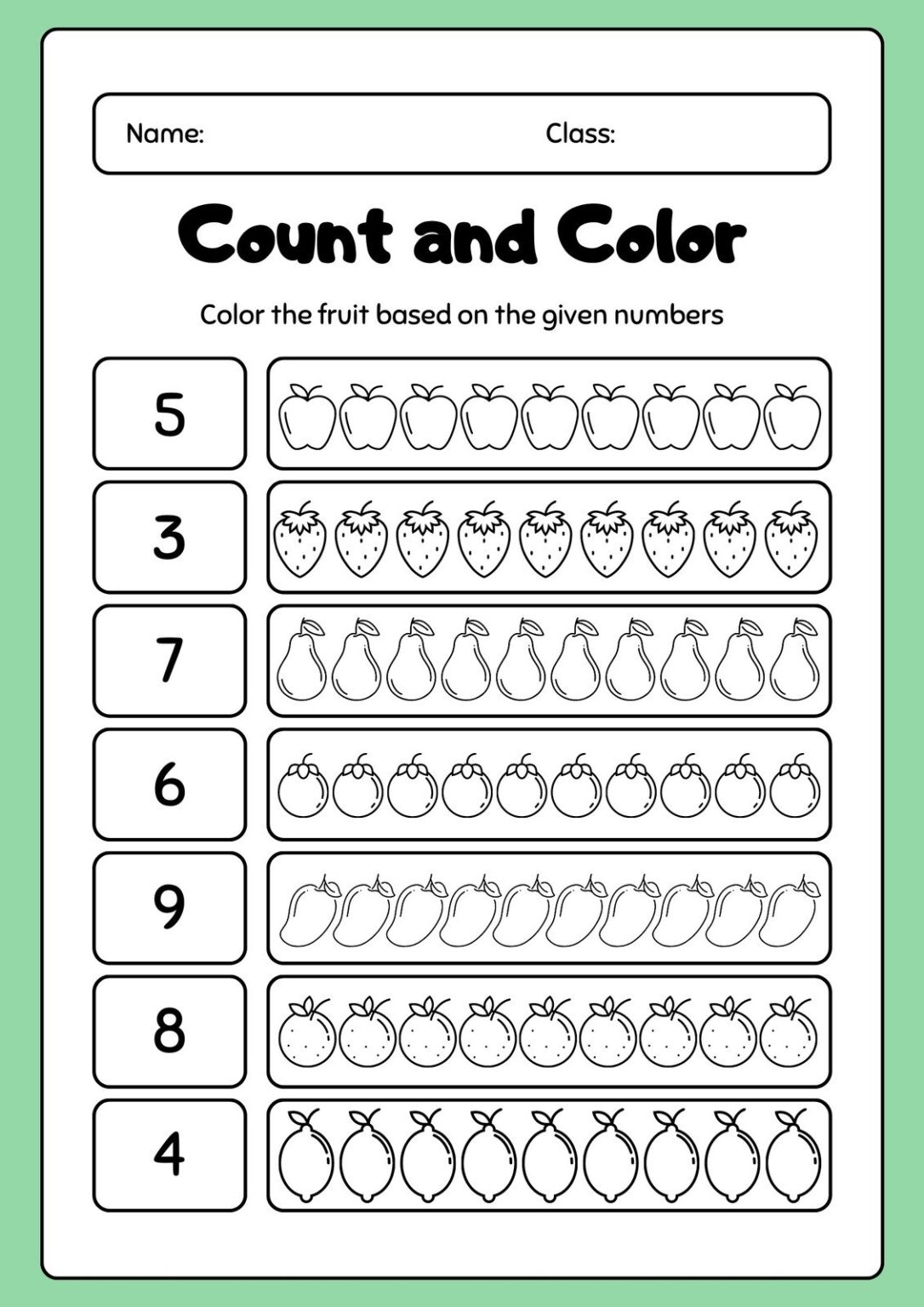
Simple educational activities for kids provide structured visual tasks that dramatically accelerate cognitive growth, fine-motor precision, and spatial reasoning in early childhood. According to the National Association for the Education of Young Children (NAEYC), intentional engagement with high-contrast visual materials and structured drawing prompts significantly enhances neurological development and pattern recognition in young learners. Integrating structured Educational Activities into daily routines bridges the gap between abstract art and concrete cognitive milestone acquisition, preparing children for advanced mathematical and literacy concepts through systematic observation.
Visual Learning & Skill Snapshot:
- Core Focus: Hands-on visual exercises utilizing printable grid worksheets and real photographic references.
- Target Skill: Spatial reasoning, visual discrimination, fine-motor proportion, and observation accuracy.
- Key Recommendation: Pair photographic stimulus cards with proportional grid tracking sheets to ground abstract art in recognizable reality.
Core Principles and Visual Learning Overview
Spatial awareness and proportion estimation develop systematically when children interact with concrete visual references such as high-detail Photo Flashcards. These real-world photographic aids bypass cartoonish simplifications, training the brain to analyze genuine shapes, shadows, and textures. When children translate these real images onto systematic Grid Drawing matrices, cognitive load is reduced by breaking a complex image into manageable geometric coordinates. This compartmentalized approach encourages analytical thinking, patience, and meticulous attention to detail without inducing frustration or creative burnout in early elementary students.
Key Specifications and Breakdown
| Age / Learning Stage | Visual Skill & Grid Ratio | Pedagogical Application & Scaffolding |
|---|---|---|
| Ages 4-5 (Early Years) | 2×2 or 3×3 simple grids | Use basic shapes and everyday photo flashcards to teach quadrant tracking and line continuity. |
| Ages 6-7 (Early Elementary) | 4×4 moderate grids | Introduce photographic animal and botanical references to build realistic proportion estimation and hand-eye coordination. |
| Ages 8-10 (Advanced Primary) | 6×6 complex grids | Incorporate architectural or detailed nature photos to master intricate coordinate mapping and scale translation. |
Visual-spatial integration activities directly strengthen the parietal lobe pathways responsible for mathematical computation and spatial mapping — National Art Education Association (NAEA)
Step-by-Step Practical Application and Printing Guidelines
Executing structured visual worksheets requires high-contrast printouts, stable writing surfaces, and clear step-by-step adult guidance. Begin by selecting a clear reference image from verified visual libraries, ensuring the target photograph features distinct focal points rather than cluttered backgrounds. Print both the reference card and the corresponding grid worksheet on heavy cardstock to prevent buckling under pencil pressure or eraser friction. Instruct learners to isolate one grid square at a time using an L-shaped paper window blocker, focusing solely on the lines contained within that isolated boundary before revealing adjacent segments of the drawing.
Common Challenges and How to Avoid Them
Overwhelming young learners with overly dense grids or ambiguous photo references frequently leads to avoidance behaviors and inaccurate proportion scaling. Prevent this by strictly matching grid complexity to developmental readiness, starting with fewer squares and scaling upward only after the child demonstrates consistent coordinate mapping accuracy. If a child draws outside the designated grid boundaries, gently redirect attention back to the specific coordinate box using a colored highlighter to outline the target perimeter. Cultivating patience through incremental milestones ensures that visual arts remain a confidence-building exercise rather than a source of anxiety.
💬 Frequently Asked Questions
Explore More Free Learning Printables and Visual Activities on WePhotoAgency
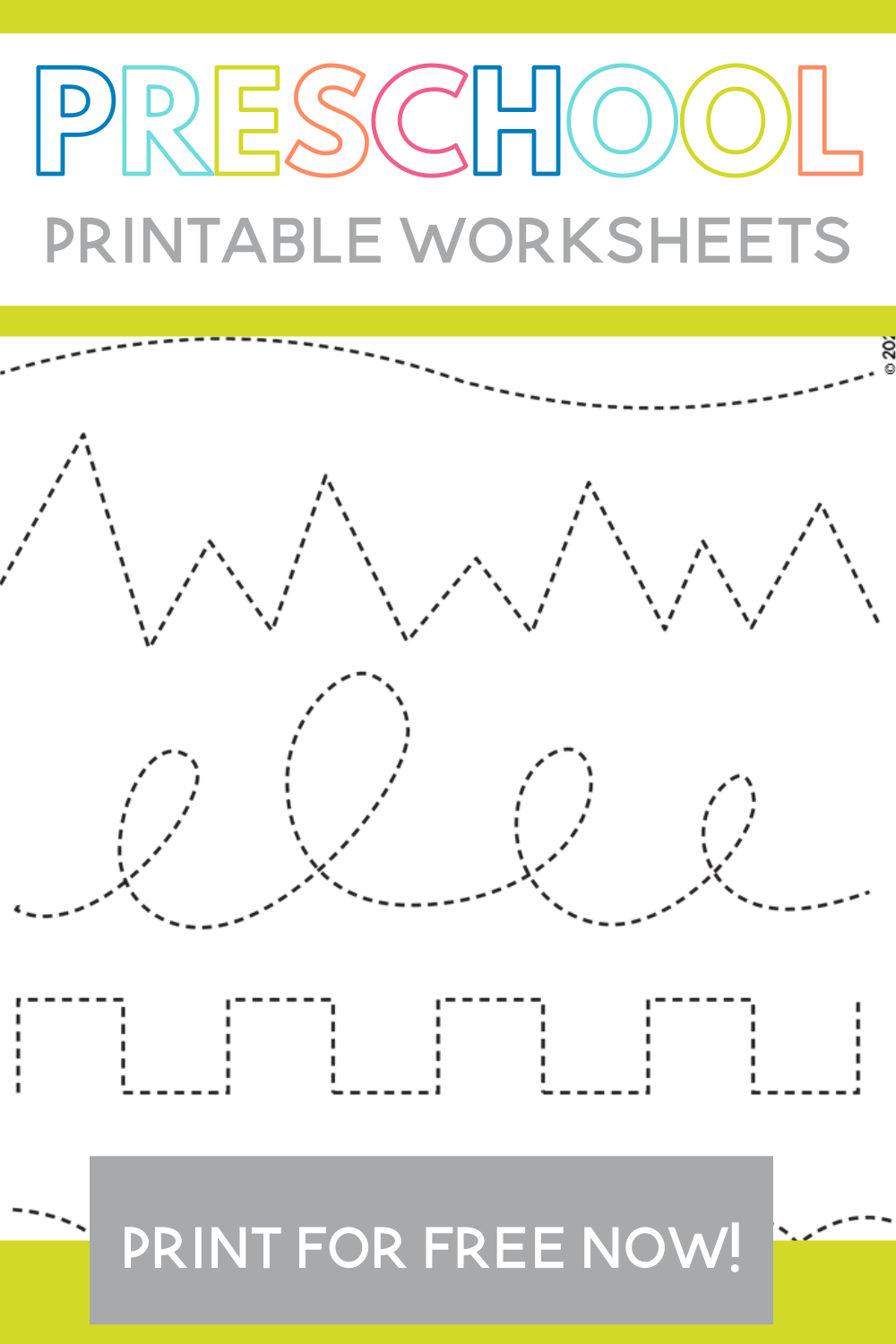
Empower young learners with professionally designed visual resources by accessing the comprehensive library available at WePhotoAgency.com. Educators, parents, and homeschoolers will discover an ever-expanding collection of printable worksheets, visual prompts, and skill-building exercises tailored to foster creativity and cognitive excellence.
Visual Reference Gallery