Introduction
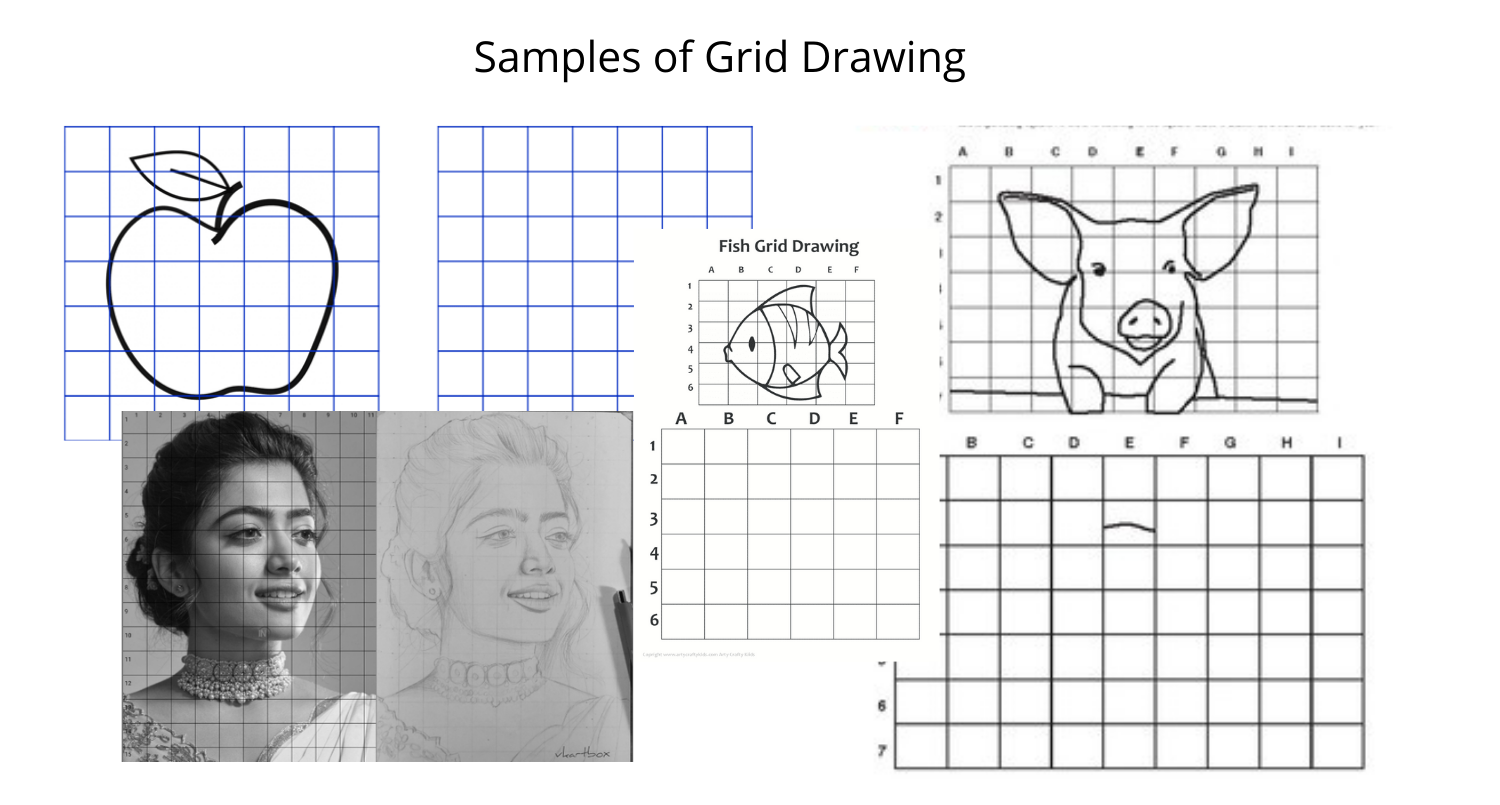
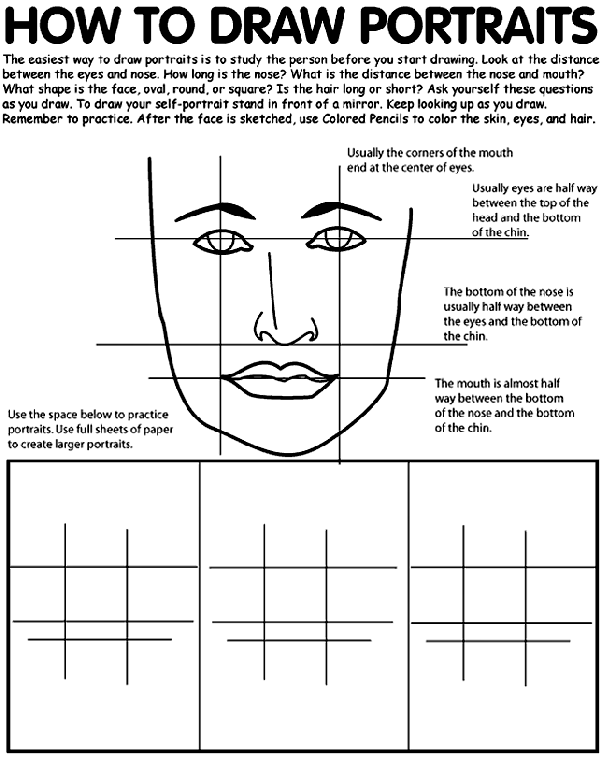
Drawing portraits with a grid is a foundational visual learning technique that breaks complex facial structures into manageable coordinate squares to build spatial awareness, proportion estimation, and fine-motor precision. According to the National Art Education Association (NAEA), structured observational drawing activities significantly enhance early visual processing and hand-eye coordination by training the brain to translate three-dimensional visual stimuli into two-dimensional graphical representations. This pedagogical approach transforms intimidating portraiture tasks into approachable puzzles, supporting children as they develop critical cognitive analysis skills through printable worksheets and Grid Drawing exercises.
Visual Learning & Skill Snapshot:
- Core Focus: Systematic segmentation of human facial features using intersecting horizontal and vertical coordinate lines.
- Target Skill: Spatial reasoning, visual discrimination, fine-motor proportion control, and photo-based observation.
- Key Recommendation: Pair high-contrast reference faces with simple four-by-four square grids for early elementary learners.
Core Principles and Visual Learning Overview
Proportional grid mapping operates by restricting a young artist’s visual field to a single bounded square at a time, bypassing the overwhelming cognitive load of rendering an entire face simultaneously. When children utilize printable grid drawing worksheets alongside realistic Photo Flashcards, cognitive processing shifts from generic symbolism—such as drawing cartoon eyes or standard oval shapes—to true empirical observation of angles, negative space, and tonal shifts. Educators leverage this segmentation method to teach coordinate literacy, encouraging children to verify line intersections, curvature depths, and placement boundaries prior to executing pencil strokes on paper.
Key Specifications and Breakdown
| Age / Learning Stage | Visual Skill & Grid Ratio | Pedagogical Application & Scaffolding |
|---|---|---|
| Ages 5-6 (Early Kindergarten) | 4×4 Grid; basic shape tracking | Utilize high-contrast photographic references to teach line tracing and boundary identification. |
| Ages 7-8 (Late Primary) | 6×6 Grid; angle and curve estimation | Incorporate real-world portrait photos to emphasize relative positioning of nose and mouth segments. |
| Ages 9-10 (Early Elementary) | 8×8 Grid; tonal mapping and scale | Advance to complex coordinate scaling, focusing on symmetry and dimensional depth estimation. |
Structured visual partitioning accelerates spatial cognition and geometric mapping skills in early childhood cognitive development benchmarks — National Art Education Association (NAEA)
Step-by-Step Practical Application and Printing Guidelines
Executing a successful grid drawing session requires high-contrast printouts, stable writing surfaces, and clear mechanical instructions designed for emerging learners. Educators should select a reference photo with balanced lighting, overlay an identical grid pattern across both the source image and the blank drawing template, and instruct children to examine one single box at a time. To maximize engagement during Educational Activities, print reference sheets on heavy cardstock to prevent tearing, and encourage the use of soft-lead pencils so early learners can easily erase and adjust coordinate placements without damaging the paper grain.
Common Challenges and How to Avoid Them
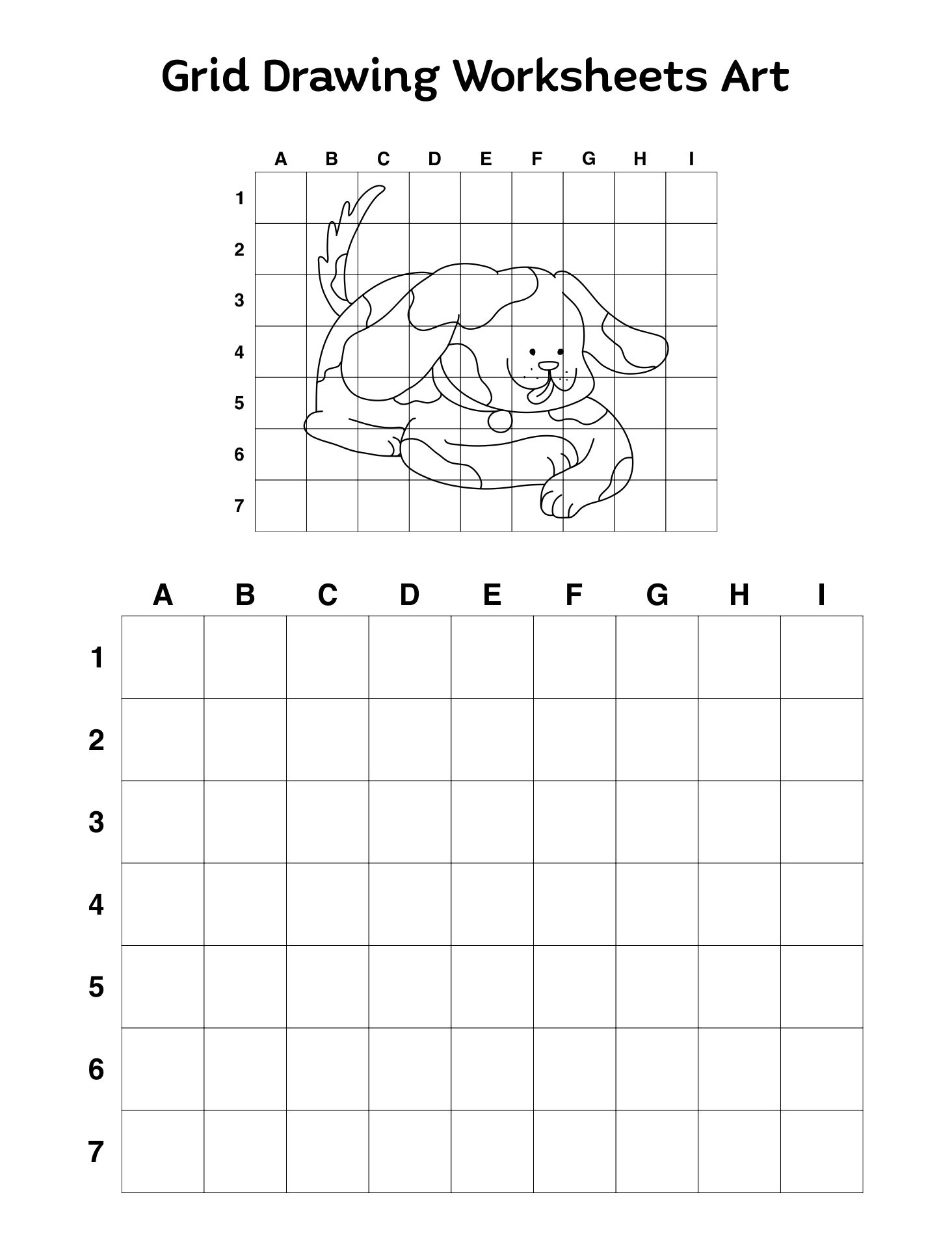
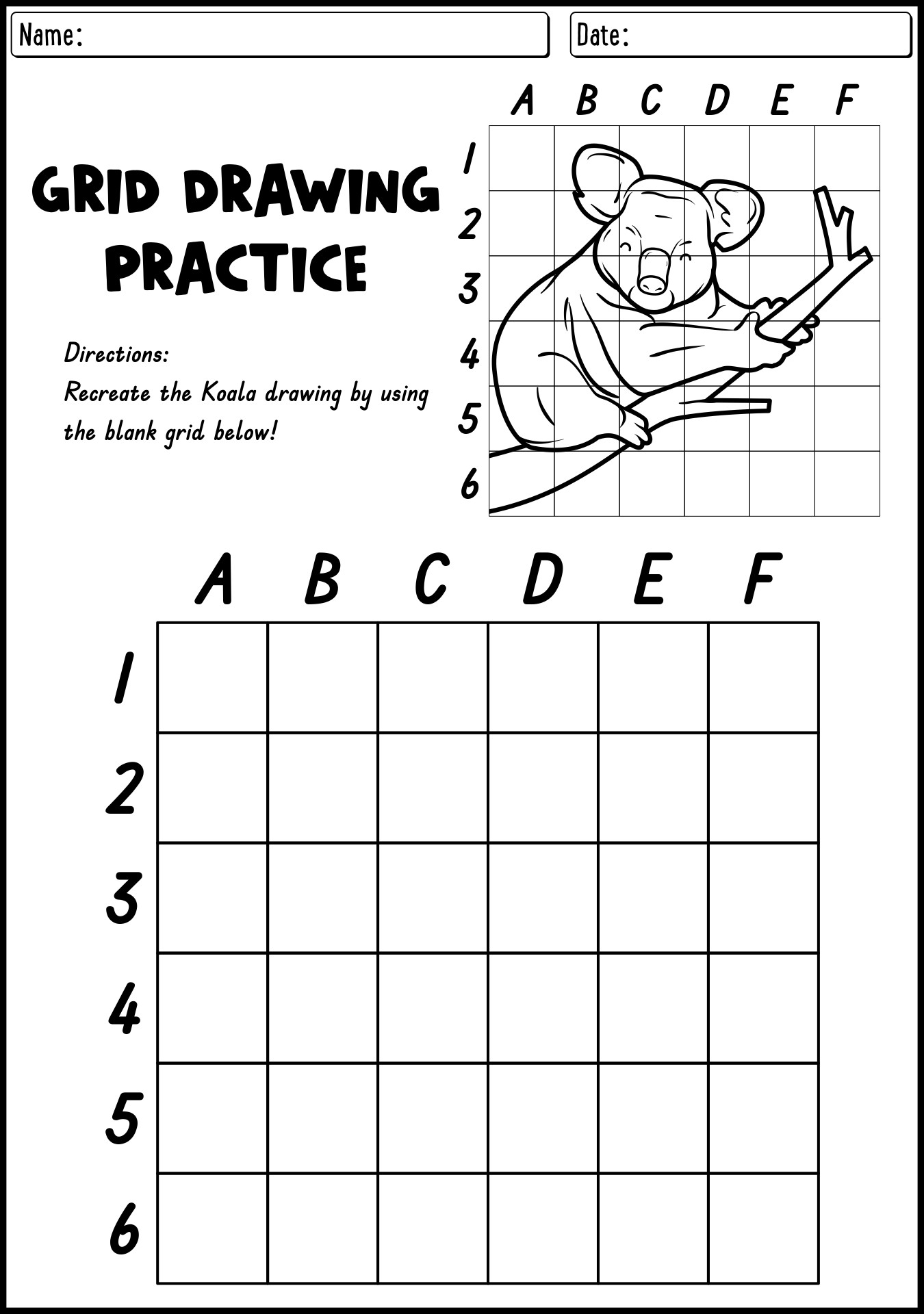
Loss of focus and misplaced focal features represent the most frequent obstacles encountered when young children tackle multi-square portrait grids. Prevent frustration by starting with simplified four-square or nine-square matrices before introducing complex facial grids, ensuring that learners do not rush through individual coordinate blocks. Instructors should encourage children to use a finger or an L-shaped paper cutout to isolate the specific square currently under active observation, which effectively blocks out surrounding visual distractions and maintains uninterrupted concentration.
💬 Frequently Asked Questions
Explore More Free Learning Printables and Visual Activities on WePhotoAgency
Expanding a child’s creative toolkit involves continuous access to diverse, high-quality visual resources that seamlessly integrate art with cognitive skill-building. Educators, parents, and homeschool leaders can discover a comprehensive library of printable resources, instructional guides, and creative templates by visiting WePhotoAgency.com today.
Visual Reference Gallery