Introduction
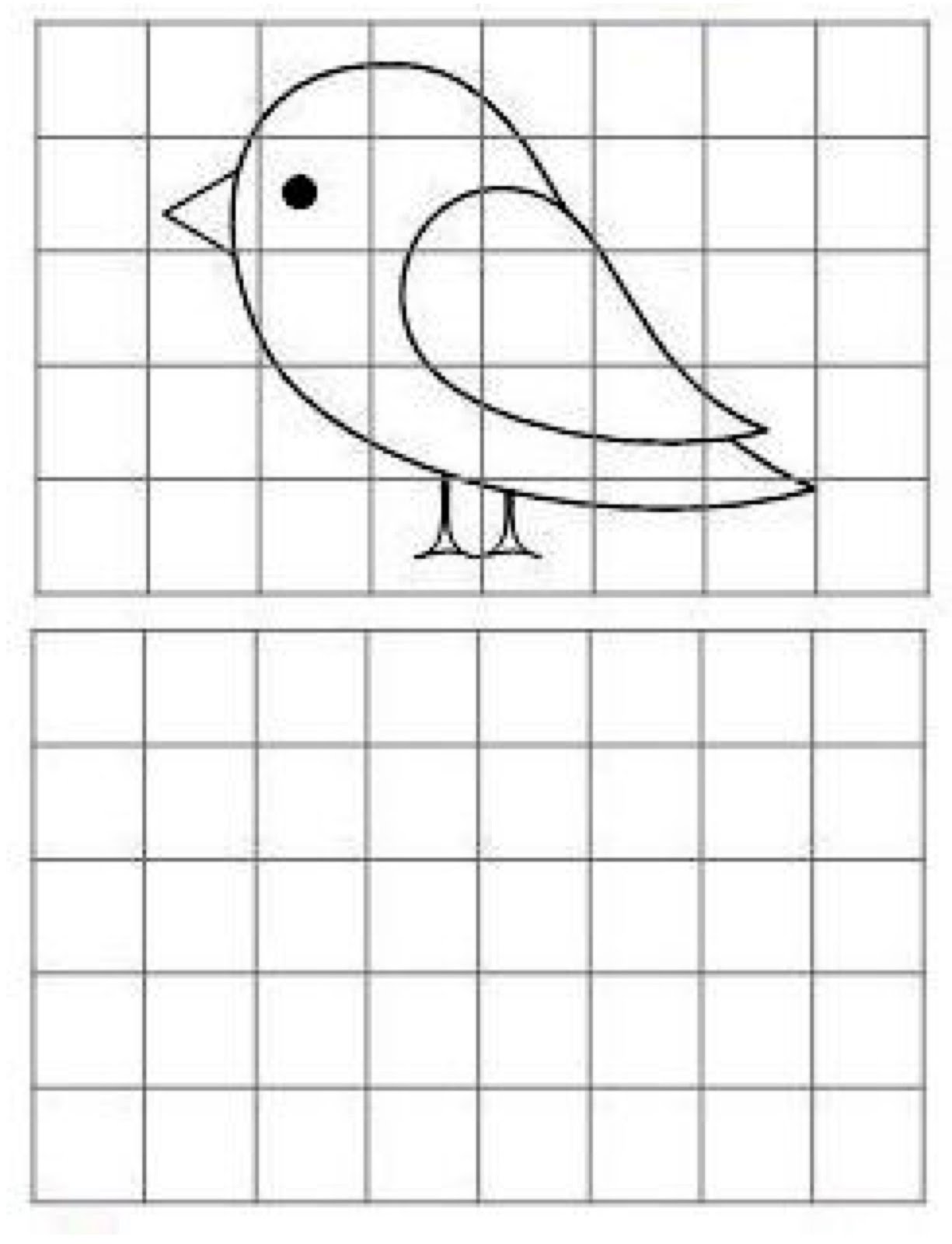
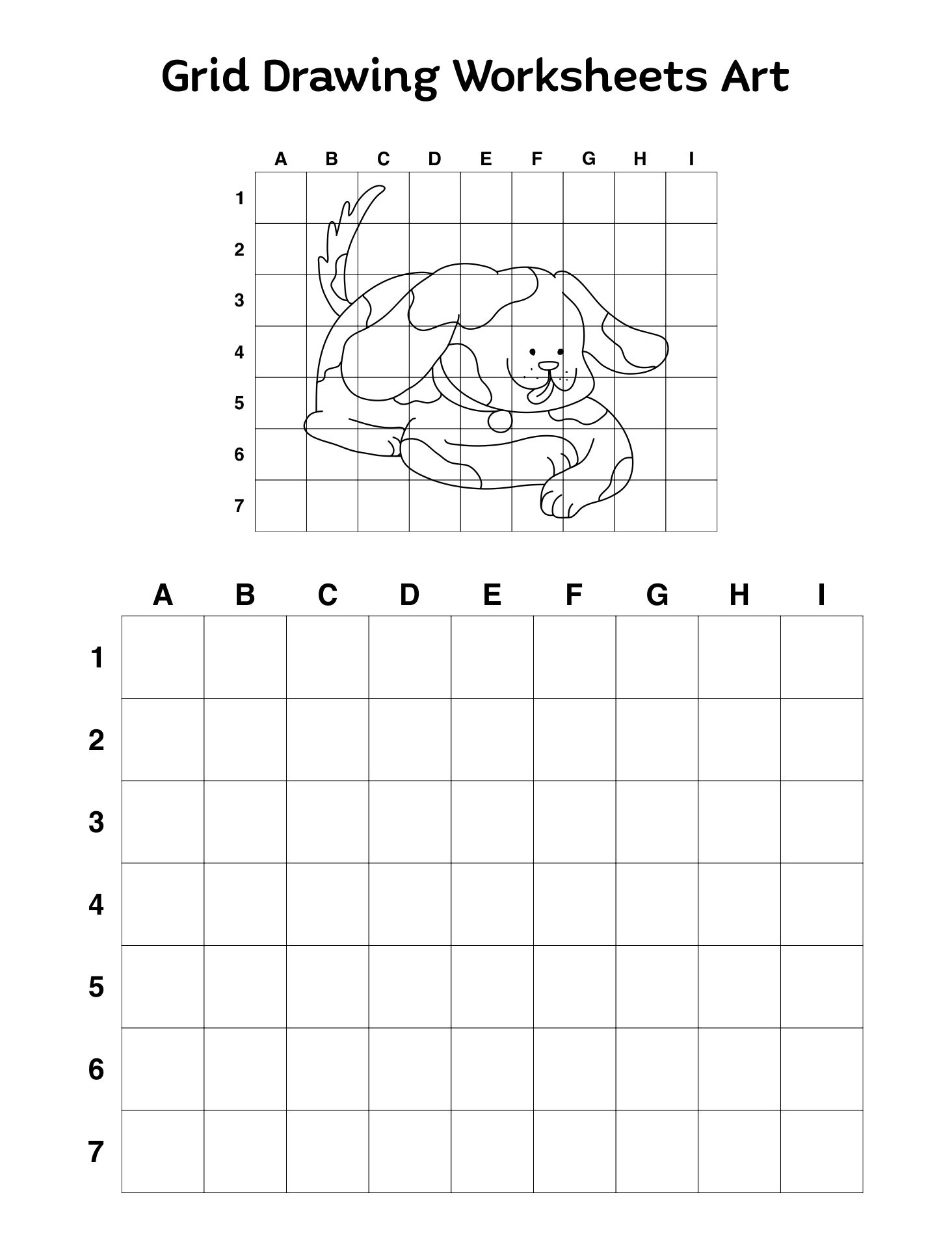
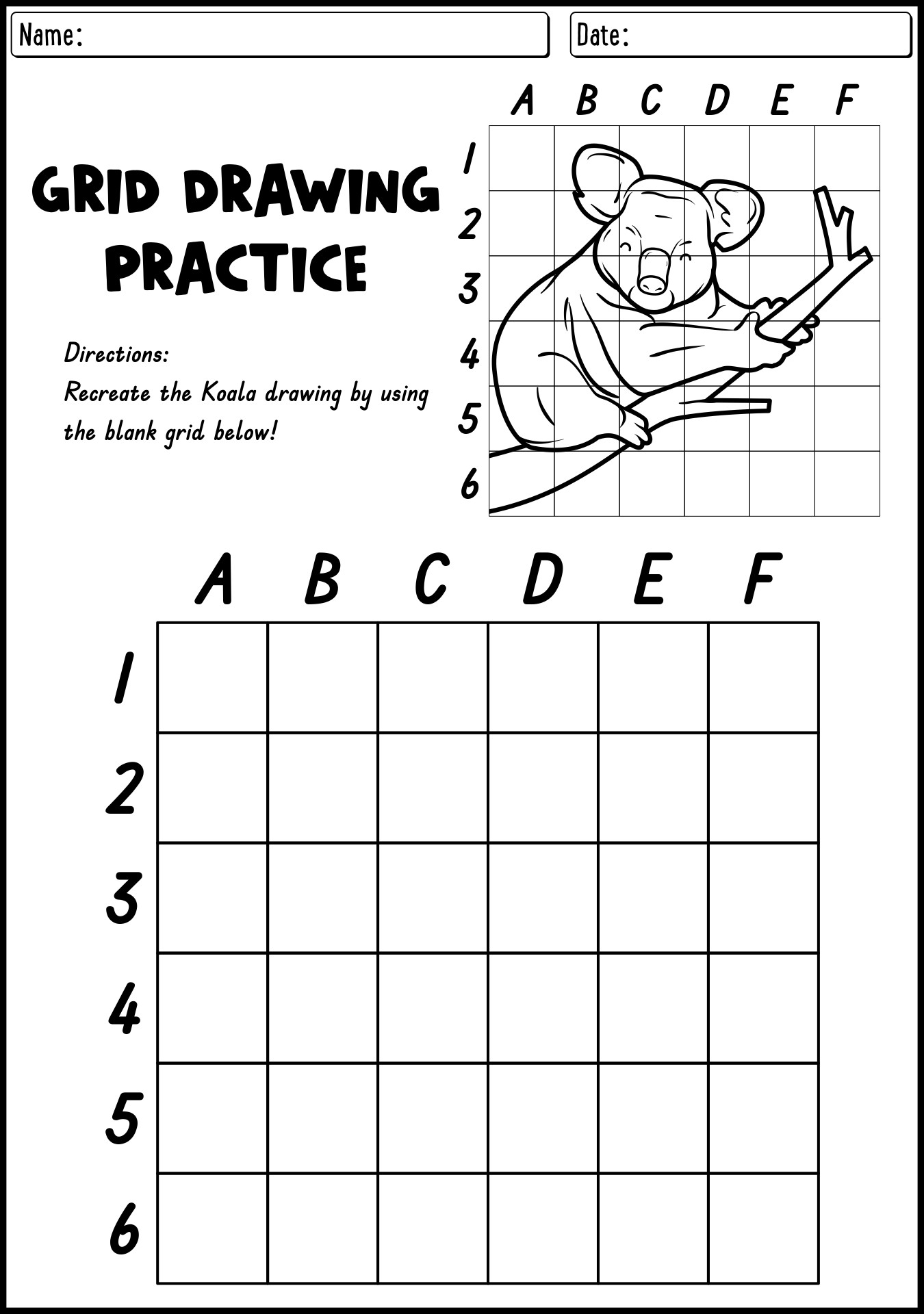
Grid drawing bird methodologies systematically break down complex avian forms into manageable geometric coordinates to accelerate early childhood spatial reasoning and proportional drawing accuracy. According to the National Association for the Education of Young Children (NAEYC), structured visual-spatial manipulation tasks significantly enhance cognitive mapping and fine-motor coordination in early elementary learners. By overlaying a coordinate matrix onto realistic bird imagery, children transition from abstract shape guessing to precise visual observation. This pedagogical approach transforms intimidating artistic challenges into structured puzzle-solving exercises, making advanced rendering accessible to young students, homeschoolers, and classroom art educators alike.
Visual Learning & Skill Snapshot:
- Core Focus: Systematic coordinate-based avian illustration using printable matrix worksheets.
- Target Skill: Spatial reasoning, visual discrimination, fine-motor proportion, and photo-based concept mastery.
- Key Recommendation: Pair structured grid templates with realistic animal photography to anchor abstract art techniques in observable nature.
Core Principles and Visual Learning Overview
Grid drawing bird exercises leverage modular visual chunking to reduce cognitive overload during complex art execution. When young learners analyze a subject through printable Grid Drawing templates, the brain shifts from perceiving a whole object to evaluating individual intersecting coordinates. This isolates lines, curves, and negative spaces into bite-sized segments. Integrating high-definition Photo Flashcards alongside worksheets further bridges the gap between photographic reference and hand-drawn interpretation, training the visual cortex to accurately translate three-dimensional natural forms onto two-dimensional paper surfaces without relying on generic cartoon symbols.
Key Specifications and Breakdown
| Age / Learning Stage | Visual Skill & Grid Ratio | Pedagogical Application & Scaffolding |
|---|---|---|
| Ages 4-5 (Early Kindergarten) | 2×2 or 3×3 simple matrix | Focuses on basic contour tracking, quadrant identification, and building foundational pencil control using high-contrast silhouettes. |
| Ages 6-7 (Late Kindergarten/1st Grade) | 4×4 balanced grid layout | Encourages proportional estimation, intersection mapping, and connecting individual line segments across boundary lines. |
| Ages 8-9 (2nd/3rd Grade) | 5×5 or greater detailed matrix | Targets advanced observational precision, tonal shading emulation, and complex anatomical feature replication from real photographic references. |
Systematic visual arts integration improves spatial awareness, mathematical coordinate comprehension, and fine-motor precision in early childhood development environments. — National Art Education Association (NAEA)
Step-by-Step Practical Application and Printing Guidelines
Executing an effective grid drawing lesson requires high-contrast, distortion-free printable materials paired with clear pencil management protocols. Educators should first select a clear photographic reference sheet featuring distinct avian anatomical features like wing feathers or curved beaks. Print matching grid overlays onto both the reference image and the blank drawing paper using heavy-weight cardstock to prevent tearing during repeated eraser use. Instruct students to focus strictly on one single grid box at a time, checking surrounding coordinates before committing pencil lines. Incorporating these structured Educational Activities during morning art centers reinforces systematic problem-solving habits that translate directly into geometric and mathematical readiness.
Common Challenges and How to Avoid Them
Children frequently struggle with grid scaling errors when they attempt to draw freehand across multiple quadrants without checking coordinate intersections. To counteract this tendency, educators must encourage students to use a blank index card or ruler to isolate the active working box, effectively blocking out visual distractions from the rest of the image. Another common hurdle involves pressing too hard with graphite pencils during initial contour mapping. Teaching children to execute feather-light sketch lines before final tracing and rendering prevents paper degradation and simplifies the correction of proportional misalignments.
💬 Frequently Asked Questions
Explore More Free Learning Printables and Visual Activities on WePhotoAgency
Discover an extensive library of professional educational resources designed to elevate spatial intelligence, artistic confidence, and cognitive development in young learners. Explore additional printable worksheets, reference materials, and creative visual guides by visiting WePhotoAgency.com to support structured early childhood education.
Visual Reference Gallery