Introduction
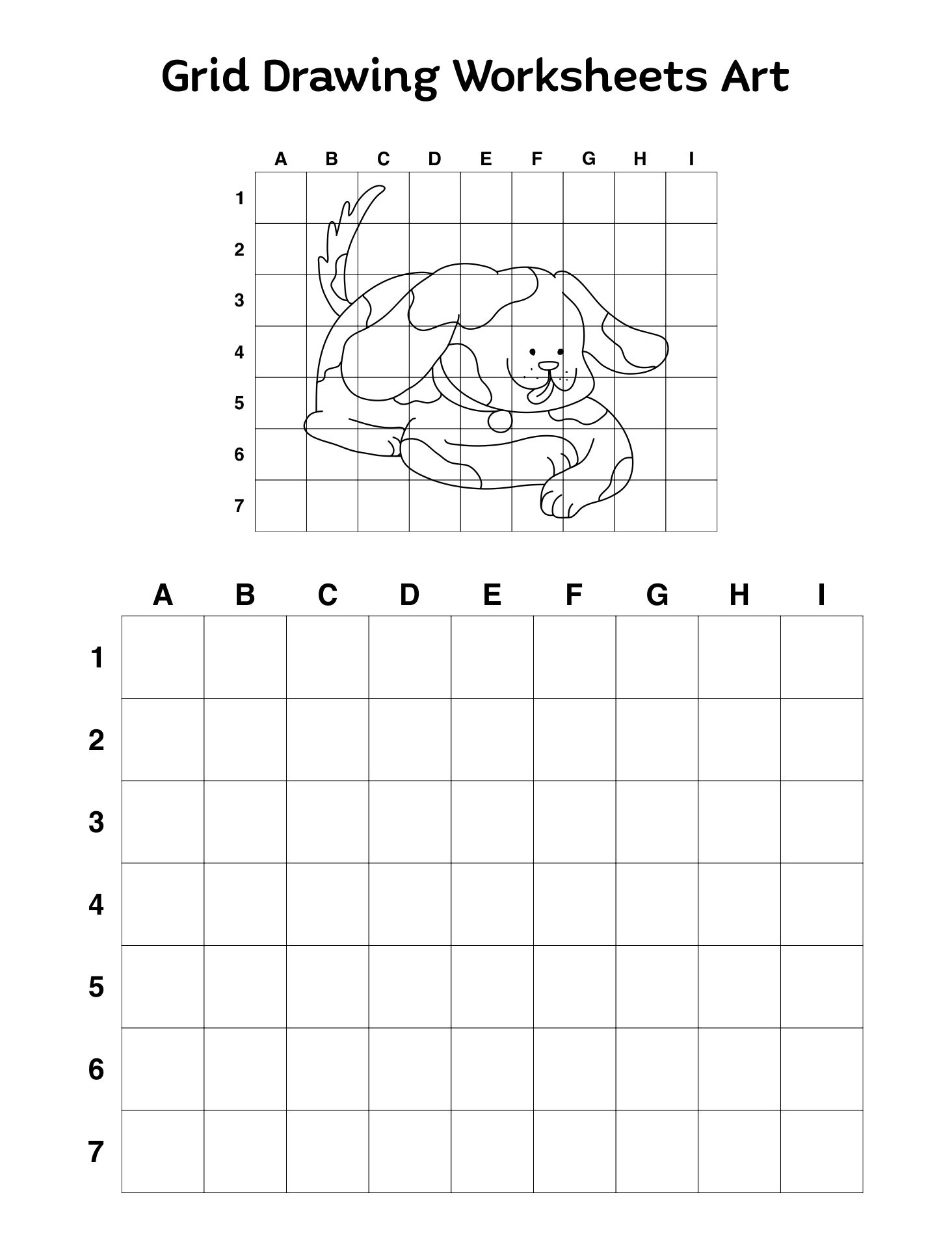
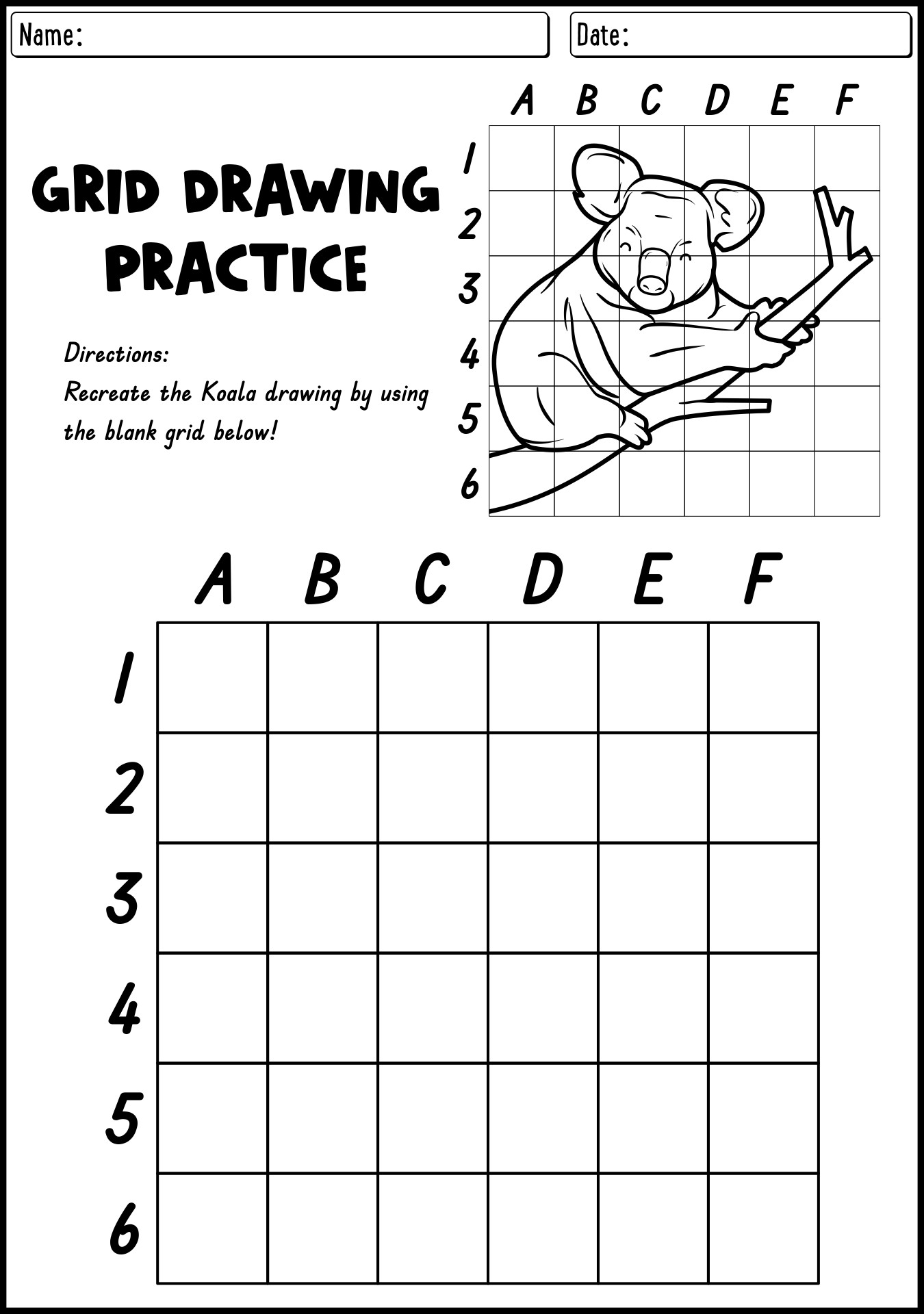
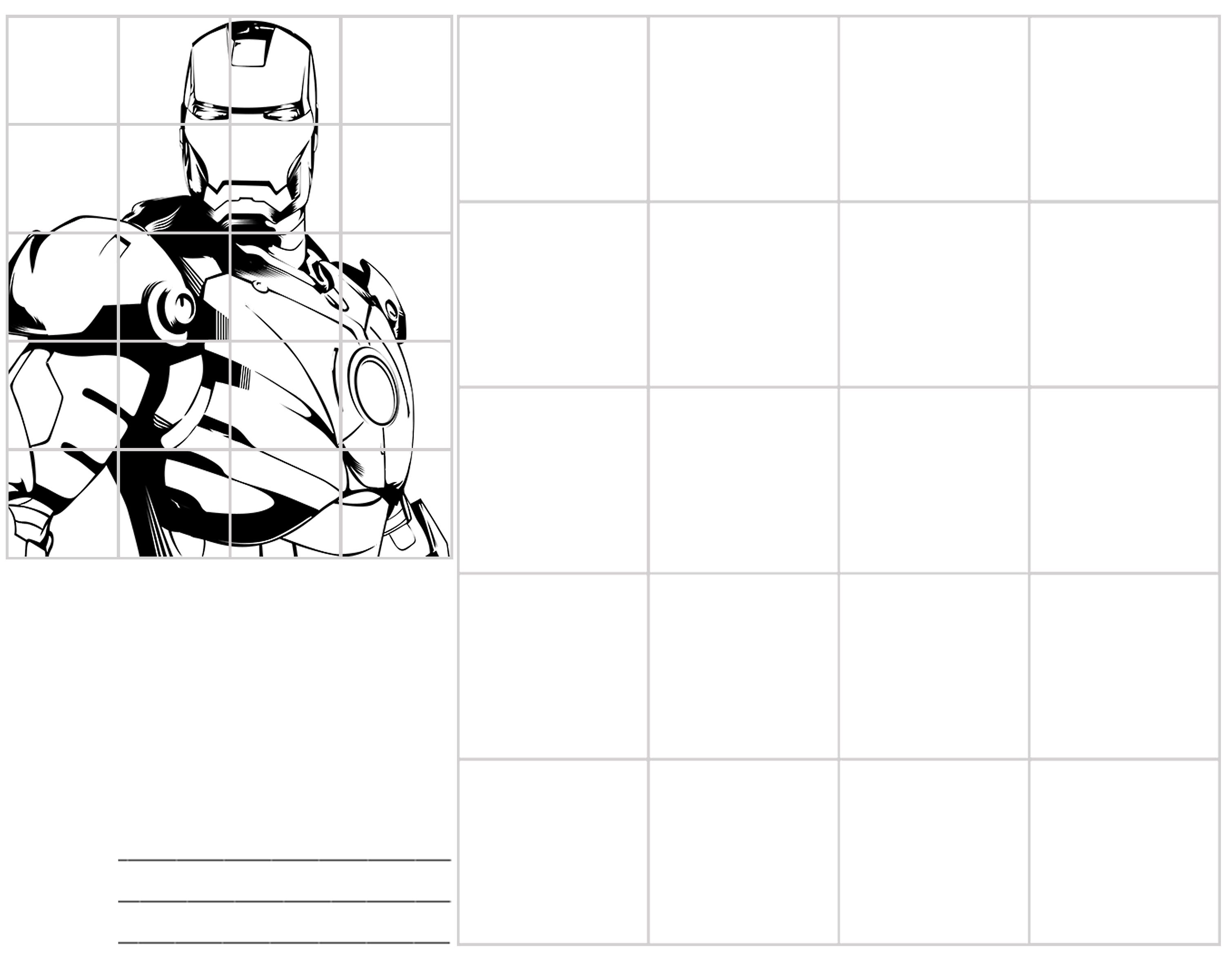
Drawing portraits using a grid is a foundational visual arts technique that breaks complex facial structures into manageable coordinate squares to teach spatial awareness and proportion estimation. According to the National Art Education Association (NAEA), structured observational drawing methods significantly accelerate visual-spatial literacy and cognitive mapping in developing learners. By overlaying a grid matrix onto reference images and matching blank grids line-by-line, children shift from drawing what they assume they see to observing genuine spatial relationships, angles, and negative spaces. This structured scaffolding serves as a bridge between abstract facial features and concrete fine-motor execution, making portraiture accessible to early elementary students. Explore structured templates within the dedicated Grid Drawing resource hub for immediate classroom printing.
Visual Learning & Skill Snapshot:
- Core Focus: Mapping photographic references coordinate-by-coordinate onto matching geometric grid worksheets.
- Target Skill: Spatial reasoning, visual discrimination, fine-motor proportion, and coordinate mapping mastery.
- Key Recommendation: Pair printable worksheets with high-contrast photographic visual references to maximize line-of-sight tracking.
Core Principles and Visual Learning Overview
Spatial reasoning development relies on translating three-dimensional facial depth into two-dimensional grid coordinates through deliberate visual chunking. When children isolate a single grid box on a reference photo and replicate its contents onto a corresponding blank square, cognitive overload drops dramatically. This method trains the brain to ignore preconceived symbols for eyes, noses, and mouths, replacing them with accurate geometric lines, curves, and intersections. Utilizing printable grid drawing worksheets alongside physical Photo Flashcards provides children with versatile visual stimuli that reinforce scale accuracy, bilateral coordination, and hand-eye synchronization.
Key Specifications and Breakdown
| Age / Learning Stage | Visual Skill & Grid Ratio | Pedagogical Application & Scaffolding |
|---|---|---|
| Ages 5-6 (Early Foundation) | 2×2 or 3×3 simple grid matrix | Focuses on basic contour tracking, quadrant identification, and large-scale line replication. |
| Ages 7-9 (Skill Expansion) | 4×4 moderate coordinate grid | Develops intermediate proportion estimation, facial feature alignment, and negative space awareness. |
| Ages 10+ (Advanced Practice) | 6×6 or higher detailed matrix | Refines intricate shading transitions, micro-detail accuracy, and advanced observational independence. |
Systematic grid division enhances cognitive schema formation by reducing complex visual stimuli into digestible motor-planning sequences — National Art Education Association (NAEA)
Step-by-Step Practical Application and Printing Guidelines
Executing a successful grid drawing session requires high-contrast printing, physical alignment tools, and systematic quadrant progression. Educators and parents should print identical grid lines onto both the target reference photo and the blank drawing sheet using a standard printer set to high-contrast monochrome. Instruct learners to start at the top-left coordinate (A1) and work methodically across each row rather than jumping randomly around the page. Pairing these structured drawing sheets with hands-on Educational Activities ensures multi-sensory reinforcement of spatial mapping concepts during early childhood development.
Common Challenges and How to Avoid Them
Young learners often struggle with grid disorientation, skipping coordinate rows, or rushing proportions within individual squares without checking intersecting lines. To resolve these hurdles, encourage children to use a finger or an opaque sliding mask to isolate one active grid square at a time, blocking out surrounding visual distractions. Teachers should also verify that reference matrices and drawing sheets share exact dimensional proportions to prevent visual distortion during the scaling process. Emphasizing slow, deliberate pencil strokes over rapid completion nurtures patience and observational precision.
💬 Frequently Asked Questions
Explore More Free Learning Printables and Visual Activities on WePhotoAgency
Unlocking foundational spatial skills and artistic confidence is effortless when utilizing structured, professionally designed learning assets. Educators, homeschoolers, and parents can discover an extensive library of printable worksheets, visual flashcards, and developmental activities by visiting WePhotoAgency.com today.
Visual Reference Gallery