Introduction
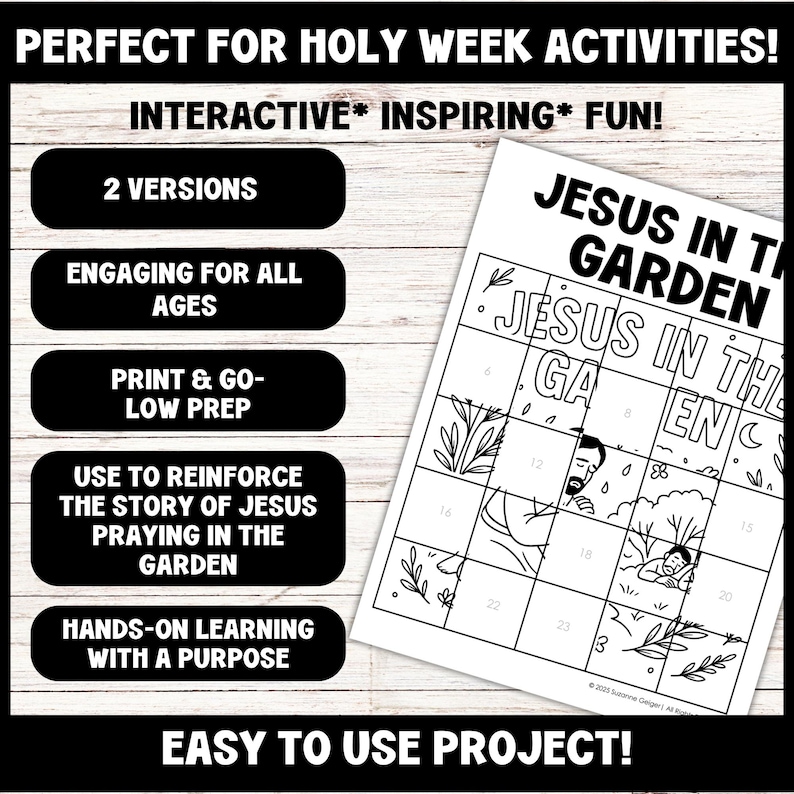
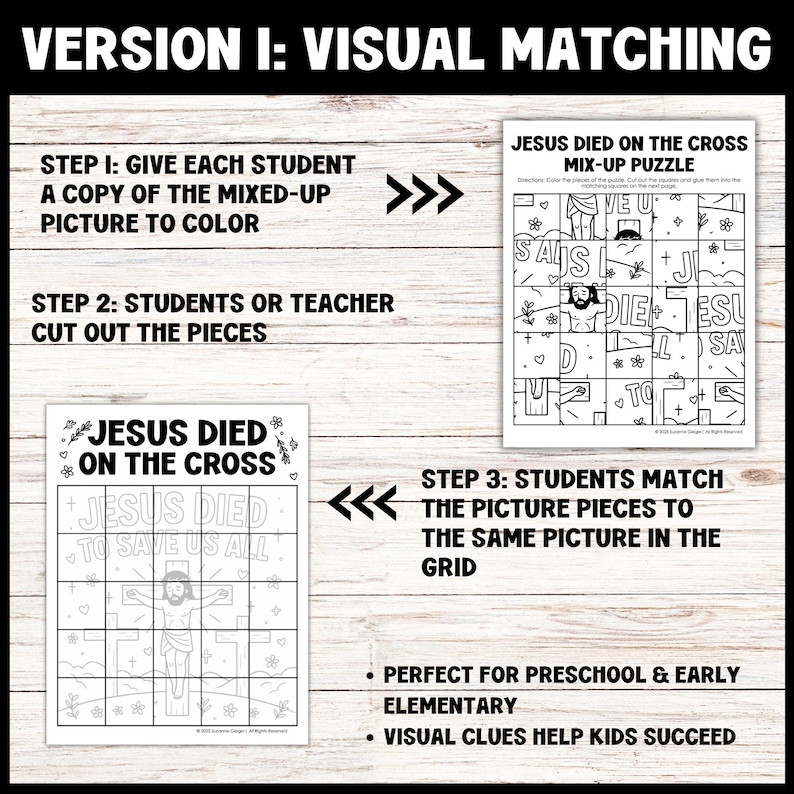
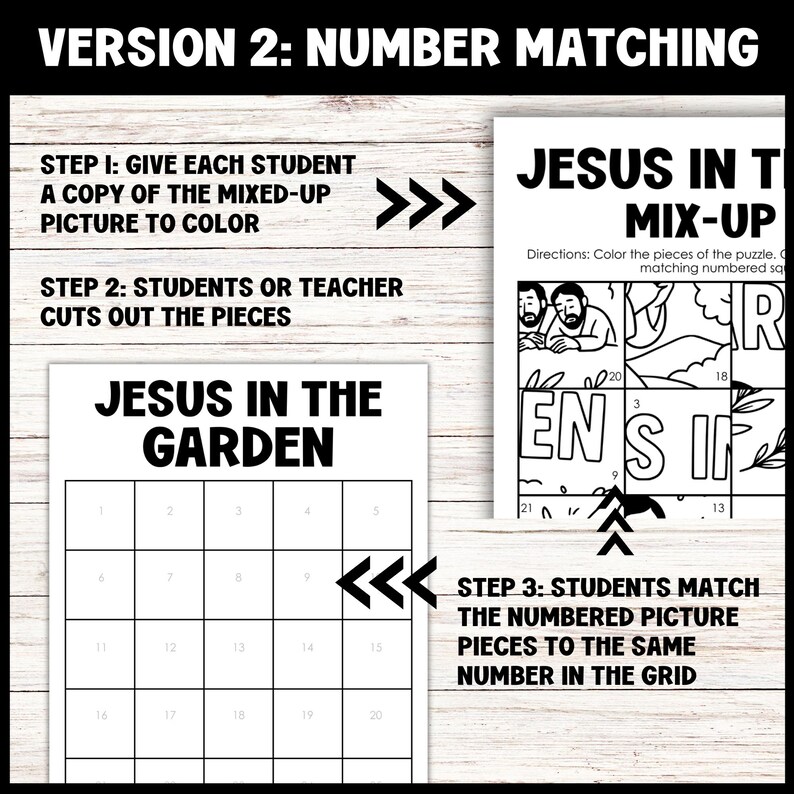
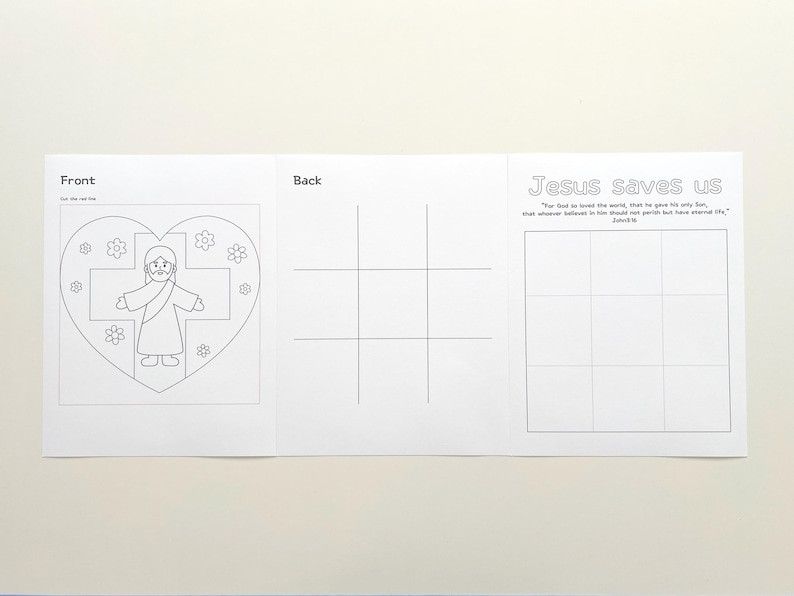
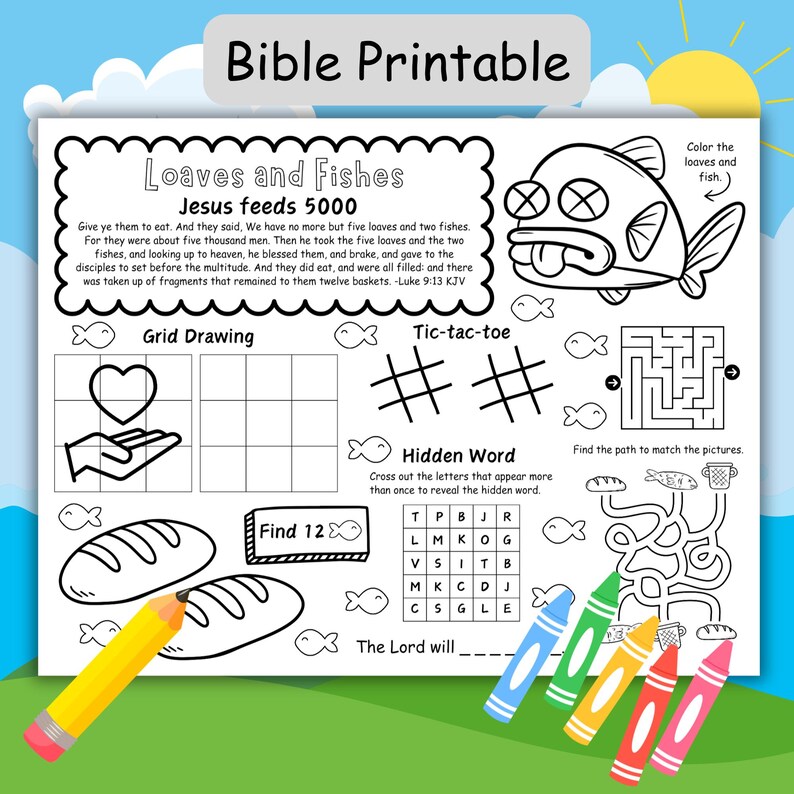
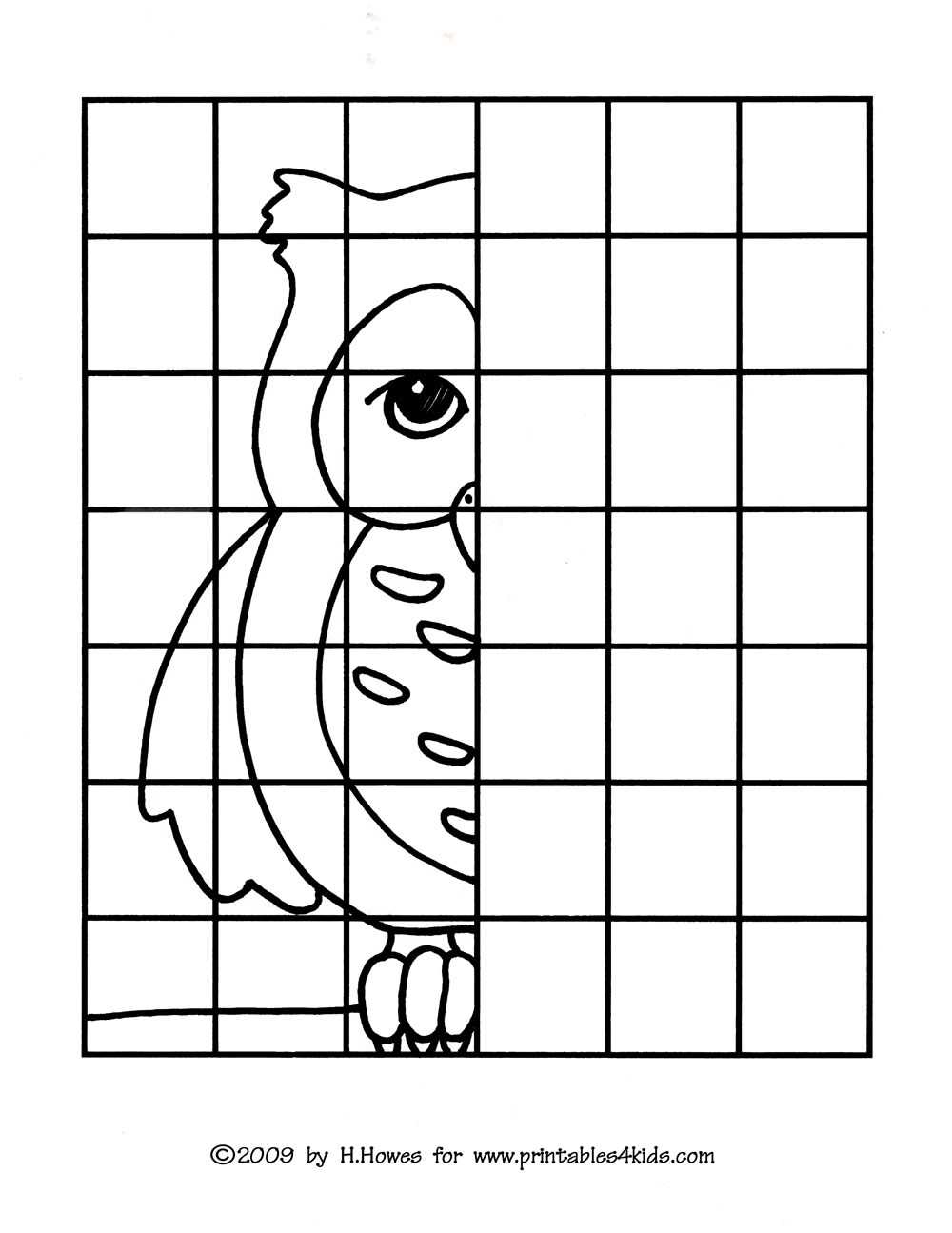
Jesus grid drawing refers to a specialized visual art technique utilizing printable coordinate frameworks to help young learners break down complex iconographic or real photographic subject matter into manageable, proportionate segments. According to the National Art Education Association (NAEA), structured observational drawing methodologies significantly enhance spatial intelligence, hand-eye coordination, and visual analysis in early childhood development. Integrating systematic Grid Drawing exercises with high-definition imagery transforms abstract rendering tasks into structured mathematical and artistic achievements. By overlaying a balanced matrix onto reference subjects, students systematically learn to isolate shapes, gauge angles, and accurately translate visual data onto blank paper.
Visual Learning & Skill Snapshot:
- Core Focus: Structured modular proportion mapping using photographic and thematic grid references.
- Target Skill: Spatial reasoning, visual discrimination, fine-motor proportion, and coordinate tracking.
- Key Recommendation: Pair simple 3×3 matrices with real photo flashcards before advancing to complex 4×4 coordinate grids.
Core Principles and Visual Learning Overview
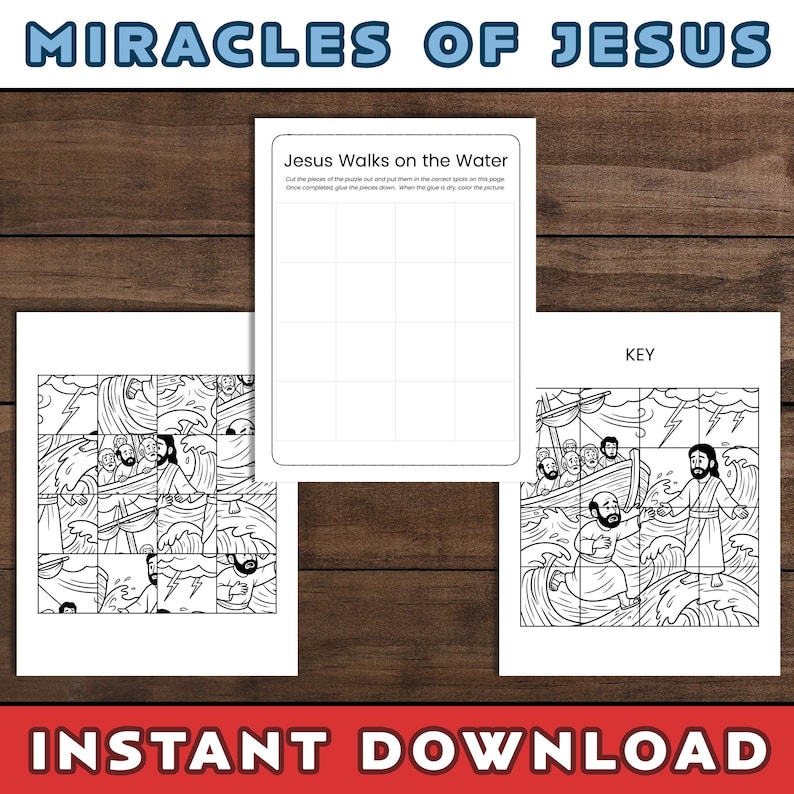
Proportion estimation relies heavily on breaking continuous forms down into smaller, bounded Cartesian coordinates that eliminate the cognitive overload of drawing an entire subject at once. Utilizing detailed Photo Flashcards alongside corresponding grid worksheets allows children to cross-reference lines, curves, and negative spaces box by box. This analytical practice shifts brain activity from symbolic guessing to actual contour observation. As children align visual coordinates from a master reference sheet onto a blank matching template, neurological pathways governing spatial perception and bilateral motor control are robustly reinforced.
Key Specifications and Breakdown
| Age / Learning Stage | Visual Skill & Grid Ratio | Pedagogical Application & Scaffolding |
|---|---|---|
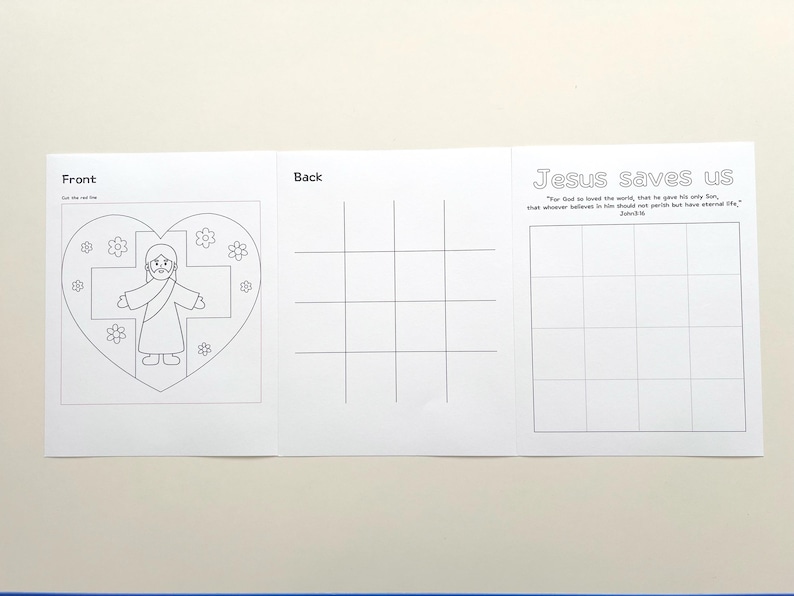
| Ages 4–6 (Early Foundation) | 3×3 Grid Matrix | Focuses on basic shape recognition and macro-proportions using simplified primary outlines. |
| Ages 7–9 (Intermediate) | 4×4 Coordinate Grid | Emphasizes fine-motor line control and spatial mapping of facial features and textures. |
| Ages 10+ (Advanced Early Elementary) | 6×6 High-Density Grid | Builds advanced shading, tonal gradation, and precise micro-proportion estimation skills. |
Structured visual activities that partition complex images into geometric grids improve children’s proportional accuracy and visual-spatial working memory. — National Art Education Association (NAEA)
Step-by-Step Practical Application and Printing Guidelines
Implementing these drawing activities successfully requires matching the grid density directly to the developmental stage of the child while ensuring printouts maintain high contrast and clear line weights. Educators should select clear reference sheets from the curated library of Educational Activities to ensure optimal visual clarity. Instructors begin by demonstrating how to scan a single grid square on the reference picture, locate the identical coordinate on the blank worksheet, and copy only the lines contained within that specific boundary. Encouraging children to use a finger or a masking card to isolate one square at a time prevents visual fatigue and minimizes observational errors.
Common Challenges and How to Avoid Them
Rushing through individual grid squares without checking surrounding proportions remains the most frequent hurdle young artists face when executing coordinate drawings. Educators can correct this tendency by prompting children to look at intersecting grid lines and anchor points before drawing curves. When learners become frustrated by mismatched proportions, scaffolding the exercise with fewer grid divisions or providing pre-drawn reference guidelines helps rebuild confidence. Maintaining patience and emphasizing steady observation over speed ensures long-term mastery of structural drawing techniques.
💬 Frequently Asked Questions
Explore More Free Learning Printables and Visual Activities on WePhotoAgency
Discover an extensive collection of classroom-tested resources, structured worksheets, and visual learning aids designed to foster cognitive development at WePhotoAgency.com. Educators, parents, and homeschool leaders can continuously expand their curriculum by downloading fresh printables tailored to every developmental stage.
Visual Reference Gallery