Introduction
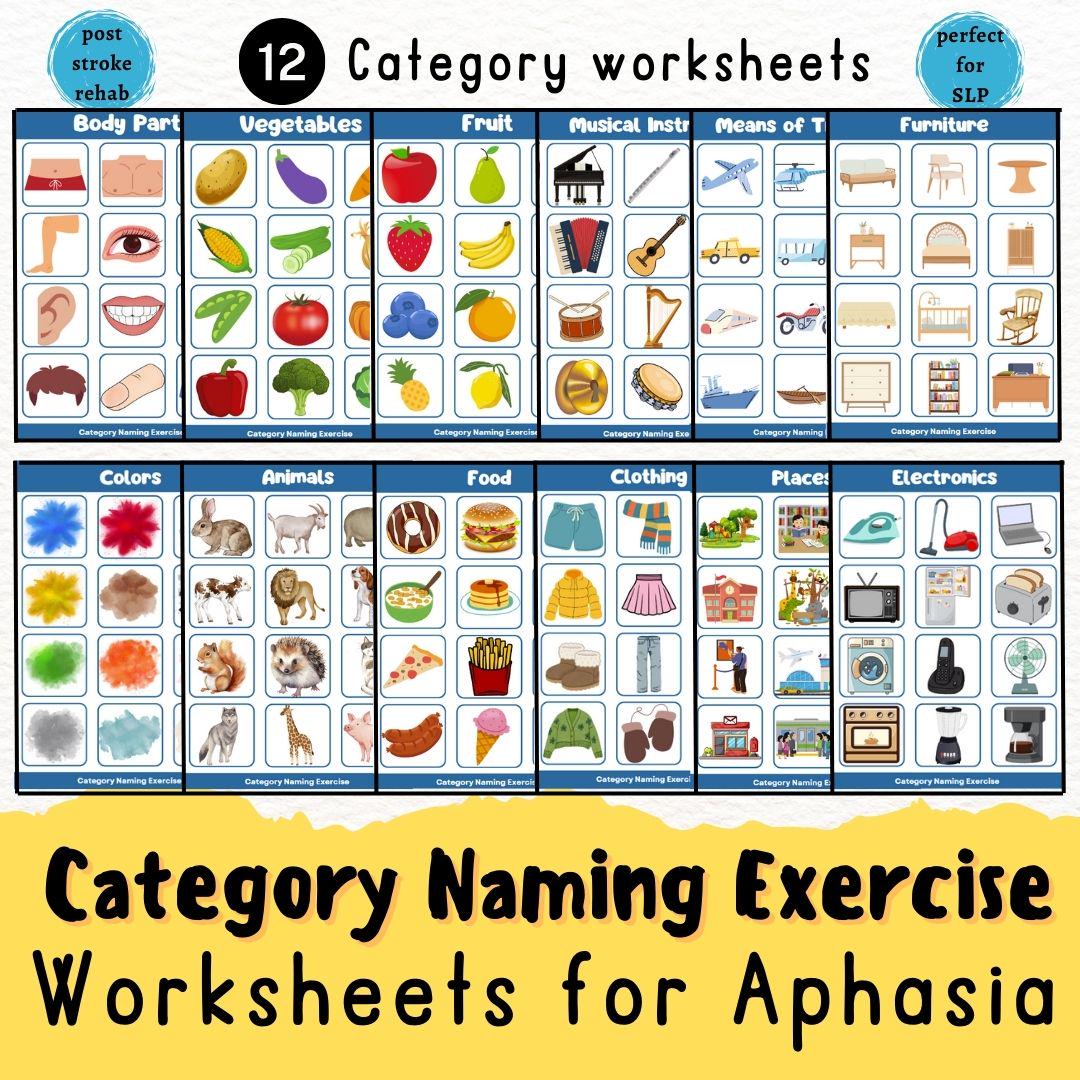
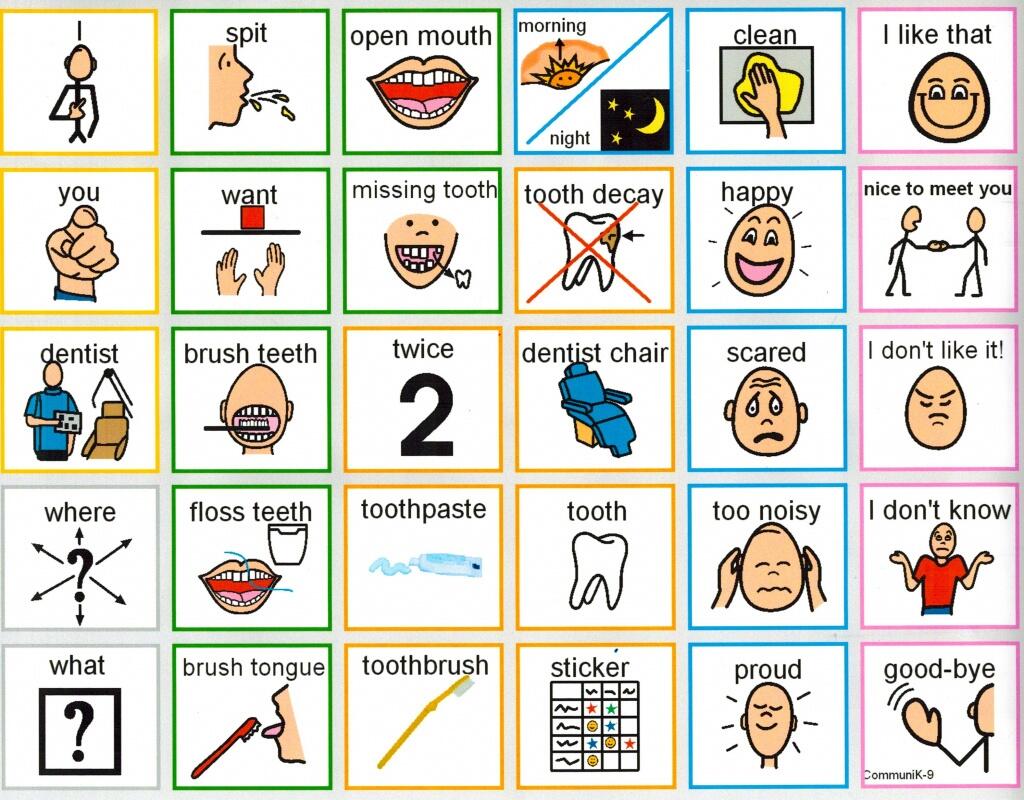
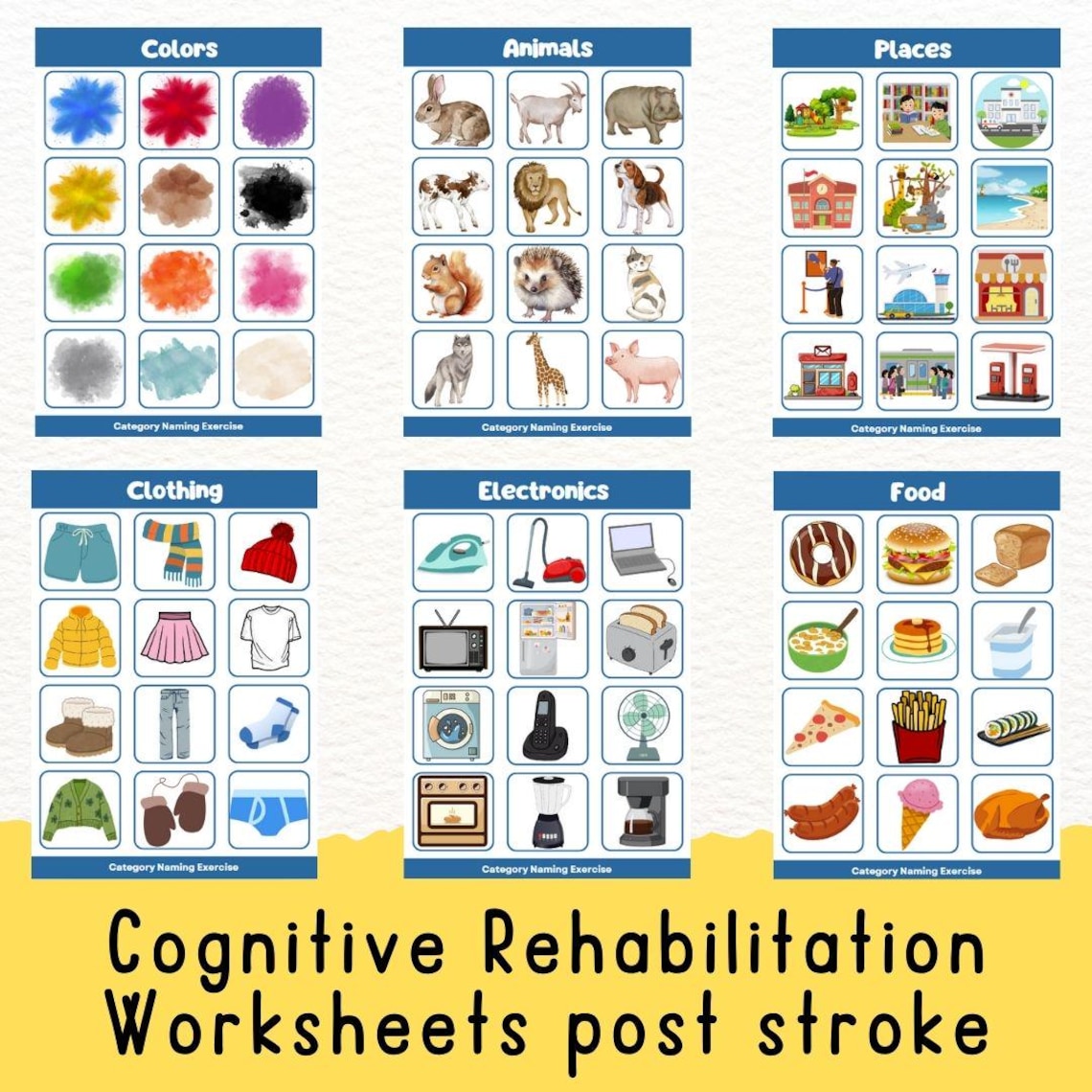
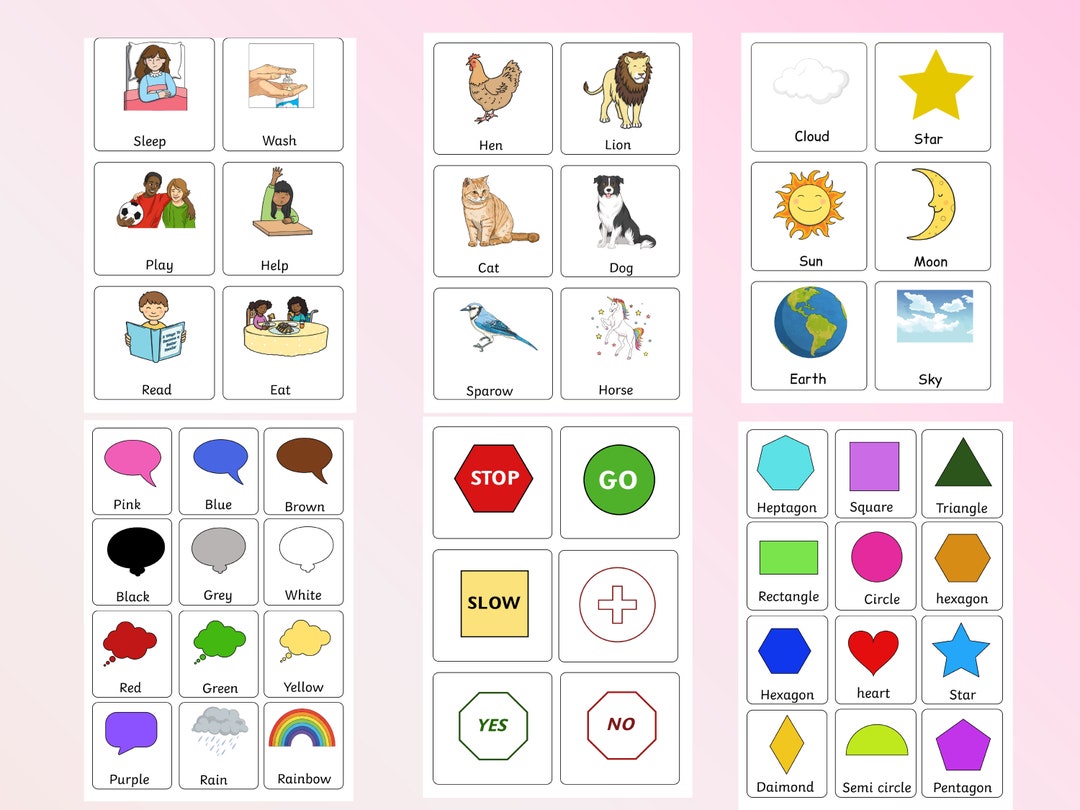
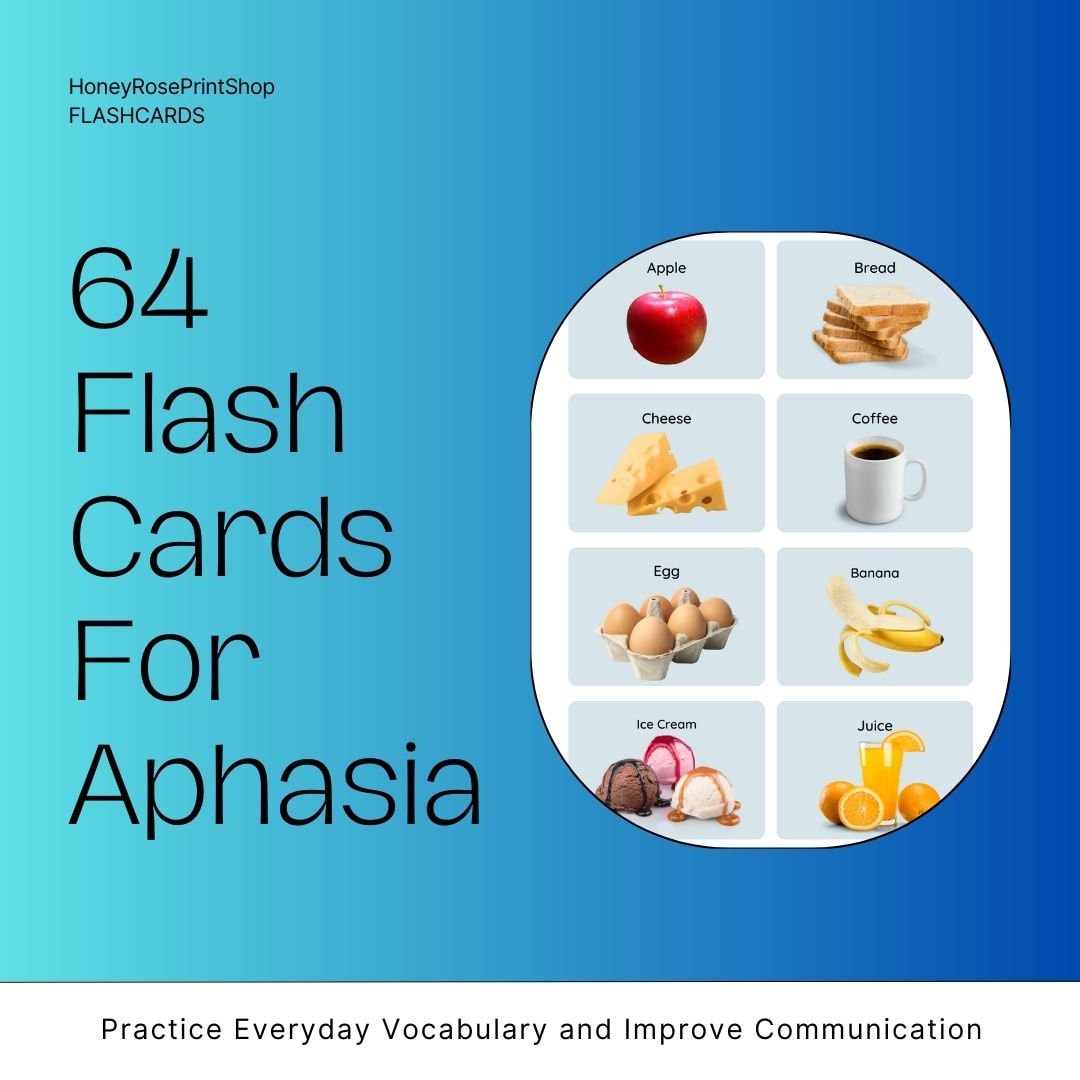
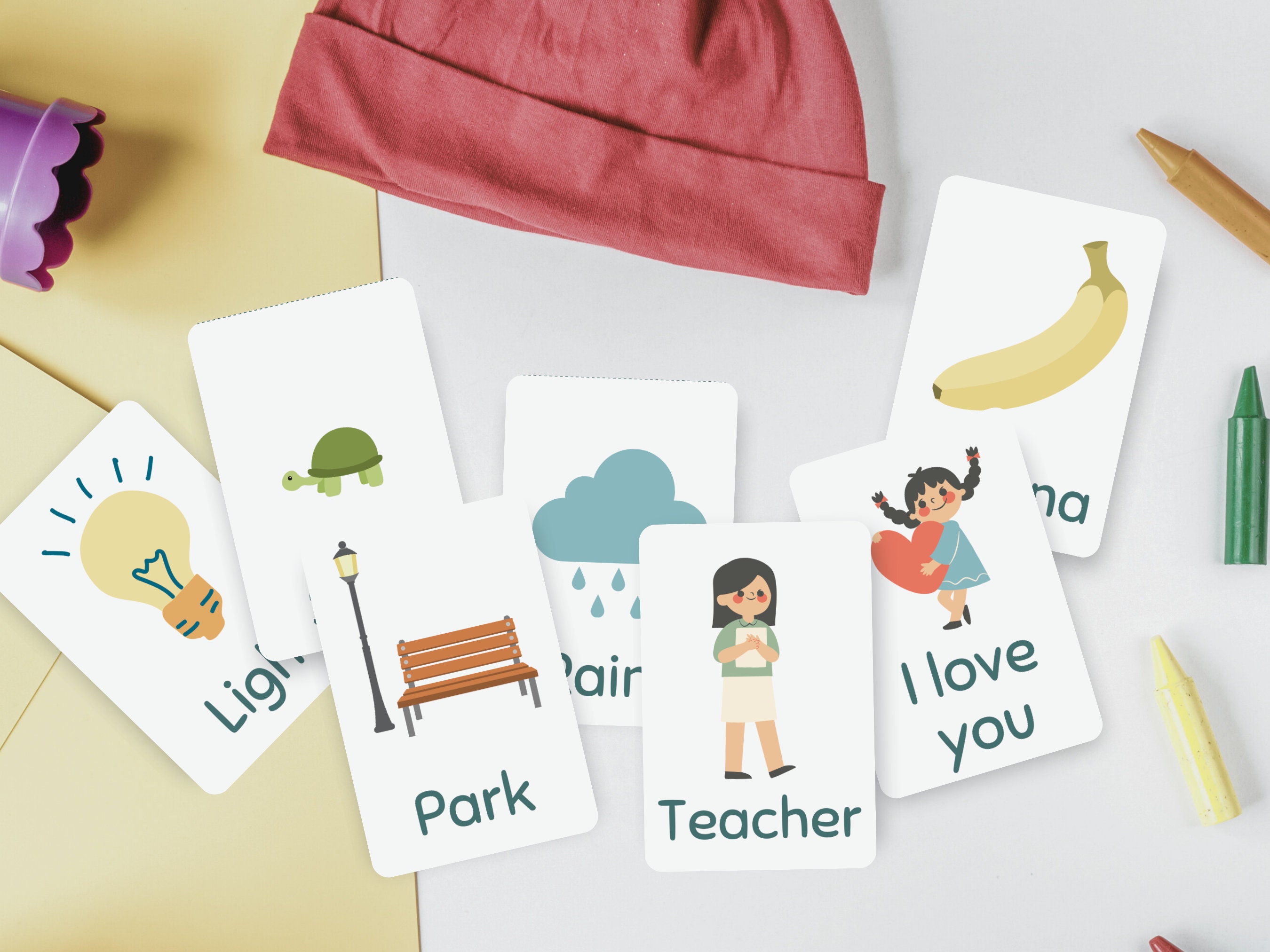
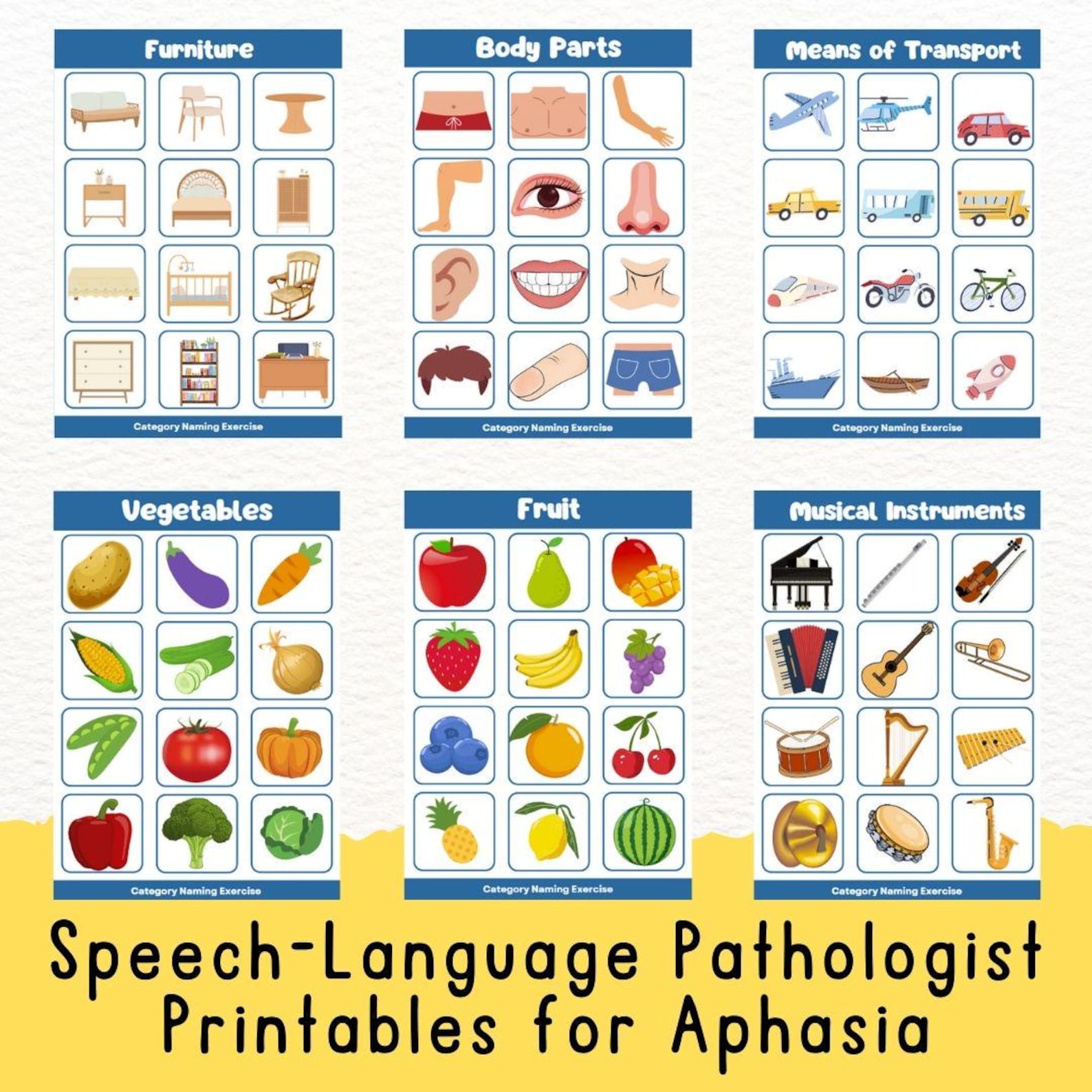
Picture flashcards for aphasia serve as vital cognitive and communicative scaffolding tools that bridge visual recognition deficits with semantic expression by pairing concrete photographic stimuli with targeted language retrieval exercises. According to the National Association for the Education of Young Children (NAEYC), multi-modal learning tools that integrate high-resolution imagery with structured visual processing significantly enhance executive functioning, cognitive retention, and language processing pathways in developing minds and rehabilitative learners alike. Utilizing real photo visual flashcards alongside structured printable grid drawing worksheets transforms abstract verbal retrieval into grounded spatial tasks, reinforcing neural connections through systematic visual observation, proportion estimation, and tactile engagement. Integrating these resources into everyday Educational Activities empowers educators and therapists to build robust, individualized learning environments that accommodate diverse communication profiles.
Visual Learning & Skill Snapshot:
- Core Focus: Picture flashcards for aphasia bridge visual-spatial perception with cognitive communication retrieval.
- Target Skill: Spatial reasoning, visual discrimination, fine-motor proportion, and semantic association.
- Key Recommendation: Pair photographic flashcards directly with scaled Grid Drawing templates to ground abstract language concepts in concrete visual practice.
Core Principles and Visual Learning Overview
Spatial awareness and proportion estimation form the foundational pillars of visual-cognitive recovery and early academic skill-building. Picture flashcards for aphasia operate by leveraging non-verbal cognitive processing lanes, allowing individuals experiencing language retrieval difficulties to bypass verbal blockades and access conceptual memories directly through detailed photography. When learners systematically analyze real Photo Flashcards and subsequently map those visual proportions onto structured coordinate grids, cognitive load is systematically distributed across both hemispheres of the brain. This deliberate dual-coding approach ensures that semantic mapping, fine-motor coordination, and visual discrimination advance synchronously without overwhelming the learner’s working memory capacity.
Key Specifications and Breakdown
| Age / Learning Stage | Visual Skill & Grid Ratio | Pedagogical Application & Scaffolding |
|---|---|---|
| Early Intervention / Beginner | 1:1 Direct Matching & 2×2 Grids | Use high-contrast real photographic cards to establish basic semantic pairing and simple shape duplication. |
| Mid-Elementary / Developing | 1:2 Proportional Scaling & 4×4 Grids | Incorporate complex object flashcards to train spatial estimation, proportion accuracy, and fine-motor control. |
| Advanced / Rehabilitative Practice | 2:1 Reduction & Complex Coordinate Grids | Combine multi-object visual scenes with detailed grid drawing tasks to maximize cognitive flexibility and expressive recall. |
Structured visual tools and photographic flashcards measurably improve cognitive recovery, spatial reasoning, and semantic retrieval speed when integrated into daily therapeutic routines. — National Art Education Association (NAEA). Related guide: Picture Flashcards For Kids Online.
Step-by-Step Practical Application and Printing Guidelines
Effective implementation requires high-fidelity physical materials printed on durable, matte cardstock to eliminate distracting surface glare during visual tracking exercises. Educators and facilitators must first select uncluttered photographic flashcards featuring isolated subjects against neutral backgrounds to prevent sensory overload. Next, align the visual subject with a corresponding grid drawing worksheet that matches the exact coordinate dimensions of the reference card. Instruct the learner to observe single grid quadrants independently, isolating lines and angles before attempting to replicate the overall shape. This methodical segmenting process transforms an intimidating drawing task into manageable, stress-free observational steps that reinforce both fine-motor precision and visual-spatial confidence.
Common Challenges and How to Avoid Them
Cognitive fatigue and spatial distortion represent the most frequent obstacles encountered during visual communication and drawing exercises. Learners often attempt to render entire objects at once rather than focusing on individual grid squares, leading to proportion errors and immediate frustration. Facilitators can easily prevent this by utilizing sliding paper masks to cover extraneous sections of the reference flashcard, ensuring the learner focuses exclusively on one isolated grid coordinate at a time. Furthermore, establishing short, consistent practice intervals prevents cognitive exhaustion and promotes long-term neural retention of semantic and spatial concepts.
💬 Frequently Asked Questions
Explore More Free Learning Printables and Visual Activities on WePhotoAgency
Access an extensive library of professional educational tools, therapeutic printables, and creative visual resources by exploring the complete collection at WePhotoAgency.com. Continually updated resources ensure that parents, educators, and developmental specialists always have immediate access to high-quality materials designed to foster lifelong cognitive growth.
Visual Reference Gallery