Introduction
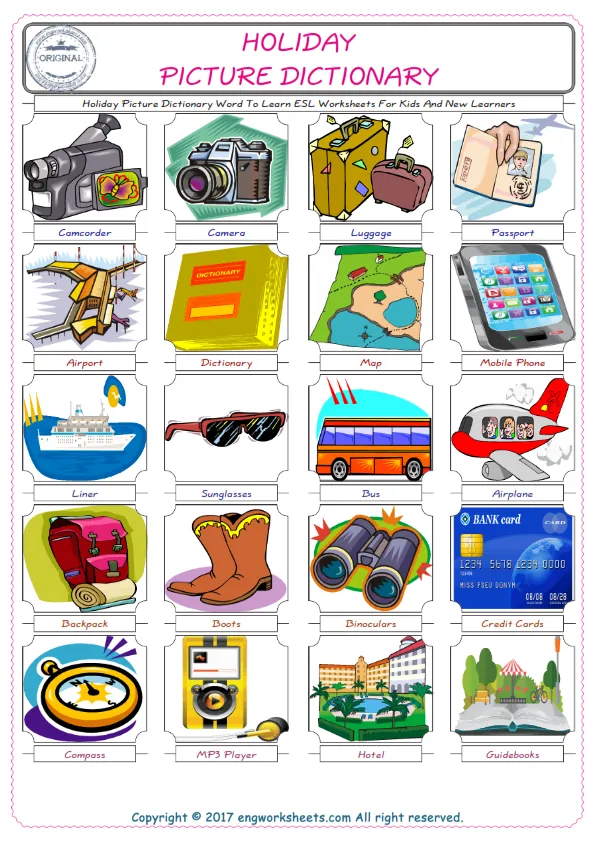
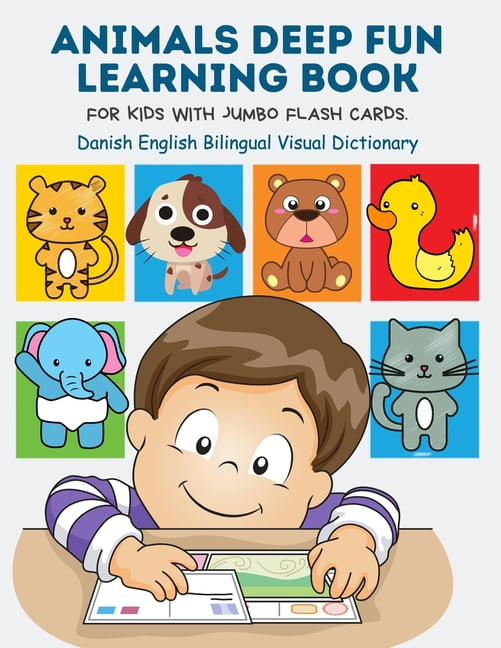
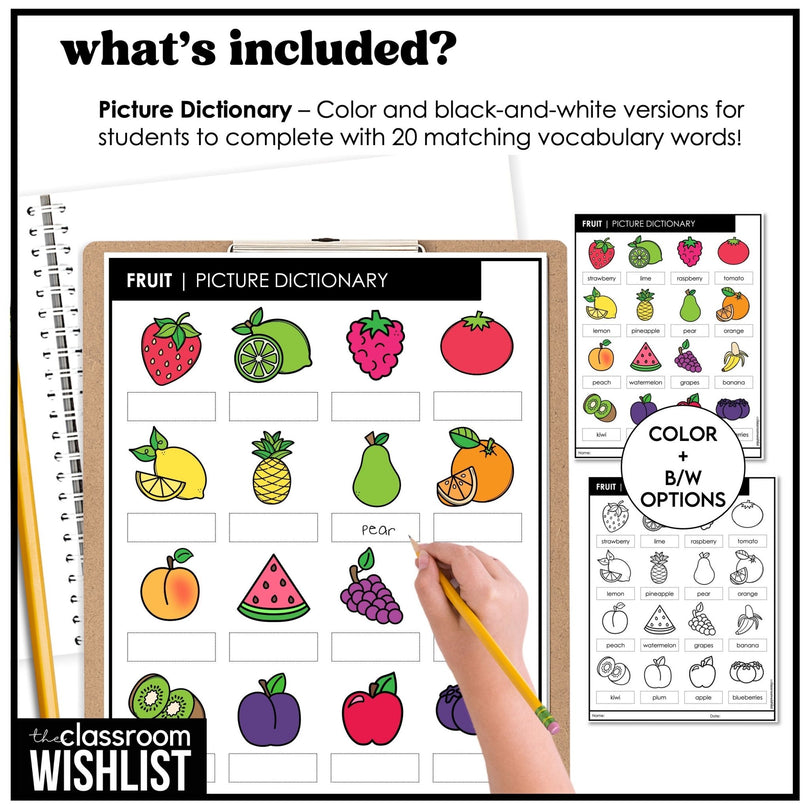
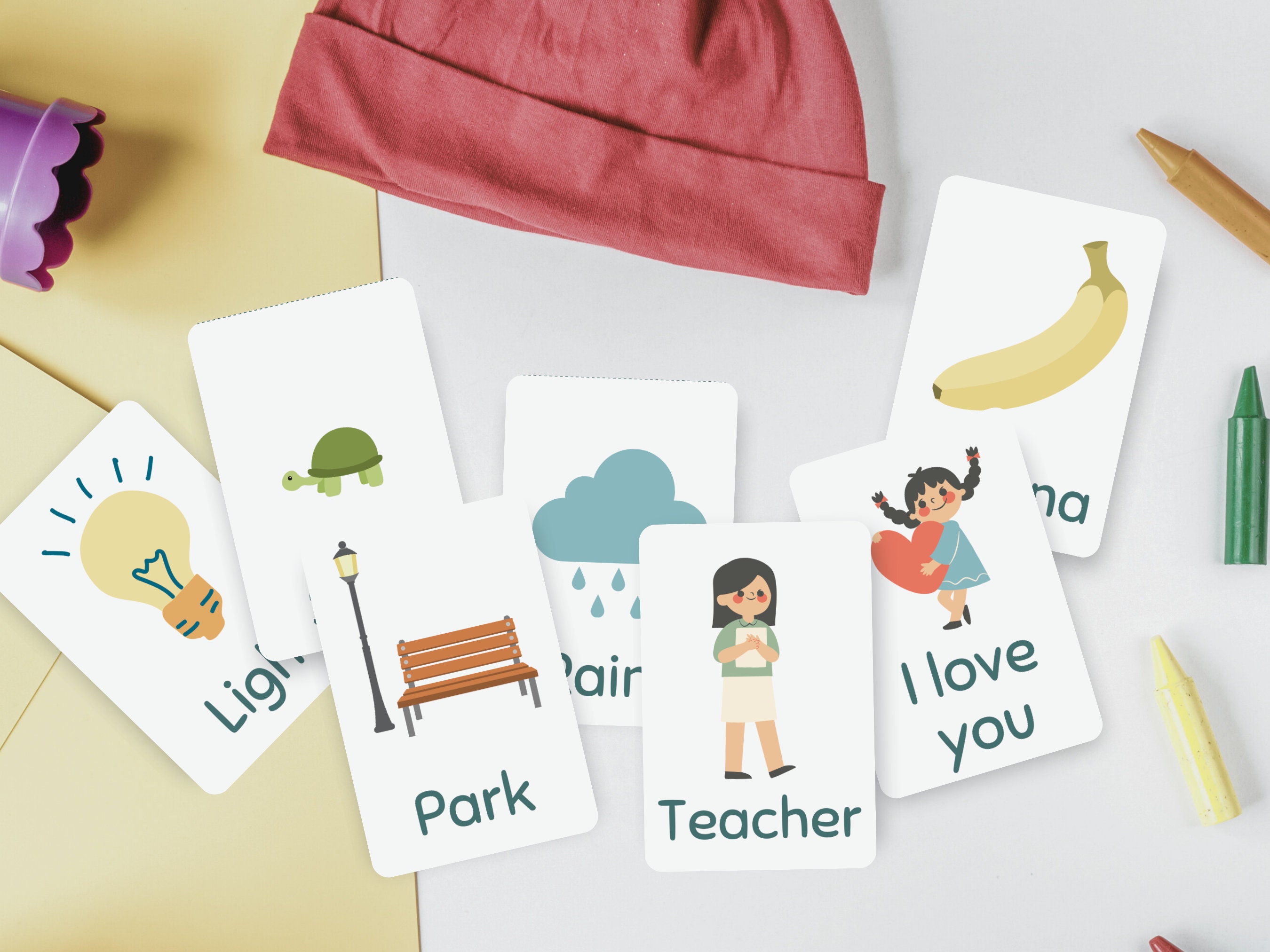
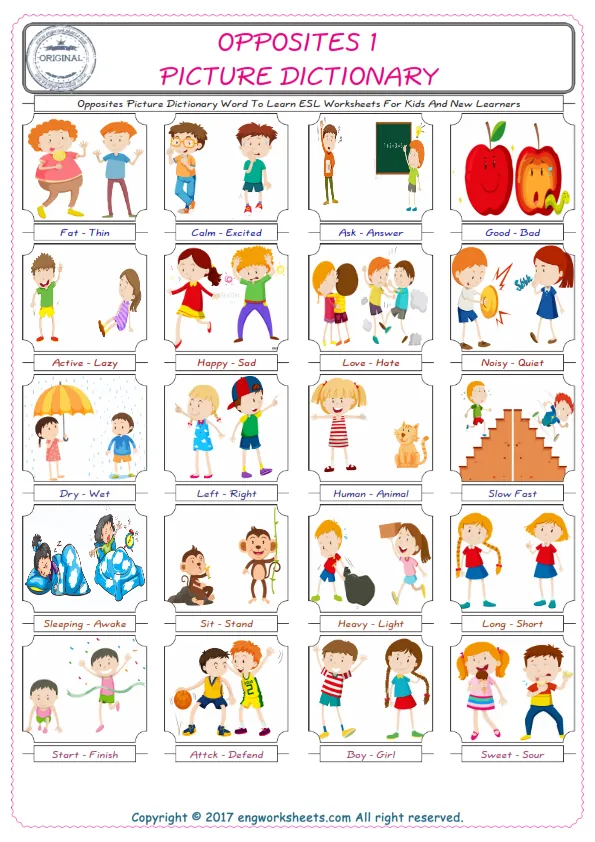
Picture dictionary flashcards combine real photographic documentation with lexical labeling to accelerate foundational literacy, visual literacy, and spatial cognition in early childhood education. According to the National Association for the Education of Young Children (NAEYC), multi-modal learning tools that pair photographic imagery with text systematically reinforce word recognition and mental categorization during formative development stages. Integrating these resources into daily curricula transforms abstract vocabulary acquisition into a concrete, observational exercise. Utilizing tangible Photo Flashcards alongside structured fine-motor tasks bridges the cognitive gap between symbolic representation and physical reality.
Visual Learning & Skill Snapshot:
- Core Focus: Bridging photographic literacy with lexical vocabulary acquisition and spatial mapping.
- Target Skill: Spatial reasoning, visual discrimination, fine-motor proportion, and direct observational drawing.
- Key Recommendation: Pair high-contrast photographic reference cards with scaled grid templates to ground abstract concepts in concrete visual metrics.
Core Principles and Visual Learning Overview
Real photo flashcards function as primary cognitive anchors that ground linguistic vocabulary in observable physical properties, essential for early childhood development. When children analyze high-resolution images, the brain engages in immediate visual decoding, identifying contours, shading, shadows, and proportion. Transitioning from these photographic prompts to printable Grid Drawing worksheets requires learners to break complex organic shapes down into manageable geometric coordinates. This analytical process strengthens hemispheric coordination, refining fine-motor precision while building a robust foundation for spatial awareness, mathematical graphing, and accurate proportion estimation.
Key Specifications and Breakdown
| Age / Learning Stage | Visual Skill & Grid Ratio | Pedagogical Application & Scaffolding |
|---|---|---|
| Ages 3–4 (Early Exploration) | 2×2 Grid / High-Contrast Objects | Focuses on basic contour recognition and vocabulary matching using simplified outlines. |
| Ages 5–6 (Intermediate Practice) | 3×3 Grid / Real Photo Prompts | Encourages proportionate block-by-block copying and detailed observational line work. |
| Ages 7–8+ (Advanced Application) | 4×4+ Grid / Complex Textures | Refines intricate spatial estimation, shading values, and independent label reading. |
Photographic reference materials significantly enhance cognitive retention by anchoring abstract linguistic symbols to concrete, verifiable visual memories — National Art Education Association (NAEA). Related guide: Free Printable Animal Flashcards.
Step-by-Step Practical Application and Printing Guidelines
Executing an effective visual learning session requires high-quality print production and structured step-by-step guidance. First, print picture dictionary flashcards and corresponding grid worksheets on heavyweight cardstock to prevent curling and ensure durability during repeated handling by young learners. Next, display the photographic reference card at eye level alongside the blank grid worksheet to encourage constant visual cross-referencing rather than reliance on memory alone. Instruct learners to isolate single grid squares on the reference photo, identifying where lines intersect the grid borders before recreating those precise intersections on the drawing sheet. Finally, expand these tactile lessons by exploring broader Educational Activities designed to reinforce pattern recognition and cross-curricular concept mastery.
Common Challenges and How to Avoid Them
Young learners frequently struggle with proportion distortion when they attempt to draw entire objects at once rather than focusing on isolated grid quadrants. Educators and parents can prevent this frustration by providing physical viewfinders or opaque cards that block out surrounding grid squares, allowing the child to concentrate on a single coordinate point at a time. Another common hurdle involves rushing through observation phases; combating this requires guided questioning that prompts children to identify spatial relationships, negative space, and line direction before placing a pencil to paper. Scaffolding these observation habits ensures that visual exercises build genuine analytical confidence rather than rote memorization.
💬 Frequently Asked Questions
Explore More Free Learning Printables and Visual Activities on WePhotoAgency
Empowering early childhood education requires accessible, high-quality resources that merge artistic expression with foundational cognitive development. Educators, parents, and homeschoolers can discover an extensive collection of printable learning tools, structured drawing guides, and visual assets by visiting WePhotoAgency.com to elevate daily instruction and inspire lifelong curiosity.
Visual Reference Gallery