Introduction
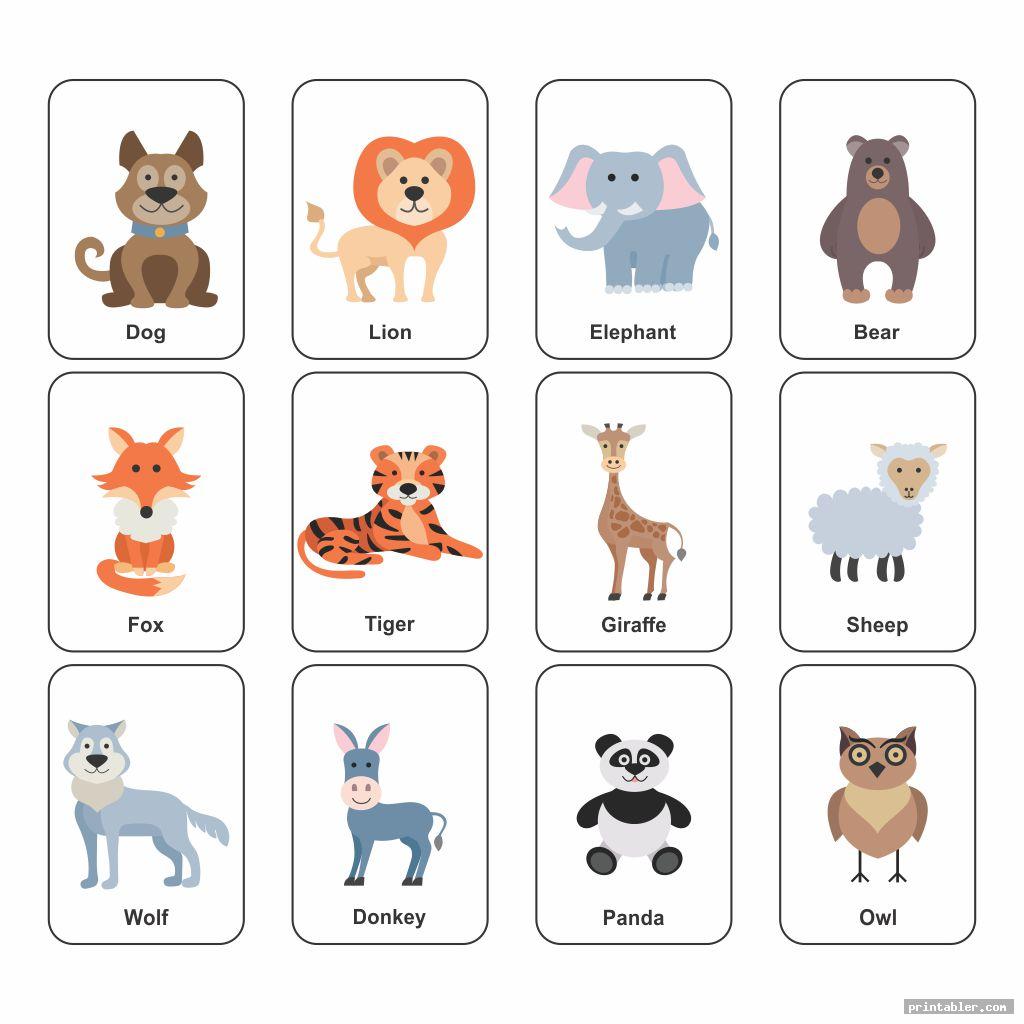
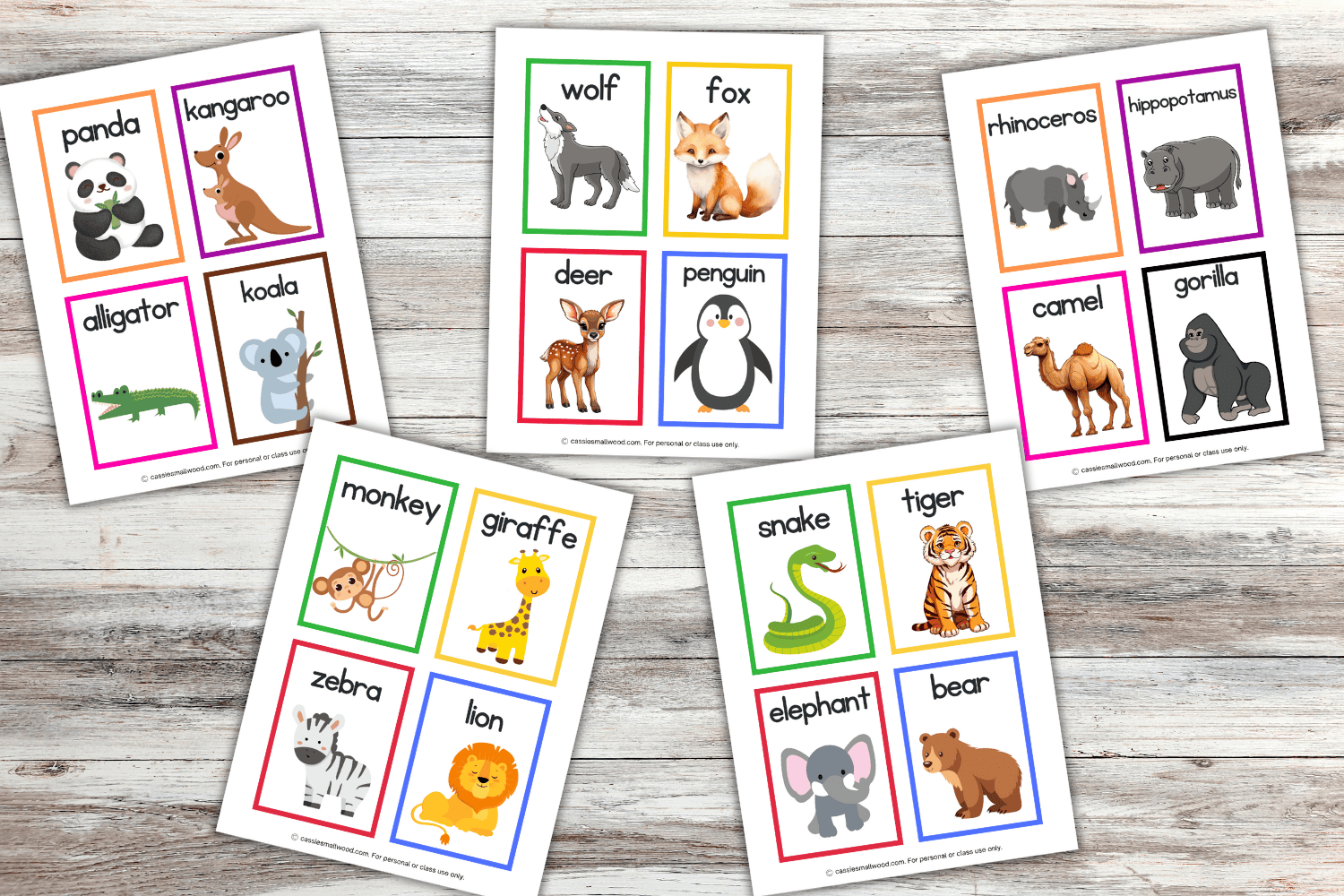
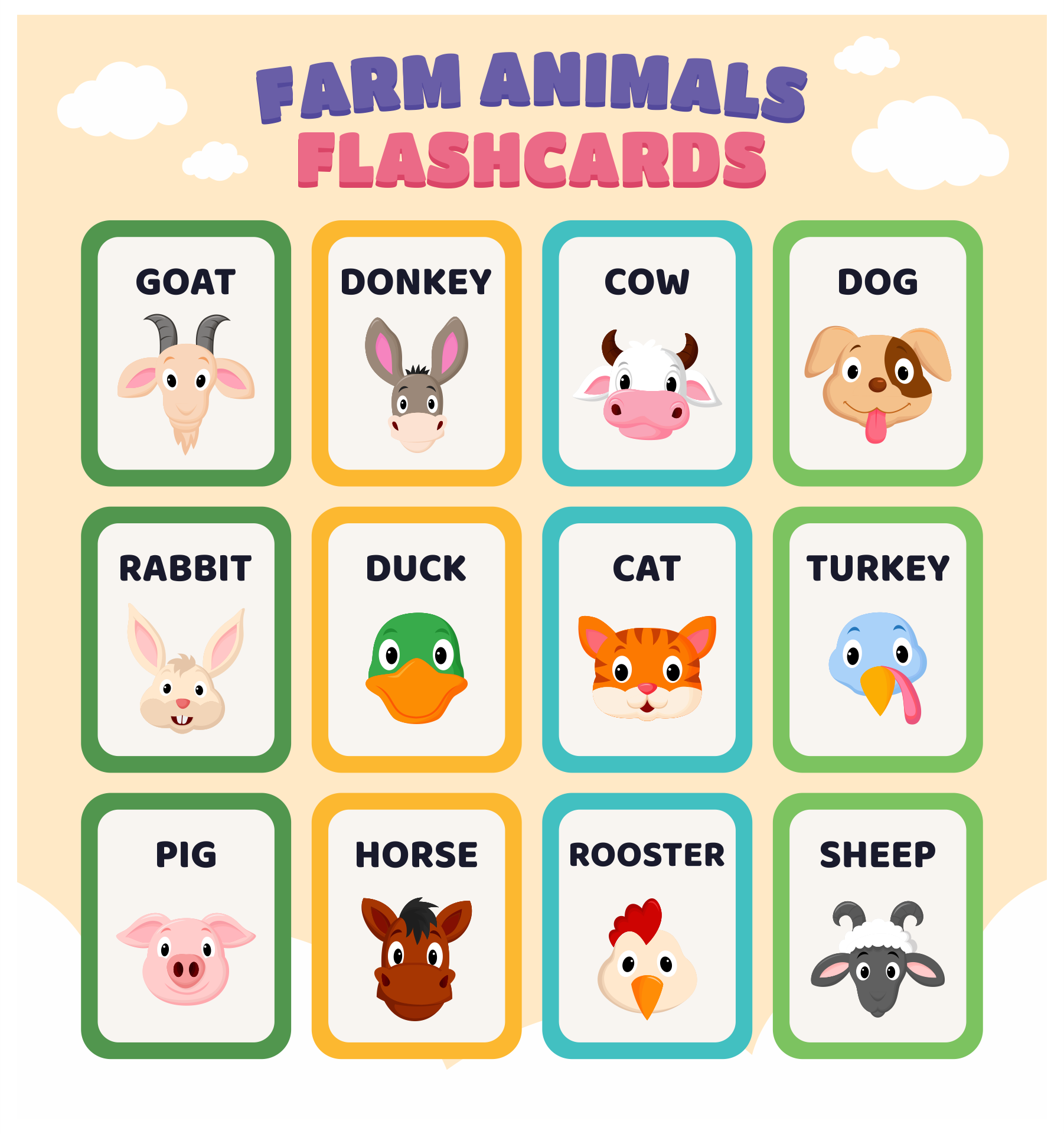
Free printable animal flashcards serve as foundational visual tools that accelerate early childhood cognitive development, spatial awareness, and fine-motor proportion estimation. According to the National Association for the Education of Young Children (NAEYC), purposeful manipulation of concrete visual materials significantly enhances symbolic representation and visual discrimination in early learners. High-resolution photographic representations bridge the gap between abstract concepts and real-world observation, making them indispensable resources for early elementary educators, art specialists, and homeschooling parents. By integrating real photography with structured grid drawing frameworks, children transcend simple memorization and begin analyzing complex biological forms through geometric decomposition.
Visual Learning & Skill Snapshot:
- Core Focus: Free printable animal flashcards designed for realistic photo study and precise spatial grid replication.
- Target Skill: Spatial reasoning, visual discrimination, proportion estimation, and hand-eye coordination.
- Key Recommendation: Pair high-contrast photo cards with matching coordinate grids to systematically build observational drawing competencies.
Core Principles and Visual Learning Overview
Spatial reasoning and proportion estimation are cultivated when children translate three-dimensional biological subjects into two-dimensional grid representations using Grid Drawing exercises. Free printable animal flashcards provide exact visual references that isolate specific anatomical features, allowing young artists to break down complex organic curves into manageable segments. Utilizing real photography instead of cartoon illustrations encourages authentic observation, training the developing brain to notice subtle texture, shadow, and scale relationships. Educators can utilize specialized collections like Photo Flashcards to establish daily visual routines that strengthen working memory and visual vocabulary simultaneously.
Key Specifications and Breakdown
| Age / Learning Stage | Visual Skill & Grid Ratio | Pedagogical Application & Scaffolding |
|---|---|---|
| Ages 3-4 (Early Explorer) | 1×1 or 2×2 Simple Quadrant | Focuses on whole-animal recognition, matching identical photographs, and basic tactile sorting without complex coordinate drawing. |
| Ages 5-7 (Developing Artist) | 3×3 Standard Coordinate Grid | Teaches line intersection tracking, basic proportion estimation, and transferring individual grid squares to drawing paper. |
| Ages 8-10 (Advanced Observer) | 4×4 or Complex Multi-Grid | Emphasizes detailed texture rendering, negative space analysis, and scale amplification using high-definition animal imagery. |
Early art instruction that emphasizes direct visual observation and structural grid breakdown significantly improves geometric problem-solving and mental rotation skills in young children. — National Art Education Association (NAEA)
Step-by-Step Practical Application and Printing Guidelines
High-quality execution requires selecting heavy cardstock (at least 110 lb / 199 gsm) to ensure durability during repeated handling and drawing sessions. Educators should print materials at 100% scale without page-scaling distortions to maintain accurate grid proportions. Place the chosen animal flashcard next to the blank grid worksheet on a stable slanted drawing board to reduce parallax errors and encourage correct posture. Pair these printing methods with broader Educational Activities to reinforce cross-curricular science and art standards.
Common Challenges and How to Avoid Them
Frustration often arises when young learners attempt to draw the entire animal at once rather than focusing on one grid coordinate at a time. To counteract this developmental hurdle, provide children with L-shaped masking cards to isolate individual squares on both the reference flashcard and the drawing sheet. Ensuring that lighting is directed evenly across the workspace prevents harsh shadows from obscuring fine photographic details, allowing students to accurately translate tonal values and proportions onto their paper.
💬 Frequently Asked Questions
Explore More Free Learning Printables and Visual Activities on WePhotoAgency
Empowering young learners with robust visual tools transforms observation into lifelong creative confidence. Educators and families can access an extensive library of high-resolution resources, structured drawing worksheets, and professional pedagogical guides by visiting WePhotoAgency.com to support comprehensive early childhood development.
Visual Reference Gallery