Introduction
Zenitsu grid drawing is a specialized visual arts technique that utilizes intersecting coordinate lines to teach children precise proportion estimation, spatial mapping, and fine-motor observational drawing through structured character templates. According to the National Art Education Association (NAEA), sequential grid-based art instruction significantly enhances a child’s ability to break complex visual forms into manageable geometric segments. Early childhood educators and homeschoolers implement these printables alongside standard Photo Flashcards to bridge the cognitive gap between abstract shapes and recognizable visual subjects.
Visual Learning & Skill Snapshot:
- Core Focus: Coordinate-based visual mapping utilizing character-themed grid references.
- Target Skill: Spatial reasoning, visual discrimination, and fine-motor proportion.
- Key Recommendation: Pair high-contrast printable grids with step-by-step observational scaffolding.
Core Principles and Visual Learning Overview
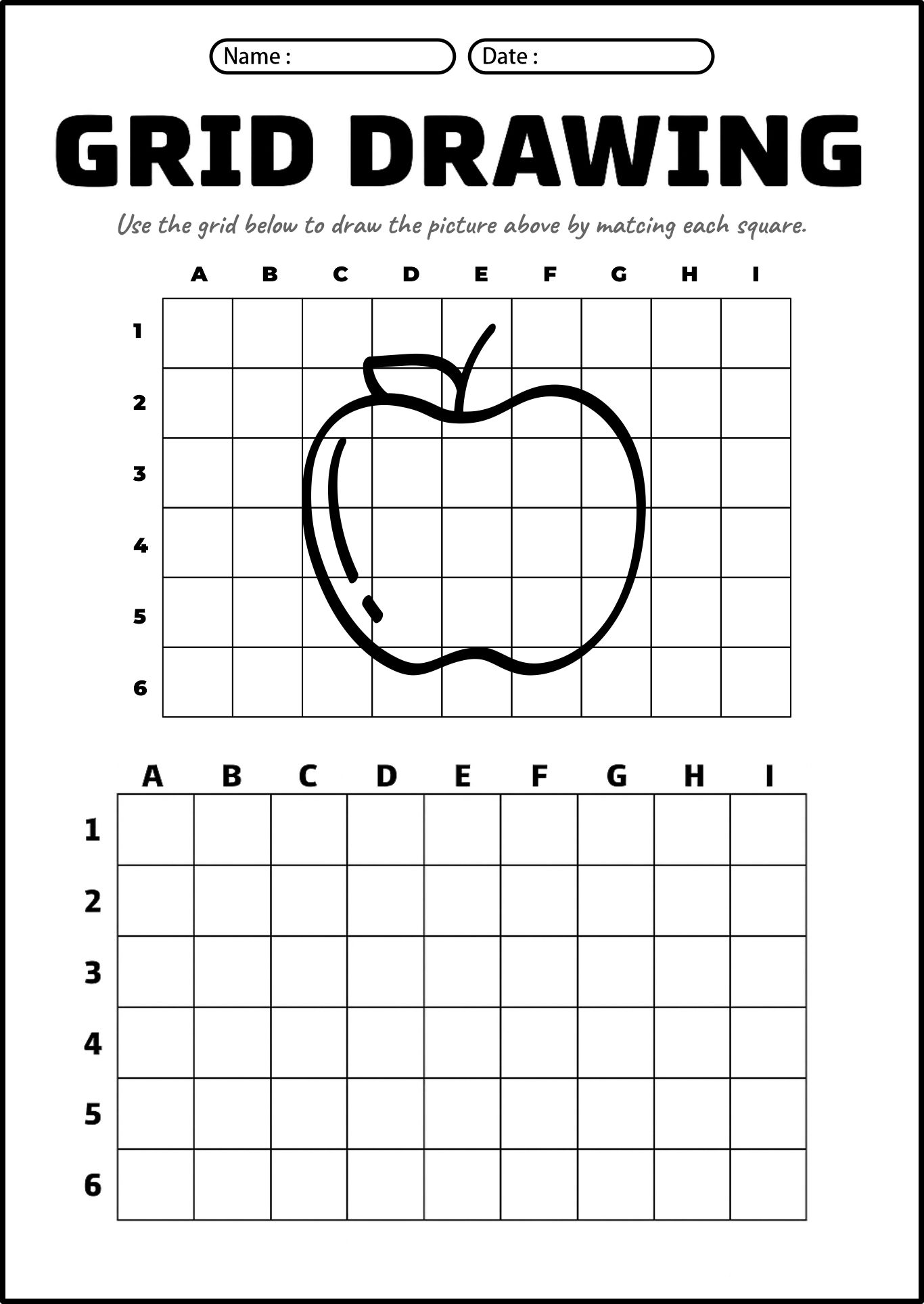
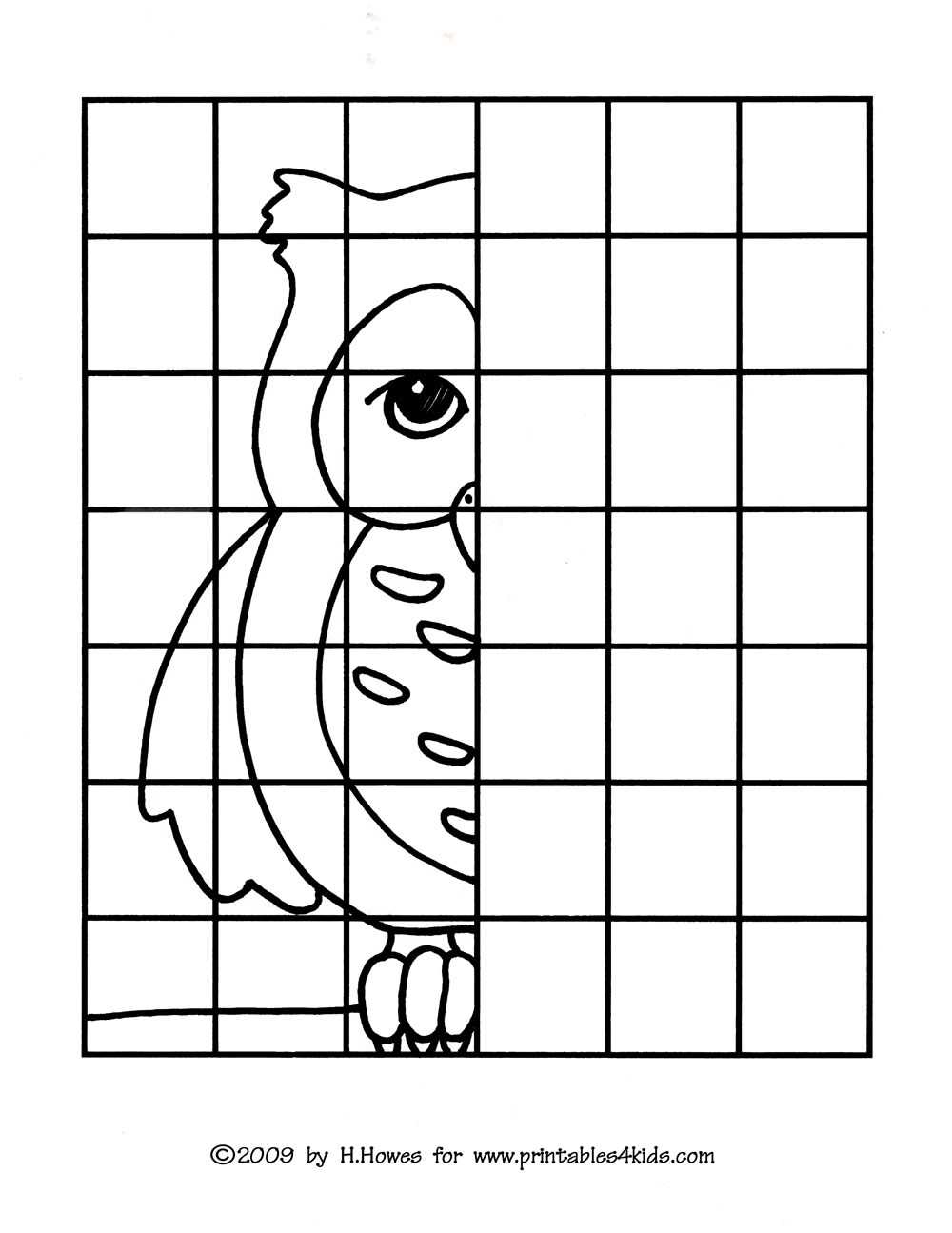
Zenitsu grid drawing operates on the pedagogical principle of segmenting complex imagery into smaller, digestible coordinate squares to reduce cognitive overload in early learners. When young artists focus exclusively on copying lines inside one single grid cell at a time, anxiety regarding overall proportion diminishes entirely. This methodical practice builds foundational hand-eye coordination and strengthens visual literacy by teaching children to analyze negative space, line weight, and intersections. Integrating structured Grid Drawing exercises into daily lesson plans supports cognitive development by transforming passive observation into active, analytical sketching.
Key Specifications and Breakdown
| Age / Learning Stage | Visual Skill & Grid Ratio | Pedagogical Application & Scaffolding |
|---|---|---|
| Ages 4-6 (Early Foundation) | 2×2 or 3×3 simple coordinate grid | Focuses on basic shape tracking and pencil grip control using high-contrast photo references. |
| Ages 7-9 (Skill Expansion) | 4×4 moderate coordinate grid | Develops proportion estimation, angle measurement, and line continuity across grid boundaries. |
| Ages 10+ (Advanced Practice) | 6×6 or higher detailed grid | Refines intricate detail mapping, shading transitions, and independent spatial verification. |
Visual-spatial training through structured coordinate drawing directly accelerates geometric reasoning and fine-motor precision in school-age children. — National Art Education Association (NAEA)
Step-by-Step Practical Application and Printing Guidelines
Executing zenitsu grid drawing effectively requires high-resolution printing, clear coordinate labeling, and proper physical workspace setup for developing learners. Educators should print worksheets on heavy-weight cardstock to withstand repeated erasing and pencil pressure without tearing. Instruct students to number horizontal rows and letter vertical columns, modeling how to locate specific coordinates before transferring lines. Supplementing these drawing tasks with curated Educational Activities ensures that children connect fine-motor art exercises with broader interdisciplinary learning goals.
Common Challenges and How to Avoid Them
Children frequently struggle with grid drawing when attempting to copy the entire image at once instead of focusing strictly on isolated coordinate cells. To prevent frustration, instructors should provide masking cards that allow learners to cover all surrounding squares except the active target cell. Encouraging soft, light pencil strokes during initial coordinate mapping ensures that stray lines can be easily corrected without damaging the paper surface or disrupting overall composition.
💬 Frequently Asked Questions
Explore More Free Learning Printables and Visual Activities on WePhotoAgency
Enhance visual arts curricula and early childhood development programs by accessing the complete collection of free printables, structured worksheets, and creative resources available directly through WePhotoAgency.com.
Visual Reference Gallery