Introduction
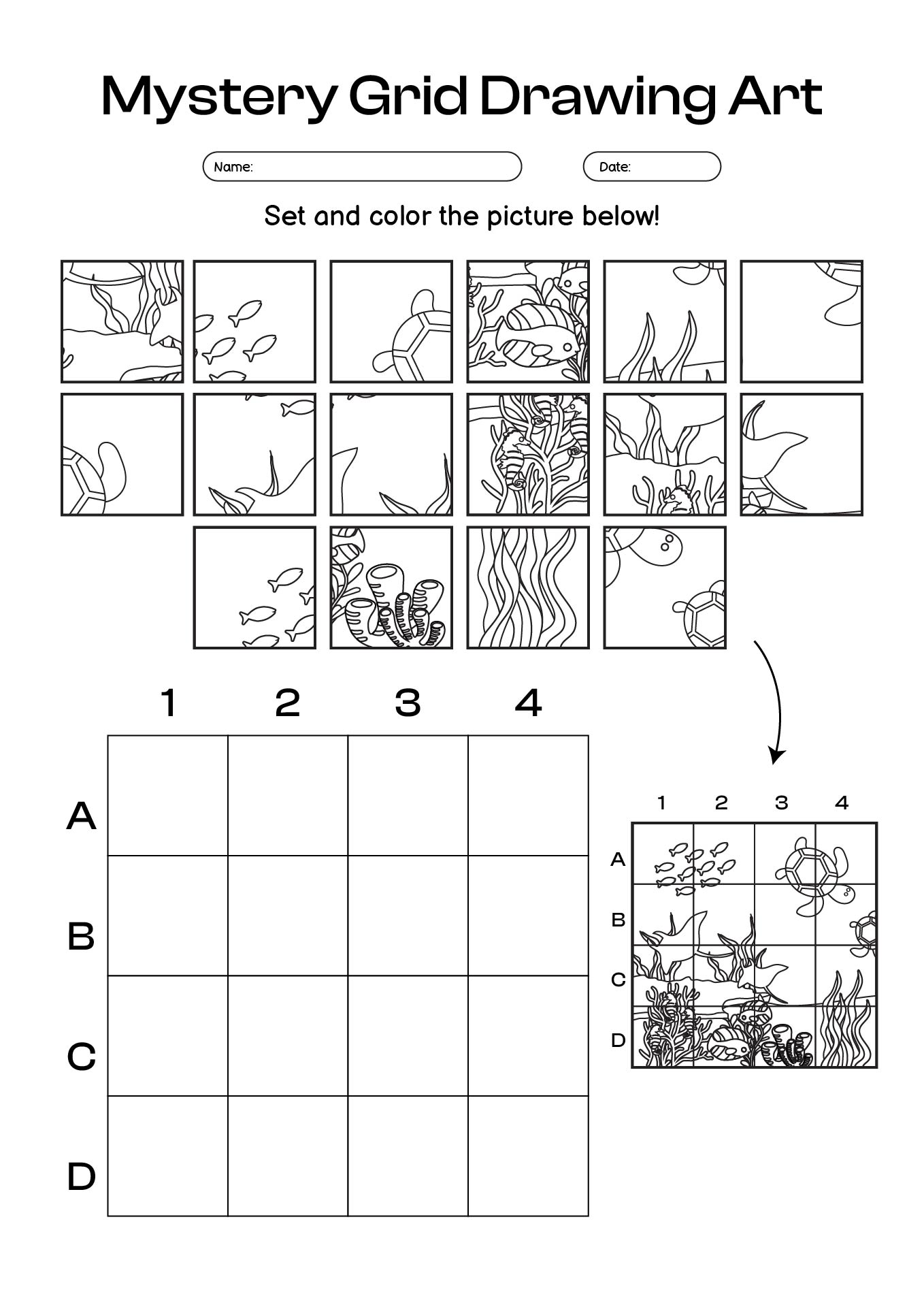
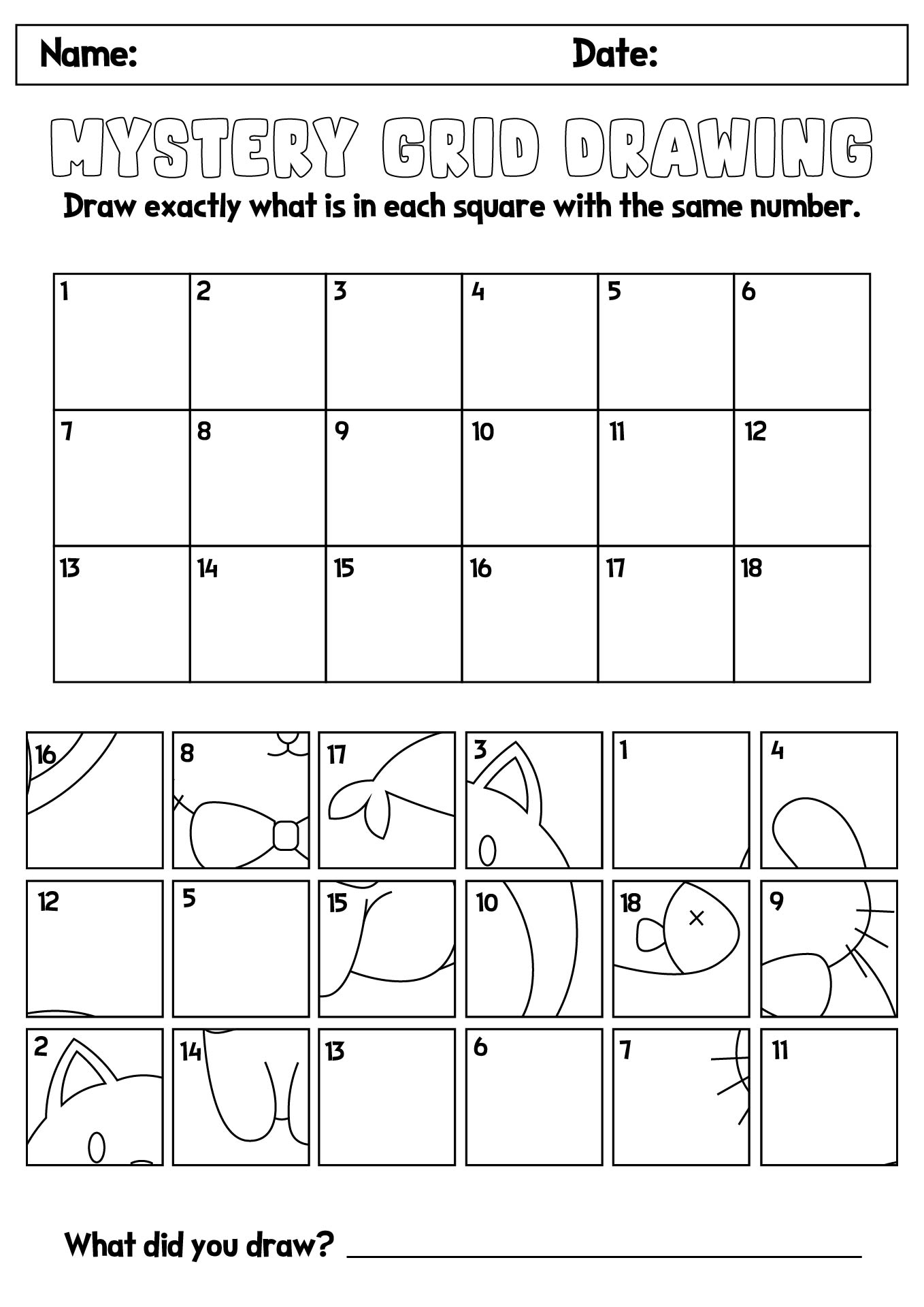
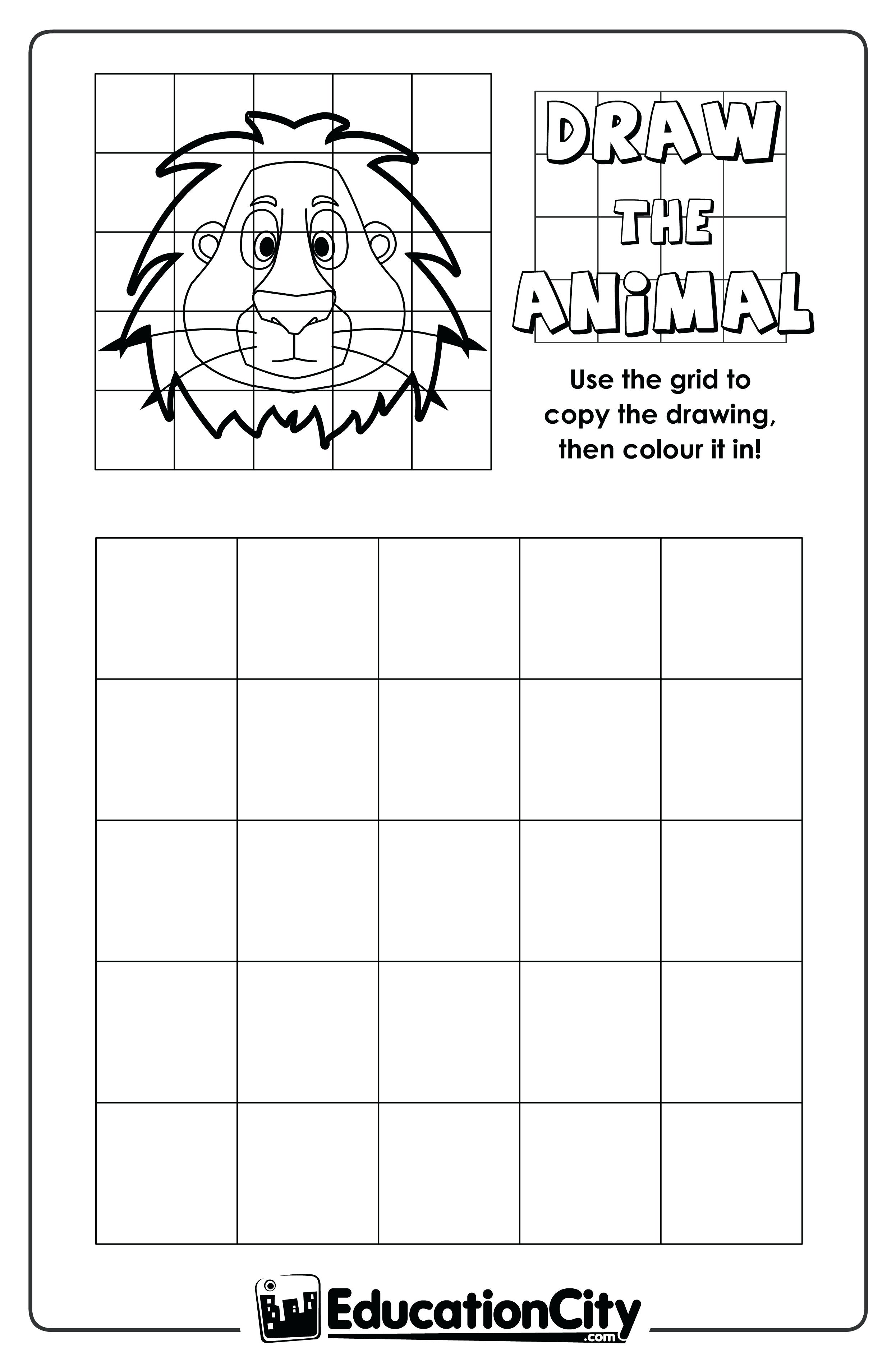
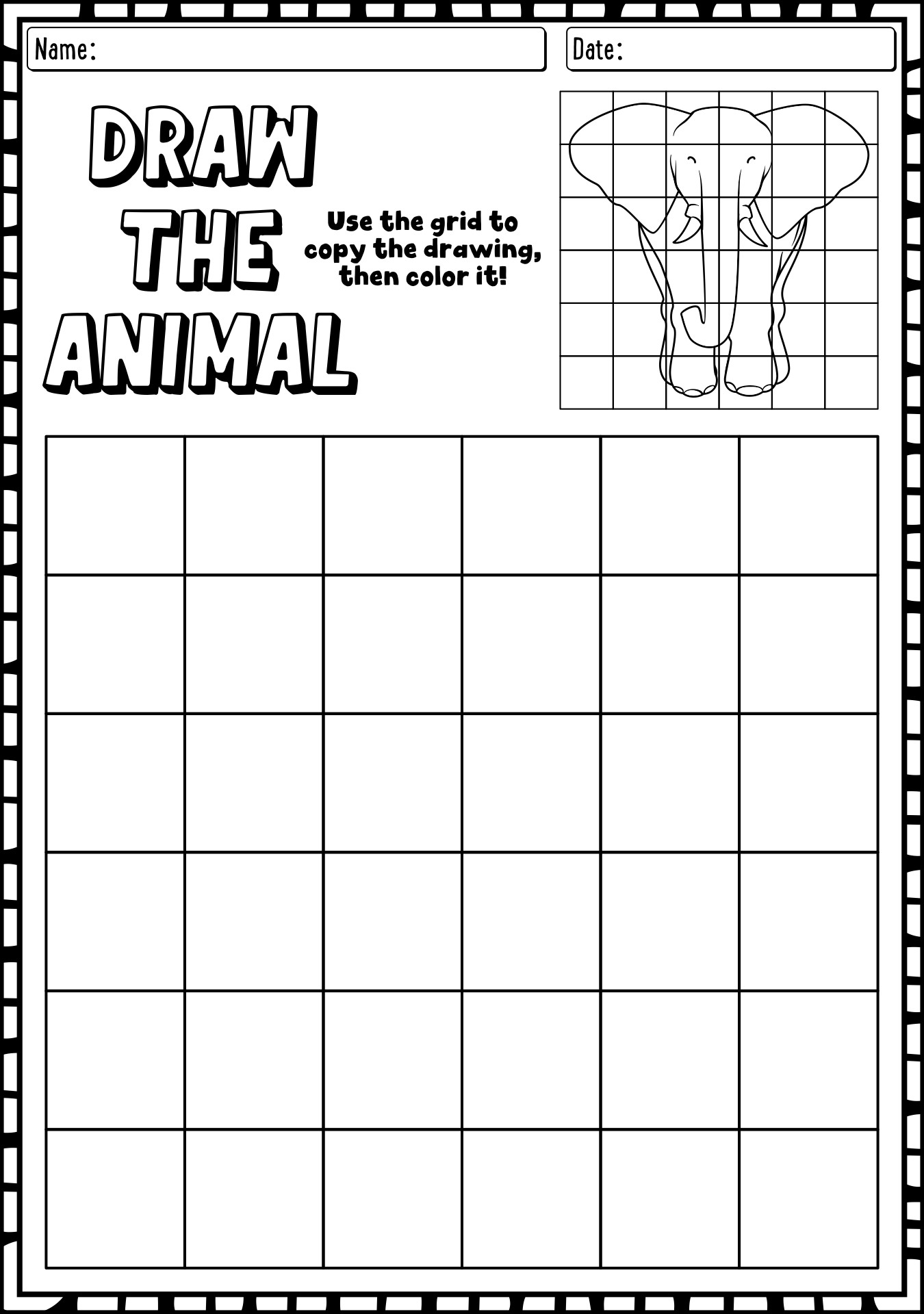
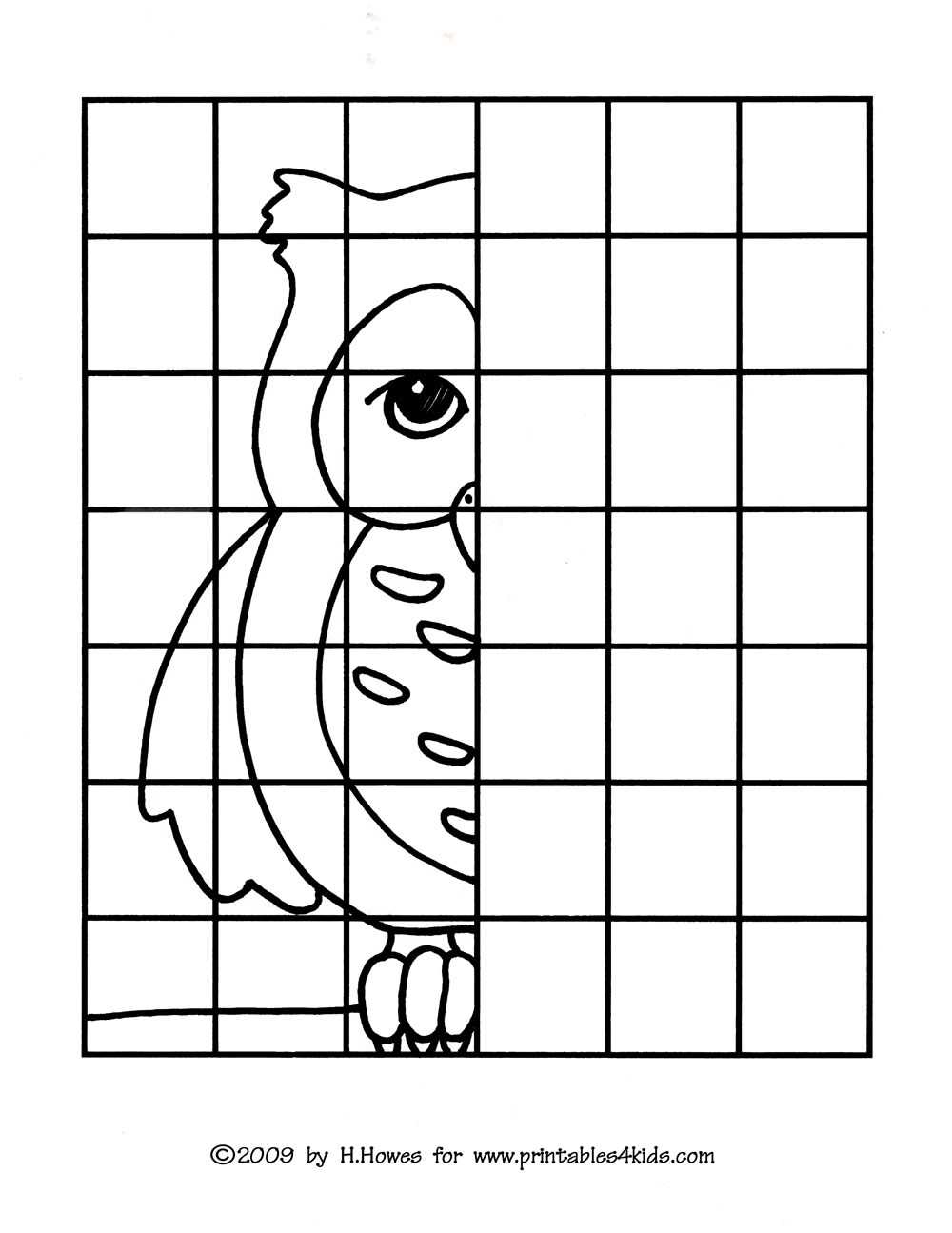
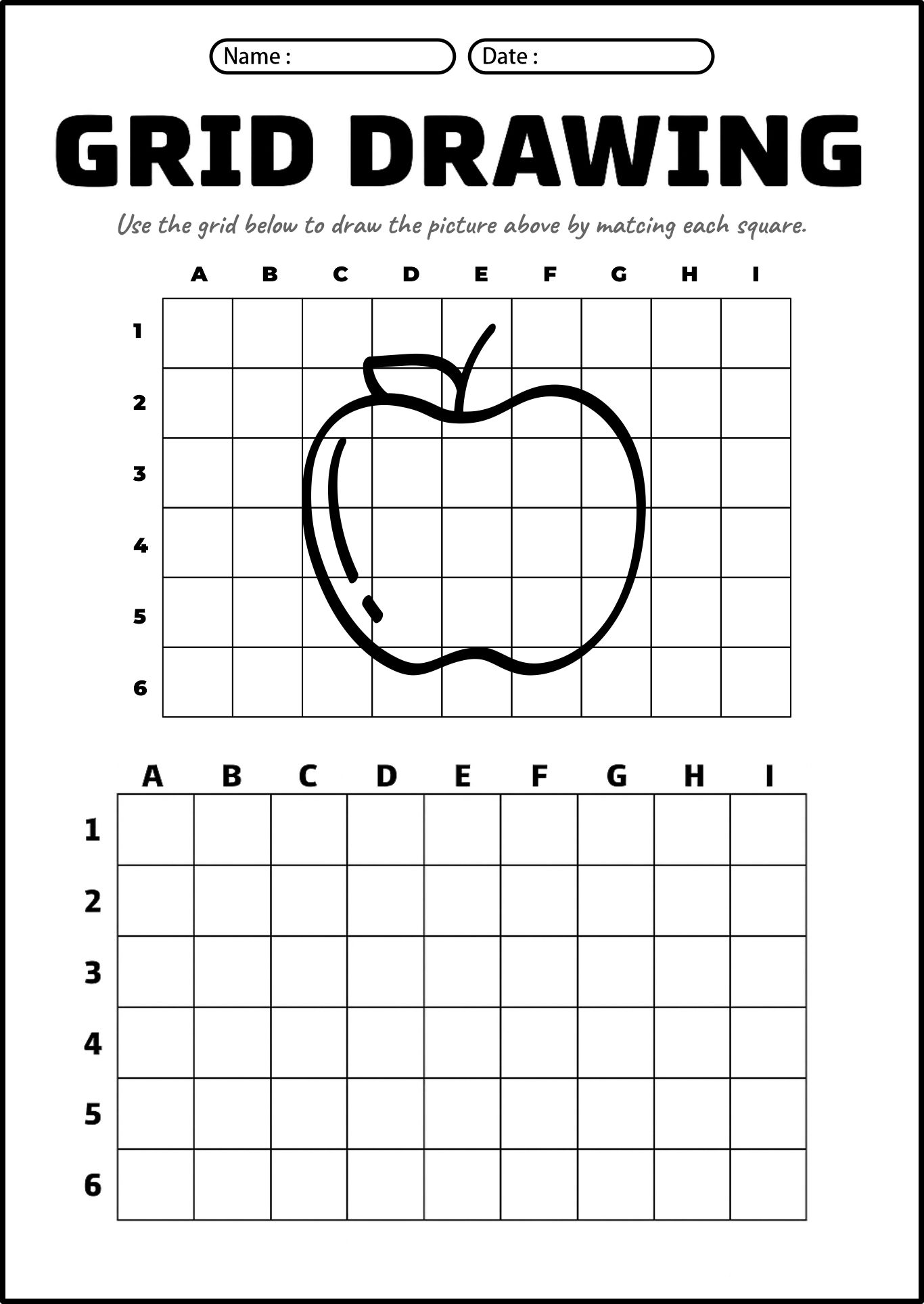
X grid drawing is a structured visual-spatial learning method that divides reference images and blank drawing surfaces into intersecting coordinate quadrants to teach children precise proportion estimation and observational tracking. According to the National Art Education Association (NAEA), structured observational drawing techniques significantly enhance spatial cognition, hand-eye coordination, and visual analysis in early childhood development. Integrating printable Grid Drawing worksheets into early elementary curricula transforms complex shapes into manageable coordinate segments, reducing cognitive overload during art instruction. Utilizing authentic Photo Flashcards alongside coordinate grids bridges concrete photographic reality with abstract geometric representation, establishing a robust foundation for geometric reasoning.
Visual Learning & Skill Snapshot:
- Core Focus: Coordinate-based visual breakdown of real photographic imagery into manageable drawing grids.
- Target Skill: Spatial reasoning, visual discrimination, fine-motor proportion, and coordinate mapping.
- Key Recommendation: Pair high-contrast photo references with simple 2×2 or 3×3 grids before progressing to complex multi-box layouts.
Core Principles and Visual Learning Overview
Coordinate grid partitioning operates by breaking an entire visual composition into smaller, isolated rectangular segments that allow young learners to focus on local contours rather than overwhelming global shapes. This reductionist approach leverages principles from the Educational Activities framework, which emphasizes scaffolding visual tasks to match current cognitive development stages. When children analyze a single grid intersection, cognitive processing centers on lines, angles, and negative space within bounded parameters. Consequently, learners build foundational math skills, such as Cartesian mapping and coordinate identification, while simultaneously refining artistic expression and fine motor dexterity.
Key Specifications and Breakdown
| Age / Learning Stage | Visual Skill & Grid Ratio | Pedagogical Application & Scaffolding |
|---|---|---|
| Ages 4-5 (Early Preschool) | 2×2 Grid with Bold Photo Outlines | Focuses on basic shape tracking, quadrant recognition, and whole-to-part spatial orientation. |
| Ages 6-7 (Early Elementary) | 3×3 Grid with Standard Real Photos | Targets proportion estimation, angle replication, and hand-eye coordination across intersecting axes. |
| Ages 8-10 (Advanced Primary) | 4×4 or 5×5 Grid with Detailed Imagery | Refines intricate line weight, detailed contour mapping, and independent error-checking strategies. |
Structured visual scaffolding through coordinate grids directly supports cognitive mapping and executive function development by training the brain to isolate complex visual stimuli into manageable sequential components. — National Art Education Association (NAEA)
Step-by-Step Practical Application and Printing Guidelines
Executing a successful coordinate drawing session requires matching the reference photo grid exactly to the target drawing worksheet to maintain proportional fidelity. Educators and parents should print both the reference photo card and the blank working grid at 100 percent scale without auto-fit page distortions to ensure precise coordinate alignment. Instruct children to select a single box at a time—starting from the top-left corner and moving systematically row by row—rather than attempting to draw the entire image at once. Using a window light box or tracing paper underneath initial worksheets can provide additional tactile support for learners struggling to transfer visual information from the reference matrix to the blank template.
Common Challenges and How to Avoid Them
Children frequently encounter difficulties when attempting to copy lines across grid lines without verifying the exact intersection points on the coordinate axes. To eliminate this frustration, guide learners to first mark where curves and straight lines cross the grid borders before drawing the internal contours of each box. Another common obstacle involves rushing through complex sections; educators can mitigate this by covering all unworked grid squares with a blank piece of paper to isolate the active quadrant. Maintaining high-contrast reference images also prevents visual fatigue, ensuring children can clearly distinguish foreground elements from background details within every designated square.
💬 Frequently Asked Questions
Explore More Free Learning Printables and Visual Activities on WePhotoAgency
Elevate early childhood visual education by exploring the complete collection of structured worksheets, printable learning tools, and creative resources available through WePhotoAgency.com. Dedicated parents, homeschoolers, and art educators will find comprehensive galleries designed to foster cognitive growth, artistic confidence, and spatial mastery.
Visual Reference Gallery