Introduction
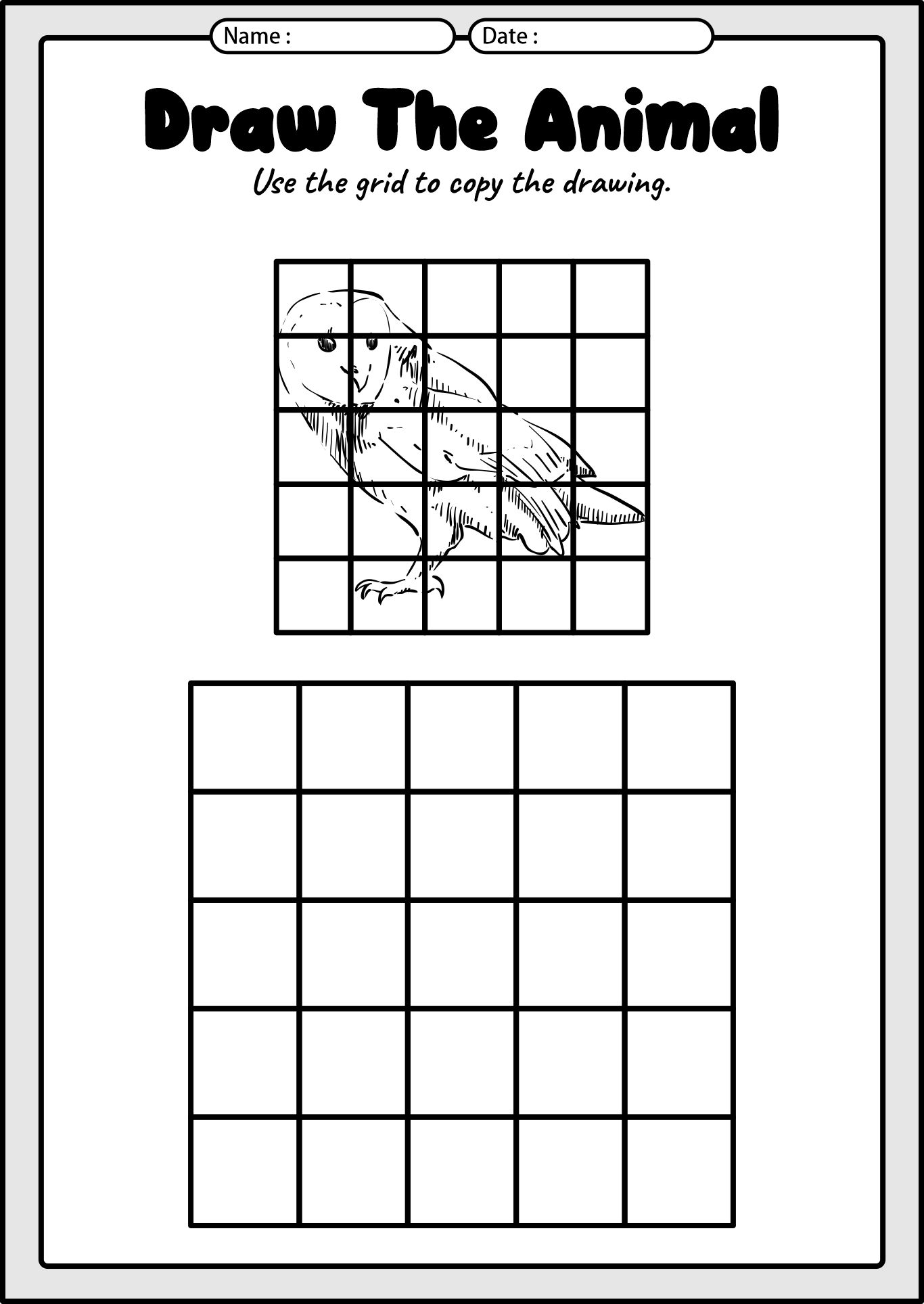
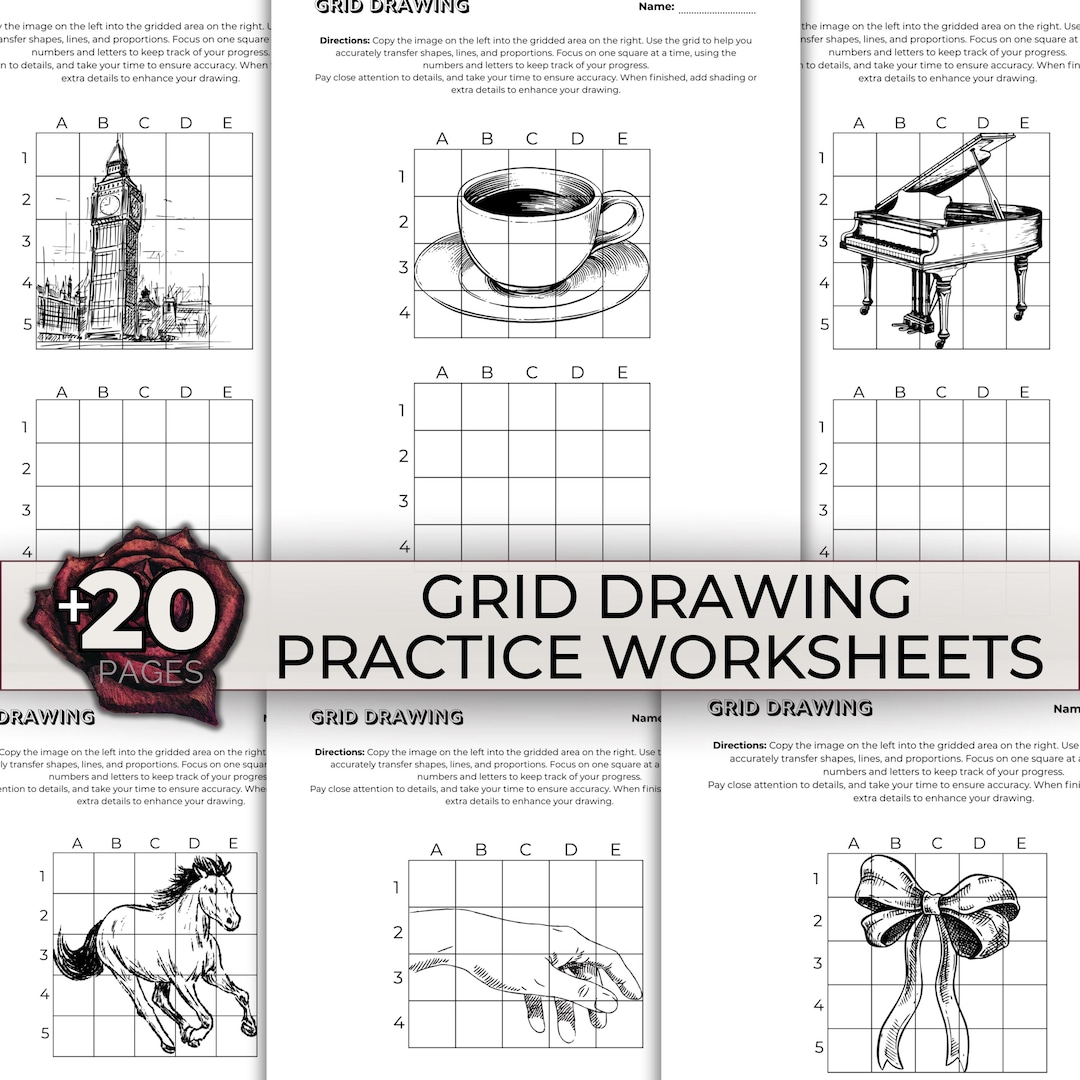
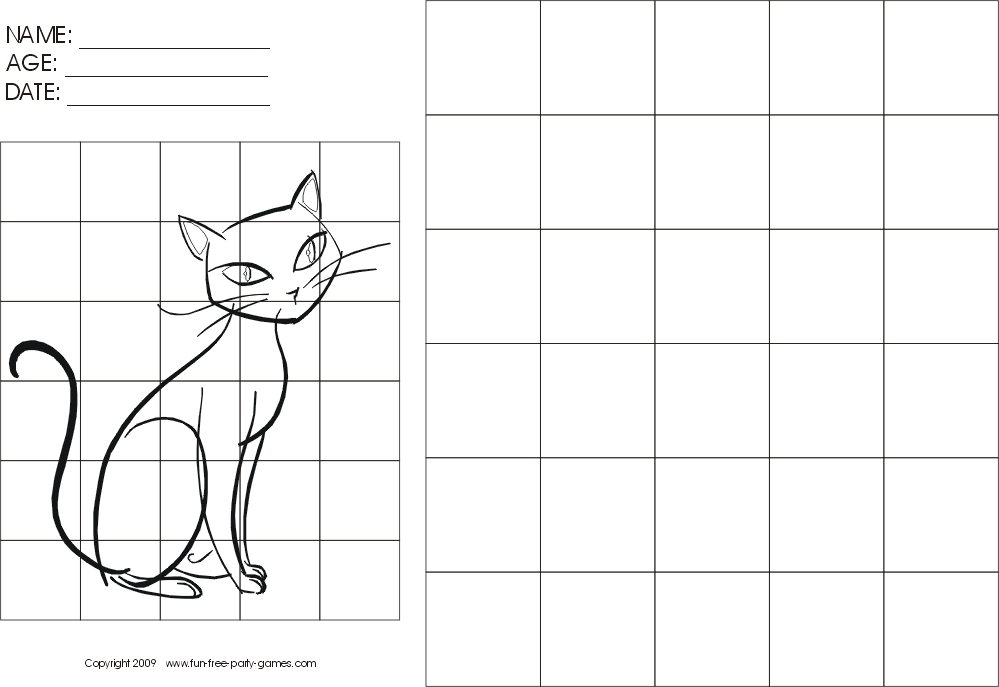
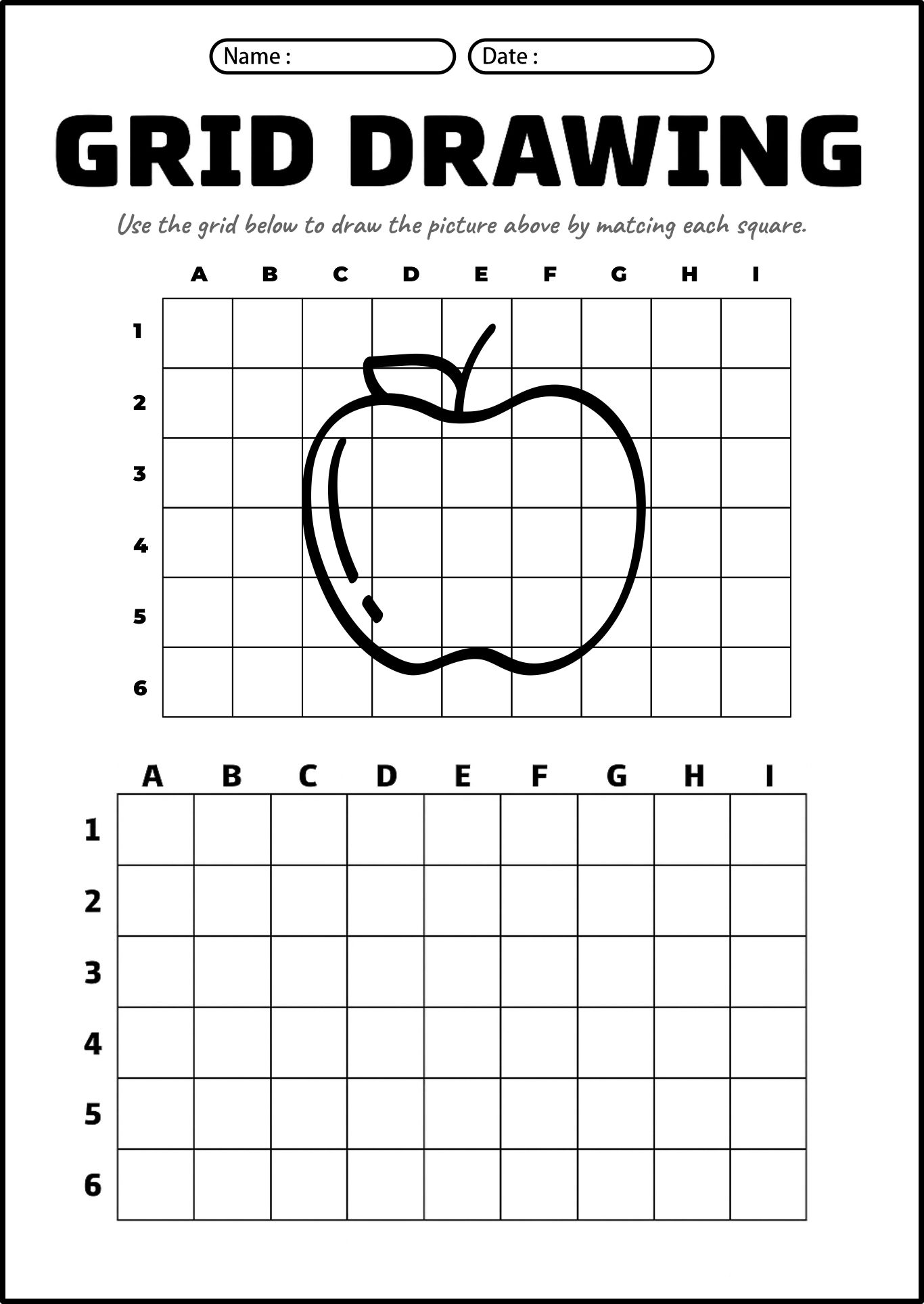
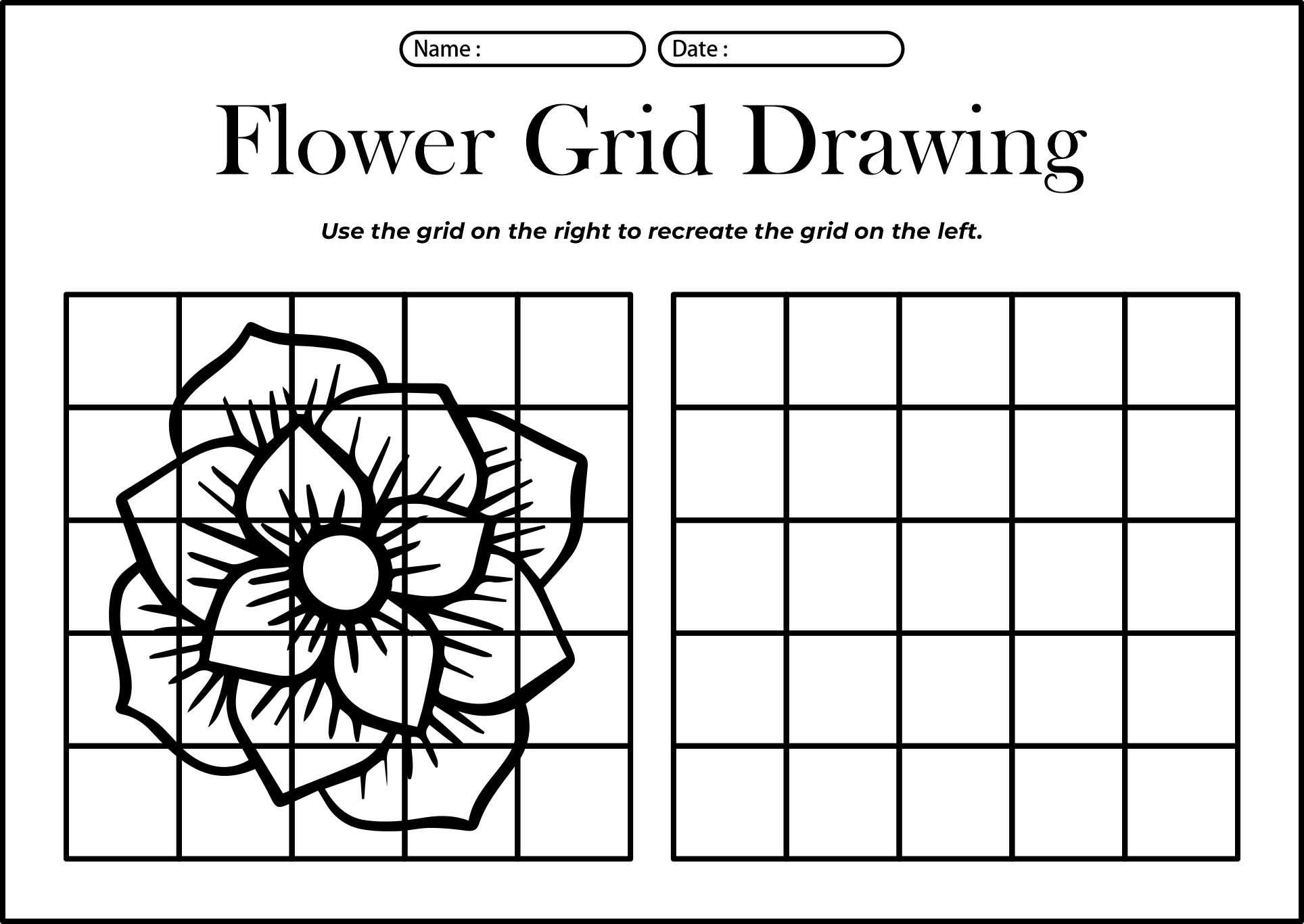
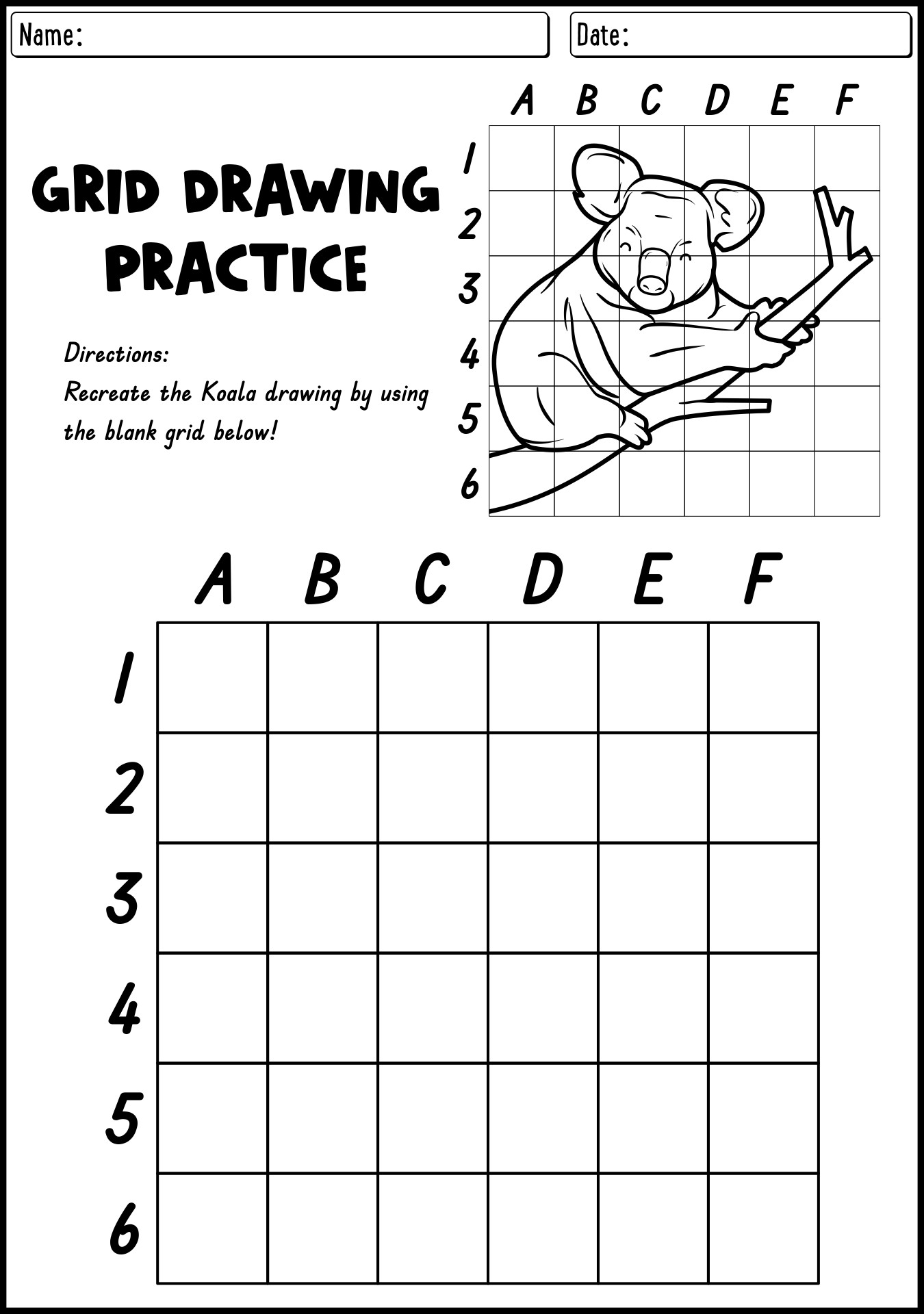
Grid drawing websites function as digital instructional portals that convert realistic photographic images into partitioned matrices to cultivate foundational visual-spatial skills in young learners. According to the National Art Education Association (NAEA), structured observational drawing techniques systematically improve hand-eye coordination, fine-motor precision, and spatial awareness by breaking complex visual stimuli into manageable geometric components. Integrating these digital generation tools with printable worksheets and Photo Flashcards transforms abstract artistic concepts into concrete, highly accessible early learning exercises suitable for home and classroom environments.
Visual Learning & Skill Snapshot:
- Core Focus: Digital platforms providing partitioned grid templates for observational drawing and proportional replication.
- Target Skill: Spatial reasoning, visual discrimination, fine-motor proportion, and photo-based concept mastery.
- Key Recommendation: Pair high-contrast printable grids with real photographic subjects to maximize visual tracking and cognitive mapping.
Core Principles and Visual Learning Overview
Observational grid drawing websites bridge the developmental gap between symbolic scribbling and realistic representation by training children to isolate coordinates rather than drawing whole objects from memory. This methodology reinforces left-right orientation, top-bottom sequencing, and proportional scaling, mirroring foundational strategies found in comprehensive Grid Drawing modules. When children analyze isolated squares within a printed grid, cognitive processing shifts from automatic visual assumptions to analytical perception, strengthening neurological pathways dedicated to pattern recognition and detail retention.
Key Specifications and Breakdown
| Age / Learning Stage | Visual Skill & Grid Ratio | Pedagogical Application & Scaffolding |
|---|---|---|
| Ages 4-5 (Early Exploratory) | 2×2 or 3×3 simple matrices with high-contrast photo subjects | Focuses on basic quadrant identification and horizontal-vertical tracking using familiar animal or object references. |
| Ages 6-7 (Developing Primary) | 4×4 or 5×5 matrices with moderate detail density | Teaches line continuation, contour mapping, and relative proportion estimation across intersecting lines. |
| Ages 8-10 (Advanced Elementary) | 6×6 or finer matrices with complex photographic textures | Refines precision drawing, shading transition analysis, and multi-step spatial translation for independent art study. |
Structured visual partitioning significantly enhances spatial memory and geometric processing during early childhood cognitive development. — National Art Education Association (NAEA)
Step-by-Step Practical Application and Printing Guidelines
Executing effective drawing sessions requires careful selection of source photographs coupled with high-contrast printer settings that preserve clear grid boundaries. Educators and parents should upload age-appropriate reference images into dedicated grid generators, selecting a matrix density that matches the developmental stage of the child. Printing these generated worksheets on heavy cardstock prevents pencil smudging and eraser degradation, ensuring that interactive Educational Activities remain durable throughout repeated tactile manipulation and focused tracing exercises.
Common Challenges and How to Avoid Them
Children frequently struggle with grid drawing when presented with excessive visual clutter or matrices that exceed their current fine-motor capacity. Mitigating this frustration involves scaling down the grid complexity, utilizing simpler photographic references with distinct silhouettes, and encouraging young artists to cover neighboring squares with an index card to isolate the immediate focal zone. Patience and progressive difficulty scaling ensure that learners build sustainable confidence without experiencing cognitive overload.
💬 Frequently Asked Questions
Explore More Free Learning Printables and Visual Activities on WePhotoAgency
Accessing curated educational resources empowers educators and parents to cultivate lifelong artistic and cognitive proficiencies in young learners. Discover an extensive collection of printables, flashcards, and structured exercises by visiting the main catalog at WePhotoAgency.com to elevate daily instructional strategies.
Visual Reference Gallery