Introduction
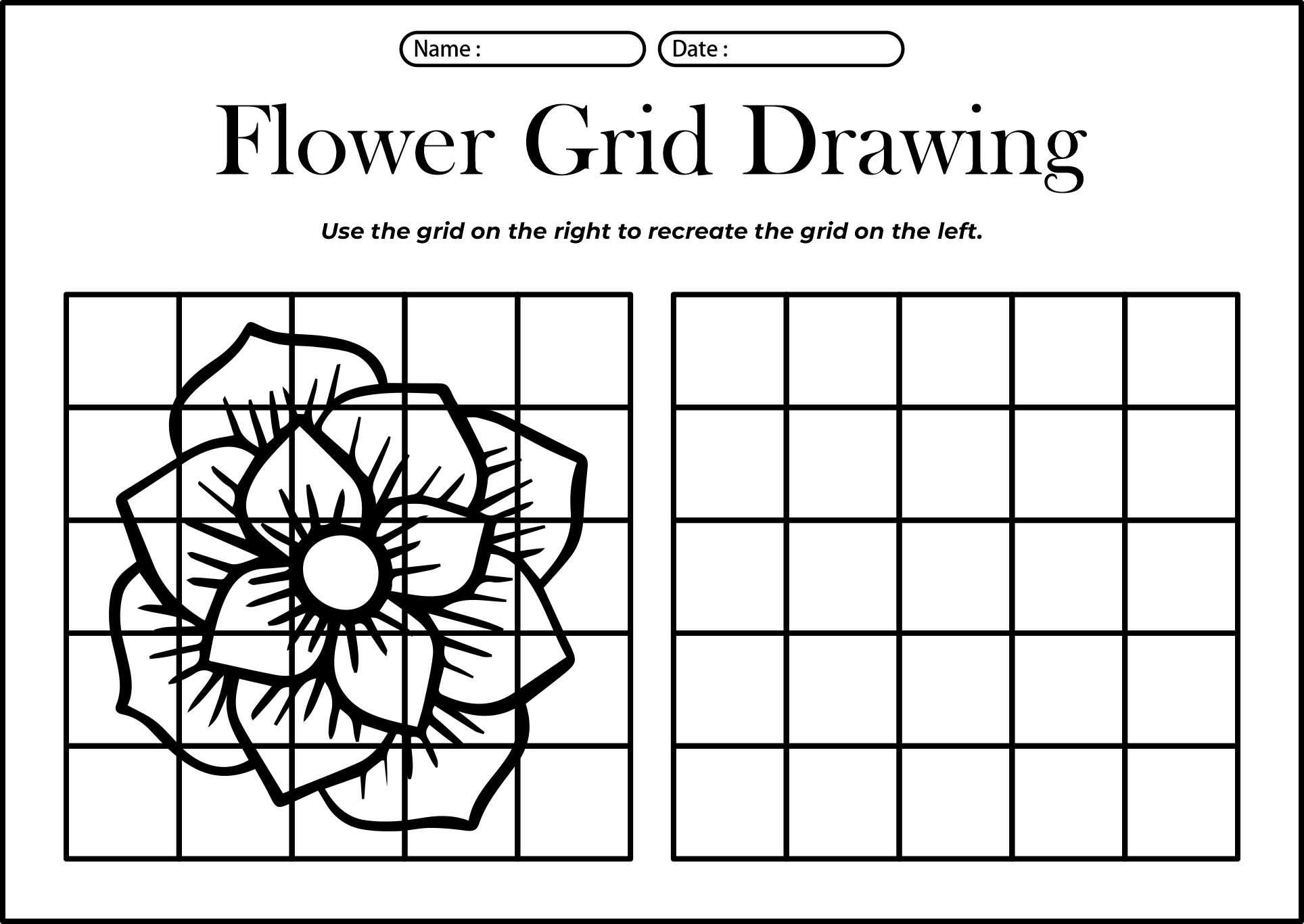
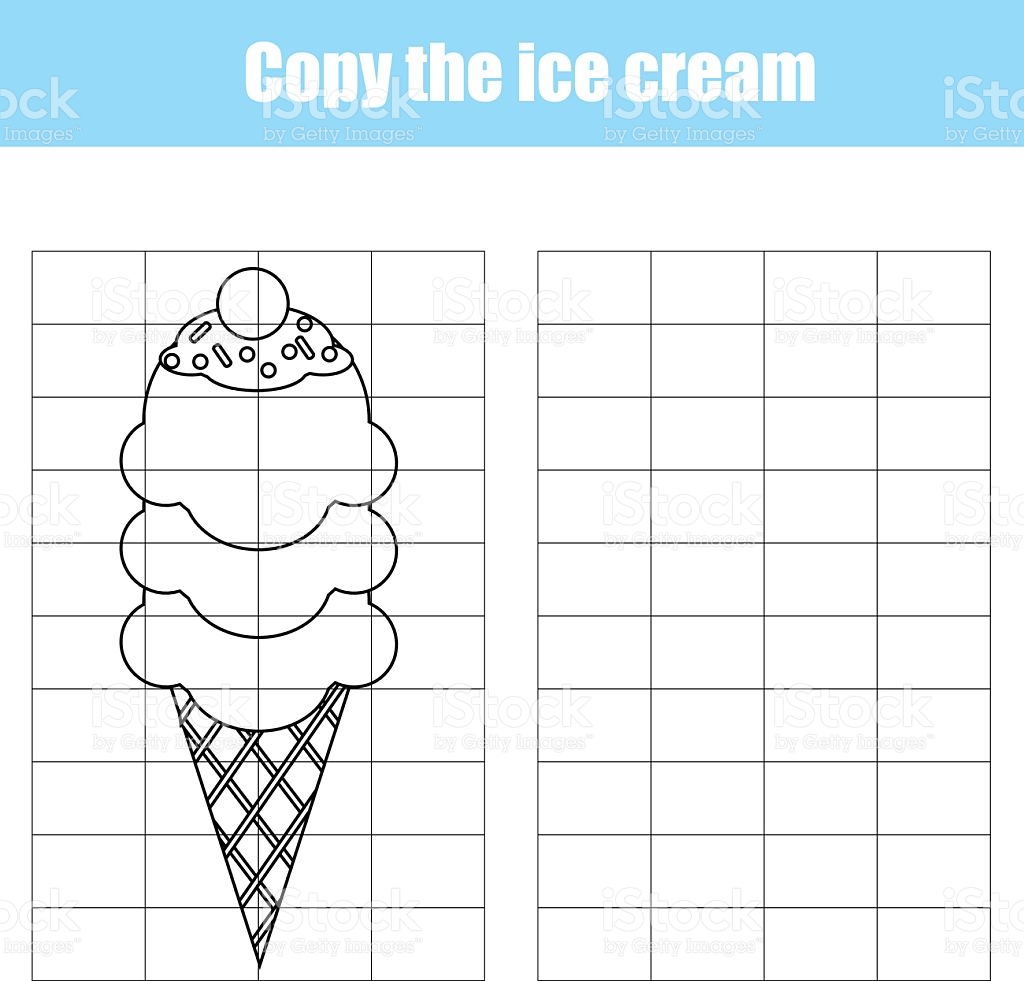
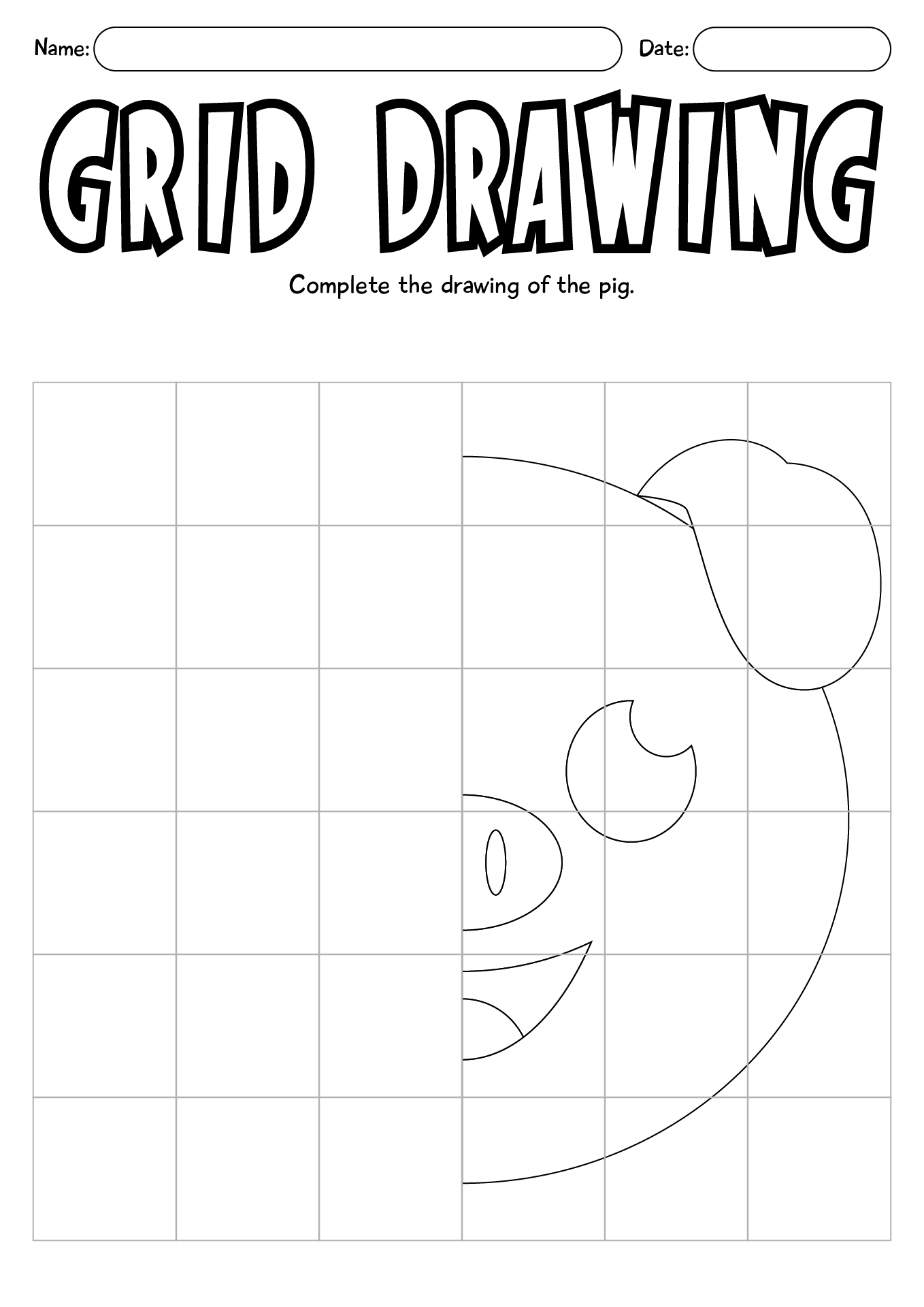
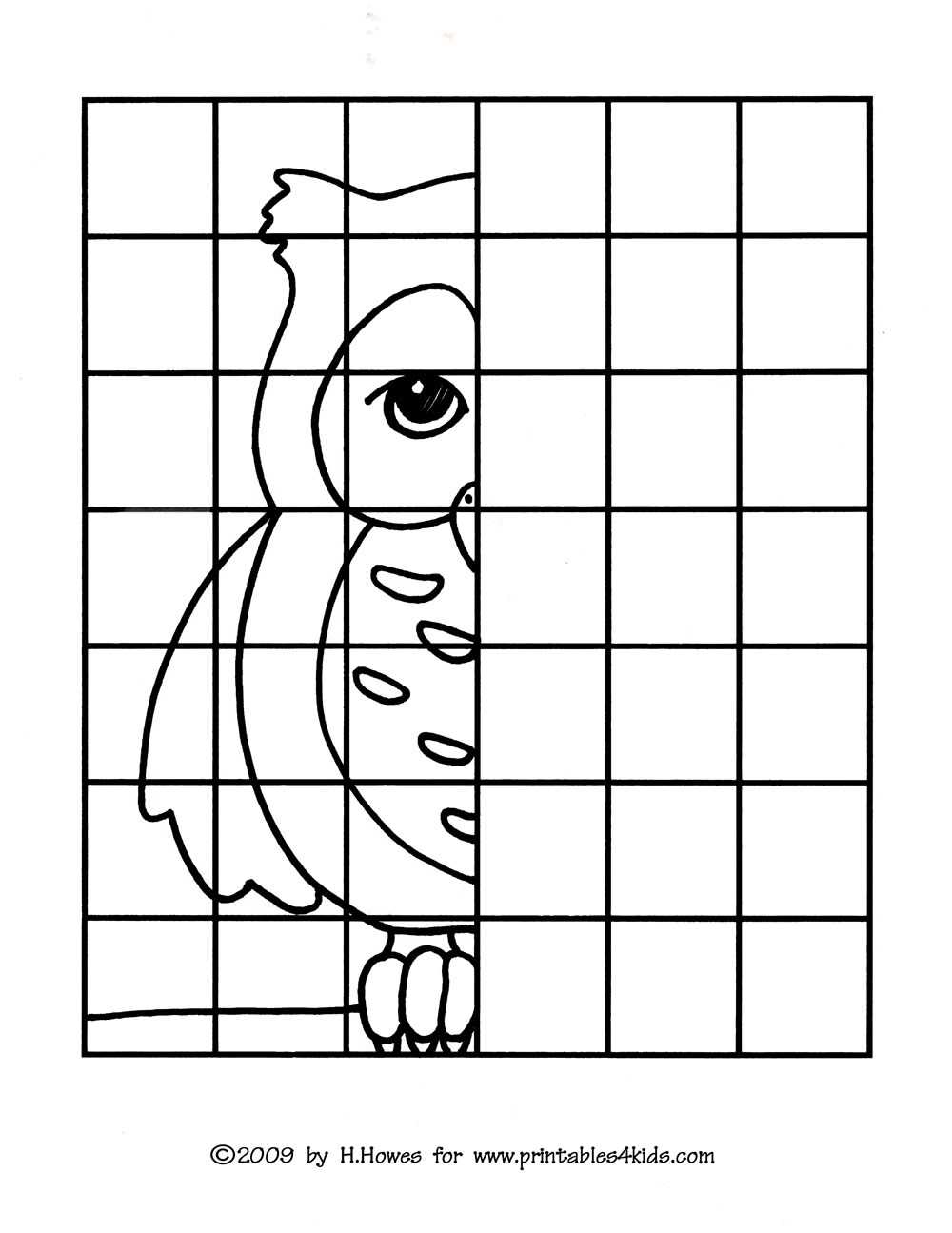
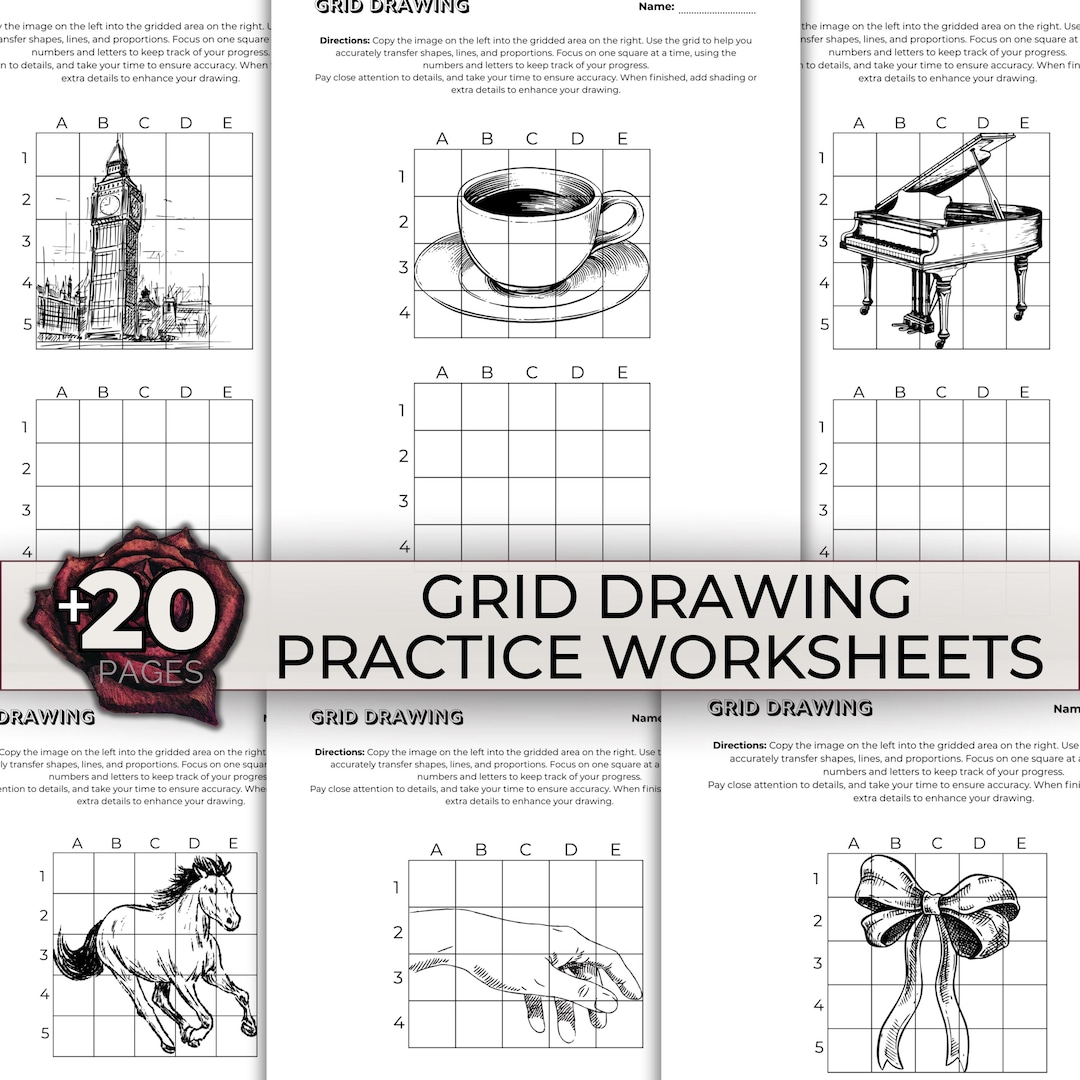
Grid drawing worksheets for kids are structured educational templates that overlay a coordinate grid onto a reference picture and a blank drawing square, forcing the brain to process complex visual data in isolated segments. According to the National Art Education Association (NAEA), breaking down visual information into smaller geometric segments significantly improves observation skills, visual-motor integration, and proportional accuracy in early elementary learners. Utilizing printable Grid Drawing materials bridges the gap between abstract shapes and recognizable objects, providing a systematic framework that transforms intimidating artistic tasks into manageable, highly engaging cognitive exercises for developing minds.
Visual Learning & Skill Snapshot:
- Core Focus: Structured geometric overlays for proportional drawing, spatial awareness, and realistic rendering.
- Target Skill: Spatial reasoning, visual discrimination, fine-motor proportion, and photo-based concept mastery.
- Key Recommendation: Pair simple 4×4 coordinate grids with realistic Photo Flashcards to maximize tactile observation before pencil hits paper.
Core Principles and Visual Learning Overview
Proportional estimation and spatial awareness are foundational cognitive pillars built effectively through systematic grid transfer activities. When children utilize structured drawing templates alongside real-world visual references, the left analytical hemisphere of the brain learns to measure negative space, line angles, and coordinate intersections independently of symbolic naming. Educators and parents integrate these resources into broader Educational Activities to cultivate patience, patience-based observation, and hand-eye coordination. Moving from coarse 2×2 grids for early kindergarten learners to refined 8×8 squares for older elementary students ensures continuous neurological challenge without inducing cognitive overload or artistic frustration.
Key Specifications and Breakdown
| Age / Learning Stage | Visual Skill & Grid Ratio | Pedagogical Application & Scaffolding |
|---|---|---|
| Ages 4-6 (Early Kindergarten) | 2×2 or 3×3 simple squares | Focuses on basic contour lines, simple object recognition, and foundational pencil control. |
| Ages 7-9 (Mid Elementary) | 4×4 to 6×6 coordinate matrices | Emphasizes angle estimation, proportional scaling, and translating photographic reference data. |
| Ages 10-12 (Upper Elementary) | 8×8 or custom photographic grids | Targets advanced shading, fine-detail observation, and complex perspective rendering. |
Systematic visual division directly strengthens spatial working memory and analytical motor planning during primary childhood development. — National Art Education Association (NAEA)
Step-by-Step Practical Application and Printing Guidelines
Successful implementation requires high-contrast, clean-lined printouts paired with high-resolution photographic reference cards to eliminate visual ambiguity. Educators should print worksheets on heavy cardstock to prevent pencil indentation bleed-through and ensure durability during repeated erasing sessions. Begin by demonstrating how to isolate a single grid square using an L-shaped paper mask, instructing the child to copy only the lines contained inside that specific coordinate box before moving to adjacent cells. This isolation technique trains the developing brain to ignore the overarching identity of the object, such as a dog or flower, and instead focus purely on abstract geometric lines, curves, and intersections.
Common Challenges and How to Avoid Them
Children frequently struggle with grid drawing worksheets when attempting to render the entire picture at once rather than working systematically square by square. To correct this common observational hurdle, provide opaque window cards that cover all surrounding grid coordinates, forcing total concentration on a single active cell at a time. Another frequent obstacle involves scaling inaccuracies caused by improper grid alignment; always verify that the reference grid and the target grid maintain precise dimensional ratios before printing. Encouraging the use of light sketching pencils allows young artists to easily erase stray coordinate marks and refine interior proportions without damaging the paper surface.
💬 Frequently Asked Questions
Explore More Free Learning Printables and Visual Activities on WePhotoAgency
Comprehensive visual learning toolkits provide endless opportunities for children to strengthen artistic confidence and spatial acuity. Educators, parents, and homeschool leaders can access an extensive library of print-ready resources by visiting WePhotoAgency.com to discover supplementary flashcards, geometric templates, and creative developmental exercises designed for every learning stage.
Visual Reference Gallery