Introduction
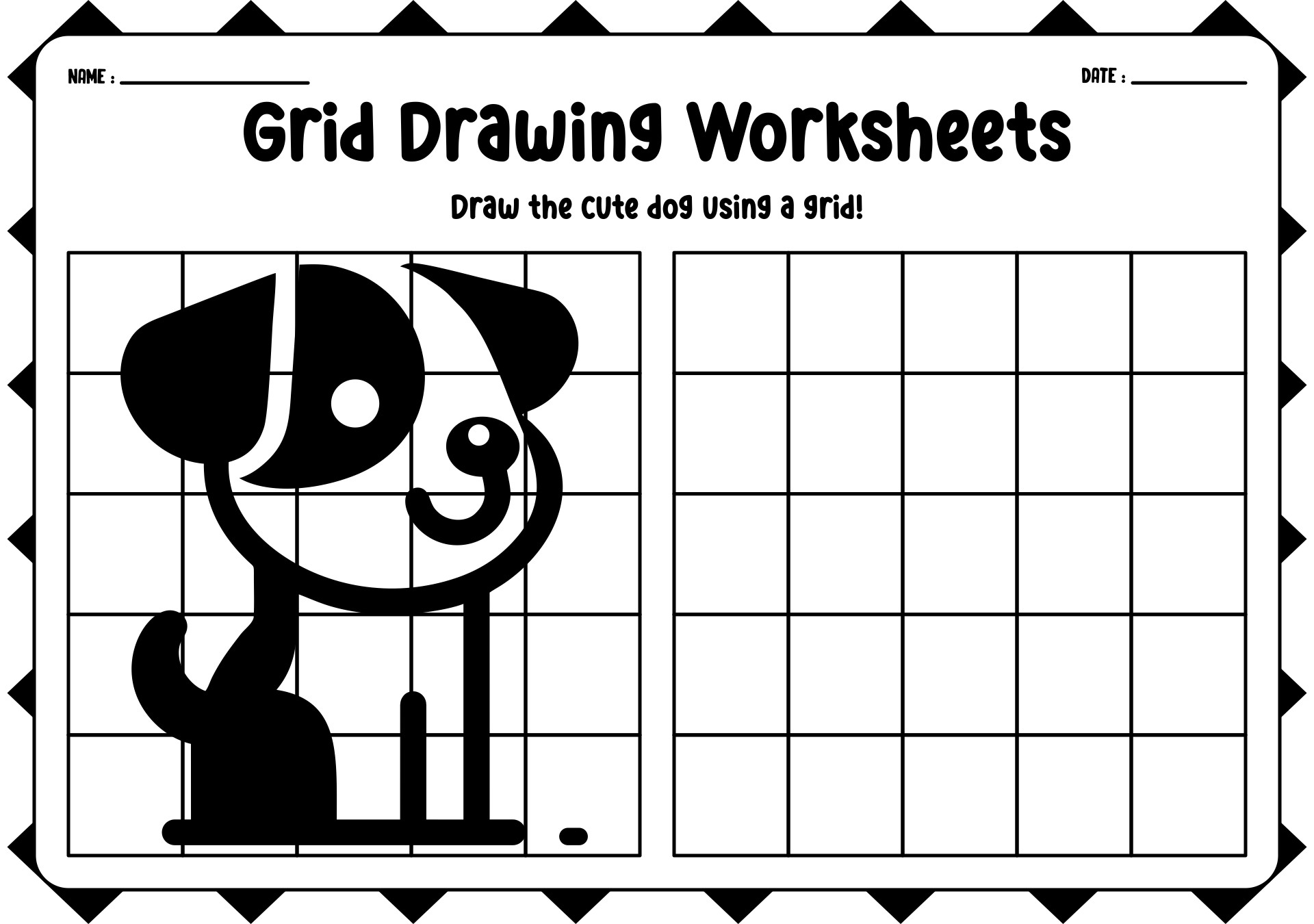
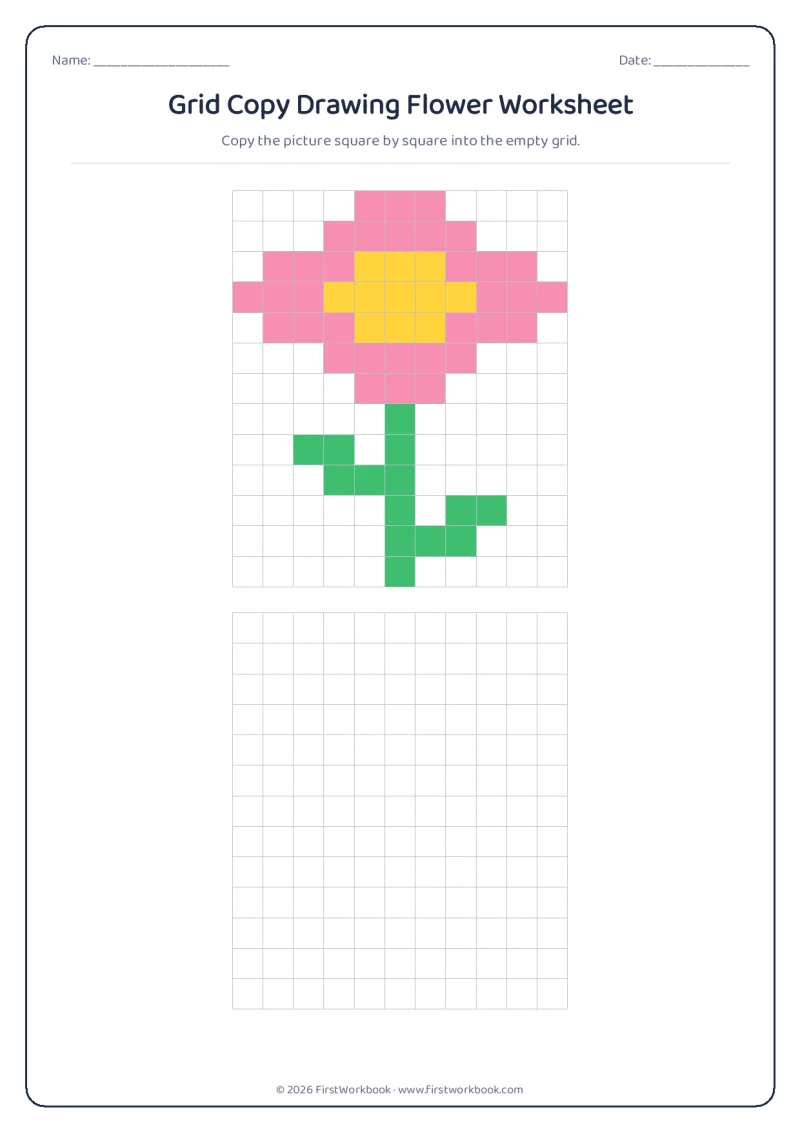
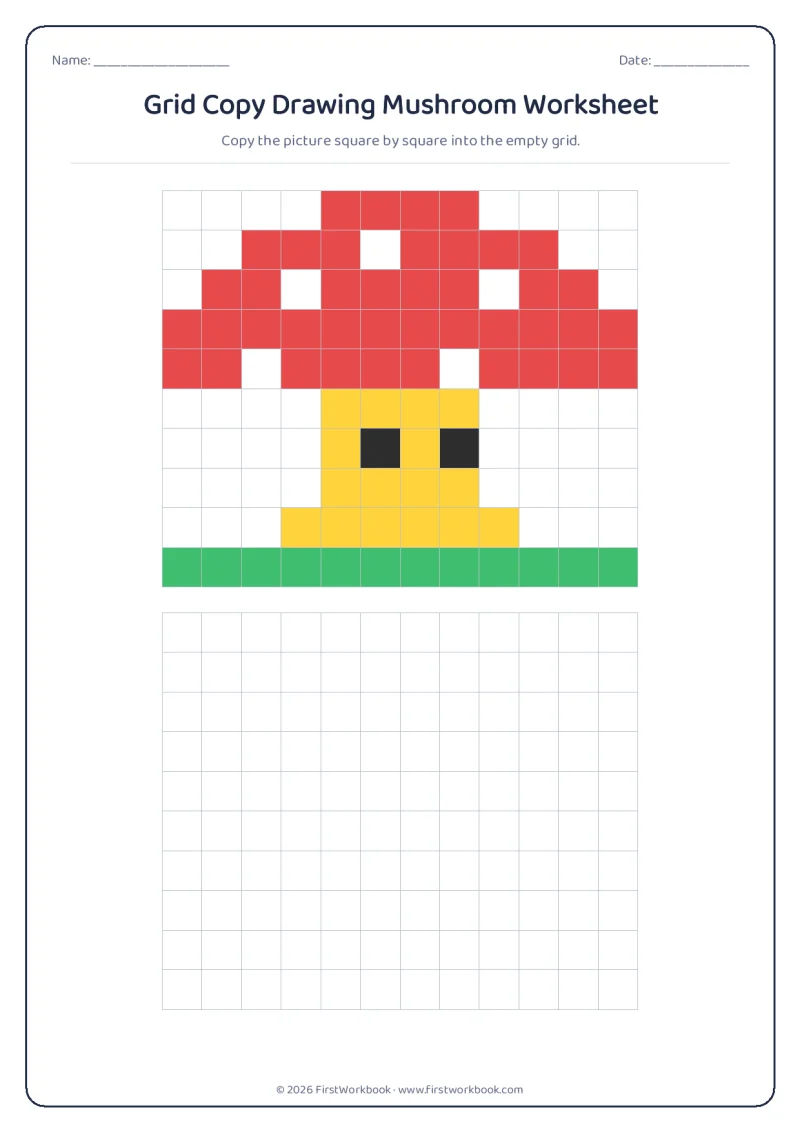
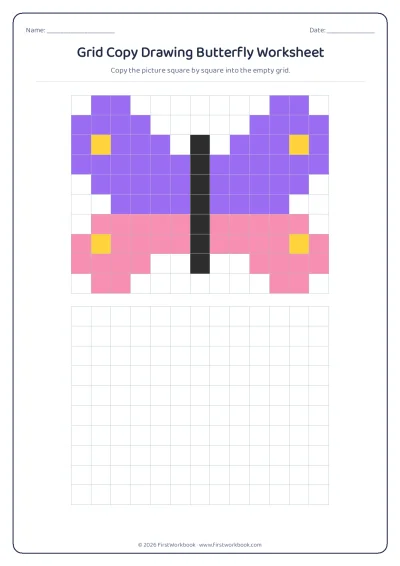
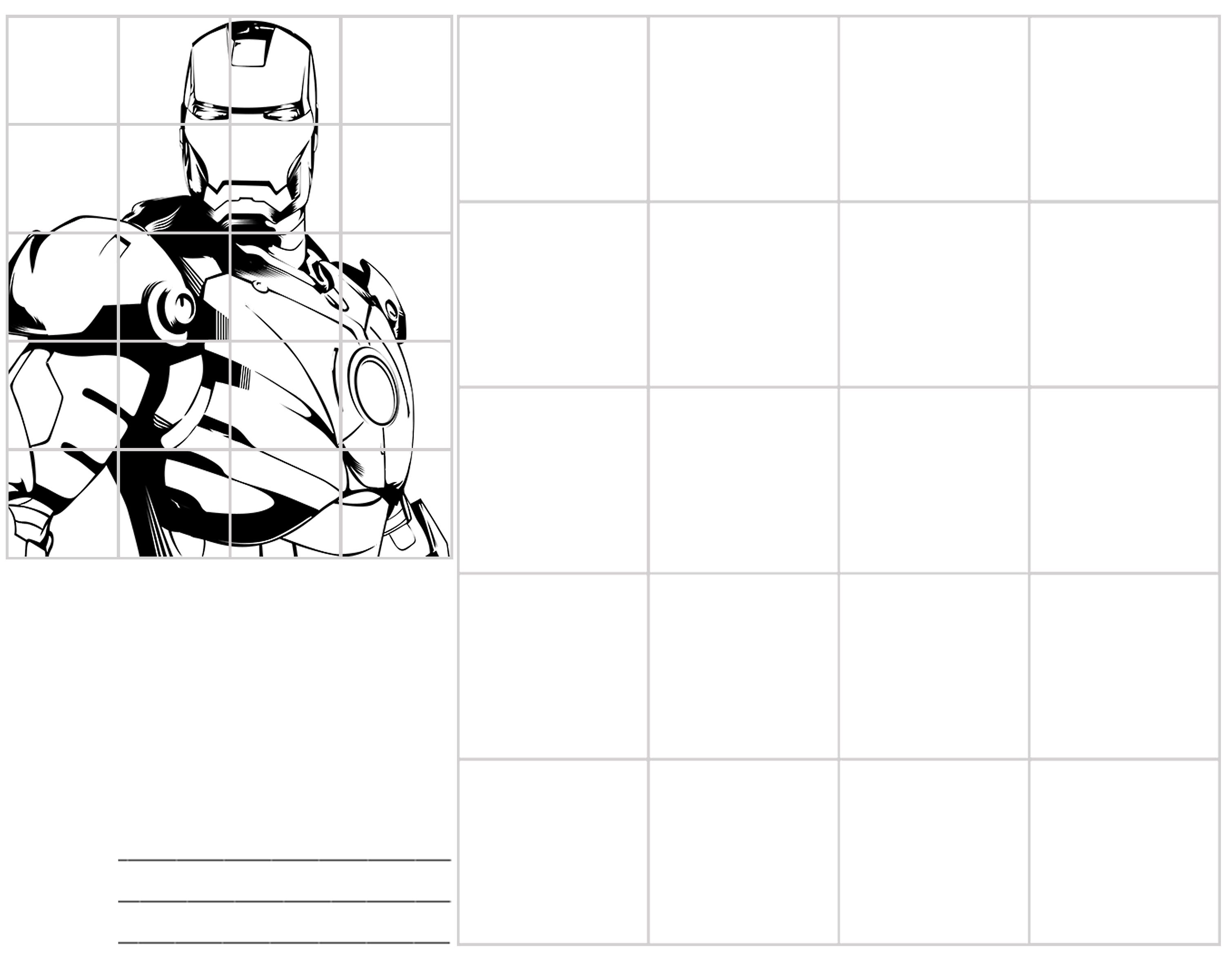
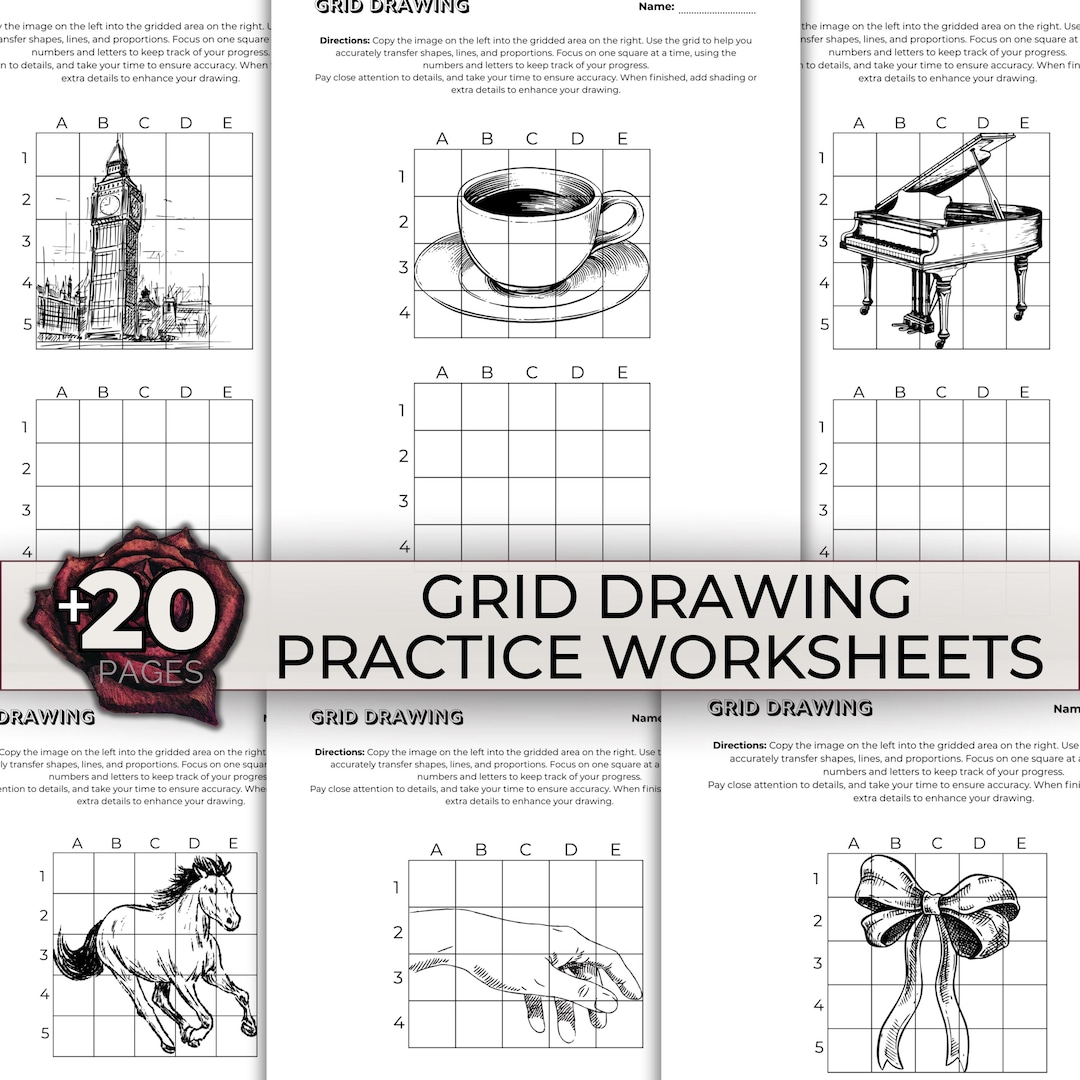
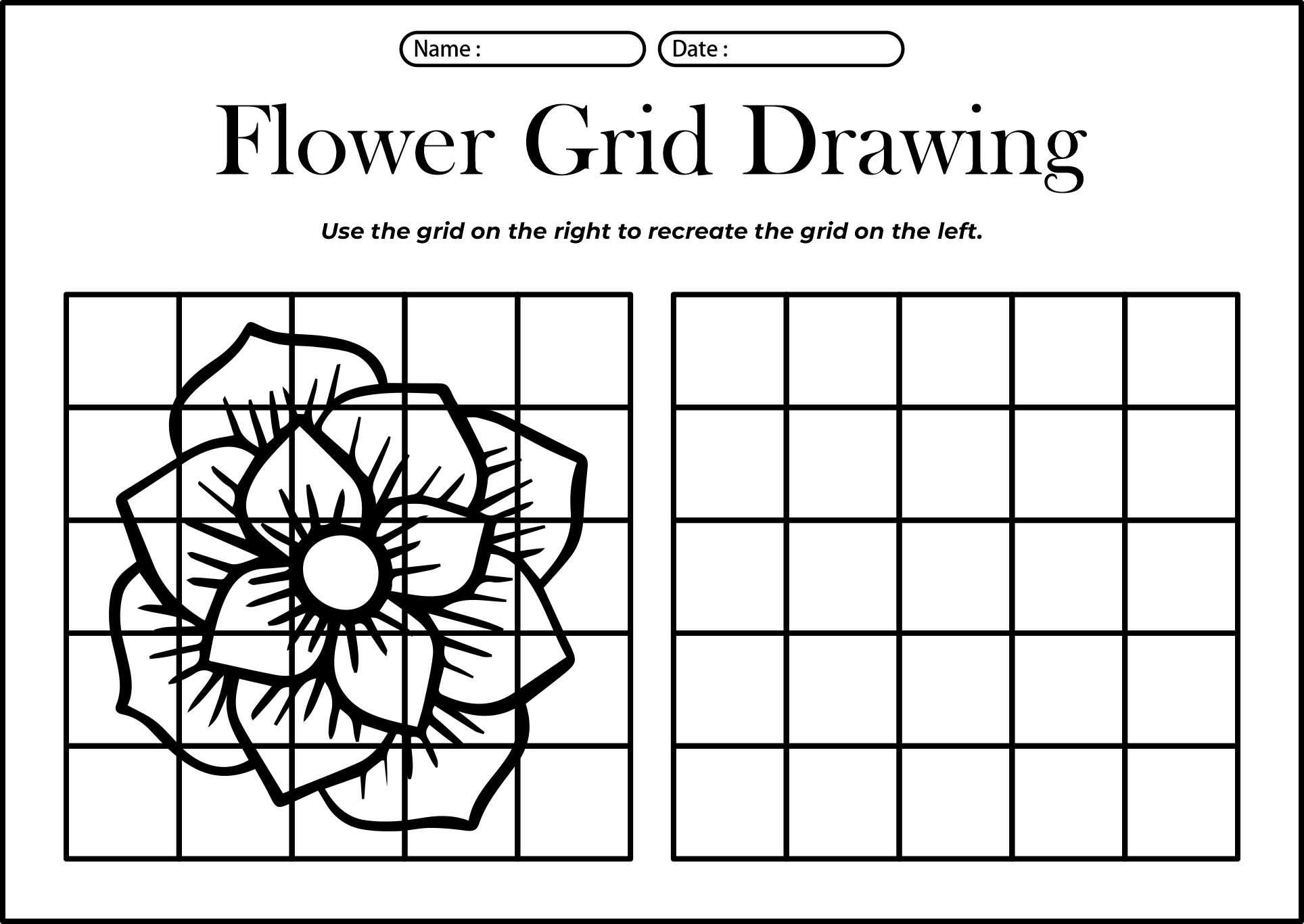
Grid drawing worksheets are structured instructional tools that break complex visual subjects into manageable coordinate squares to teach spatial awareness, proportion estimation, and observation skills. According to the National Art Education Association (NAEA), systematic breaking down of visual stimuli into smaller, organized units significantly enhances a child’s ability to process geometric relationships and accurately translate three-dimensional concepts onto two-dimensional surfaces. Utilizing printable resources alongside real photo visual flashcards transforms abstract fine art techniques into concrete, accessible cognitive milestones for early learners.
Visual Learning & Skill Snapshot:
- Core Focus: Systematic coordinate-based drawing activities designed to build precision and visual-spatial competence.
- Target Skill: Spatial reasoning, visual discrimination, fine-motor proportion, and photo-based concept mastery.
- Key Recommendation: Pair simple 2×2 or 4×4 printable grids with high-contrast realistic imagery to minimize cognitive overload.
Core Principles and Visual Learning Overview
Spatial reasoning develops most effectively when learners isolate individual visual components rather than attempting to process an entire composition at once. By studying resources within the Grid Drawing collection, children train their brains to analyze lines, angles, and intersections independently. This analytical breakdown reduces the overwhelming nature of visual replication, making foundational art instruction achievable for early elementary students. Furthermore, integrating Photo Flashcards as reference templates bridges the gap between photographic reality and graphic representation, reinforcing cognitive categorization and fine motor control simultaneously.
Key Specifications and Breakdown
| Age / Learning Stage | Visual Skill & Grid Ratio | Pedagogical Application & Scaffolding |
|---|---|---|
| Ages 4–5 (Early Exploration) | Basic 2×2 grid, high-contrast shapes | Focuses on locating top-left and bottom-right intersections using bold photographic references. |
| Ages 6–7 (Developing Literacy) | Standard 4×4 grid, nature and animal themes | Builds systematic scanning habits, teaching students to check coordinate labels row by row. |
| Ages 8–9 (Advanced Mechanics) | Complex 6×6 grid, architectural subjects | Refines line accuracy, proportional scaling, and independent error correction through observation. |
Systematic visual division supports cognitive mapping by reducing visual clutter and activating analytical processing centers in the developing brain. — National Art Education Association (NAEA)
Step-by-Step Practical Application and Printing Guidelines
Executing successful drawing exercises requires careful preparation of physical materials and clear introductory modeling by the educator. Begin by selecting high-contrast, age-appropriate printable pages from structured Educational Activities portfolios, ensuring line weights are bold enough for young eyes to track easily. Instruct learners to cover all grid squares except the active target square using a blank index card, isolating the immediate line segments to prevent visual distraction. Encourage students to check coordinate letters or numbers along the margins before applying pencil strokes, turning accurate replication into an engaging puzzle-solving routine.
Common Challenges and How to Avoid Them
Frustration occurs when children attempt to draw entire objects across multiple squares instead of focusing exclusively on the specific lines contained within one single coordinate box. Educators must intervene early by teaching the boundary method, where learners trace the entry and exit points of lines along the grid borders of a single square before sketching the curve inside. If a child struggles with proportion scaling, temporarily replace complex illustrations with simple geometric shapes until coordinate mapping becomes second nature. Maintaining patience and celebrating small alignment victories ensures sustained enthusiasm for observational drawing tasks.
💬 Frequently Asked Questions
Explore More Free Learning Printables and Visual Activities on WePhotoAgency
Accessing high-quality visual instructional resources provides an invaluable foundation for early cognitive and artistic development across diverse learning environments. Educators, parents, and homeschoolers seeking diverse supplementary materials can explore comprehensive downloadable libraries by visiting WePhotoAgency.com to support comprehensive skill building.
Visual Reference Gallery