Introduction
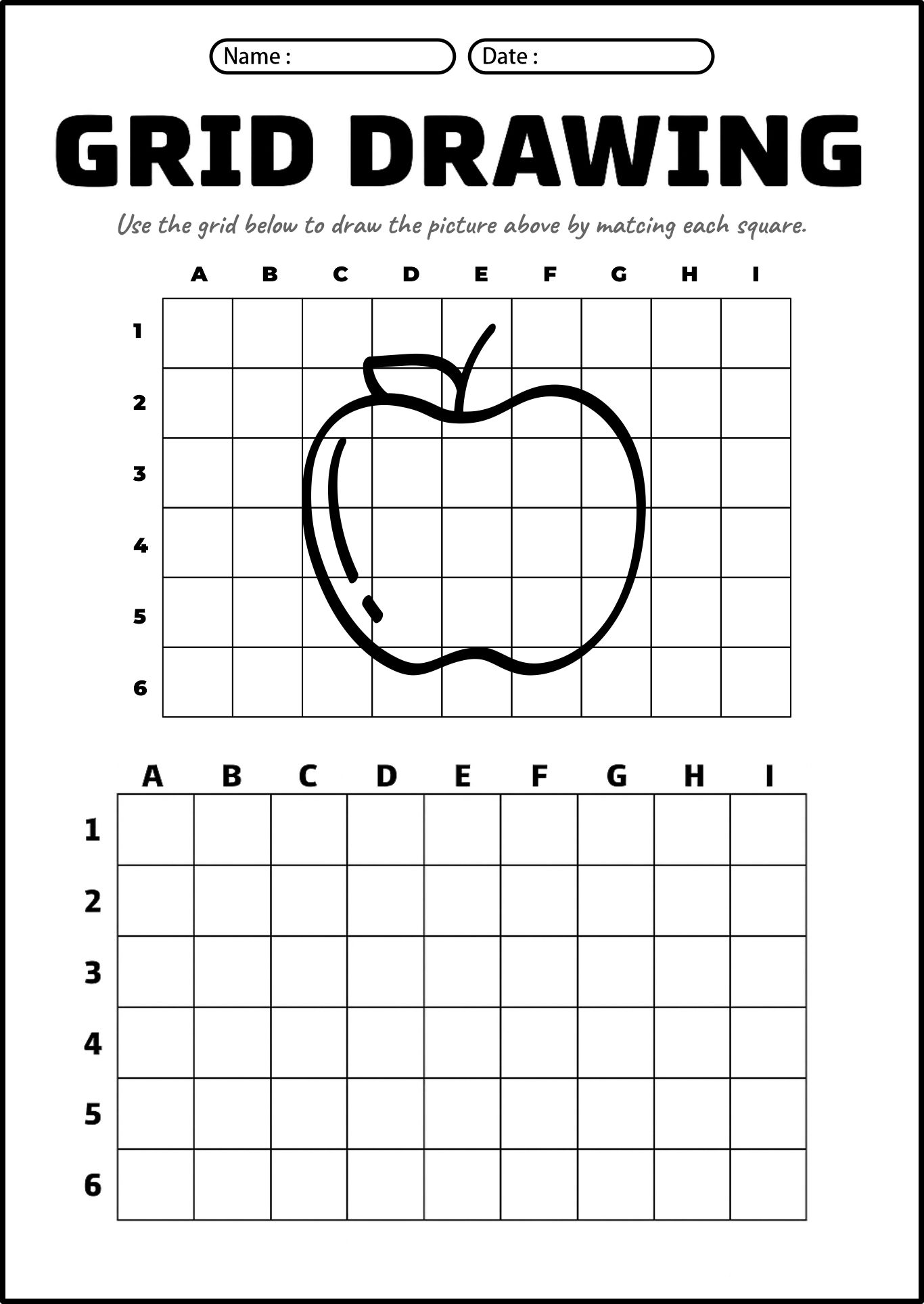
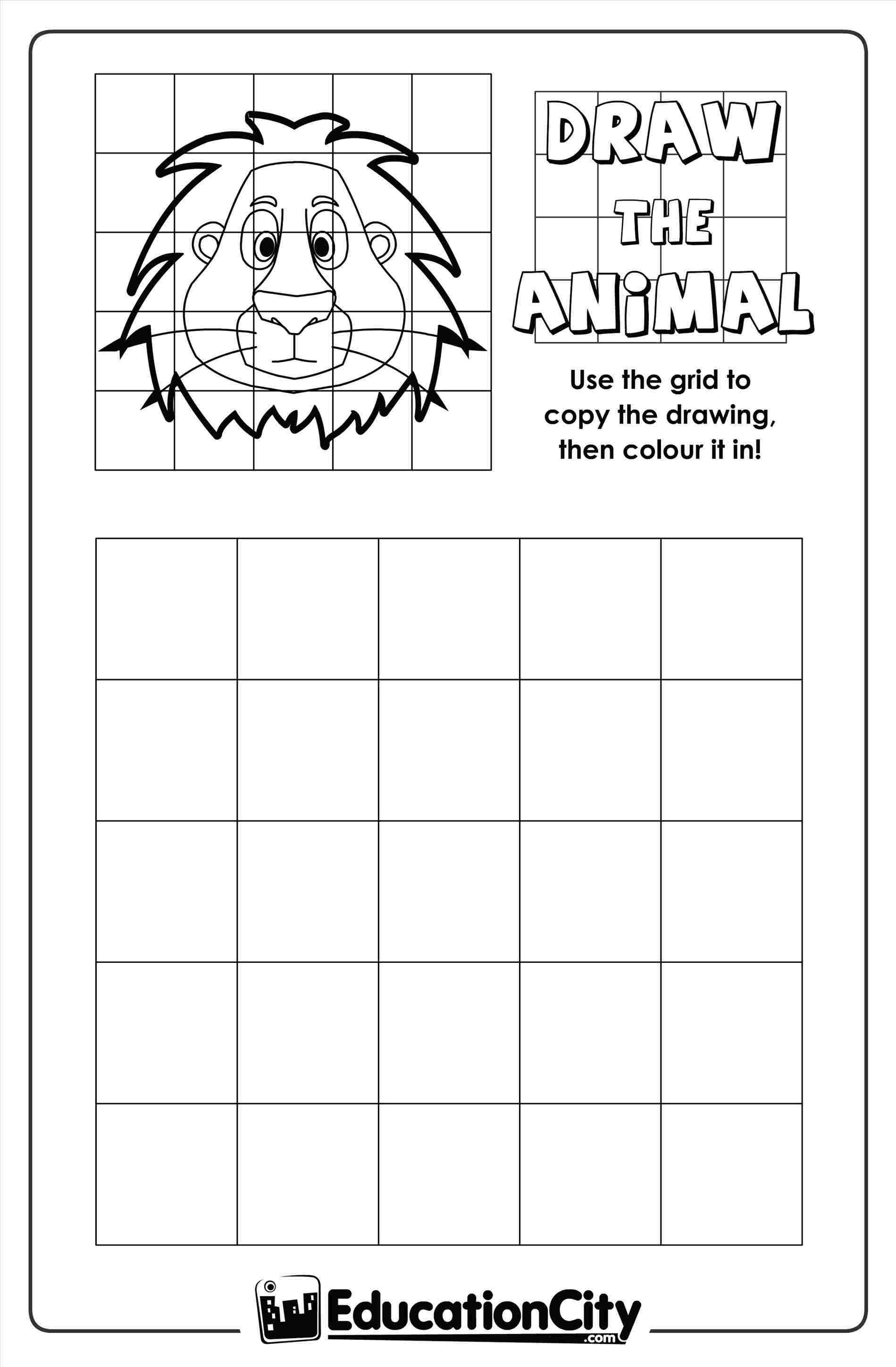
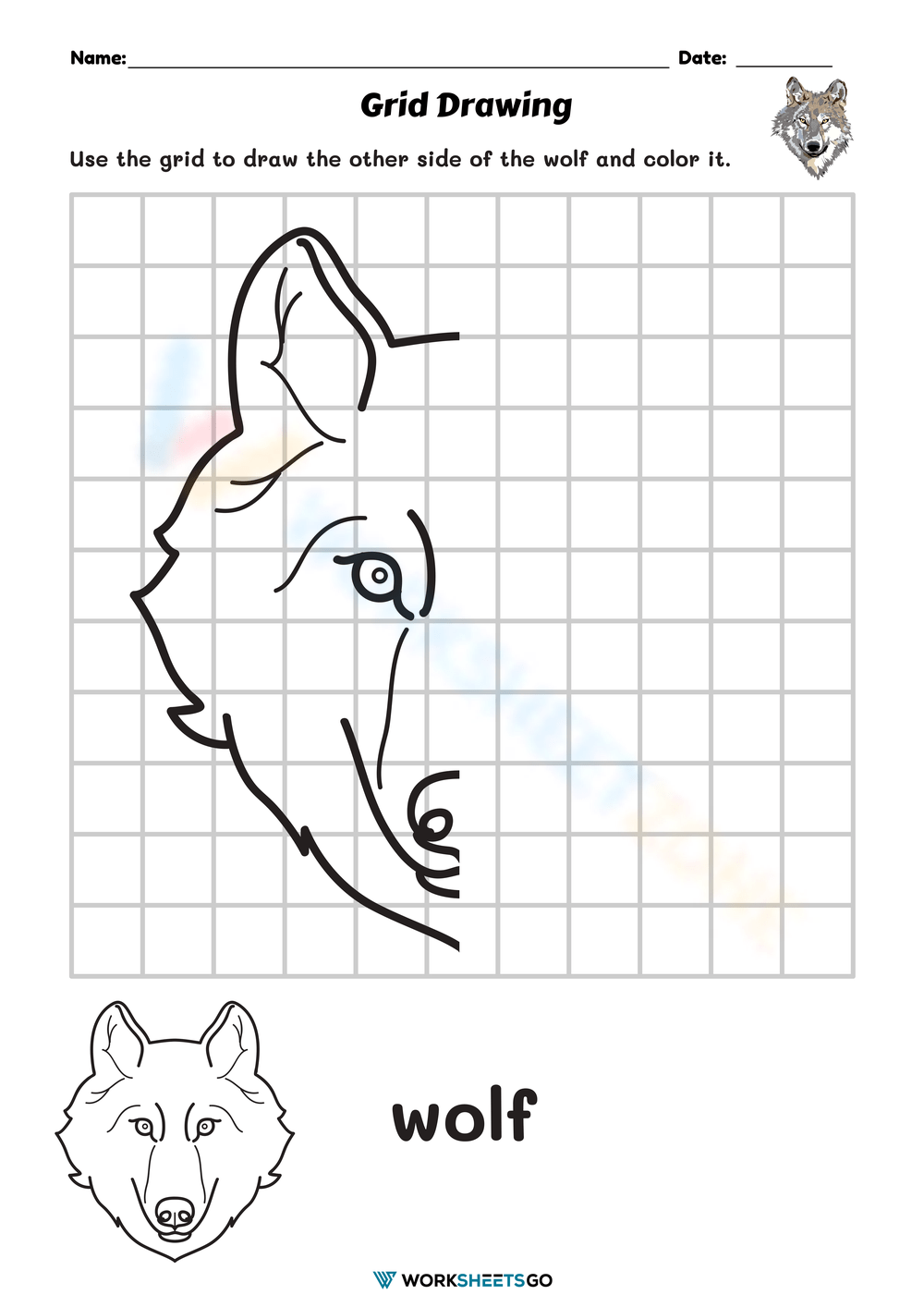
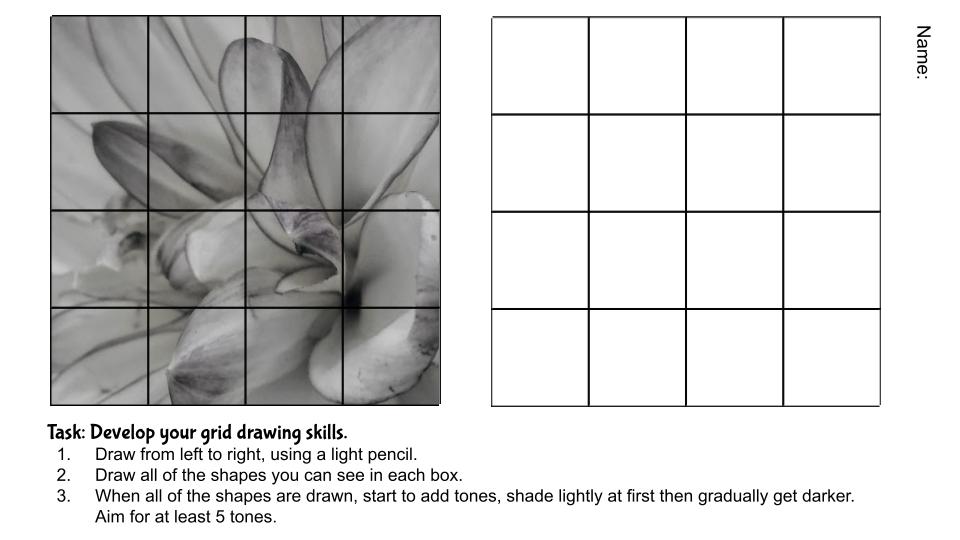
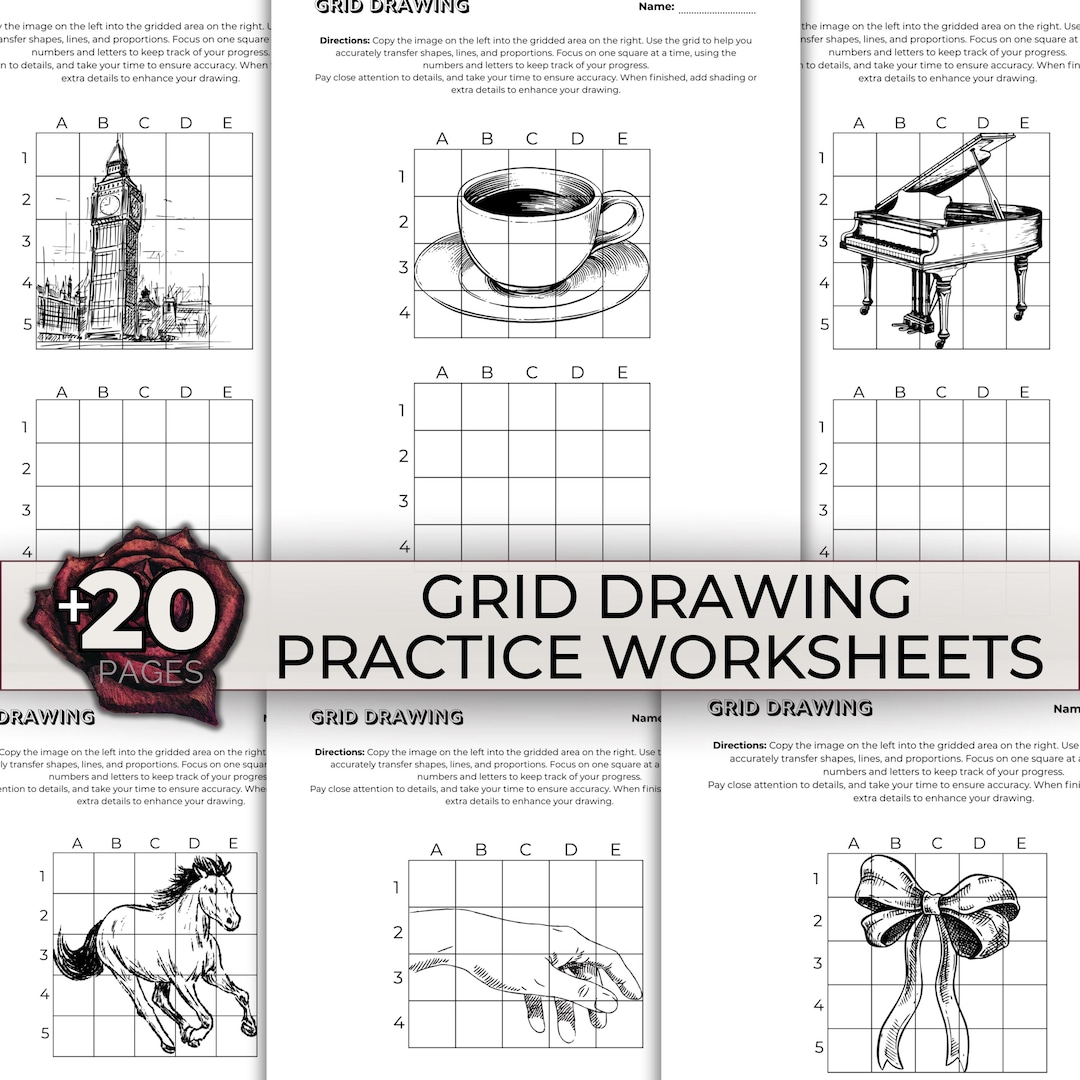
Grid drawing worksheets for high school provide a structured, mathematically sound framework that breaks complex photographic references into manageable spatial coordinates for advanced observational rendering. According to the National Art Education Association (NAEA), systematic visual arts instruction utilizing proportional grids significantly enhances coordinate mapping abilities and manual dexterity among adolescent learners. Utilizing printable grid drawing worksheets alongside real photo visual flashcards bridges technical precision with creative expression. Educators integrate these methods to foster deep cognitive focus, accurate proportion estimation, and systematic breaking down of complex visual information into discrete spatial components.
Visual Learning & Skill Snapshot:
- Core Focus: Grid drawing worksheets for high school develop advanced proportional accuracy and observational fidelity.
- Target Skill: Spatial reasoning, coordinate mapping, fine-motor proportion estimation, and real photo analysis.
- Key Recommendation: Pair high-contrast photo references with varied grid densities to scaffold complex rendering tasks.
Core Principles and Visual Learning Overview
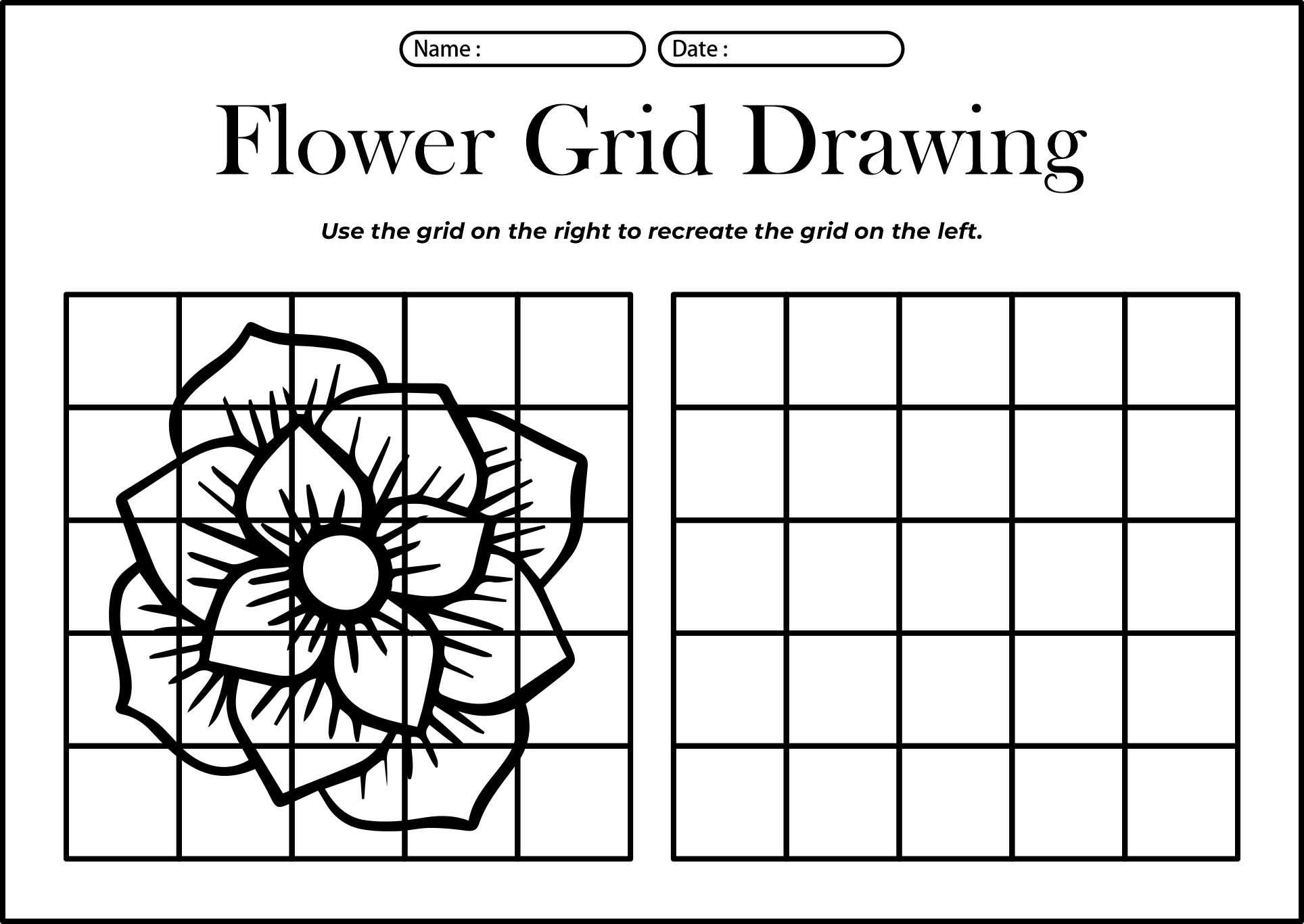
Grid drawing worksheets for high school function by partitioning complex photographic subject matter into isolated geometric squares, training the brain to draw what is actually seen rather than what is assumed to be there. This perceptual shift bypasses symbolic thinking and engages the right hemisphere of the brain for precise spatial measurement. When students align these structured exercises with Grid Drawing tools, visual discrimination improves rapidly. Integrating high-quality Photo Flashcards further reinforces scale translation, as learners must judge negative space, tonal shifts, and contour lines within constrained cell boundaries before executing strokes on paper.
Key Specifications and Breakdown
| Age / Learning Stage | Visual Skill & Grid Ratio | Pedagogical Application & Scaffolding |
|---|---|---|
| Early Childhood (Ages 4-6) | 1-to-1 ratio with 2-inch cells | Focuses on basic shape recognition, directional tracking, and foundational Educational Activities using tactile cards. |
| Middle School (Ages 11-13) | 1-to-2 scaling ratio with 1-inch cells | Introduces proportional scaling, symmetry, and basic contour mapping using simplified photographic subjects. |
| High School (Ages 14-18) | Complex grids with variable ratios (1:2, 1:4) | Demands advanced tonal rendering, intricate contour analysis, perspective correction, and photo-realism. |
Systematic grid division significantly improves coordinate mapping and hand-eye coordination by reducing cognitive overload during complex visual analysis. — National Art Education Association (NAEA). For more related activities, check out our Grid Drawing Worksheet.
Step-by-Step Practical Application and Printing Guidelines
Grid drawing worksheets for high school require precise printing specifications to ensure accurate measurement, exact scaling ratios, and optimal surface durability for heavy media. Educators should print reference images and blank student grids at 100 percent scale without auto-fit scaling distortions that alter proportional squares. High-gsm drawing paper or matte cardstock prevents buckling when students apply graphite shading or ink washes across individual cells. Instructors must verify that coordinate labels (numbers on the horizontal axis and letters on the vertical axis) remain clearly visible after printing to prevent navigational errors during detailed observational drawing sessions.
Common Challenges and How to Avoid Them
Grid drawing worksheets for high school often present challenges when students focus excessively on individual cells while losing sight of the overarching gestalt composition. Instructors should encourage learners to periodically step back from the paper and cross-reference multiple surrounding squares to maintain global proportion. Another common hurdle involves heavy, rigid line-making that is difficult to erase; educators must emphasize light preliminary sketching for grid intersections before applying final tonal values. Providing varied photo subjects ensures that students transition smoothly from mechanical copying to intuitive observation.
💬 Frequently Asked Questions
Explore More Free Learning Printables and Visual Activities on WePhotoAgency
Empowering students with rigorous visual arts materials transforms technical drawing practice into an engaging, confidence-building journey. Discover an extensive collection of printables, flashcards, and pedagogical guides by visiting the main hub at WePhotoAgency.com to support learners at every developmental stage.
Visual Reference Gallery