Introduction
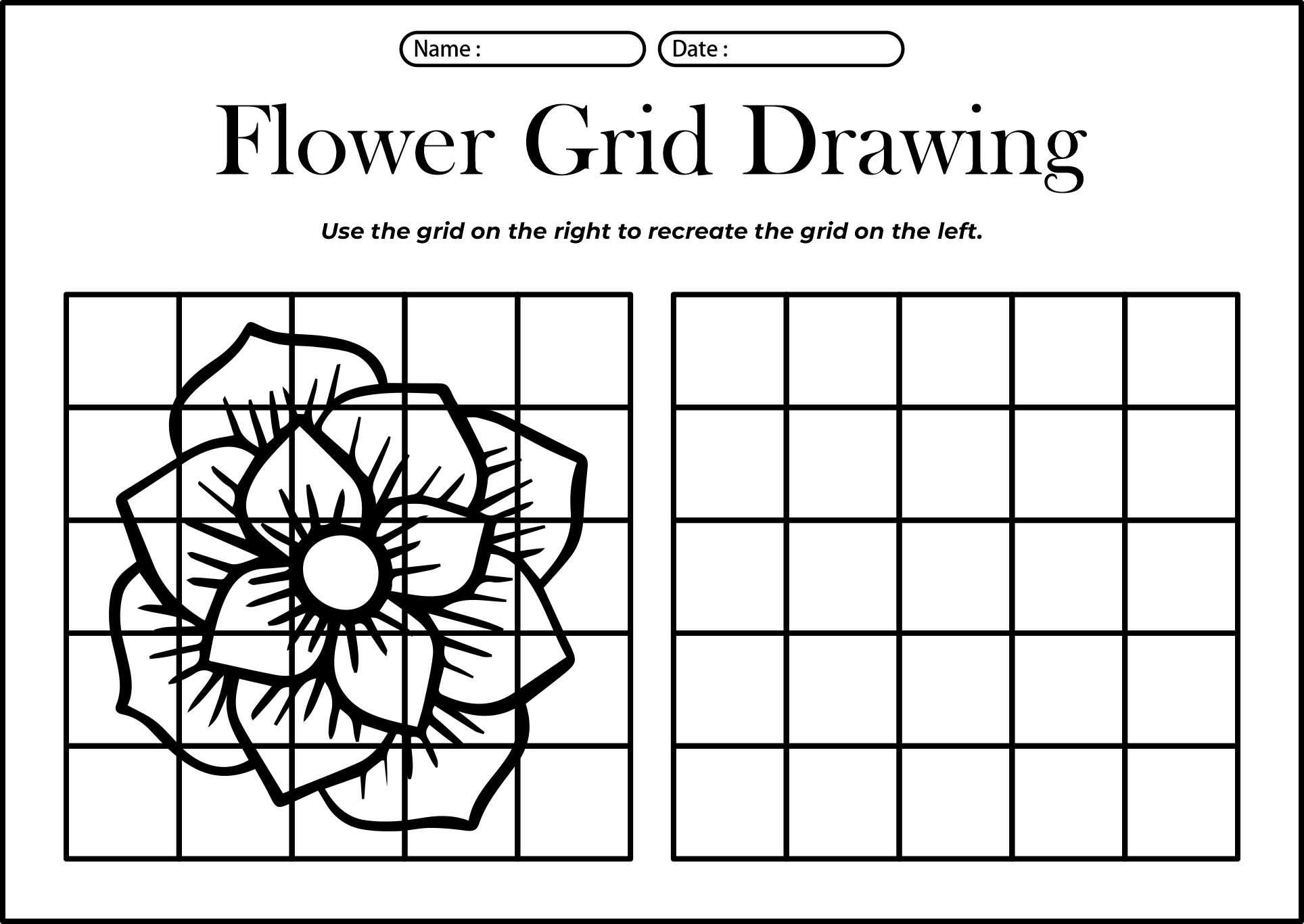
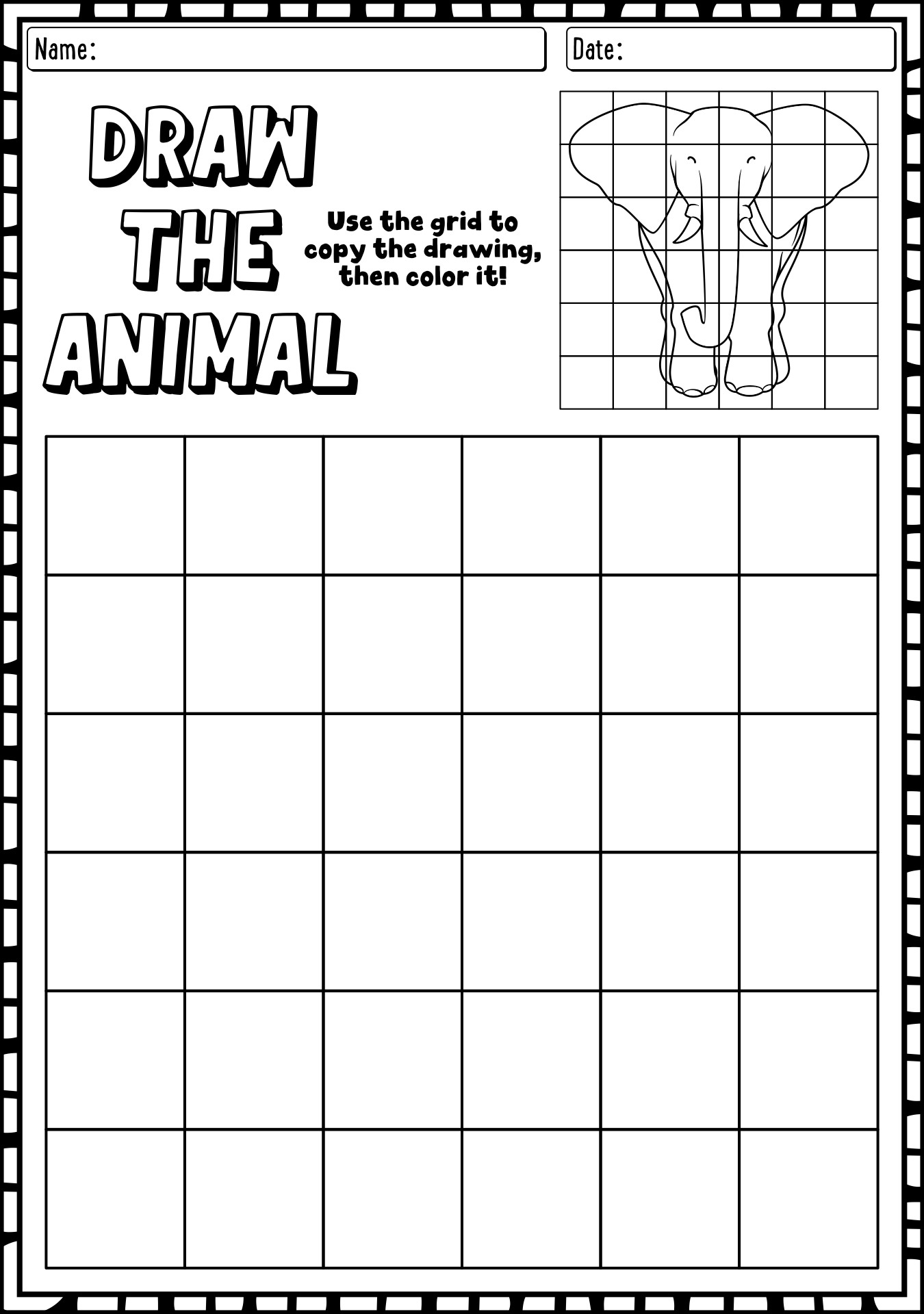
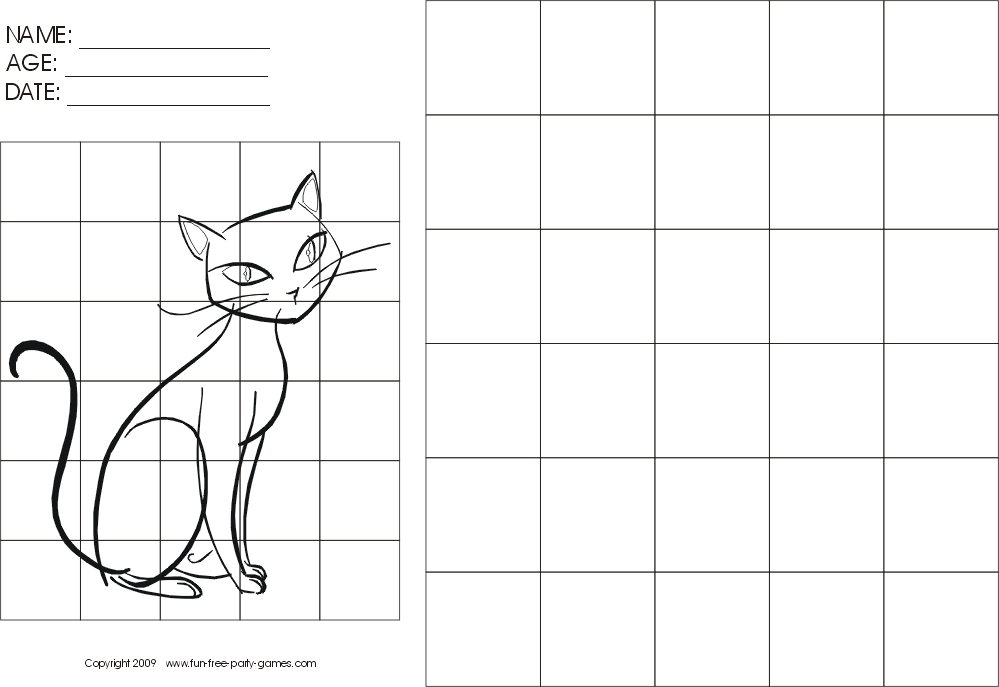
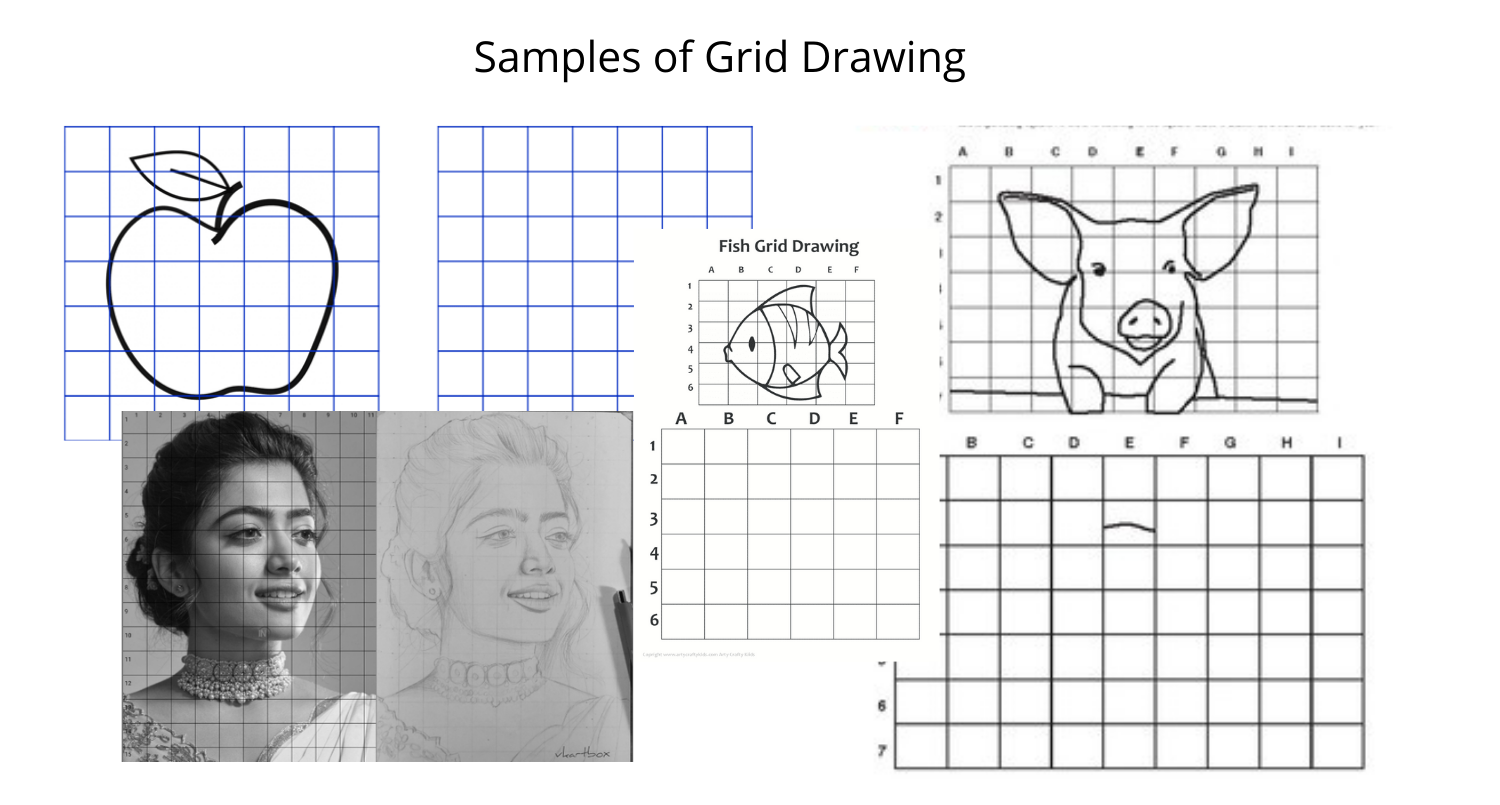
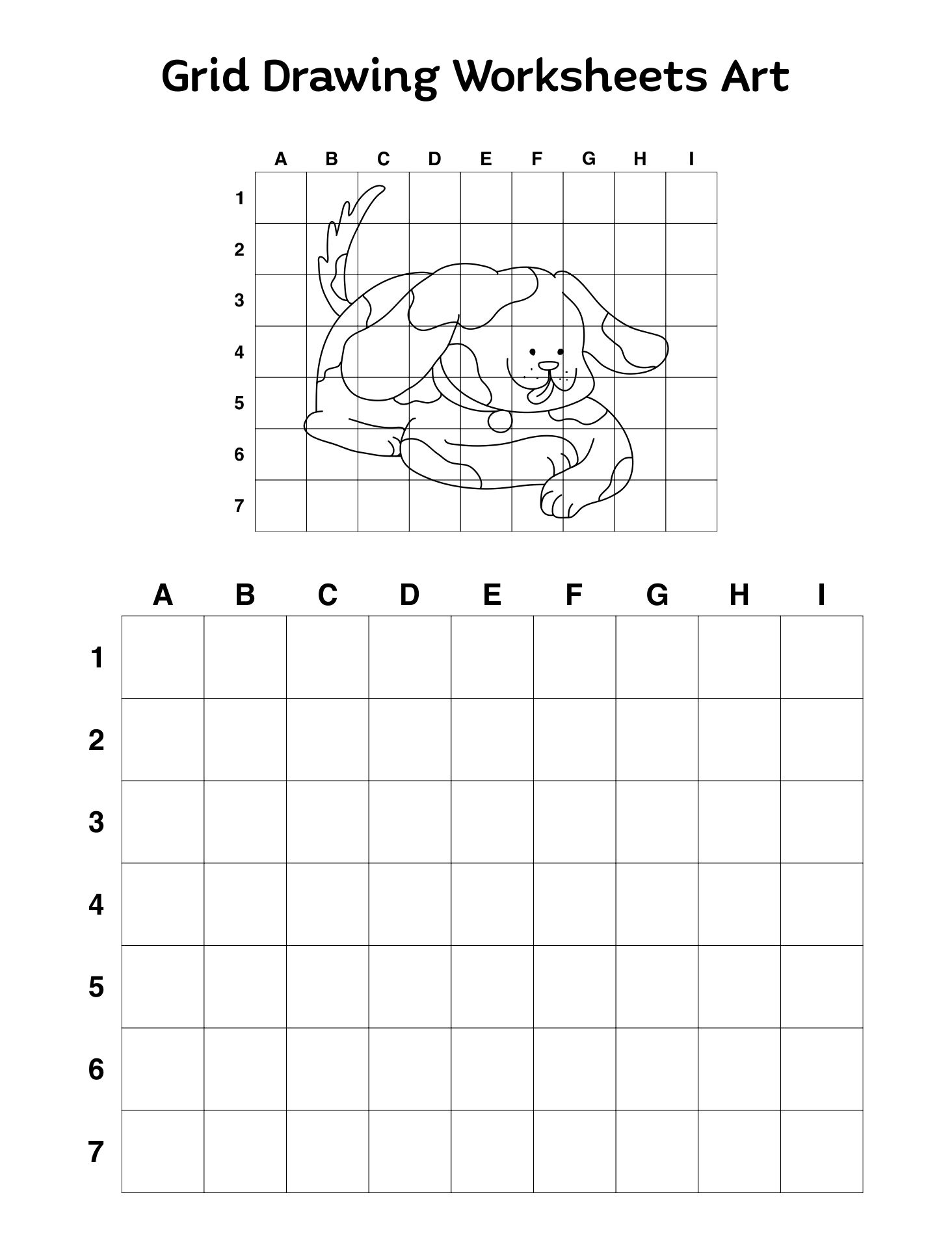
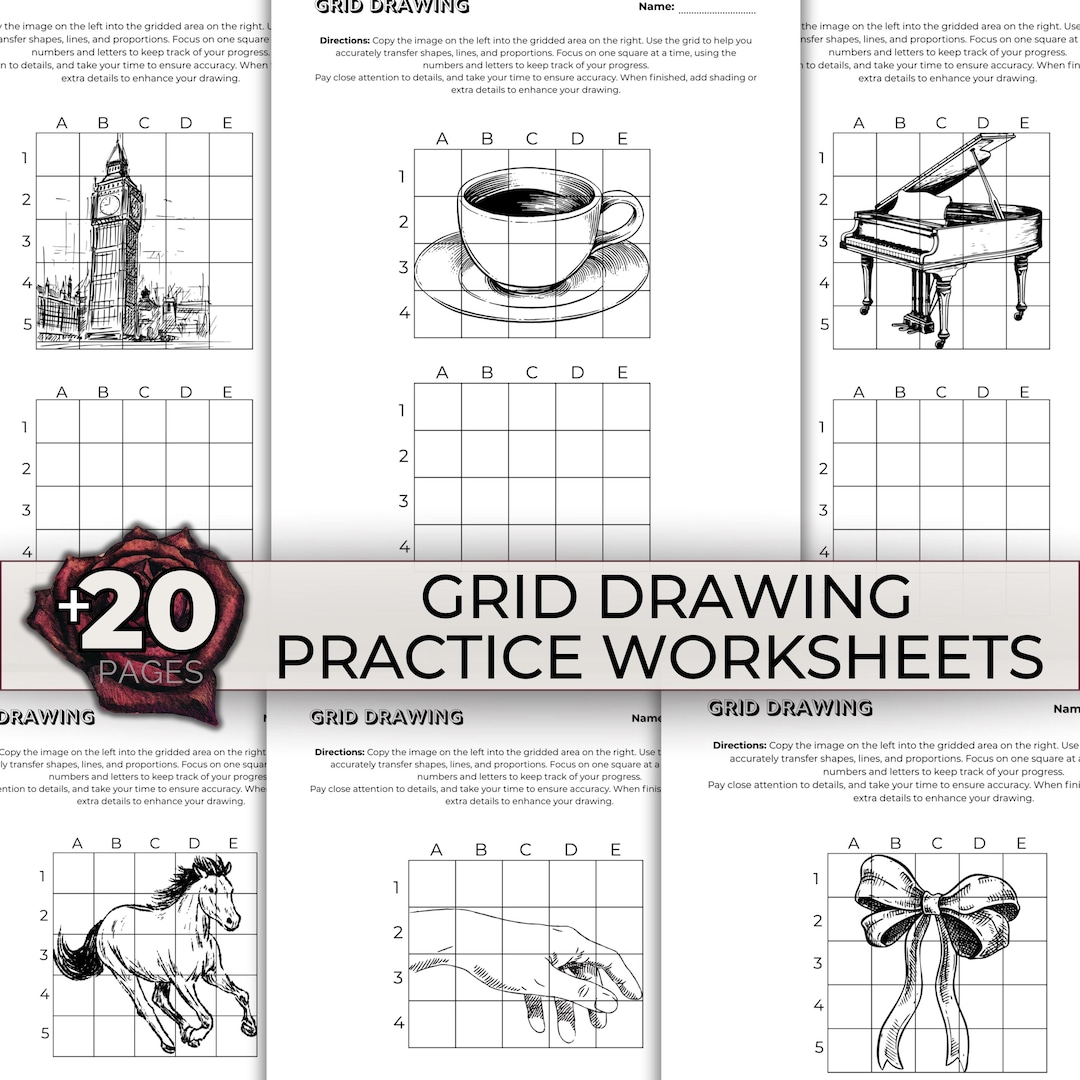
A grid drawing web is a structured instructional framework that divides complex photographic images into smaller, manageable coordinate squares to systematically teach children proportion, spatial awareness, and observational drawing. According to the National Art Education Association (NAEA), structured observational drawing techniques significantly enhance visual literacy, fine-motor coordination, and spatial reasoning in early elementary learners. By breaking continuous visual stimuli down into localized grid intersections, educators help young students bridge the cognitive gap between abstract visual perception and concrete motor execution. Integrating tools like Grid Drawing worksheets allows children to decode real-world imagery systematically, reducing cognitive overload and transforming intimidating drawing tasks into achievable geometric puzzles.
Visual Learning & Skill Snapshot:
- Core Focus: Utilizing segmented coordinate grids to break down complex photographic subjects for accurate proportion replication.
- Target Skill: Spatial reasoning, visual discrimination, fine-motor proportion control, and analytical observation.
- Key Recommendation: Pair high-contrast reference images with simplified 3×3 or 4×4 printable grids for early beginner success.
Core Principles and Visual Learning Overview
Spatial translation relies on the brain’s ability to isolate local visual data from global distractions, a neurological function heavily supported by systematic grid partitioning. When children engage with a grid drawing web, they learn to analyze individual squares rather than attempting to render an entire complex object simultaneously. This targeted isolation fosters critical thinking, as learners must judge line angles, negative space, and line lengths relative to specific horizontal and vertical axes. Combining these structured drawing exercises with Photo Flashcards creates a robust multisensory learning environment where real-world objects are first studied in isolation and then translated onto paper through proportional mapping. Educators can scaffold this process across different developmental stages by adjusting grid density and photographic complexity to match the evolving perceptual capabilities of young students.
Key Specifications and Breakdown
| Age / Learning Stage | Visual Skill & Grid Ratio | Pedagogical Application & Scaffolding |
|---|---|---|
| Ages 4–6 (Early Beginners) | 3×3 grid with bold, thick reference outlines | Focuses on simple animal and nature subjects, emphasizing basic shape recognition within isolated coordinates. |
| Ages 7–9 (Intermediate Learners) | 4×4 or 5×5 grid with standard line weights | Targets fine-motor precision, angle estimation, and proportion matching using real-world photography. |
| Ages 10+ (Advanced Practice) | 6×6+ coordinate web with minimal line contrast | Enhances complex perspective drawing, intricate details, and independent error checking without adult intervention. |
Structured visual frameworks reduce cognitive load by transforming holistic pattern recognition into manageable, sequential motor tasks. — National Art Education Association (NAEA)
Step-by-Step Practical Application and Printing Guidelines
Successful implementation of grid drawing web activities requires high-contrast printing, clean layout hierarchy, and consistent scaling between the reference card and the working sheet. Educators should print clear photographic reference sheets alongside matching blank grid templates, ensuring that coordinate lines are sharp and visible without overpowering the image content. Instruct learners to start at the top-left coordinate square, identifying specific anchor points where lines intersect the grid borders before sketching. Implementing structured Educational Activities alongside these printouts ensures that children maintain engagement while building essential hand-eye coordination. Teachers should encourage soft pencil strokes initially so that young artists can easily adjust proportions before finalizing their lines with markers or colored pencils.
Common Challenges and How to Avoid Them
Children frequently struggle with grid drawing web exercises when they attempt to draw entire objects across multiple squares without verifying specific coordinate anchor points. To prevent frustration, instructors should teach learners to isolate one single square at a time, using a paper mask or viewfinder to block out surrounding visual distractions. Another common hurdle involves proportion distortion caused by mismatched aspect ratios between the reference photo and the drawing canvas. Ensuring that both the master photograph and the student worksheet utilize identical square dimensions eliminates scaling confusion and fosters accurate observational habits.
💬 Frequently Asked Questions
Explore More Free Learning Printables and Visual Activities on WePhotoAgency
Expanding a child’s creative toolkit is simple with the extensive collection of educational resources available across the platform. Discover a wide variety of printable templates, structured drawing guides, and visual learning aids by visiting the primary hub at WePhotoAgency.com to support continuous skill development at home or in the classroom.
Visual Reference Gallery