Introduction
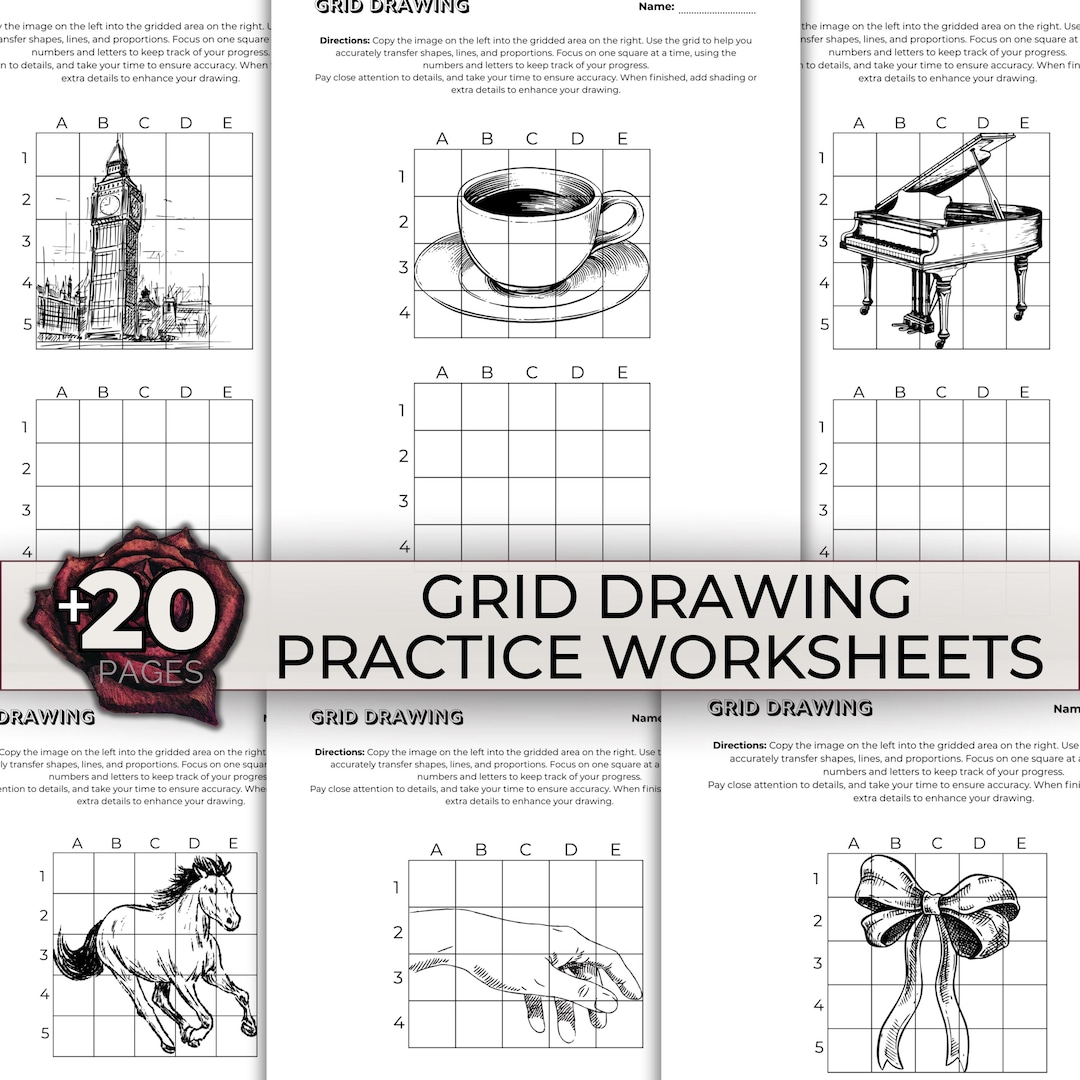
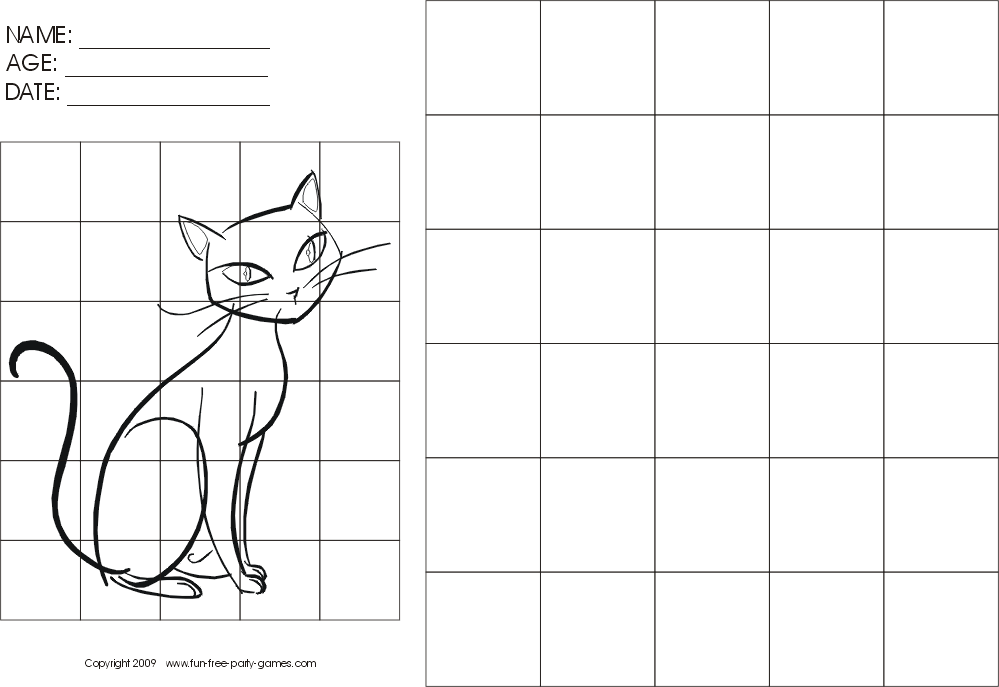
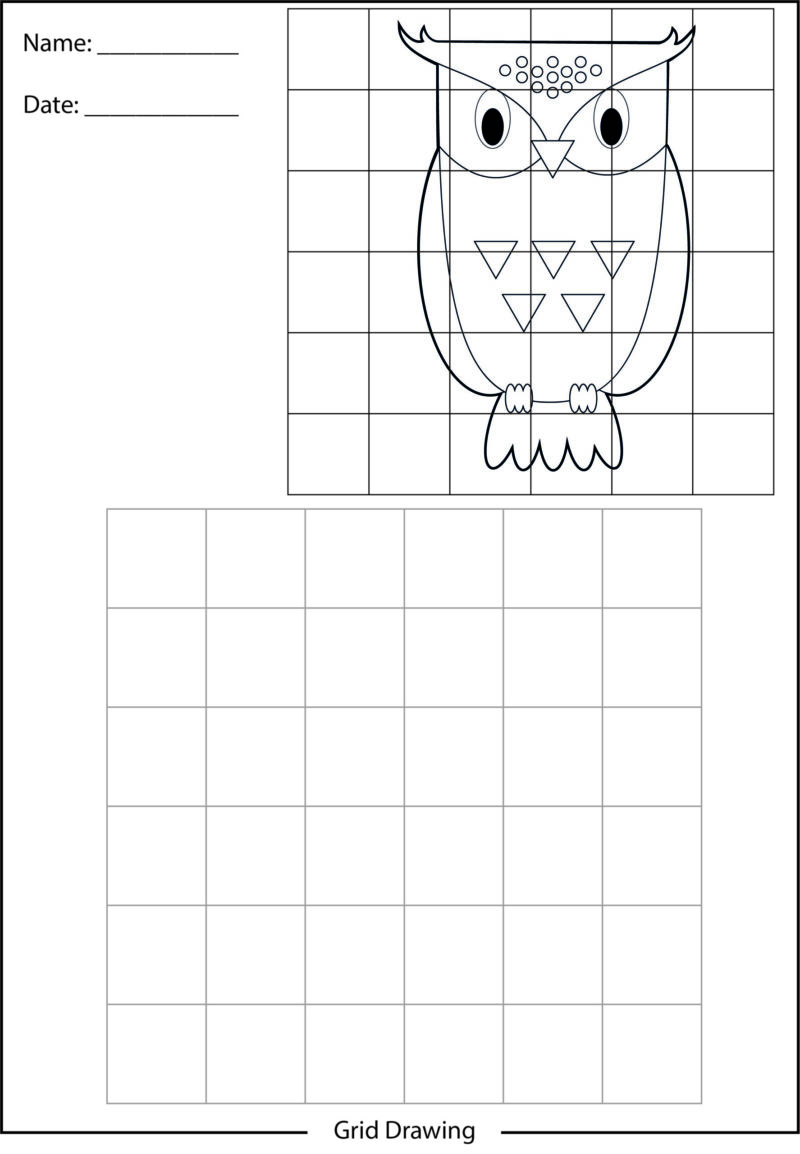
A grid drawing handout is a specialized printable educational worksheet that divides photographic reference material and blank drawing boxes into coordinated coordinate squares to systematically develop early childhood spatial awareness and proportional accuracy. According to the National Art Education Association (NAEA), structured observational drawing activities significantly enhance fine-motor coordination, visual discrimination, and cognitive mapping abilities in young learners. Utilizing these physical worksheets alongside Photo Flashcards transforms complex visual subjects into manageable, bite-sized geometric components that children can easily interpret, measure, and replicate.
Visual Learning & Skill Snapshot:
- Core Focus: Printable grid coordination worksheets designed for systematic proportion scaling.
- Target Skill: Spatial reasoning, visual discrimination, fine-motor proportion, and photo-based concept mastery.
- Key Recommendation: Pair high-contrast real photographic references with simple 2×2 or 3×3 grids for early learners before progressing to complex multi-box formats.
Core Principles and Visual Learning Overview
Proportional grid division breaks down the overwhelming visual data of a real-world picture into isolated coordinate segments, allowing children to focus exclusively on lines, shapes, and angles within a single square. This foundational art technique bypasses intuitive guessing by teaching students to look at negative space, line intersections, and grid boundaries rather than the holistic object itself. When integrated with diverse Educational Activities, systematic grid scaling strengthens executive functioning, sustained attention, and critical hand-eye calibration essential for early literacy and mathematical graph comprehension.
Key Specifications and Breakdown
| Age / Learning Stage | Visual Skill & Grid Ratio | Pedagogical Application & Scaffolding |
|---|---|---|
| Ages 4–5 (Early Kindergarten) | 2×2 Grid with Bold Real Photos | Focuses on basic quadrant location, tracking lines from reference to paper, and building pencil grip strength. |
| Ages 6–7 (Early Elementary) | 3×3 Grid with Complex Shapes | Teaches angle estimation, proportion scaling, and detailed line alignment using clear visual checkpoints. |
| Ages 8+ (Advanced Practice) | 4×4 Grid with High-Detail Images | Challenges spatial memory, coordinate mapping, and precision shading based on realistic photographic tonal values. |
Visual-spatial training through structured coordinate drawing supports geometric reasoning and mental rotation capacities in young learners. — National Art Education Association (NAEA)
Step-by-Step Practical Application and Printing Guidelines
Effective implementation of a Grid Drawing exercise requires printing high-resolution photographic worksheets on sturdy cardstock to withstand repeated erasing and pencil pressure. Educators should instruct children to label columns with letters (A, B, C) and rows with numbers (1, 2, 3) to establish a clear mental coordinate system. Begin by covering all squares except the top-left quadrant using a blank index card, minimizing visual clutter and encouraging isolated observation of lines before expanding across the entire grid surface.
Common Challenges and How to Avoid Them
Young learners frequently struggle with losing their place across the coordinate matrix or attempting to draw the entire image at once instead of focusing on one square at a time. To prevent frustration, instructors should ensure that initial printable handouts feature clear, high-contrast photographic subjects with distinct outlines rather than subtle, low-contrast gradients. Guiding children to check where lines intersect the grid borders provides a reliable geometric anchor that keeps proportions accurate from the reference image to the final student creation.
💬 Frequently Asked Questions
Explore More Free Learning Printables and Visual Activities on WePhotoAgency
Expanding early childhood art curricula is effortless when utilizing the extensive collection of printable resources, structured learning worksheets, and visual exercises available directly through WePhotoAgency.com. Educators, parents, and homeschoolers can access a vast library designed to foster fine-motor mastery, cognitive development, and creative confidence across all early learning stages.
Visual Reference Gallery