Introduction
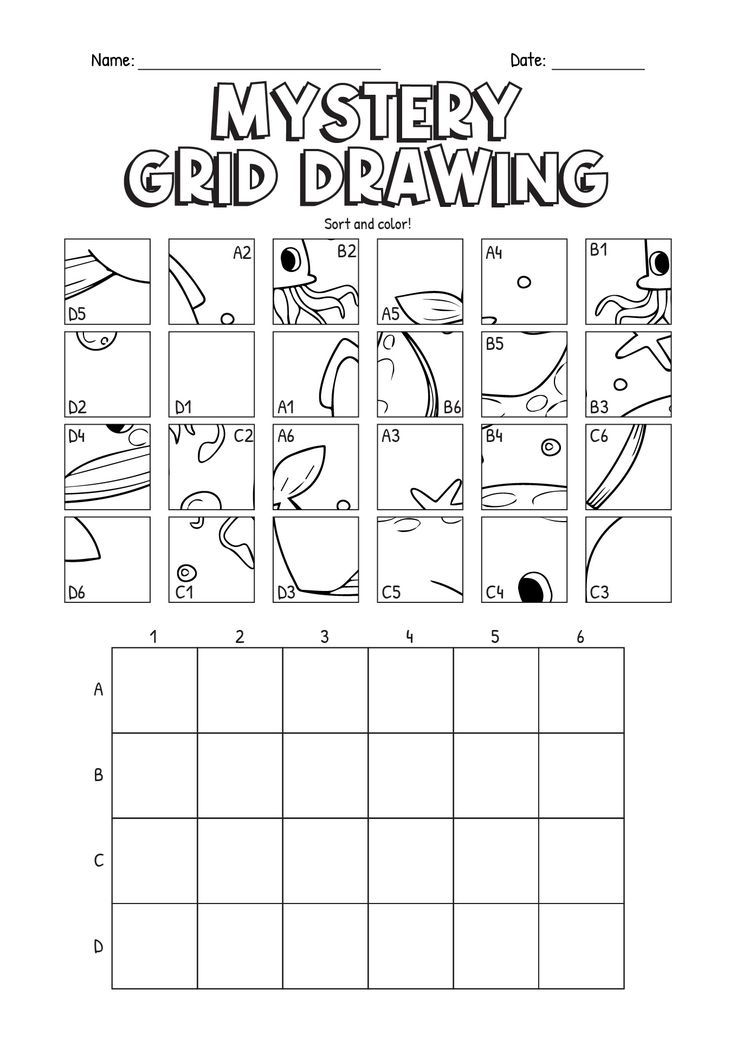
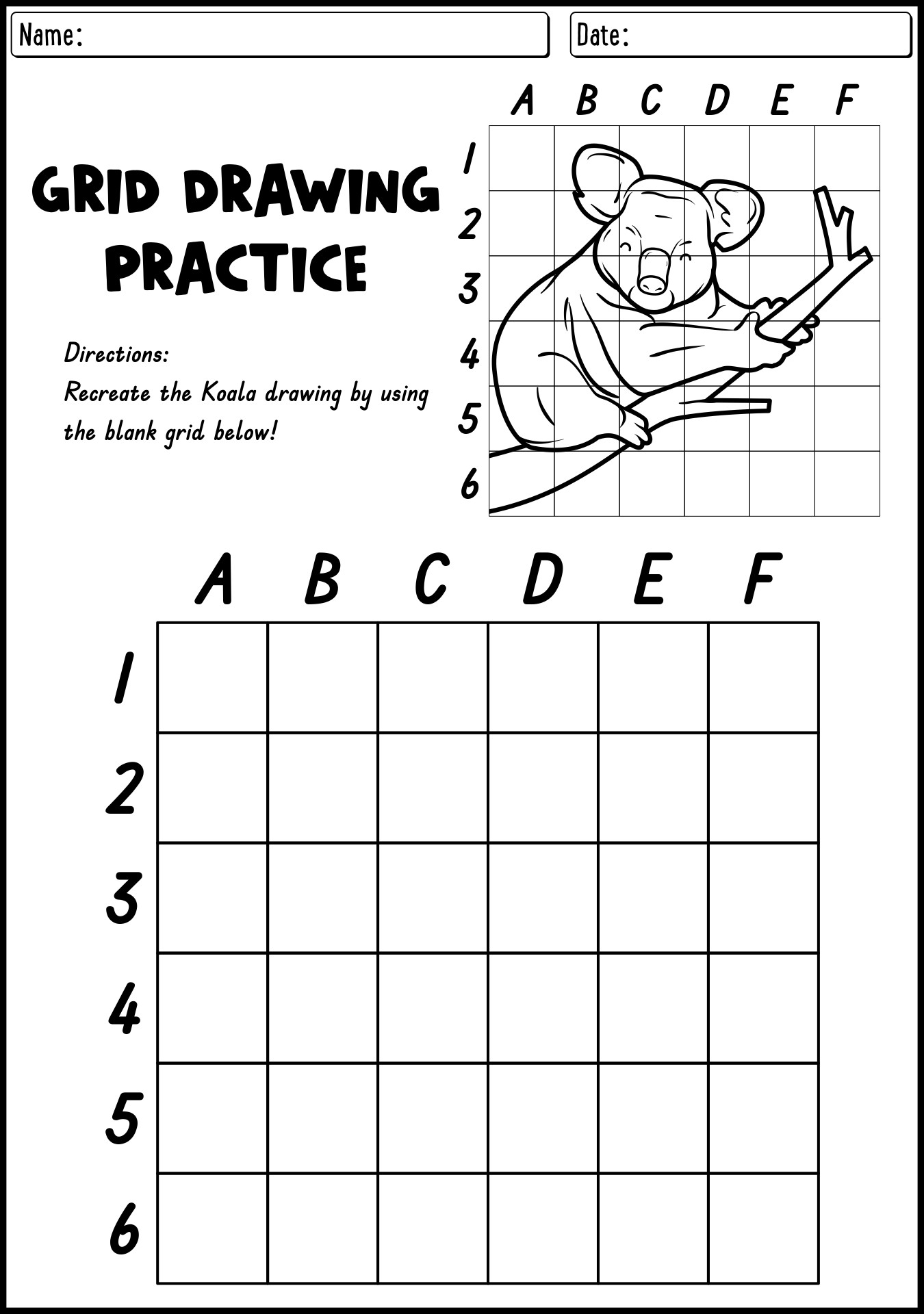
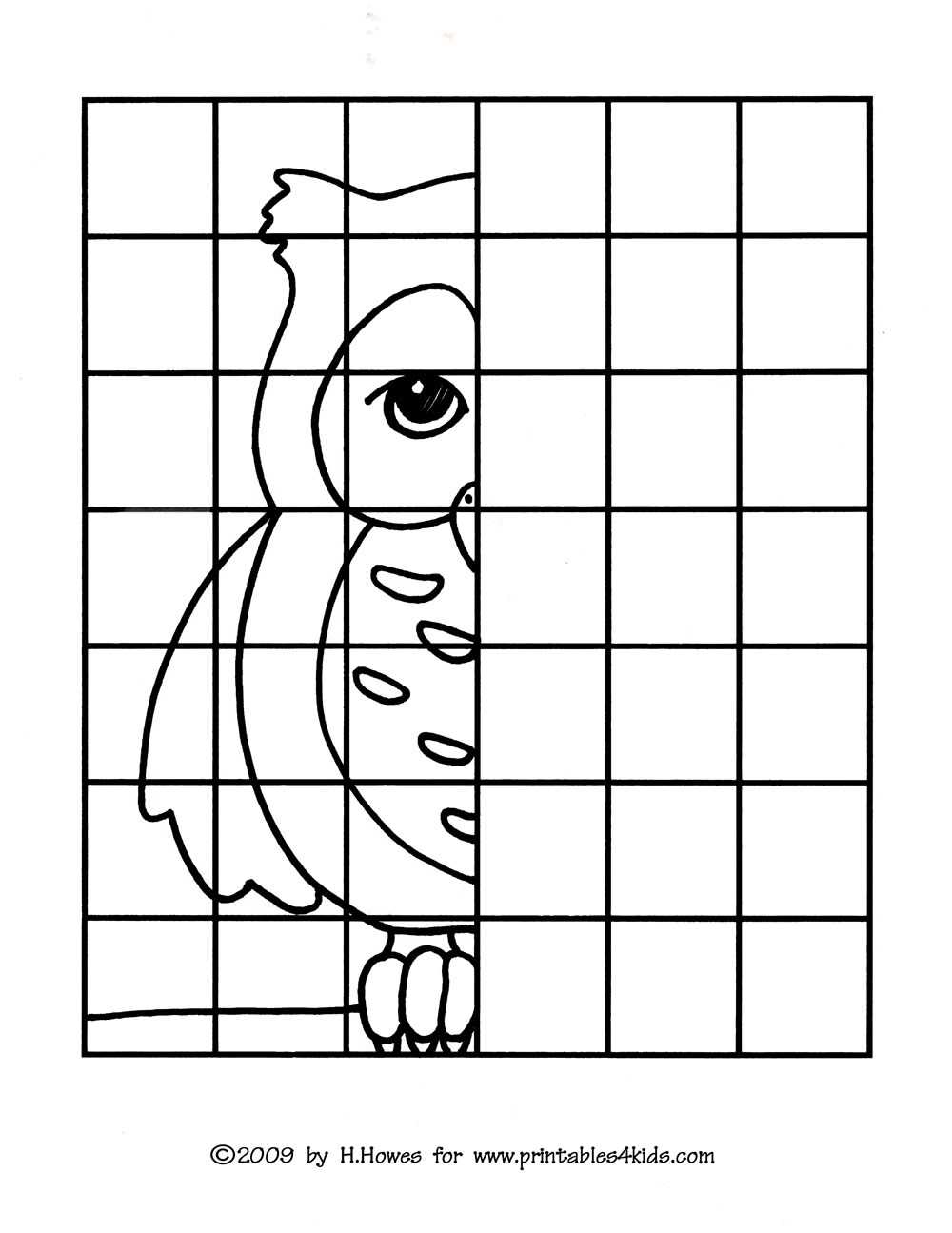
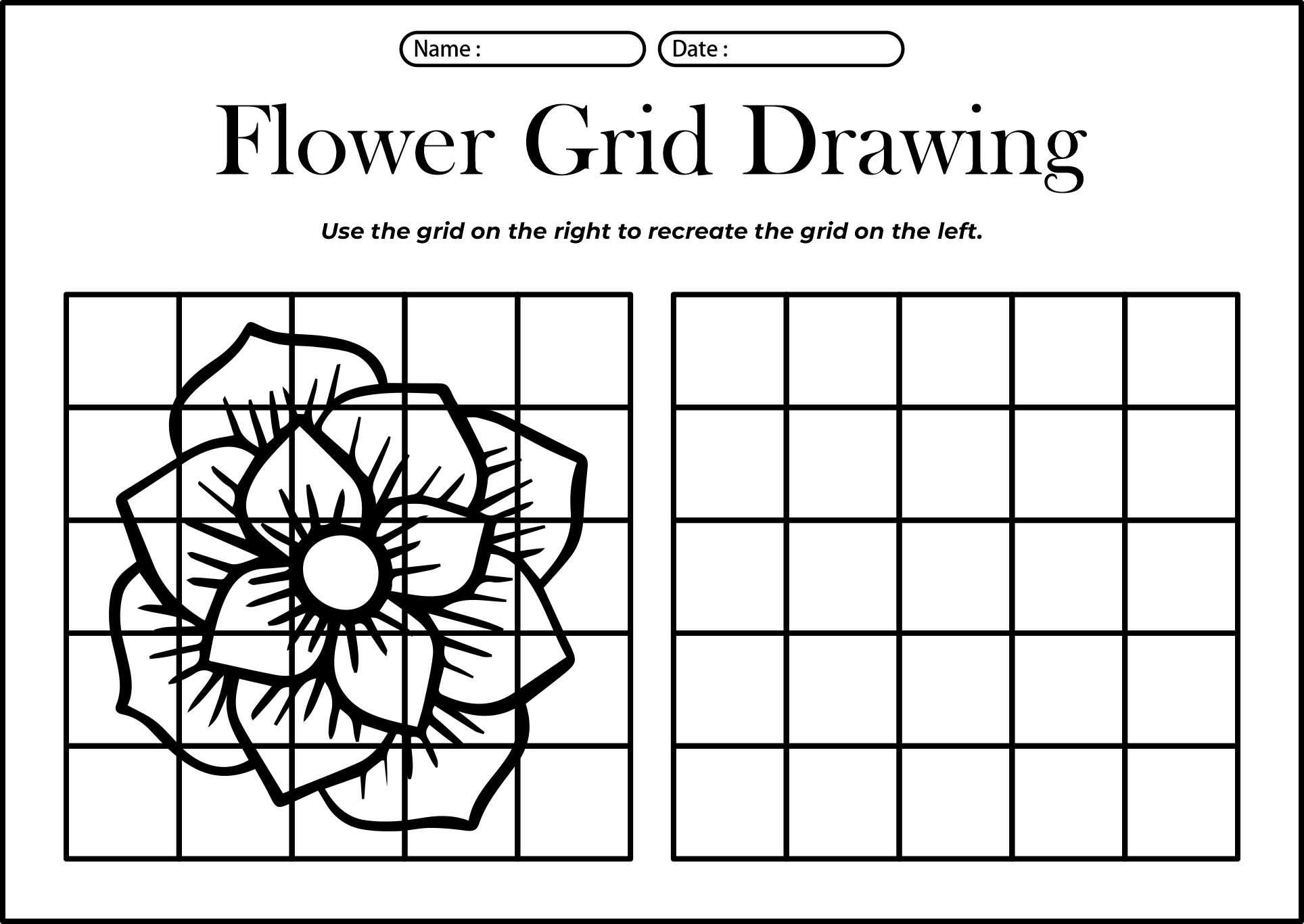
Grid drawing for middle school functions as an essential instructional bridge that translates complex visual information into manageable spatial coordinates for adolescent learners. According to the National Art Education Association (NAEA), structured observational drawing techniques systematically enhance students’ perceptual accuracy, cognitive mapping, and fine-motor control by breaking composite shapes into isolated geometric cells. By leveraging printable Grid Drawing templates alongside real photo visual flashcards, educators and homeschooling parents equip children with robust tools to decode complex imagery, refine proportion estimation, and master realistic rendering.
Visual Learning & Skill Snapshot:
- Core Focus: Systematic coordinate mapping to teach scale, proportion, and visual observation during adolescence.
- Target Skill: Spatial reasoning, visual discrimination, fine-motor proportion, and photo-based concept mastery.
- Key Recommendation: Pair high-contrast photo references with balanced 4×4 or 6×6 printable grids to maintain manageable cognitive loads.
Core Principles and Visual Learning Overview
Grid drawing for middle school relies on the neurological principle of perceptual shifting, where learners bypass symbolic thinking by focusing strictly on line, negative space, and coordinate alignment within isolated squares. When students utilize real Photo Flashcards as reference stimuli, cognitive processing shifts from drawing what the brain assumes an object looks like to recording exact visual data observed within each individual grid cell. This methodology reinforces mathematical concepts such as Cartesian coordinates, scaling ratios, and geometric symmetry while directly supporting tactile Educational Activities designed for upper-elementary and early secondary classrooms.
Key Specifications and Breakdown
| Age / Learning Stage | Visual Skill & Grid Ratio | Pedagogical Application & Scaffolding |
|---|---|---|
| Early Transition (Ages 9-10) | Basic 3×3 or 4×4 grids with high-contrast photographic subjects | Focuses on simple shape identification, boundary alignment, and foundational hand-eye coordination. |
| Middle School Core (Ages 11-13) | Standard 6×6 or 8×8 grids with detailed texture references | Develops advanced proportion estimation, tonal shading transfer, and precise coordinate tracking. |
| Advanced Mastery (Ages 14+) | Custom scaled grids and inverted reference matrices | Cultivates independent artistic independence, master-copy analysis, and freehand scaling transitions. |
Systematic grid replication directly strengthens visuospatial working memory and analytical observation skills in developing adolescents. — National Art Education Association (NAEA)
Step-by-Step Practical Application and Printing Guidelines
Grid drawing for middle school is most effectively deployed when educators print identical grid overlays onto both the reference photograph and the blank drawing worksheet to ensure seamless one-to-one or scaled proportion transfer. Instructors should begin by guiding students to number horizontal rows and letter vertical columns, establishing a clear Cartesian navigation system before pencil touches paper. Emphasizing top-to-bottom, left-to-right cell completion prevents visual overwhelm, while using heavy-weight cardstock for printable worksheets ensures durability against repeated erasing and shading adjustments.
Common Challenges and How to Avoid Them
Grid drawing for middle school often presents obstacles when students attempt to render entire objects at once rather than isolating single-cell intersections line by line. To prevent proportion distortion and cognitive fatigue, instructors must encourage learners to block out primary contour lines across multiple adjacent grid squares before adding fine details or shading. Furthermore, utilizing high-clarity photographic references eliminates ambiguous shadows, ensuring students can easily interpret line directions and negative spaces.
💬 Frequently Asked Questions
Explore More Free Learning Printables and Visual Activities on WePhotoAgency
Educators and families seeking to expand their visual arts curriculum can explore an extensive collection of instructional resources, printable worksheets, and creative templates by visiting WePhotoAgency.com. Integrating structured drawing exercises into daily lesson plans empowers students to build lasting confidence, precision, and cognitive fluency across all academic disciplines.
Visual Reference Gallery