Introduction
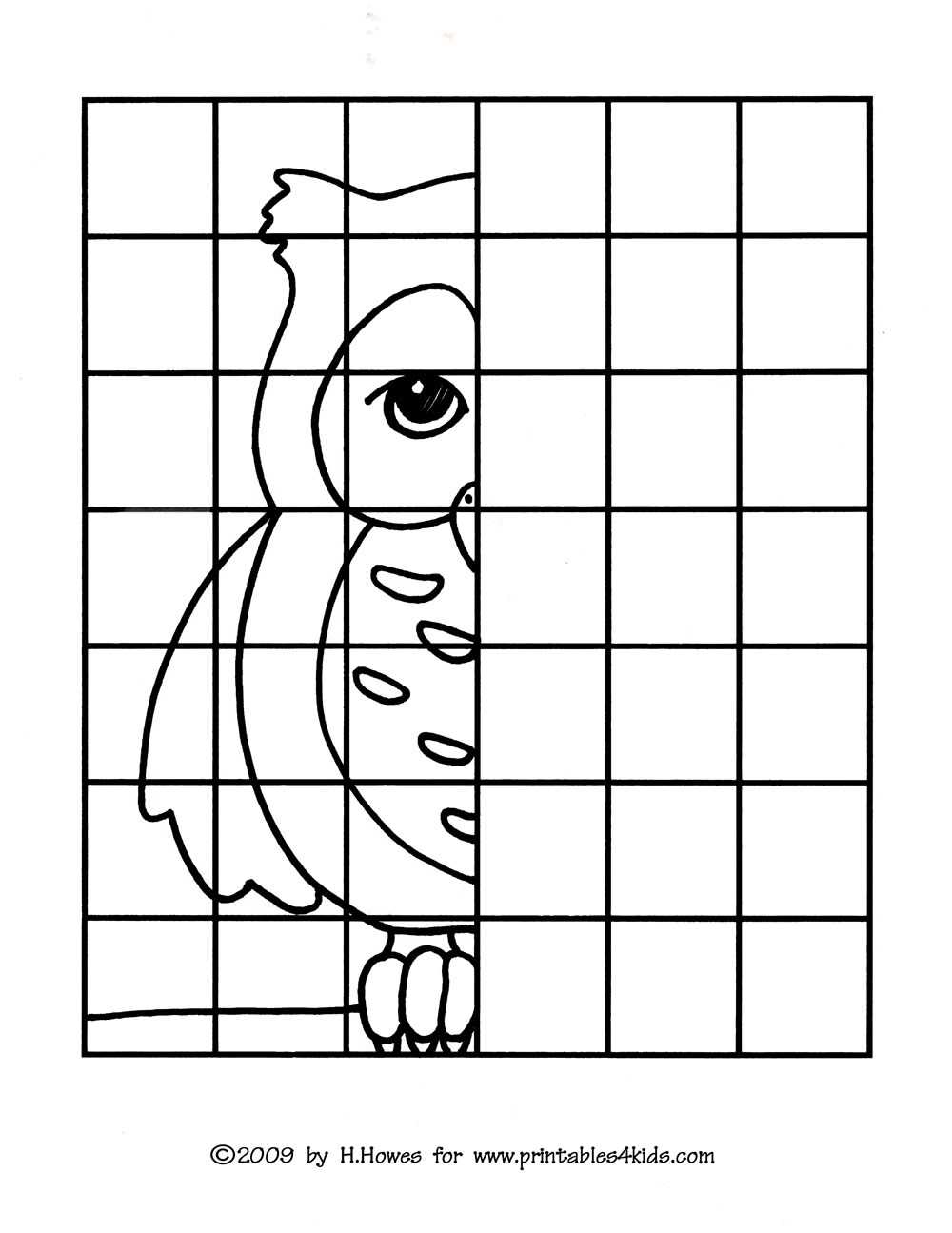
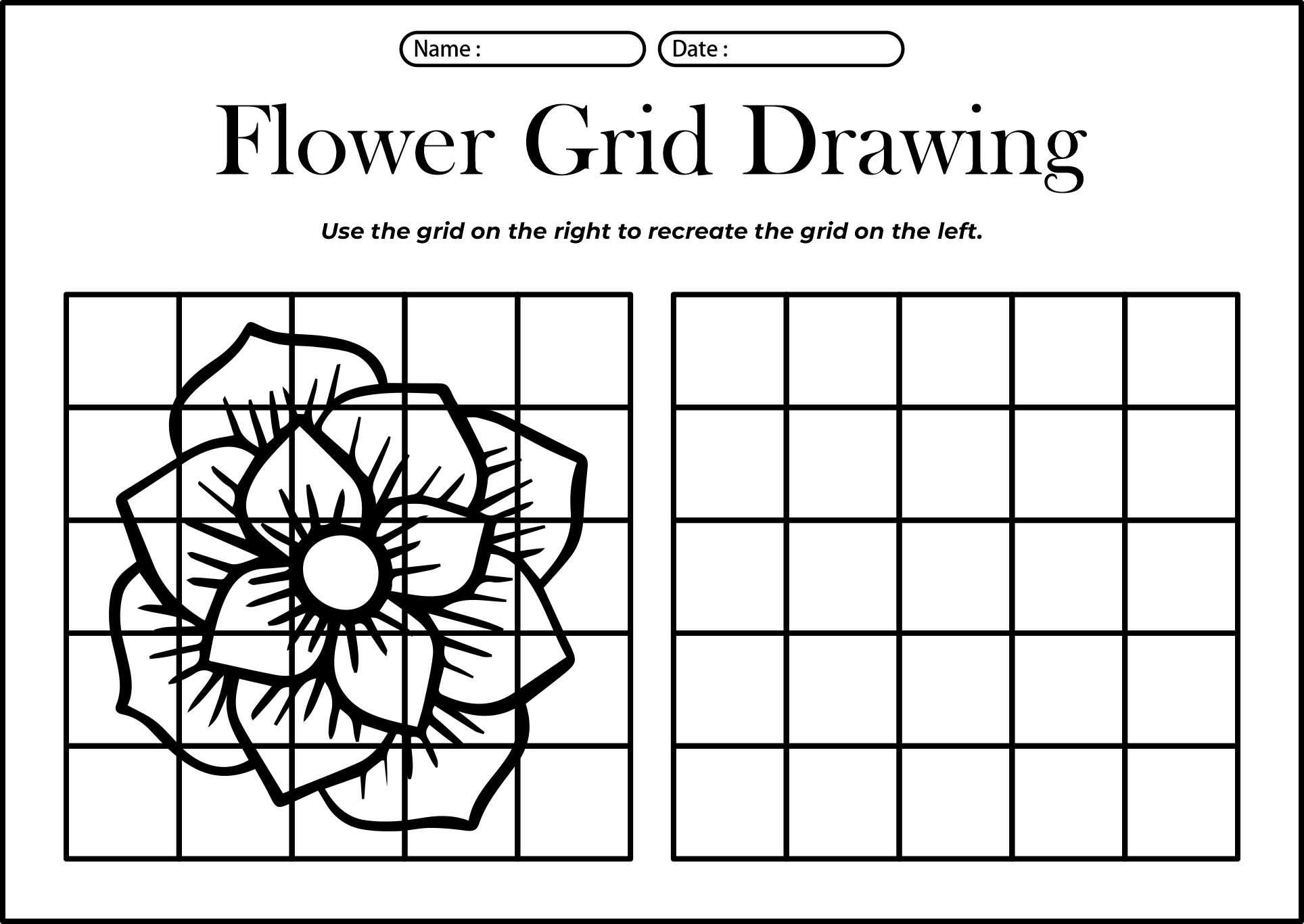
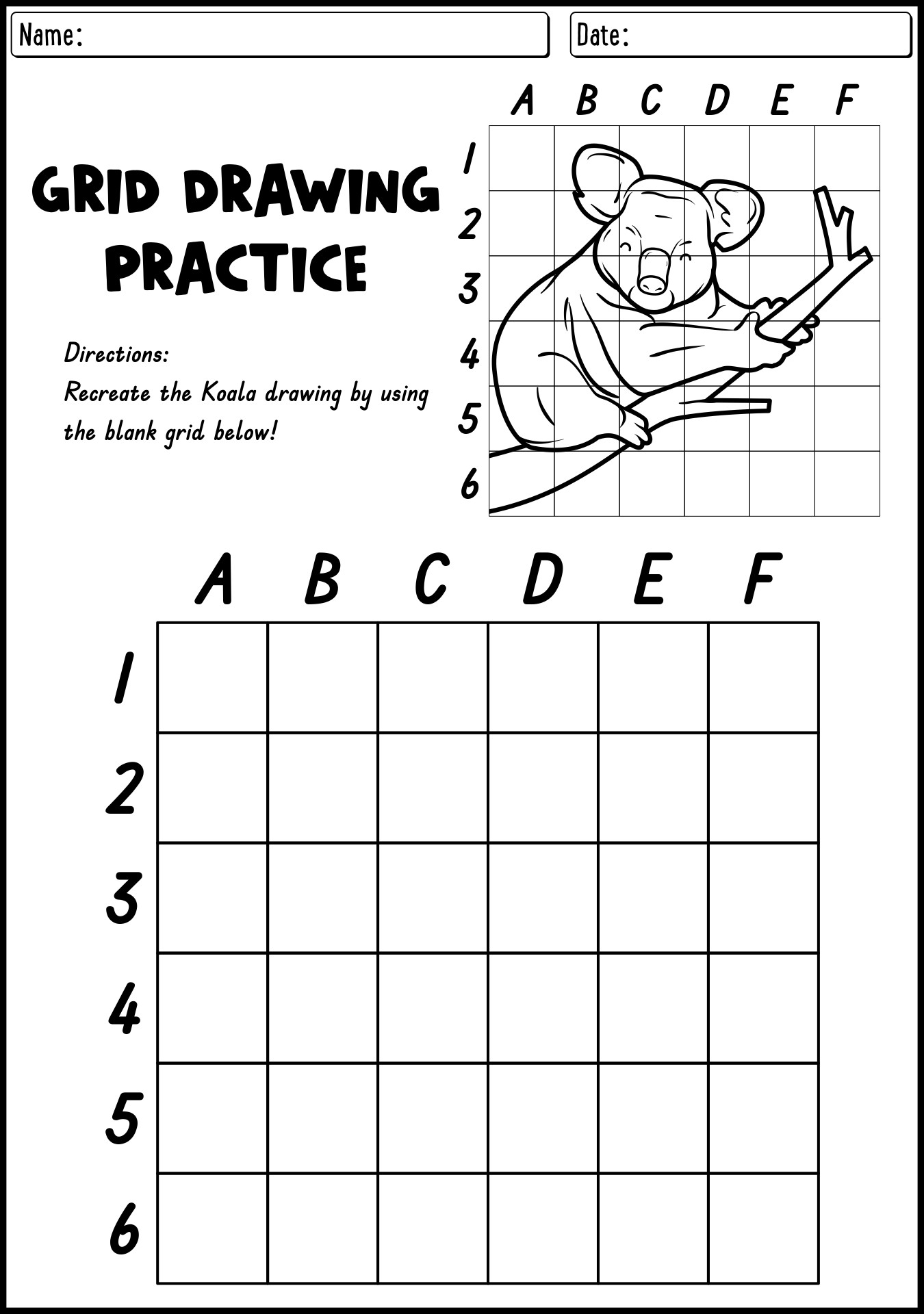
Grid drawing images for kids represent structured visual worksheets that break complex photographic subjects into manageable square coordinates to foster spatial awareness, proportion estimation, and fine-motor control. According to the National Association for the Education of Young Children (NAEYC), structured visual-spatial activities during early childhood significantly enhance foundational mathematical comprehension and observational accuracy. By translating real-world photo flashcards into a grid format, children learn to isolate visual details rather than relying on abstract symbols or mental assumptions. Educators integrate these printable worksheets into broader Educational Activities to bridge the gap between perceptual observation and precise physical execution.
Visual Learning & Skill Snapshot:
- Core Focus: Systematic coordinate-based drawing tasks utilizing photographic references.
- Target Skill: Spatial reasoning, visual discrimination, and hand-eye proportion estimation.
- Key Recommendation: Begin with simple 2×2 grids using high-contrast photo subjects before advancing to complex multi-square layouts.
Core Principles and Visual Learning Overview
Spatial reasoning development relies heavily on a child’s ability to analyze individual segments of an image and map them accurately onto corresponding spatial matrix coordinates. When children engage with specialized Grid Drawing materials, cognitive load decreases because the subject matter is segmented into digestible compartments. This compartmentalization trains the brain to look at lines, curves, and negative space objectively rather than getting overwhelmed by the entirety of a subject. Pairing these exercises with realistic Photo Flashcards ensures that learners connect abstract artistic rendering directly with tangible, real-world objects, animals, and architectural forms.
Key Specifications and Breakdown
| Age / Learning Stage | Visual Skill & Grid Ratio | Pedagogical Application & Scaffolding |
|---|---|---|
| Ages 4-5 (Early Explorers) | 2×2 or 3×3 simple grids | Focuses on basic shape recognition and matching high-contrast photographic edges. |
| Ages 6-7 (Emerging Artists) | 4×4 moderate grids | Emphasizes proportional placement, curved line fidelity, and coordinate tracking. |
| Ages 8-10 (Advanced Beginners) | 5×5 or greater detailed grids | Refines complex shading, perspective estimation, and independent scaling. |
Visual-spatial training through structured coordinate grids significantly accelerates mental rotation abilities and geometric comprehension in early elementary learners — National Art Education Association (NAEA)
Step-by-Step Practical Application and Printing Guidelines
Successful implementation of coordinate-based art worksheets requires high-contrast printing, clear grid lines, and appropriate scaling for developing hand muscles. Print each worksheet on heavy cardstock to prevent tearing caused by persistent erasing and heavy pencil pressure. Instruct young learners to work systematically from the top-left coordinate to the bottom-right coordinate, verifying line intersections before rendering inner details. Educators should encourage children to use a finger or pointer card to isolate the single active square, reducing visual distraction from surrounding sections of the image.
Common Challenges and How to Avoid Them
Frustration during coordinate drawing typically stems from starting with excessively complex imagery or skipping foundational spatial warm-ups. When children draw lines in the wrong grid box, educators should redirect focus by having the child trace the horizontal and vertical coordinate numbers before lifting the pencil. Maintaining enthusiasm requires selecting photo references that match the child’s personal interests, such as animals, vehicles, or nature elements, while ensuring the grid density matches current developmental milestones.
💬 Frequently Asked Questions
Explore More Free Learning Printables and Visual Activities on WePhotoAgency
Accessing professional visual art templates and cognitive development resources is entirely straightforward when utilizing the comprehensive educational repository hosted at WePhotoAgency.com. Parents, homeschoolers, and classroom instructors will discover an extensive catalog of print-ready materials designed to cultivate lifelong spatial reasoning and artistic confidence in young learners.
Visual Reference Gallery