Introduction
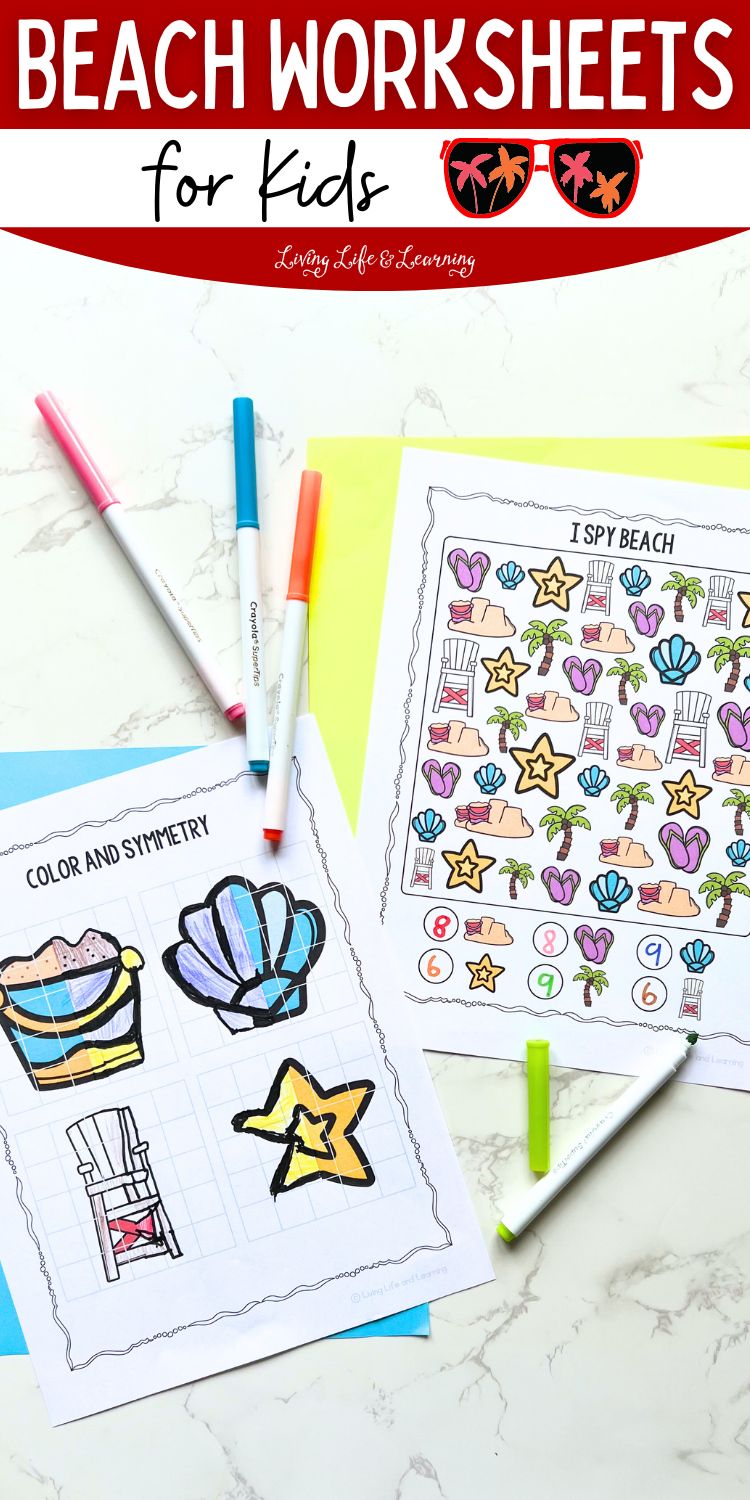
Educational beach activities for kids transform dynamic coastal environments into multisensory classrooms that accelerate spatial awareness, fine-motor control, and scientific observation. According to the National Association for the Education of Young Children (NAEYC), hands-on environmental exploration integrated with structured visual materials significantly enhances cognitive retention and early mathematical reasoning in young children. By pairing outdoor tactile experiences with targeted printables, educators and caregivers bridge the gap between abstract concepts and concrete reality. Utilizing structured visual tools such as printable Grid Drawing worksheets and real-photo prompts anchors observational skills in natural science. Engaging deeply with coastal ecosystems through Educational Activities provides an unmatched foundation for lifelong critical thinking and visual literacy.
Visual Learning & Skill Snapshot:
- Core Focus: Bridging coastal nature exploration with structured visual arts worksheets and proportion analysis.
- Target Skill: Spatial reasoning, visual discrimination, fine-motor proportion, and photo-based concept mastery.
- Key Recommendation: Laminate all paper-based visual assets before coastal field trips to protect against moisture and wind.
Core Principles and Visual Learning Overview
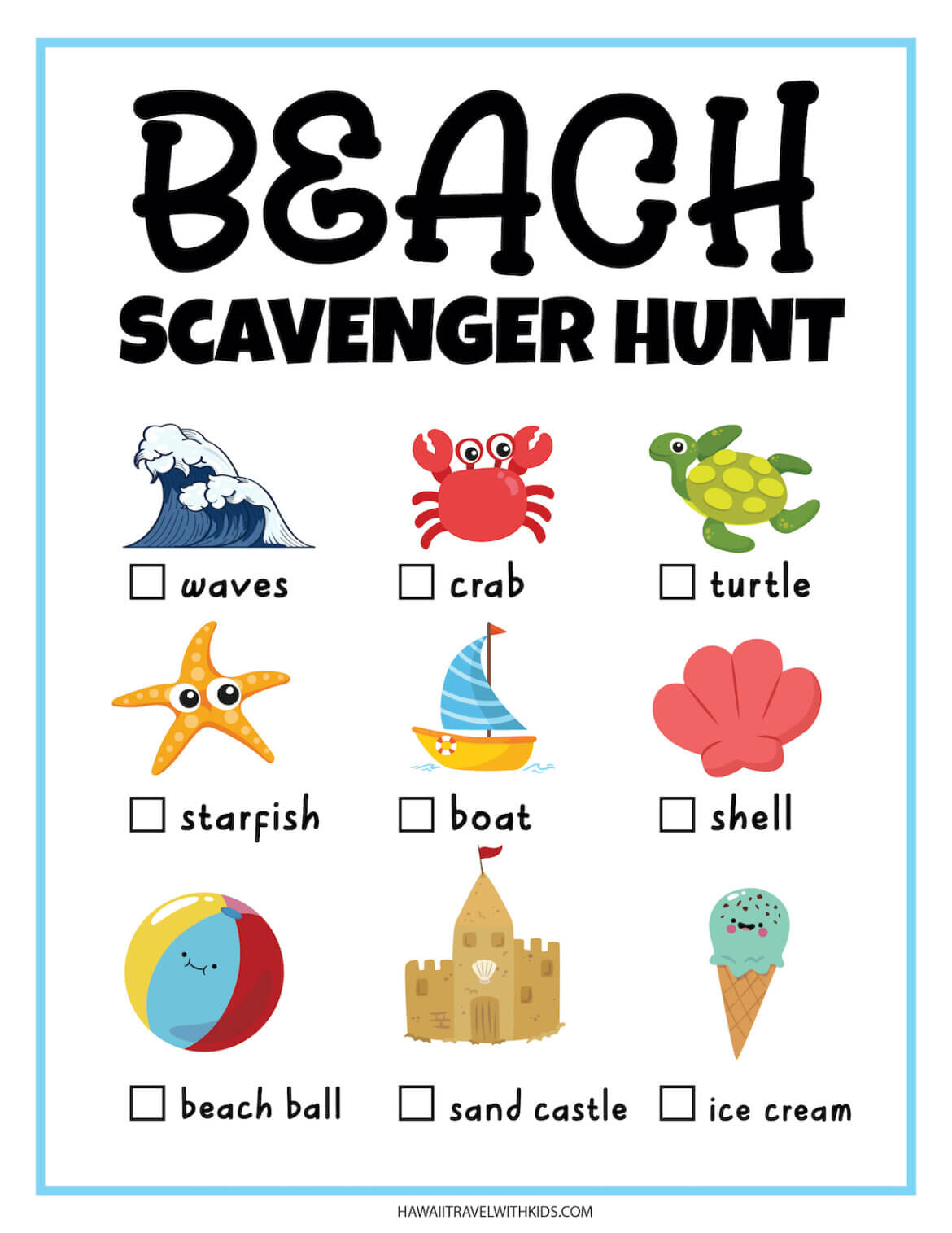
Spatial reasoning and proportion estimation develop most rapidly when children manually transfer complex visual forms from photographic reference into structured coordinate spaces. Coastal environments offer rich, organic geometries—such as spiral seashells, radial starfish symmetry, and granular sand textures—that serve as ideal subjects for drawing exercises. Integrating realistic Photo Flashcards into these outdoor lessons allows learners to compare macro photographic details directly with real-world objects found along the shoreline. This comparative observation trains young minds to break complex organic shapes down into manageable geometric components, strengthening both artistic confidence and mathematical coordinate mapping simultaneously.
Key Specifications and Breakdown
| Age / Learning Stage | Visual Skill & Grid Ratio | Pedagogical Application & Scaffolding |
|---|---|---|
| Ages 4–5 (Early Preschool) | 2×2 Grid with Macro Real Photos | Focuses on basic contour recognition and matching whole items to enlarged picture tiles without complex scaling. |
| Ages 6–7 (Early Elementary) | 4×4 Grid with Symmetrical Shells | Introduces line-by-line coordinate mapping, proportion estimation, and symmetrical drawing of natural marine specimens. |
| Ages 8–10 (Advanced Homeschool) | 6×6 Grid with Complex Coastal Textures | Emphasizes fine-motor pencil precision, negative space analysis, and scaling complex photographic ratios accurately. |
Structured visual activities directly correlate with enhanced spatial memory capacity and accelerated fine-motor coordination in early childhood development. — National Art Education Association (NAEA)
Step-by-Step Practical Application and Printing Guidelines
Successful outdoor learning requires robust material preparation, starting with clean, high-contrast printing on heavy cardstock to withstand coastal breezes and humidity. Educators should first select high-resolution worksheets and visual prompt cards, ensuring lines remain crisp and clear even when viewed in bright sunlight. Secure printed worksheets to rigid clipboards or portable clip-boards using rubber bands to prevent wind displacement on open beaches. Instruct children to observe a found object—such as a smooth pebble or piece of driftwood—and locate its corresponding coordinates on the grid step-by-step. Encouraging students to check proportions quadrant by quadrant prevents cognitive overload and fosters methodical attention to detail.
Common Challenges and How to Avoid Them
Young learners frequently struggle with proportion distortion when attempting to draw complex natural objects across multiple grid squares simultaneously. To mitigate this challenge, educators must guide children to isolate one single grid box at a time, utilizing a handheld framing card to block out surrounding visual distractions. Environmental factors like glare, wind, and sand accumulation also disrupt outdoor lessons; positioning learners in seated, wind-sheltered circles facing away from direct reflective sunlight resolves visual fatigue. Providing soft graphite pencils and eraser shields ensures that accidental smudges from damp fingers can be easily corrected without tearing the paper surface.
💬 Frequently Asked Questions
Explore More Free Learning Printables and Visual Activities on WePhotoAgency
Enhance early childhood curricula and art lesson plans by exploring the comprehensive collections available across the entire WePhotoAgency.com educational ecosystem. Access hundreds of rigorously designed, print-ready visual resources crafted specifically to support developmental milestones in spatial reasoning, scientific observation, and fine-motor mastery.
Visual Reference Gallery