Introduction
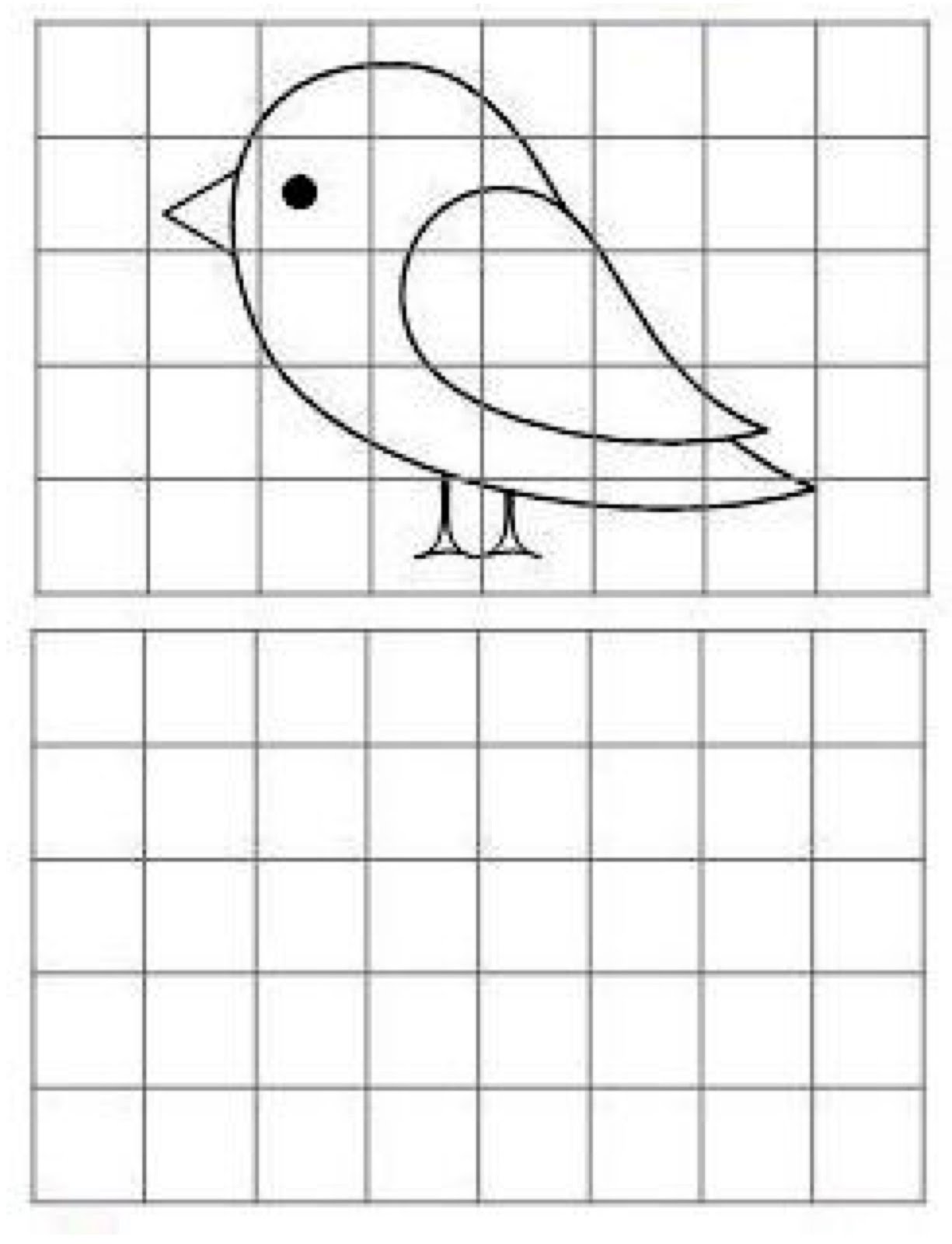
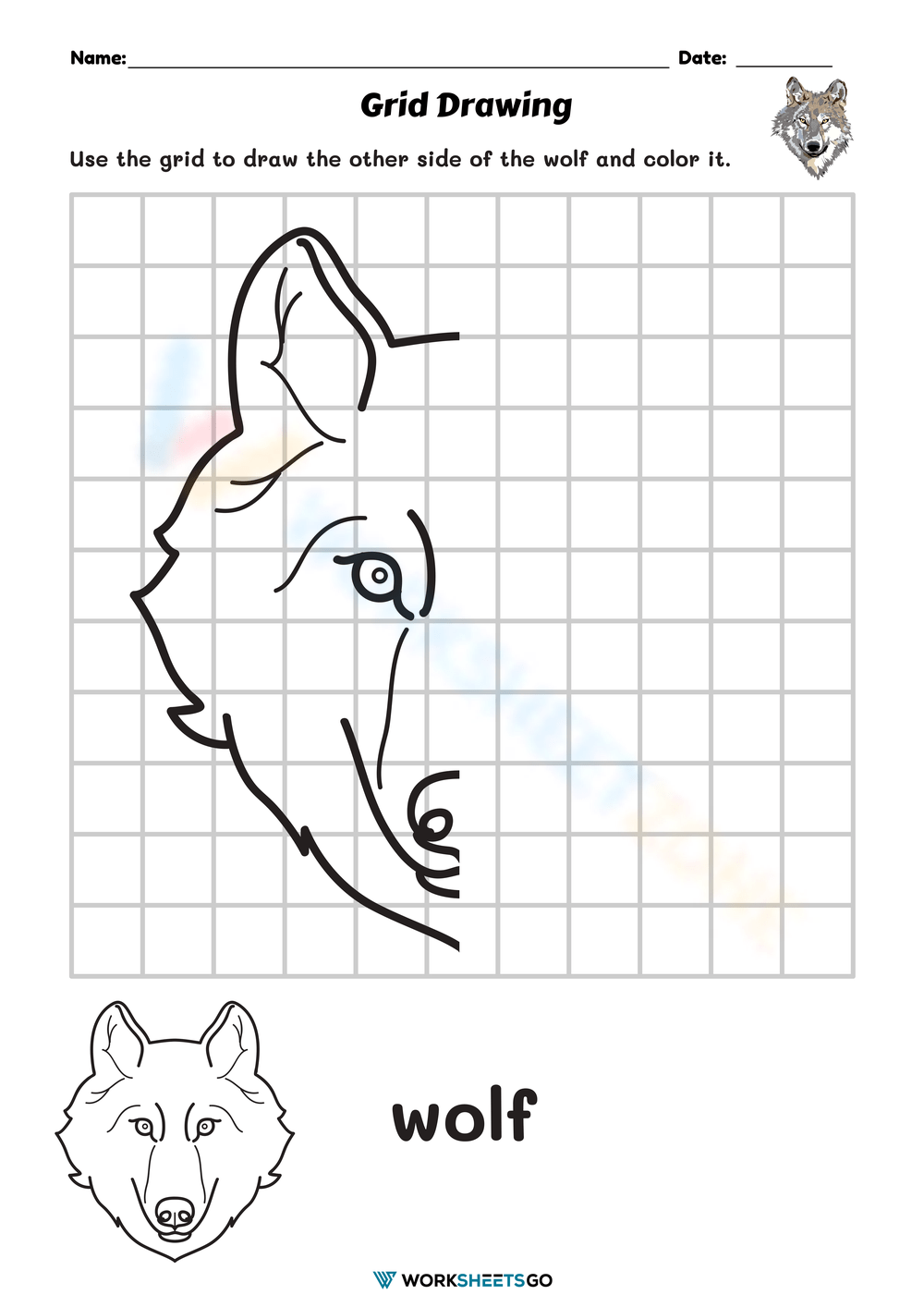
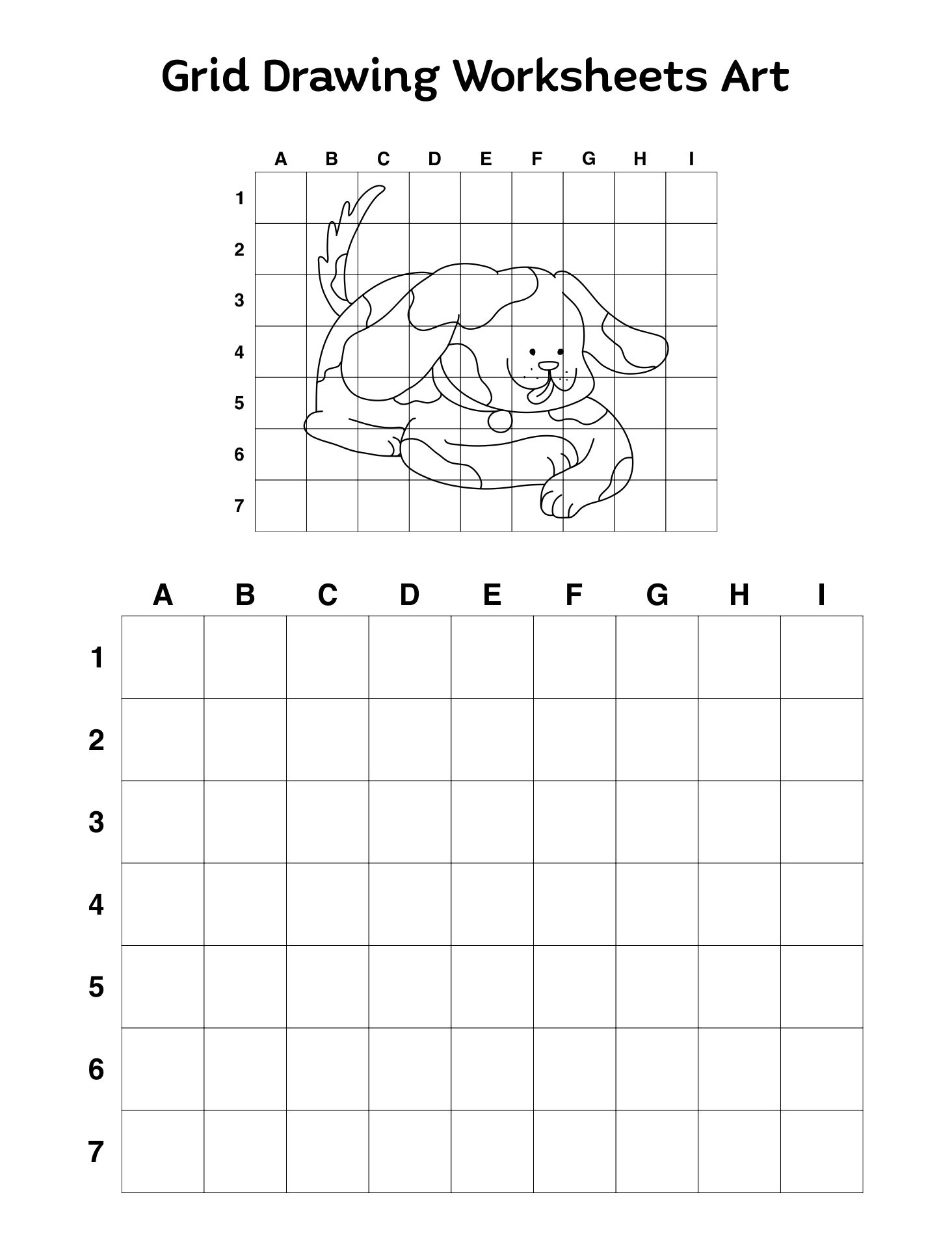
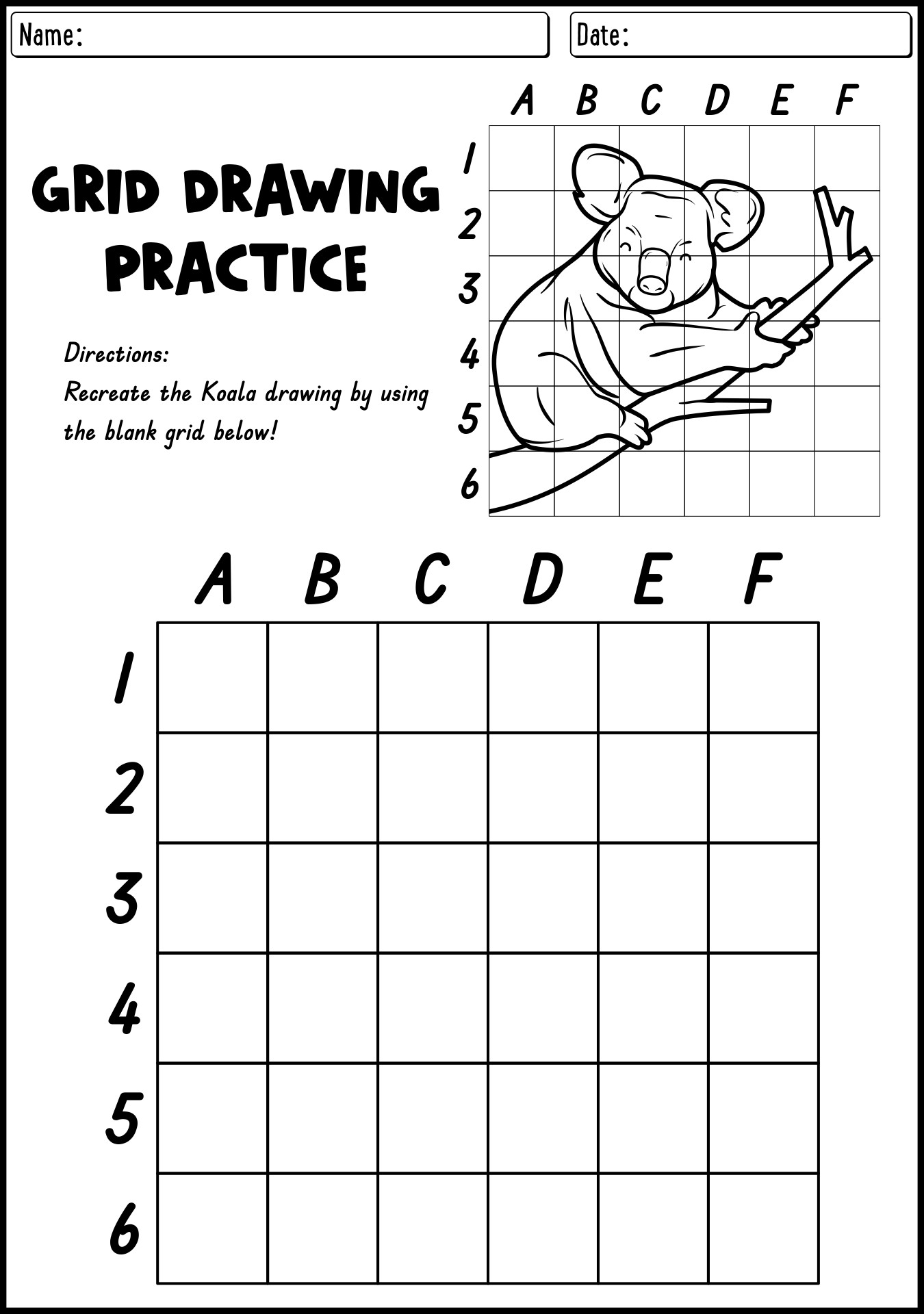
Drawing using grid is an evidence-based visual art technique that breaks complex subject matter into smaller, manageable coordinate squares to teach proportion estimation, visual tracking, and spatial reasoning. According to the National Art Education Association (NAEA), structured observational drawing methods significantly accelerate the development of hand-eye coordination and spatial intelligence in early childhood by training the brain to analyze negative space and geometric relationships. Educators and parents leverage this method alongside Photo Flashcards to transition children from abstract visual processing to precise hand-drawn replication, bridging the gap between perception and fine motor execution.
Visual Learning & Skill Snapshot:
- Core Focus: Systematic coordinate-based visual translation and proportional drawing mastery.
- Target Skill: Spatial reasoning, visual discrimination, fine-motor proportion, and photo-based concept mastery.
- Key Recommendation: Pair large-scale printable grid worksheets with real-world photo references to maximize cognitive retention and accuracy.
Core Principles and Visual Learning Overview
Drawing using grid leverages cognitive chunking to reduce visual overload by forcing the human eye to isolate individual cells rather than attempting to render an entire complex image simultaneously. When young learners look at a detailed image divided by intersecting lines, cognitive load drops because attention remains confined within a single bounded square. This methodology reinforces left-to-right scanning habits, hones fine motor control, and builds foundational geometry concepts organically through Educational Activities. By pairing these lessons with high-resolution photographic subjects, instructors teach children to translate three-dimensional lighting and form into two-dimensional grid coordinates without frustration.
Key Specifications and Breakdown
| Age / Learning Stage | Visual Skill & Grid Ratio | Pedagogical Application & Scaffolding |
|---|---|---|
| Ages 4–5 (Early Explorer) | 2×2 or 3×3 simple square grid | Focuses on basic contour lines, high-contrast shapes, and introducing grid coordinates through playful Grid Drawing printables. |
| Ages 6–7 (Emerging Artist) | 4×4 moderate grid layout | Emphasizes proportion estimation, curve continuity, and mapping photographic details from concrete visual references. |
| Ages 8+ (Advanced Beginner) | 6×6 or higher complex grid | Refines intricate scale adjustments, shading values, and precise alignment using multi-row photographic source materials. |
Systematic observational drawing strengthens visuospatial working memory by translating holistic visual data into sequential, manageable motor programs — National Art Education Association (NAEA)
Step-by-Step Practical Application and Printing Guidelines
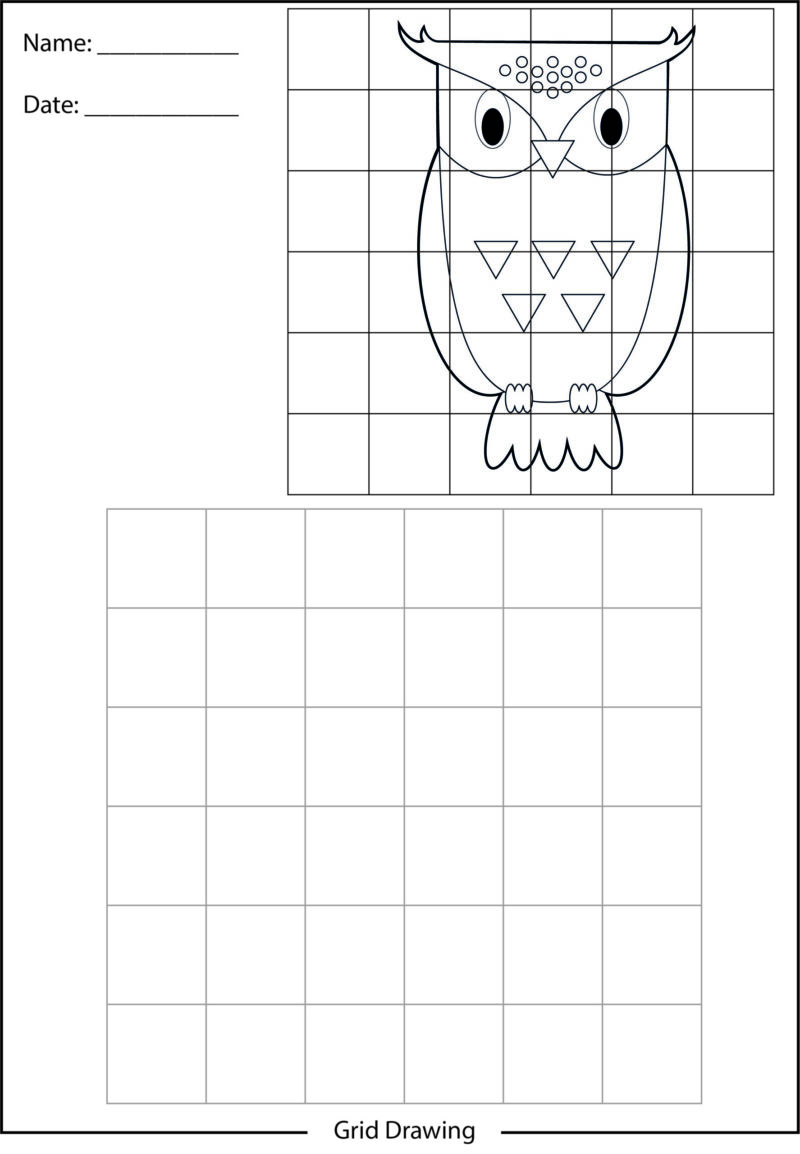
Implementing drawing using grid requires high-contrast, distraction-free printables that pair a reference image with a blank, identically proportioned grid sheet. Instructors should print worksheets on heavy cardstock to prevent tearing during repeated eraser use and pencil pressure application. Begin the activity by having learners label grid columns and rows with letters and numbers to reinforce Cartesian coordinate literacy. Children should isolate one box at a time using a masking card or a window cutout, sketching only the lines and curves observed inside that specific coordinate square before moving to adjacent cells.
Common Challenges and How to Avoid Them
Drawing using grid frequently presents obstacles when learners attempt to draw the entire picture at once rather than working strictly square by square, leading to distorted proportions. To correct this tendency, educators should provide sliding window blockers that physically conceal surrounding boxes, forcing strict concentration on localized visual data. Another common hurdle involves grid scale mismatch; ensuring that both the reference template and the working canvas share exact aspect ratios prevents the final drawing from appearing vertically or horizontally stretched.
💬 Frequently Asked Questions
Explore More Free Learning Printables and Visual Activities on WePhotoAgency
Mastering visual arts and spatial reasoning requires continuous access to high-quality, educator-approved resources designed for diverse learning environments. Explore the full library of printable educational assets by visiting WePhotoAgency.com to download engaging worksheets, flashcards, and creative templates tailored for young learners.
Visual Reference Gallery