Introduction
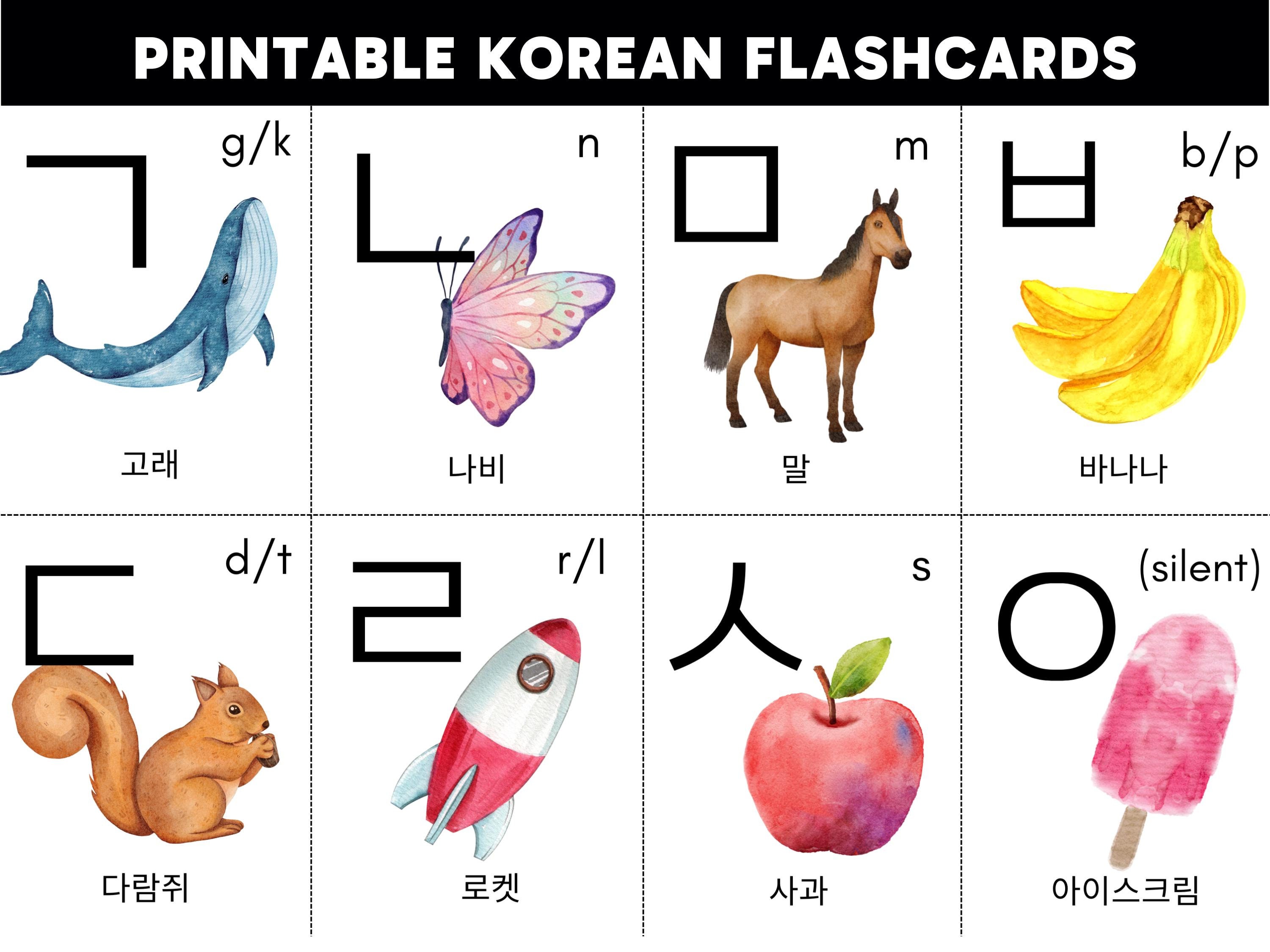
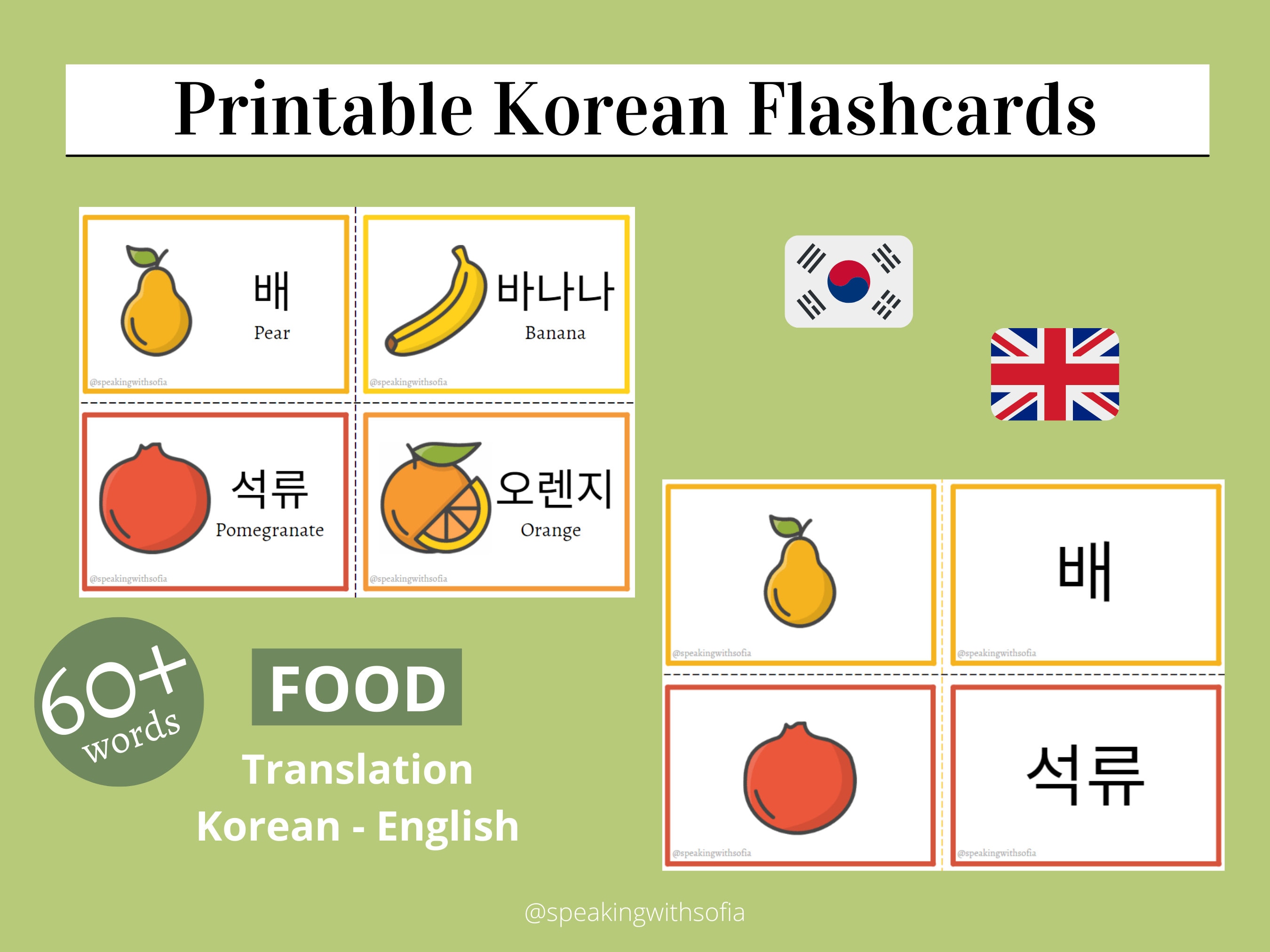
Free printable korean flashcards function as essential cognitive tools that combine linguistic acquisition with high-resolution visual processing, spatial awareness, and fine-motor development. According to the National Association for the Education of Young Children (NAEYC), integrated multi-sensory materials significantly accelerate dual-language retention and perceptual organization in early childhood development. Integrating real photographic imagery with systematic character grids provides children with concrete visual anchors, strengthening both language mapping and analytical observation skills. These printables support diverse learning environments by merging language acquisition with fundamental art education frameworks.
Visual Learning & Skill Snapshot:
- Core Focus: Free printable korean flashcards combined with grid drawing worksheets for visual-spatial mastery.
- Target Skill: Spatial reasoning, visual discrimination, fine-motor proportion, and linguistic concept mapping.
- Key Recommendation: Laminate high-contrast photo flashcards to encourage tactile, repeated grid-drawing and character tracing exercises.
Core Principles and Visual Learning Overview
Free printable korean flashcards leverage real-world photographic stimuli alongside structural grid frameworks to bridge abstract linguistic symbols and concrete visual concepts. When young learners examine photographic subjects paired with Korean vocabulary, cognitive processing shifts from passive memorization to active visual analysis. This dual approach enhances spatial orientation, teaches accurate proportion estimation, and reinforces fine-motor control through structured Grid Drawing exercises. Utilizing authentic Photo Flashcards ensures that children connect words to authentic representations rather than simplified cartoon renderings, promoting deeper cognitive engagement and accurate visual decoding.
Key Specifications and Breakdown
| Age / Learning Stage | Visual Skill & Grid Ratio | Pedagogical Application & Scaffolding |
|---|---|---|
| Ages 3-4 (Early Explorer) | 1×1 Grid Ratio; basic photo matching | Focuses on color recognition, object identification, and large-scale tactile flashcard sorting. |
| Ages 5-7 (Primary Learner) | 2×2 Grid Ratio; proportion estimation | Introduces structured Educational Activities involving grid transfer and character stroke tracking. |
| Ages 8-10 (Advanced Student) | 4×4 Grid Ratio; micro-detail observation | Demands precise spatial alignment, symmetrical drawing execution, and advanced vocabulary mastery. |
Visual-spatial integration methods strengthen bilateral brain coordination and enhance symbolic representation processing during formative cognitive windows. — National Art Education Association (NAEA). For more related activities, check out our How To Create Printable Flashcards In Word.
Step-by-Step Practical Application and Printing Guidelines
Executing structured visual learning sessions requires durable cardstock printing, precise paper trimming, and organized grid alignment to maximize cognitive retention. Educators and parents should print flashcards on matte heavy-cardstock (minimum 110 lb weight) to prevent bleed-through and tactile fatigue during manipulation. Once printed, scale worksheets to standard dimensions, apply non-toxic dry-erase lamination for multi-use durability, and pair the flashcards with fine-tip washable markers. Instruct learners to observe the reference photo quadrant by quadrant before replicating proportional lines onto corresponding grid boxes, ensuring methodical visual breakdown.
Common Challenges and How to Avoid Them
Cognitive overload and frustration frequently occur when children attempt complex grid-to-page transfers without adequate baseline visual scaffolding. Educators can prevent these hurdles by scaling down grid complexity—starting with simple 2×2 photo matrices before advancing to multi-square geometric compositions. Ensuring that printed images maintain high photographic contrast prevents visual strain and helps young learners easily distinguish edges, negative space, and primary character strokes during drawing tasks.
💬 Frequently Asked Questions
Explore More Free Learning Printables and Visual Activities on WePhotoAgency
Discover a comprehensive library of developmental worksheets, photographic learning aids, and structured creative resources designed for educators and families at WePhotoAgency.com to elevate early childhood cognitive growth.
Visual Reference Gallery