Introduction
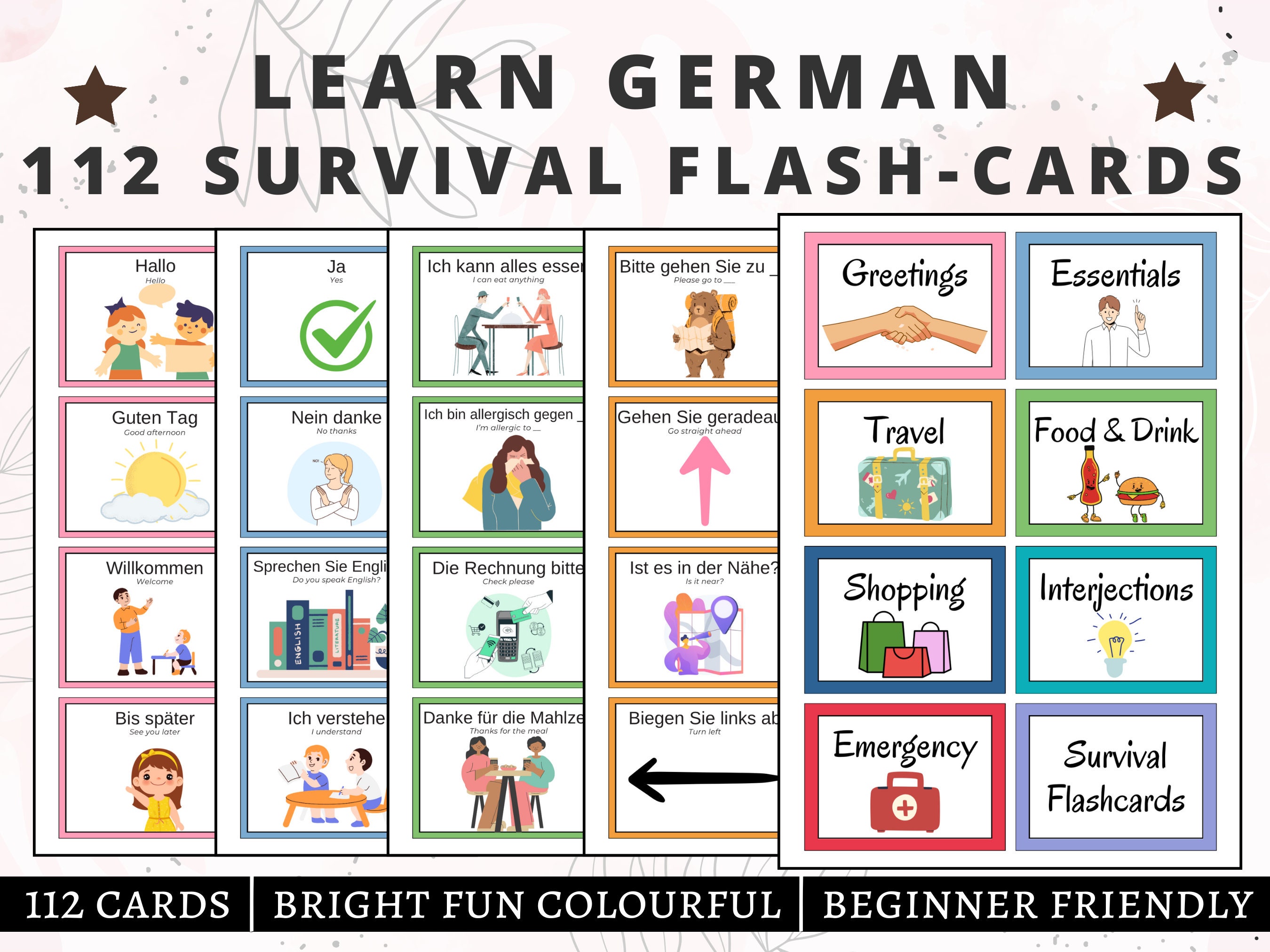
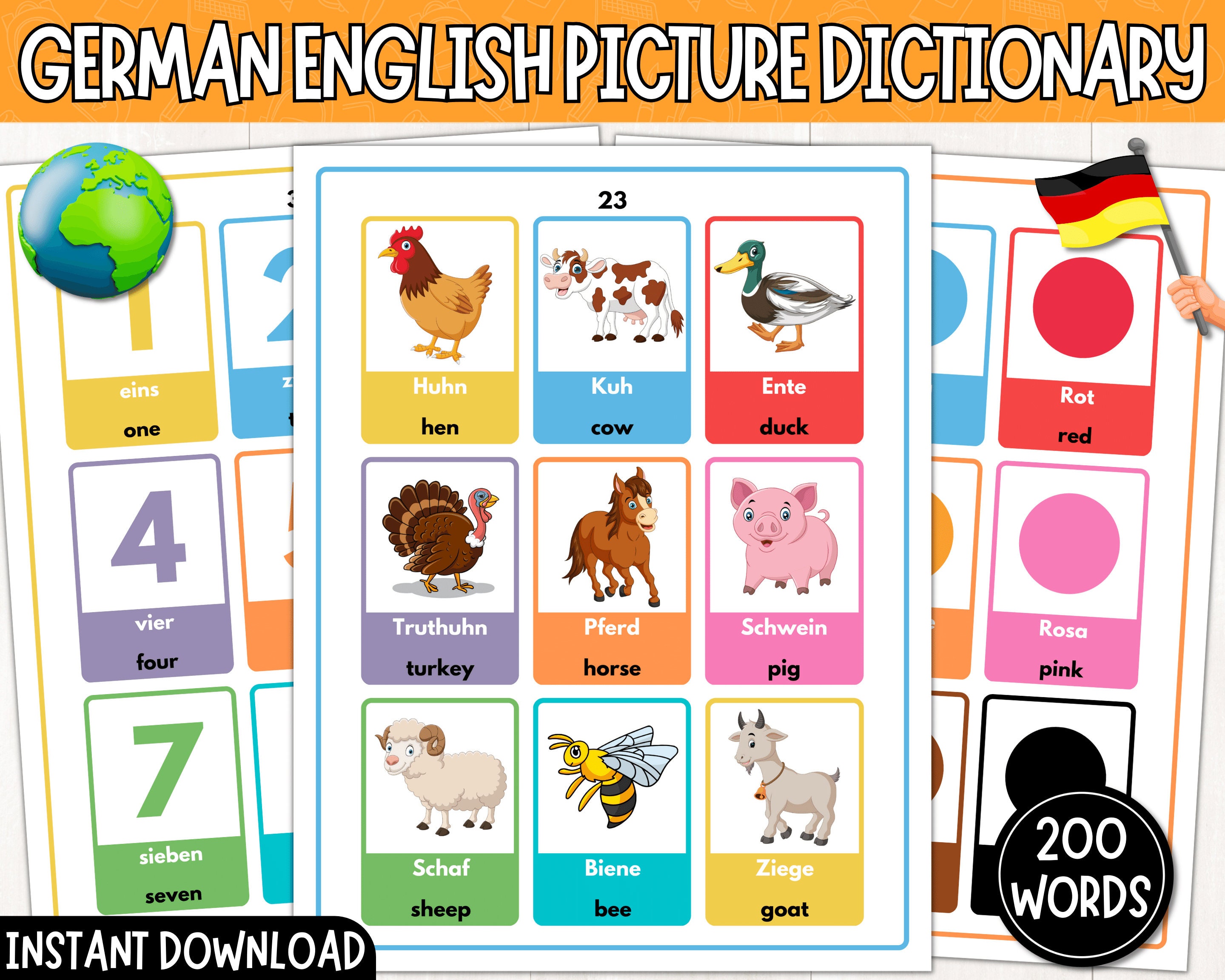
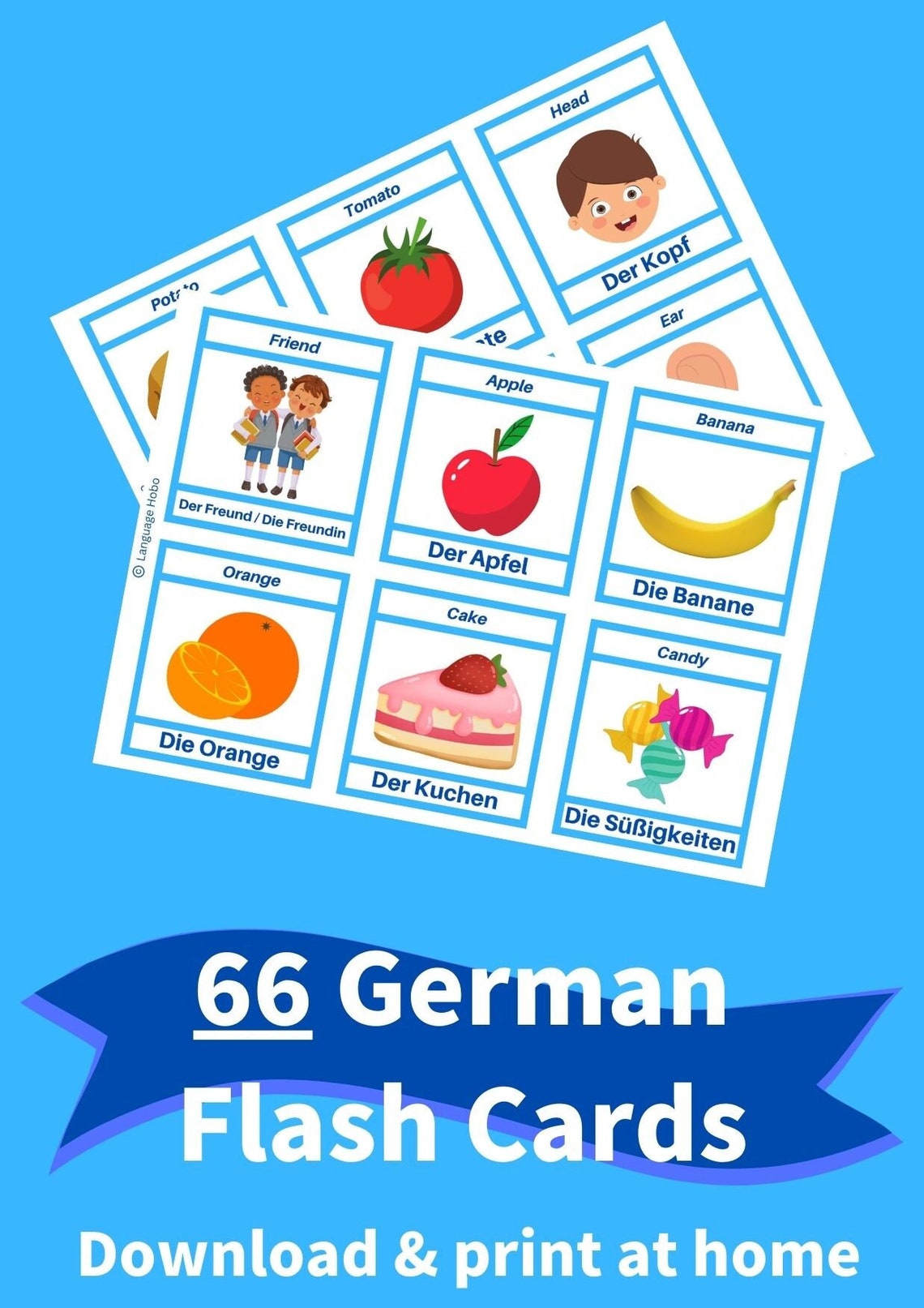
German picture flashcards function as essential visual learning tools that combine photographic realism with authentic vocabulary acquisition to stimulate cognitive development in early childhood. According to the National Association for the Education of Young Children (NAEYC), high-contrast, real-world imagery paired with clear linguistic labeling significantly accelerates visual literacy and language retention in young learners. Integrating these materials into structured learning environments establishes a robust foundation for early reading, cross-disciplinary comprehension, and linguistic flexibility. Educators frequently leverage Photo Flashcards to bridge concrete visual recognition with abstract symbol systems, paving the way for advanced spatial analysis.
Visual Learning & Skill Snapshot:
- Core Focus: German picture flashcards connect authentic real-world photographic stimuli with bilingual or target-language labeling.
- Target Skill: Spatial reasoning, visual discrimination, fine-motor proportion, and early foreign language decoding.
- Key Recommendation: Pair photographic cards directly with scaled Grid Drawing worksheets to translate 2D visual analysis into tactile pencil control.
Core Principles and Visual Learning Overview
Spatial awareness and cognitive proportion estimation develop effectively when children systematically analyze real photographic imagery broken down into manageable grid coordinates. German picture flashcards remove ambiguous cartoon illustrations in favor of unedited, high-resolution photographs that depict authentic textures, lighting, and environmental contexts. When children study these realistic cards prior to transferring the visual data onto a grid worksheet, cognitive load is reduced through chunking. This methodological approach enables young artists and students to evaluate angles, negative space, and relative scaling with remarkable precision, supporting both artistic execution and linguistic fluency simultaneously.
Key Specifications and Breakdown
| Age / Learning Stage | Visual Skill & Grid Ratio | Pedagogical Application & Scaffolding |
|---|---|---|
| Ages 4–5 (Early Explorer) | 2×2 Grid with High-Contrast Photo | Focuses on basic quadrant isolation, large motor control, and primary vocabulary recognition. |
| Ages 6–7 (Developing Artist) | 3×3 Grid with Standard Photographic Flashcard | Targets proportion estimation, line confidence, and intermediate descriptive sentence formation. |
| Ages 8–10 (Advanced Observer) | 4×4 or Complex Grid with Detailed Realist Photo | Emphasizes fine-motor accuracy, intricate shading, and fluent bilingual sentence mapping. |
Systematic visual observation through unedited photographic stimuli and structured grid alignment fosters critical spatial thinking, fine-motor coordination, and dual-coding cognitive pathways in young children. — National Art Education Association (NAEA)
Step-by-Step Practical Application and Printing Guidelines
Executing a successful visual learning session requires high-quality printing, matte cardstock lamination, and careful coordination between the stimulus card and the drawing surface. Educators must print german picture flashcards at 100 percent scale without automatic page scaling to ensure exact dimensional correspondence with printable workspace grids. Instructors should place the target photo flashcard directly above the corresponding grid drawing template, encouraging learners to scan individual coordinates systematically from top-left to bottom-right. Incorporating diverse Educational Activities alongside these materials ensures that children remain engaged while building essential hand-eye coordination.
Common Challenges and How to Avoid Them
Visual distortion and student frustration typically occur when children attempt to draw entire objects at once instead of isolating individual grid squares. Educators can prevent this widespread obstacle by teaching learners to mask surrounding coordinates using plain index cards, isolating one single square of the german picture flashcard at a time. Furthermore, ensuring that reference cards feature clean, glare-free matte finishes prevents eye strain and reduces perceptual errors caused by shiny lamination reflections during detailed proportion mapping.
💬 Frequently Asked Questions
Explore More Free Learning Printables and Visual Activities on WePhotoAgency
Expanding early childhood curricula with professional-grade visual arts materials transforms ordinary lessons into engaging cognitive milestones for every growing mind. Access an extensive, continuously updated repository of structured printables, grid drawing templates, and photographic resources by visiting WePhotoAgency.com to elevate daily teaching strategies.
Visual Reference Gallery